
EN10219-1 S235J2H pipe can indeed be utilized for piling applications, particularly in projects where moderate load-bearing capacity and superior low-temperature impact performance are essential. This premium structural hollow section offers exceptional toughness at -20°C, guaranteeing a minimum impact energy of 27 J, which significantly reduces brittle fracture risks. While higher-strength grades like S355J2H are preferred for heavy-duty piling demands, S235J2H excels in cold-climate infrastructure projects, foundation works, and temporary support structures where cost-effectiveness meets reliable structural performance under challenging environmental conditions.
|
|
|
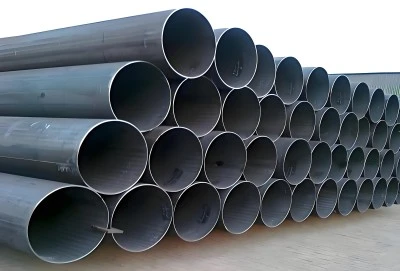
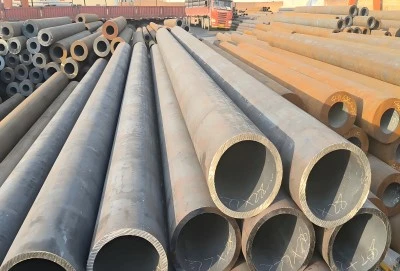
Understanding EN10219-1 S235J2H Pipes and Their Specifications
In Europe, cold-formed welded structural hollow sections must follow the EN10219-1 standard. EN10219-1 S235J2H pipe is a carefully engineered alloy that strikes a balance between performance and cost. The chemical makeup of this grade of steel is carefully controlled. It has a moderate carbon content, usually between 0.17% and 0.20%, along with manganese, silicon, and trace alloying elements that make it easier to weld without affecting its mechanical strength. The "J2" name refers to Charpy V-notch impact testing that was done at -20°C. This shows that the material is strong enough to not break easily in cold places. The 'H' term tells you that these goods are hollow parts, which makes them different from plate or bar shapes with similar chemical names.
Precision cold-forming methods are used to make these pipes, and then they are longitudinally welded to make sure that the dimensions are correct and the wall thickness is the same all the way through. Tight tolerances are kept during the process, which is important for modular building and prefabricated parts. As part of quality assurance procedures, weld lines are tested with eddy current or ultrasound waves to find problems inside them, and all dimensions are checked carefully.
Mechanical Properties That Matter
The dynamic properties of EN10219-1 S235J2H pipe have a direct effect on how well it can be used in structures. The minimum yield strength of the material is 235 MPa, and its tensile strength is between 360 and 510 MPa. This means that it can handle loads for a wide range of base uses. Usually, elongation values are higher than 26%, which means that the material is flexible enough to be fabricated and installed in different places. This grade is different from S235JRH because it has been tested and proven to be tough at low temperatures. It must be able to withstand a 27 J impact energy at -20°C, which is important for projects that need to stay strong even when temperatures drop, like piling projects in northern regions or marine environments.
Corrosion Resistance and Surface Treatment Options
Even though EN10219-1 S235J2H pipe is pretty resistant to rusting in air, steel used in piling is often exposed to harsh soil chemistry, groundwater, and moisture cycles. Protective coatings are required when these lines are to be installed below ground. Hot-dip galvanizing is still a popular option, but procurement managers should make sure that silicon and phosphorus levels are controlled when steel is made to avoid the Sandelin Effect, which makes the zinc covering thickness uneven. Fusion-bonded epoxy (FBE), two-part polypropylene (2PP), or three-layer polyethylene (3LPE) systems are other ways to protect things. Each has its own benefits that depend on the pH of the soil, the amount of water in it, and how long the protection is supposed to last.
Evaluating the Suitability of S235J2H Pipes for Piling Applications
For piling, you need materials that can move structural loads through unstable soils to load-bearing layers while also not breaking down in the environment over many years of use. Whether EN10219-1 S235J2H pipe meets these requirements depends on a lot of project-specific factors, such as the type of soil, the amount of weight being carried, the installation method, and the rules that govern building in the area.
Load-Bearing Capacity Considerations
Because EN10219-1 S235J2H pipe has a moderate yield strength, it can be used for light to medium-sized piles. Engineers who work on structures usually figure out how much weight is safe by looking at the pipe's width, wall thickness, embedment depth, and the way the dirt rubs against the pipe. Higher types like S275J2H (275 MPa yield strength) or S355J2H (355 MPa yield strength) need relatively bigger cross-sections or thicker walls to hold the same amount of weight. When material prices, supply, and how easy it is to make something are taken into account, this trade-off usually works out well.
EN10219-1 S235J2H pipe hollow sections have been used successfully in sheet pile walls, foundation piles for modular buildings, temporary excavation support, and the building of marine jettys. Case studies from infrastructure projects in Australia and Southeast Asia show that the work is reliable when the right safety factors are used and the right engineering calculations are made to account for the grade's properties.
Environmental Performance in Soil Conditions
Corrosion problems in below-grade areas are very different depending on the type of soil. Soils that are acidic, places with a lot of salt, and changing water tables all make steel break down faster. The basic corrosion resistance of EN10219-1 S235J2H pipe is good enough in neutral pH soils with low moisture levels, but extra protection is needed in harsh conditions. For piling structures that will be used in corrosive settings for more than 25 years, engineering standards usually say to use coating systems or cathodic protection.
The J2 impact rating is especially useful for projects in cold places where freeze-thaw cycles put stress on pile foundations. The confirmed -20°C toughness of EN10219-1 S235J2H pipe is a real safety benefit and not just a standard tick because brittle fracture is a catastrophic failure mode in arctic building.
Regulatory Compliance and Engineering Standards
Specifications for structural piling often use Eurocode 3 for steel building design, which works with EN10219-1 materials in its math frameworks. Building codes in the Middle East, Australia, and Southeast Asia are becoming more and more similar to European standards. This makes it easier to get projects approved that use EN10219-1 S235J2H pipe. Managers in charge of buying things should make sure that the paperwork from suppliers includes EN 10204 Type 3.1 or 3.2 inspection certificates. This way, everything can be tracked from the heat number to the final measurements.
Procurement Insights for EN10219-1 S235J2H Pipes in Piling Projects
A good procurement process strikes a balance between keeping costs low and making sure quality, delivery dependability, and expert help are all met. When project managers know how the market works and what their suppliers can do, they can negotiate better terms and lower supply chain risks that could throw off construction schedules.
Selecting Certified Manufacturers
Certification credibility tells you the difference between trustworthy manufacturers and sources you can't trust. The ISO 9001 quality management certification shows that production is controlled in a planned way, and the ISO 14001 environmental certification shows that manufacturing is done in an environmentally friendly way. API certificates, which are mostly used for pipeline goods, show that a company is committed to strict testing standards. Factory Production Control (FPC) certificates that are specific to EN10219-1 give even more proof that the methods of cold-forming and welding meet European technical standards.
When you buy directly from the plant, you avoid the markups that distributors add on top of the price, and you can talk to expert teams that can answer your questions about specifications. Manufacturers like Longma Group keep a full list of certifications and get their raw materials from top Chinese mills like Shagang, HBIS, and Bao Steel. This makes sure that the quality of the materials used is always high, which leads to reliable finished goods.
Pricing Structures and Order Quantities
The price of EN10219-1 S235J2H pipe depends on the cost of raw materials, the difficulty of making it, and changes in market demand. Depending on the dimensions, the minimum order quantity is usually between 25 and 100 tons. For bigger commitments, bulk discounts are possible. People usually pay 30% up front and the rest when they receive the shipping papers. However, people who do business with each other often can arrange letters of credit or longer terms.
When planning purchases, steel prices can change quickly, especially for projects that last for more than one quarter. To protect themselves from the risk of not getting the goods they want, some buyers use fixed-price contracts or staggered delivery plans that average costs over several buying times. Clear communication with suppliers about project timelines leads to better production planning and, possibly, lower prices by allocating manufacturing slots more efficiently.
Logistics and Lead Time Management
After an order is confirmed, production wait times for standard sizes are usually between 20 and 35 days. Custom specs could add two to three weeks to this time frame. Ocean freight transit adds another variable: deliveries from Chinese makers to the Middle East usually take 18 to 25 days, while shipments to Australian ports get delivered within 12 to 18 days, based on the route and how quickly customs clearance is done.
Optimizing containers lowers the cost of shipping each unit. Standard 20-foot and 40-foot containers can hold different amounts and lengths of pipes, so it takes careful math to figure out how to load as much as possible without going over the weight limits. Some makers offer cut-to-length services that make better use of containers and cut down on field waste, but they take longer and cost more to process.
Conclusion
When engineers use engineering formulas to match the material's properties to the load requirements and the surroundings, EN10219-1 S235J2H pipe works well for piling. The grade is a good choice for base work, temporary support structures, and cold-weather infrastructure projects because it is strong at low temperatures, can be welded reliably, and is affordable. Higher-strength options are better for heavy-duty uses, but EN10219-1 S235J2H pipe works reliably in many situations when it is properly defined and secured. To be successful at procurement, you need to work with certified manufacturers who can provide full documentation, technical support, and reliable supplies. Understanding the different types of materials and what suppliers can do helps project teams come up with the best specs, keep costs low, and build safe, long-lasting buildings that last for as long as they're supposed to.
FAQ
What distinguishes S235J2H from S235JRH in practical applications?
The difference between these types is the impact testing temperature. S235JRH is tested at room temperature (20°C), while EN10219-1 S235J2H pipe needs to be checked at -20°C. This difference is very important for building in cold weather, when the risk of weak fractures rises. Projects in mild climates may choose JRH to save money, but infrastructure in cold regions needs J2H to be safe.
Can these pipes undergo hot-dip galvanizing without complications?
When making steel, keeping silicon and phosphorus levels in check stops the Sandelin Effect that makes zinc coating uneven and makes hot-dip galvanizing work. Chemicals that are "suitable for galvanizing" should be specifically asked for in procurement requirements. This will make sure that makers change the composition as needed. By taking this proactive step, flaws in the coating that weaken corrosion protection can be avoided.
Does EN10219-1 S235J2H suit high-pressure fluid transport?
Instead of setting requirements for pressure vessels, EN10219 sets guidelines for structures. When moving fluids and needing a pressure certificate, you should look at EN 10217 or EN 10216, which are standards for seamless and welded tubes used for pressure. It is dangerous and against the rules to use structural pipe for pressure service.
How does cold-forming affect weld integrity?
Work hardening happens all over the material when it is cold-formed, but EN10219-1 says that weld zones must keep their mechanical properties the same as the base metal. This is checked by manufacturers using flattening tests, bend tests, and tension examples taken from welded areas. With the right production control, welds don't become weak spots in the structure.
Why does the 'H' suffix matter in material specifications?
By using the letter "H," you can tell the difference between hollow sections and other S235J2 products, like plates, sheets, or bars. This makes sure that there are no mistakes in the buying process and that the right measurements, testing methods, and quality standards for hollow structure parts are followed all along the supply chain.
Partner with Longma Group for Your Structural Pipe Requirements
Longma Group makes high-quality EN10219-1 S235J2H pipe and has been doing so for 20 years. They are also fully certified by ISO 9001, ISO 14001, and API 5L. As a top EN10219-1 S235J2H pipe manufacturer, they only get their raw materials from top-tier domestic mills like Shagang, HBIS, and Bao Steel. This ensures that the quality stays the same from the melting point to the finished product. Our 230,000-square-meter factory makes more than 1,000,000 tons of steel every year, making sure that projects in more than 90 countries can always get what they need. In addition to making pipes, we also do all kinds of fabrication work, like welding, perforating, expanding, and applying anti-corrosion coatings like hot-dip galvanizing, FBE, and 3LPE. Our complete paperwork packages, which include Material Test Certificates, Inspection and Test Plans, and Manufacturing Procedure Specifications, make it easier for project approvals. These packages are useful for engineering companies and procurement managers. Email our expert team at info@longma-group.com to talk about the needs of your piling project, get personalized prices, or find out how our factory-direct EN10219-1 S235J2H pipe for sale can solve your infrastructure problems in a way that is both cost-effective and reliable.








