
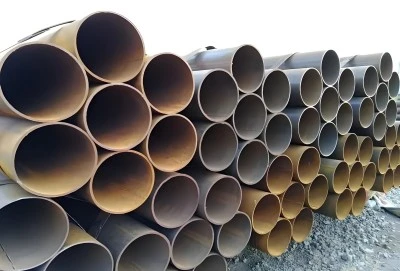
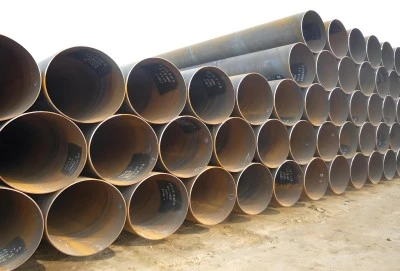
Custom fabrication services utilizing hot rolled steel pipe represent a cornerstone of modern industrial manufacturing, offering unparalleled versatility and reliability for complex engineering projects. Hot rolled pipe serves as a fundamental material choice for fabricators across diverse industries, from oil and gas transportation to structural engineering applications. The manufacturing process involves heating steel above its recrystallization temperature, creating a product with exceptional ductility and formability that adapts seamlessly to custom fabrication requirements while maintaining cost-effectiveness and dimensional accuracy.
|
|
|
Understanding Hot Rolled Steel Pipe in Custom Fabrication
Manufacturing Process and Material Properties
The hot rolling process fundamentally shapes the characteristics that make this material exceptional for custom fabrication applications. During manufacturing, steel billets undergo heating to temperatures exceeding 1700°F, allowing the material to be shaped while maintaining optimal grain structure. This process creates pipes with enhanced ductility and improved formability compared to cold-worked alternatives.
The mechanical properties of hot rolled pipes include yield strengths ranging from 35,000 to 80,000 PSI depending on the grade specification. These characteristics directly influence fabrication outcomes, particularly in applications requiring complex bending, welding, or machining operations. The uniform grain structure achieved through controlled cooling provides consistent performance across varying wall thicknesses and diameters.
Critical Specifications and Standards
Industrial fabrication projects require adherence to stringent dimensional and quality standards. API 5L, ASTM A53, ASTM A500, ASTM A252, and ASTM A795 standards are used to make sure that hot-rolled steel pipes meet the needs of foreign projects. These guidelines spell out important details, like the acceptable ranges for wall thickness, the maximum allowable chemical makeup, and the necessary mechanical properties.
Our manufacturing capabilities include outer diameters from 3 inches to 26 inches and wall thicknesses from Schedule 10 to Schedule XXS. This wide range of sizes meets a variety of fabrication needs while maintaining the accuracy needed for large-scale projects. Weight figures based on these specs allow for accurate planning of materials and cost estimates during the buying process.
Quality Assurance and Dimensional Consistency
Dimensional precision is very important for custom manufacturing to go well. Heavy inspections, such as ultrasonic testing, hydraulic pressure testing, and measurement verification, are done on hot rolled steel pipes to make sure they meet the required limits. These quality control steps directly affect the speed of fabrication by cutting down on the amount of work that needs to be done to prepare and fix the parts before they are made.
Controlled manufacturing methods make sure that products are always the same, which helps with executing large-scale projects. Material behavior can be predicted by engineering teams during cutting, shaping, and joining processes. This speeds up projects and reduces material waste. This dependability is especially useful in complicated structural situations where accurate measurements can affect the stability of the whole system.
Comparing Hot Rolled Steel Pipe with Other Steel Pipes for Fabrication
Production Methods and Material CharacteristicsKnowing the differences between the different types of steel pipe lets you choose the right material for your manufacturing needs. When it comes to surface finish, dimensional standards, and mechanical qualities, hot-rolled pipes are very different from cold-rolled pipes. The process of hot rolling makes a scaled surface finish that, while it might need to be prepared beforehand, is better for welding and shaping.
When made through cutting methods, seamless pipes have great pressure ratings, but they usually cost more and take longer to get. Although they are more expensive than other types of pipes, ERW and LSAW welded pipes are good for many manufacturing tasks and are strong enough for structural and pressure uses.
Mechanical Performance and Cost Implications
Hot rolled steel pipes are very good at resisting impact and fatigue, which are important qualities for uses that use dynamic loads. The naturally tough nature of the material and its predictable yield behavior make it reliable for fabrication under a range of working situations. Because they last longer and work better, these efficiency benefits often make up for the higher cost of the materials at first.
A cost study shows that hot-rolled pipes usually save between 15 and 25 percent of the cost of seamless pipes while still performing the same in many situations. This economic benefit is especially important for big projects where the cost of materials makes up a big part of the budget. The fact that there are different grade choices lets you find the best balance between performance and cost for each job.
Fabrication Suitability and Heat Treatment Effects
The grain that forms during hot rolling processes gives the material properties that make it easier to use in different ways. When folding, hot-rolled pipes are easier to shape because they don't have as much spring-back, which means they can be bent around smaller circles without losing their structural integrity. This quality is especially useful for intricate pipe systems and building frames that need precise control over dimensions.
Heat treatment compatibility lets properties be changed after production when certain uses need more strength or better resistance to rust. Normalization, stress relief, and tempering methods all have predictable effects on the material. This means that the end features can be changed to meet specific performance needs.
Custom Fabrication Techniques Using Hot Rolled Steel Pipe
Core Fabrication Methods and BenefitsUtilizing advanced methods, modern manufacturing centers make the most of the benefits that hot rolled steel pipes naturally offer. Plasma, laser, and mechanical methods are used in cutting operations to get exact control over dimensions while keeping edges that are good enough for welding operations that come after. The constant makeup of the material makes it possible to predict how it will cut through walls of different thicknesses.
The material is very easy to shape, which makes it great for bending operations because it lets you make complicated shapes without weakening the structure. Cold bending methods can meet radius needs as small as 3D (three times the pipe diameter) while keeping the wall thickness the same all the way through. These features allow for the production of complicated pipe systems and structure parts with few joint needs.
Multiple welding methods, such as SMAW, GMAW, and SAW, are used to join hot-rolled pipes together. The chemical makeup of the material supports great weld metal compatibility, which lowers the risk of flaws and ensures that the joint works reliably. When you follow the right steps for welding, the joints you make will be as strong as or stronger than the base material.
Quality Assurance and Precision Strategies
Using thorough quality control measures all the way through the manufacturing process guarantees consistent results and follows all the rules. Multiple rounds of checking the dimensions stop mistakes from adding up and affecting the final assembly. Radiographic and ultrasound examinations are examples of non-destructive testing methods that check the quality of the inside of a joint.
These quality strategies work well to solve common problems in fabrication while keeping production running smoothly. Material tracking systems keep track of individual parts as they are made, which makes it easy to find problems quickly and fix them. Procedures for documentation make sure that industry standards, such as those set by ASME, AWS, and APIs, are met.
Waste Reduction and Production Optimization
Strategic material planning cuts down on waste while getting the most out of the stock that is available. When nesting optimization is used for cutting processes, material utilization rates go above 85%, which lowers the total cost of the project. Standardized manufacturing processes cut down on setup time and make sure that all similar parts are made the same way.
Coordinating production schedules makes it easier to handle work flows, which cuts down on work-in-process inventory and speeds up project finish. These optimization strategies help businesses be more competitive while still meeting the quality standards that are necessary for projects to be completed successfully.
Procurement Considerations for Hot Rolled Steel Pipes in Custom Fabrication
Supplier Selection and Certification VerificationTo choose reliable providers, you need to look closely at their manufacturing skills, quality control methods, and ability to meet certification requirements. Reliable makers keep their API 5L certification, ISO 9001 quality management system certifications, and environmental management certifications up to date. These qualifications show a dedication to consistent quality and legal compliance, which is important for important purposes.
When evaluating a supplier, you should look at where the raw materials come from, how well the production equipment works, and how good the testing facilities are. Longma Group gets its materials from well-known steel mills like Shagang, Shangang, and TISCO. This way, the quality is consistent from the time the raw materials are delivered until the finished products are delivered. This method of vertical integration makes it easier to track and control quality throughout the whole supply chain.
Pricing Analysis and Order Optimization
Understanding how prices work is important for making good budget plans and reducing costs. The price of hot rolled steel pipe is usually based on the cost of raw materials, how hard it is to make, and changes in market demand. Prices on the market right now run from $800 to $1,200 per ton, based on the grade, size, and amount needed.
Unit prices are often affected by minimum order amounts, and bulk sales can save you a lot of money. Orders over 50 tons usually get better prices because of the bulk discount, and keeping 50–150 tons in stock makes it easy to fill orders quickly. These methods for managing inventory help meet customer needs for faster shipping while keeping costs low.
Logistics and International Trade Considerations
Logistics planning that works well makes sure that materials are delivered on time and at the lowest cost possible. Options for packaging, such as bundling, wooden boxes, and wooden boards, keep goods safe while they're in travel and make them easier to handle when they get to their final destination. When you package things correctly, you lower the chance of damage and the time it takes to fix it.
For international shipments, paperwork, customs processes, and arrival times must all be coordinated. Suppliers with a lot of experience give a lot of paperwork, like test certificates for materials, inspection records, and certificates that they follow the rules. These services make it easier to go through customs and make sure that trade rules are followed in all countries.
Applications and Industry Use Cases of Hot Rolled Steel Pipe Fabrication
Infrastructure and Oil & Gas ApplicationsMaking pipes out of hot-rolled steel is an important part of the infrastructure for moving oil and gas, and its dependability and performance have a direct effect on operating safety. Materials used in pipeline systems need to be able to handle high pressures, changes in temperature, and conditions that are harmful. Hot-rolled pipes have consistent mechanical qualities that make them effective in these tough situations.
Hot-rolled pipes that are properly defined are strong and don't rust, which are both benefits for water supply systems. Materials that can stay strong over long periods of time are needed for municipal and commercial water transfer networks. Hot-dip galvanizing, FBE, and 3LPE coatings are some anti-corrosion techniques that make things last longer in harsh settings.
Structural Engineering and Offshore Construction
Hot-rolled pipes are used for making structures that need to be strong but light, like those used in bridge and building construction. Because the material behaves consistently under different loads, it is easy to build and analyze structures that are reliable. Fabrication freedom lets you make the complicated shapes that are needed in modern architecture.
Building an offshore platform is hard because the materials used need to be able to handle sea conditions and shifting loads. For these uses, hot-rolled steel pipes are the best choice because they are strong, tough, and easy to work with. The right choice of materials and construction methods guarantee long-lasting success in tough environments.
Industrial Manufacturing and Future Trends
Industrial manufacturing uses are always changing because technology is getting better and environmental standards are changing. Robotic welding, laser cutting, and automatic making are some of the new ways that things are made that improve accuracy while lowering production costs. These improvements in technology make hot-rolled steel pipe options more affordable.
Sustainability concerns are becoming more and more important in choosing materials. Because they can be recycled and last a long time, hot-rolled steel pipes support the ideas of the circular economy. New advances in the chemistry and handling technology of steel in the future should lead to better performance while still being environmentally friendly.
Conclusion
For a wide range of industrial uses, custom manufacturing services using hot rolled steel pipe offer dependable, affordable answers. The material is easy to shape, has known mechanical qualities, and comes in a wide range of sizes, so it can be used for complicated fabrication tasks while still being cost-effective. Quality providers with a wide range of certifications, reasonable prices, and on-time delivery make it possible for projects to be completed successfully in markets around the world. Being aware of the pros and cons, the different ways to make things, and the buying factors helps you make smart choices that improve project results while keeping costs low and quality high.
Partner with Longma Group for Premium Hot Rolled Steel Pipe Solutions
Longma Group offers top-notch hot rolled steel pipe options by combining more than 20 years of production experience with a wide range of fabrication skills. Our buildings are ISO 9001 certified and can produce more than 1,000,000 tons of goods every year while also making sure they meet API 5L, ASTM A53, and other foreign quality standards. We have low prices, fast shipping (starting in 7 days), and full manufacturing services, such as welding, machining, and treating to prevent rust. Get in touch with our purchasing experts at info@longma-group.com to talk about your project needs and get personalized prices from a reputable hot rolled steel pipe supplier that serves markets around the world.
FAQ
①What are the main advantages of hot rolled steel pipe compared to cold rolled alternatives?Because steel is heated above its recrystallization temperature during the manufacturing process, hot-rolled steel pipes are easier to shape and join. This process makes the material more flexible, which makes it easier to bend and shape while it's being made. Hot-rolled pipes usually work better for most structural and pressure uses and cost 10-15% less than cold-rolled pipes. Cold-rolled pipes have tighter size limits and smoother surface finishes.
②What delivery timeframes can I expect for custom fabrication projects?
Standard shipping times begin at 7 days for materials that are in stock and only need simple manufacturing. Depending on the amount of work, quality standards, and testing needs, complex custom fabrication jobs usually take two to four weeks. If you plan ahead, you can usually get your rush orders filled, and you may even be able to get them processed faster to meet important project targets.
③What minimum order quantities apply for hot rolled steel pipe procurement?
Most of the time, the minimum order quantity for common sizes and specs is 10 tons. Orders of more than 50 tons get better prices based on volume, and ordering more saves you even more money. Between 50 and 150 tons of popular sizes are kept in stock, which makes it easy to fill orders quickly and affordably for both small and large jobs.
④Can you customize pipe dimensions and wall thicknesses beyond standard specifications?
Yes, custom sizes can be made to fit the needs of a particular project. This includes walls with non-standard widths and lengths that aren't standard. Our outer sizes range from 3" to 26" and our wall thicknesses range from Schedule 10 to Schedule XXS. Custom specs take longer to make, but they let you get the most out of your materials for specific uses.