
When selecting structural components for critical industrial applications, engineers and procurement managers face a fundamental challenge: finding materials that combine exceptional durability with superior corrosion resistance. Hollow steel tube solutions have emerged as the preferred choice for demanding environments, offering an optimal balance of strength, weight efficiency, and longevity. These versatile structural elements deliver outstanding performance across oil and gas transportation, water supply systems, and offshore platform construction, making them indispensable for modern industrial infrastructure projects worldwide.
|
|
|
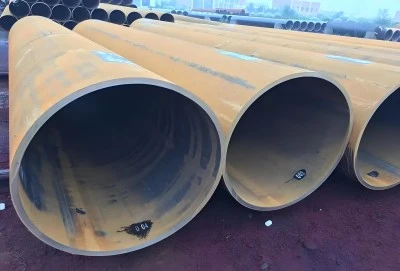
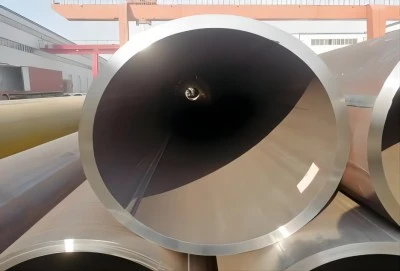
Understanding the Durability of Hollow Steel Tubes
Mechanical Properties Defining Structural Excellence
There are three important mechanical qualities that decide how long structural steel tubing will last. The greatest force a material can take before breaking is called its tensile strength. Grades S235, S275, and S355 have yield strengths of 235 MPa, 275 MPa, and 355 MPa, respectively. These standards have a direct relationship with the load-bearing ability in structural applications. This makes sure that the product will work reliably even in harsh circumstances.
When hollow steel tube is loaded and unloaded over and over again, like in bridge building and industrial machinery, fatigue resistance becomes very important. How long something works and how often it needs to be maintained depend on how well it can handle repeated stress cycles without cracking. Impact toughness is a measure of how well a material absorbs energy during rapid loads. This is very important for offshore sites that are subject to strong waves and earthquakes.
Manufacturing Process Impact on Performance Characteristics
When you use Electric Resistance Welding (ERW) to make something, you get regular wall thickness and exact dimensional standards that are needed for structural uses. This method makes the welding seams almost as strong as the base material, so the whole tube construction works the same way. ERW tubes have great fatigue resistance because the heat input during welding is managed. This keeps leftover stress concentrations to a minimum, which would weaken their long-term durability.
Through work hardening, cold-forming methods improve the qualities of materials by raising their yield strength while keeping their flexibility. This way of making things works especially well for structural open parts that need to be strong for their weight. After making, heat treatment steps improve the microstructure by balancing strength and stiffness to meet the needs of the application.
Real-World Performance Validation
Structure building projects in the Middle East and Australia show that steel tubing systems that are properly defined last a very long time. Major infrastructure projects that used open parts made of S355 grade have service lives that are longer than 50 years with little upkeep needed. The case studies show that the choice of materials and the quality of the making have a direct effect on the economics of a project by lowering the costs over its entire life.
Industrial uses in harsh settings show how important it is to choose the right grade to get the best longevity. Projects that will be exposed to harsh chemicals or big changes in temperature need to carefully think about the qualities of the materials to make sure they don't break down too soon and that the work is safe.
Corrosion Resistance of Hollow Steel Tubes: Materials and Treatments
Corrosion Mechanisms and Environmental ChallengesKnowing the different types of rust helps you choose the right materials for different working conditions. Atmospheric rust happens when oxygen and water react with steel surfaces, making iron oxides that weaken the structure over time. The presence of chloride ions speeds up this process in marine settings, so choosing the right material is very important for coastal uses.
Galvanic corrosion happens when two different metals touch each other in a liquid. This creates electrochemical cells that help the metal dissolve. Pitting corrosion makes attack points in tube walls that can go through them, which is especially dangerous in uses that need to keep air in. Stress rust cracking happens when mechanical stress and corrosive surroundings come together. This can lead to quick failure with no warning signs.
Material Grade Selection for Corrosion Resistance
The mechanical qualities of carbon steel types S235, S275, and S355 are very good, but they need to be treated to keep them from rusting. When used with the right surface protection methods, these materials offer low-cost options. Hot-dip galvanizing makes a strong metal link between the zinc coating and the steel base, which protects in two ways: as a shield and as a sacrifice.
The choice of surface treatment depends on how harsh the setting is and how long the product is supposed to last. For business use, these are the main types of safety systems that are available:
- Hot-dip galvanizing: safety for 25 to 50 years in most weather conditions thanks to zinc sacrificial action; perfect for structural uses that need little upkeep
- Powder coating systems are good at resisting chemicals and looking good, so they can be used in artistic settings and moderately corrosive environments.
- Three-layer polyethylene (3LPE): This type of plastic provides better protection for underground or underwater uses because it has an adhesion primer, a copolymer glue, and a polyethylene topcoat.
These security systems deal with certain problems in the environment while also reducing the amount of upkeep and long-term performance that is needed. To get the best project economics, the decision process needs to weigh the original investment against the benefits over the project's lifecycle.
Advanced Treatment Technologies
Fusion-bonded epoxy (FBE) coats stick well and don't react with chemicals, making them perfect for pipeline uses. While still being cost-effective for large-scale projects, this single-layer method works better in soil conditions. Two-part polypropylene (2PP) systems use adhesion boosters and polypropylene's high chemical protection to make a great combination.
Hollow Steel Tubes vs Other Steel Products: Durability and Corrosion Resistance Comparison
Structural Performance AdvantagesWhen you compare hollow steel tubing to solid steel bars, you can see that hollow steel tubing is much more efficient in terms of structure and material use. By spreading material away from the neutral axis, hollow parts have better strength-to-weight ratios. This makes them stronger against bends while also reducing their weight. For big projects, this physical advantage means that foundations don't have to be as strong and shipping costs are lower.
Both rust protection and coating prices are affected by the amount of surface area. When compared to solid parts of the same size, hollow steel tubes have less surface area per unit of structural capacity. This means that less covering material is needed and less time is needed to apply it. This benefit is especially useful for projects that need special protective coats or more than one layer of covering.
Cross-Sectional Shape Impact on Performance
Depending on the needs of the application, round, square, and rectangular empty parts all have their own benefits. Round parts have the same level of strength in all directions, which makes them perfect for uses with complicated loading circumstances. Square and rectangular shapes have flat sides that can be used for connection details and keep the material evenly distributed for one-way loading.
Choosing between different hollow section shapes affects both how well the structure works and how it needs to be built. When choosing the best shape for a job, you should think about how it will look, how it will distribute load, and how it will connect.
Cost-Benefit Analysis Considerations
When you compare the material efficiency of hollow steel tubes to other goods, you can see that they are much more cost-effective in most structural uses. The smaller amount of material needed for the same amount of strength means lower costs for raw materials and shipping. When compared to built-up parts, fabrication benefits include simpler joining details and less welding that needs to be done.
When thinking about long-term care, hollow sections are better because they have more surface area that can be reached and easier inspection processes. Being able to allow inspection and repair from the inside increases the service life while minimizing the impact on operations during regular maintenance tasks.
Procurement Considerations for Durable and Corrosion-Resistant Hollow Steel Tubes
Technical Specification Requirements
To make buying work well, you need detailed technical specs that include information about the types of materials, their sizes, and the quality standards that must be met. Grade certifications must match the needs of the job and area building codes to make sure safety standards are met. Wall thickness ranges from SCH10 to SCH160, which gives you the freedom to get the most out of your materials while still meeting structural needs.
Accurate measurements become very important for making things quickly and well and for the performance of structures. The outer width can be anywhere from 3" to 80", so it can be used in a variety of situations while still being easy to manufacture. To get the most out of the project's operations, the length requirements and end preparation needs must match up with the limitations of shipping and the installation process.
Supplier Qualification and Quality Assurance
When evaluating a supplier, you should look at their ability to make things, their quality control methods, and their approval compliance. ISO 9001 certification shows that quality management is organized, and API 5L certification makes sure that standards set by the oil business are met. Inspections of manufacturing facilities make sure that they can produce goods and that quality control is being used.
Material Test Certificates (MTC), Inspection and Test Plans (ITP), and Manufacturing Procedure Specifications (MPS) are some of the documents that must be submitted. For engineering uses, these papers are necessary for quality control and keeping track of things. Non-destructive testing methods, such as ultrasound screening and radiographic examination, make sure the stability of the product.
Lead Time and Inventory Management
Standard hollow steel tube supply affects how projects are scheduled and how much they cost. 50–150 tons of typical grades and sizes are kept in stock so that pressing needs can be met quickly. Lead times of 7 days or more for common specs help with planning the project, but longer delivery times may be needed for custom needs.
Minimum order numbers (MOQ) affect how you buy things and how you keep track of your supplies. Orders can be coordinated across multiple projects to get the best savings on shipping and keep inventory levels at an acceptable level.
Best Practices to Maximize Durability and Corrosion Resistance in Applications
Installation and Handling ProceduresThe right way to put something has a big effect on how well it works and how long it lasts. Handling methods must keep the protected system's structure by preventing damage to the coating during transport and installation. To keep the material's qualities and resistance to rust, welders have to pay close attention to the amount of heat they use and how they treat it after the welding process.
Protecting the environment during building stops pollution that could damage protective coatings. The way materials are stored needs to keep them safe from water and damage while also allowing them to be tracked throughout the building process.
Maintenance Protocols for Extended Service Life
With systematic testing programs, corrosion or mechanical damage can be found early on, before it causes a lot of harm. Protocols for visual inspection should look at the state of the coating, the strength of the joints, and changes in the surroundings. Cleaning on a regular basis gets rid of contaminants that could speed up the rusting process, especially in chemically-rich industrial settings.
When to maintain a coating depends on how harsh the climate is and which protective method is chosen. Touch-up methods for minor coating damage stop rust from starting, and major recoating programs take care of normal coating aging. Writing down what you do for repair gives you useful information about how things work for future jobs and warranty issues.
Innovation Integration and Future-Proofing
Keeping up with changes in material and finishing technology gives you a competitive edge by making your products work better and saving you money. Different types of advanced alloys can fight corrosion better in some situations, and new coating technologies can make things last longer and need less upkeep.
Performance tracking tools let repair choices be based on data and make the best use of resources. Condition assessment technologies, such as ultrasonic thickness measurement and coating inspection tools, help preventative maintenance plans that increase the worth of assets and their dependability.
Conclusion
How long hollow steel tubes last and how well they fight rust rely on the material chosen, the quality of the making, the protection treatments, and the needs of the application. To do a good job of buying, you need to know how mechanical qualities, exposure to the environment, and long-term performance standards are related. Procurement experts can get the best project results while lowering lifecycle costs and increasing operating efficiency in tough industrial settings by focusing on clear specifications, qualified suppliers, and the adoption of best practices.
Partner with Longma Group for Premium Hollow Steel Tube Solutions
Longma Group is a reliable company that has been making hollow steel tubes for industry markets around the world for more than 20 years. Our wide range of products includes grades S235, S275, and S355 with outside sizes from 3" to 80" and wall thicknesses from SCH10 to SCH160. We keep 50–150 tons of these grades in stock so we can send them quickly. We can give your projects the longevity and corrosion protection they need with our API 5L certification, ISO 9001 quality management systems, and advanced production skills. Email our knowledgeable staff at info@longma-group.com to talk about your unique needs and find out how our skills as a hollow steel tube supplier can help your next project succeed.
FAQ
①What steel grades offer the best corrosion resistance for marine applications?Even though S235, S275, and S355 grades have great mechanical qualities, marine settings need strong protective coating systems that don't just depend on the composition of the base material. When used with the right topcoats, hot-dip galvanizing gives coastal systems their best performance.
②How do shipping times change for different types and amounts of tubes?
Standard sizes with outside widths ranging from 3" to 80" and wall thicknesses from SCH10 to SCH160 usually ship within 7 days or less for orders of up to 150 tons. Depending on the manufacturing needs and current production plans, custom specifications may need more wait time.
③What kinds of licenses do I need for important building uses?
Some important approvals are ISO 9001 for quality control, API 5L for oil and gas uses, and material standards like ASTM A500 or EN10219. Material Test Certificates (MTC) and complete paperwork packages make sure that products can be tracked and that they meet regulations.
④How do different types of protective coatings stack up in terms of price and how well they work?
While hot-dip galvanizing is great for long-term use in the open air, special coats like 3LPE are better for protecting things that will be underground. To choose the best coating, a cost study should look at both the original costs of application and the long-term costs of maintenance.
⑤What checks are done to make sure the quality of the goods when they arrive?
A standard checkup checks the dimensions, looks at the state of the surface, and looks over the paperwork. Non-destructive testing methods, like ultrasound examination and visual covering inspection, make sure that the product is whole and meets the requirements.








