
When selecting structural hollow sections for load-bearing applications, the EN10219-1 S235JRH pipe represents a practical solution that balances mechanical performance with economic efficiency. This cold-formed welded structural component adheres rigorously to European standard EN 10219, delivering a minimum yield strength of 235 MPa while maintaining excellent weldability. Across industries spanning oil and gas transportation, water infrastructure, and offshore platform construction, this pipe grade has earned recognition for its dependability in diverse environmental conditions without imposing excessive material costs on project budgets.
|
|
|
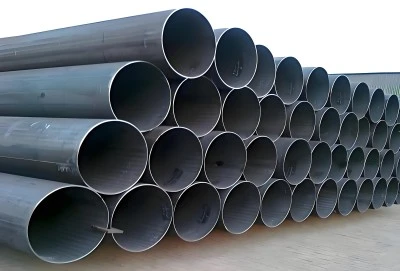
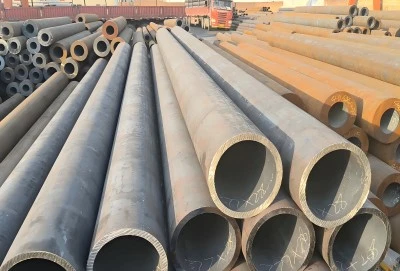
Understanding EN 10219-1 S235JRH Pipe: Standards, Properties, and Applications
Compliance Essentials and Certification Requirements
The EN10219-1 S235JRH pipe standard sets the limits for size, the steps for production, and the checks that must be done on cold-formed welded structural hollow parts. Manufacturers must keep their plant production control systems up to date and certified to EN 1090 standards in order to comply. This makes CE marking necessary for all permanent buildings in the European Economic Area. The certification paperwork has Material Test Certificates (MTC) that meet EN 10204 3.1 or 3.2 requirements, based on the needs of the project. Independent tests on these documents confirm the chemical composition, mechanical properties, and accuracy of the measurements.
Procurement managers should check both ISO 9001 quality management certifications and EN-specific approvals when looking at a supplier's qualifications. Longma Group has many certifications, such as API 5L, ISO 9001:2016, and FPC certificates, which make it possible to track products from the time they are made to the time they are delivered. This framework for paperwork keeps engineering workers and plant equipment managers safe from material non-conformance risks that can cause projects to take longer than planned and cost more than planned.
Chemical Composition and Mechanical Properties
The chemical makeup of S235JRH steel limits the amount of carbon to no more than 0.17%. This makes it easy to weld without the need for a lot of preheating. Manganese content usually falls between 0.70% and 1.40%, which makes the material stronger and tougher. To get the best formability during cold-forming operations, silicon and phosphorus are kept within very small ranges.
The structural function of a material is determined by its mechanical features. The minimum yield strength of 235 MPa makes sure that frames and support systems can reliably hold weight. Tensile strength is between 360 and 510 MPa, which is a good range for handling unexpected load situations. The JR impact grade needs a minimum of 27 joules of impact energy at +20°C to be suitable for normal work conditions found in warehouses, machinery supports, and building structures. Because of these qualities, the material can be cut, drilled, curved, and fabricated, which saves money on work costs during installation.
Typical Applications in Construction and Industrial Frameworks
EN10219-1 S235JRH pipes can be used in a lot of different situations. In civil engineering, these hollow sections are used to support the roofs of airport terminals, stadiums, and pedestrian bridge railings. They look good and are strong at the same time. The material is easy to finish with paint or powder coating, which meets the needs of architectural design.
In factories that make things, these pipes are used to hold conveyor systems, crane runway columns, and the bases of heavy machines. This material's ability to absorb vibrations makes it useful in places where loads change quickly. In renewable energy infrastructure, EN10219-1 S235JRH pipes are used in solar mounting systems and wind turbine access platforms. These pipes work best when they are protected by hot-dip galvanizing or protective coatings. These hollow sections are used for piperack supports and platform access structures in onshore facilities for oil and gas transportation projects. As structural supports for elevated tank structures and pump house frames, they are used in water supply systems.
Comparing EN 10219-1 S235JRH Pipe with Other Steel Grades and Pipe Types
S235JRH versus S275JRH and S355J2H Steel Grades
When choosing a material, it's important to make sure that the yield strength matches the structure load needs. The minimum yield strength for S235JRH is 235 MPa, for S275JRH it's 275 MPa, and for S355J2H it's 355 MPa. Higher strength grades allow smaller cross-sections of material to hold the same amount of weight, which could lead to less steel being used. But the cost per ton goes up as the grade strength goes up, and the process of making it may become more difficult because the forming pressures are higher.
S235JRH works great in situations where the design loads are well within its range of strengths. It saves money without sacrificing performance. The JR impact testing at +20°C is helpful for projects that will be used in normal circumstances. Impact tests on S355J2H are done at -20°C, which makes it a better choice for setups in cold climates or uses that need better toughness at low temperatures. Procurement managers shouldn't just look at the cost per ton of materials; they should also look at the overall project economics, which includes things like fabrication labor, welding supplies, and the project's performance over its entire life.
Cold-Formed versus Hot-Formed Manufacturing Methods
For the EN10219-1 S235JRH pipe, steel strip is formed at room temperature and then welded along its length. This is called cold-forming. This method makes exact tolerances in dimensions and smooth finishes on the surface that can be used in architecture. When cold forming is done, residual stresses are created that can be removed by heat treatment if needed. For hollow sections with wall thicknesses usually less than 16 millimeters, this process saves money.
For hot-formed hollow sections, steel billets are heated before they are shaped, which changes the composition and mechanical qualities. It is cheaper to use hot forming for bigger cross-sections and thicker walls than cold forming. With less leftover stress, the qualities of the material stay more the same across the cross-section. Choosing between methods relies on the size, quantity, and needs of the job. Structural engineers should look at the relevant design rules to make sure that the way of production chosen meets the standards for project approval.
Contrasting with Seamless and API 5L Pipes
When pipes are made by piercing and rolling, they don't have any longitudinal welds, so their properties are the same all the way around. This benefit is very important in high-pressure pipe systems where weld stability is an issue. While seamless production is more durable, it costs more to make and can't be used for larger sizes. Welded EN10219-1 S235JRH pipes are a cheap option for structural uses where internal pressure is not the main load condition.
API 5L pipes are used in oil and gas transmission pipelines, and their specifications stress keeping pressure inside and resistance to impact. Different grades, such as API 5L X52 or X65, are stronger than S235JRH and are made for different types of uses. It is much cheaper for procurement managers to choose EN 10219 hollow sections over API 5L line pipe when they are ordering piperack supports or structural frameworks. Premium grades should only be used for uses that really need their performance qualities. By knowing these differences, you can avoid over-specification, which drives up project costs without needing to be.
How EN 10219-1 S235JRH Pipes Are Manufactured and Tested?
Cold Forming and Welding Techniques
The process starts with steel sheet that comes from reliable mills like Shagang, HBIS, and Bao Steel. This makes sure that the chemical makeup stays the same. The coil is fed through a set of forming rolls, which gradually shape the flat strip into hollow sections that are round, square, or rectangular. Precise slitting processes make clean, consistent weld preparation geometry, which is what edge preparation is. High-frequency induction welding or submerged arc welding joins the sides in a controlled way, making fusion zones with qualities that are the same as or better than the base metal.
After being welded, the pipe goes through sizing rolls that make sure the final sizes are accurate within the limits set by EN 10219. Procedures for heat treatment reduce leftover loads in the weld zone, which makes the structure more uniform. Advanced heat treatment protocols are used in Longma Group's factories to improve mechanical properties while keeping production costs low. The process ends with cutting the pipes to the right lengths, facing the ends, and finishing the surface. These steps get the pipes ready for protective coatings or straight fitting.
Real-World Validation in Completed Projects
Data from finished sites showing how well they worked in the field backs up the results of lab tests. For the MOBIL OIL AUSTRALIA project, EN 10219 hollow pieces were used for piperack supports and equipment platforms. The material proved to be very durable when exposed to coastal elements. Hot-dip galvanizing protected against corrosion and kept the structure's integrity over many years of service. In Southeast Asian industrial plant projects, these pipes have been used to make conveyor supports and mezzanine structures that can handle mechanical impact and vibration.
In the Middle East, S235JRH hollow sections were used for pedestrian bridge railings and architectural features. These sections met the structural load requirements and met the aesthetic design intent. These pipes have been used in offshore platform building for topsides access structures, where hollow parts are lighter than solid bars because they are less dense. These project validations give procurement managers more trust when they are looking at a supplier's skills. They show that EN10219-1 S235JRH pipes that are properly made and tested will work well for a long time in tough situations. Getting names from sellers and doing research on finished projects are two ways to lower procurement risk.
Conclusion
To choose the right building materials, you need to carefully look at their mechanical features, the quality of the manufacturing, and how reliable the seller is. The EN10219-1 S235JRH pipe works well in real-world situations like building frameworks, industrial plants, and infrastructure projects that need to be cost-effective while still being strong. When buying workers know how this material compares to different grades and pipe types, they can make better specifications instead of using over-engineered solutions. When you buy from certified sellers, the quality will always be the same because of strict rules for making and testing. When engineering contractors and procurement managers work with experienced manufacturers like Longma Group, who offer both production capacity and a wide range of support services, they can make sure that materials arrive on time, meet specifications, and help the project be completed successfully.
FAQ
What makes EN 10219-1 S235JRH pipes particularly suited for structural projects?
Because these pipes have a good yield strength (at least 235 MPa), can be easily welded because they have a low carbon content, and can be shaped well, they can be used in a wide range of structural situations without breaking the bank. The JR impact grade testing at room temperature proves that it works well in normal working conditions that are common in building sites. Because it is cheaper than higher types like S355J2H, S235JRH is a good choice for jobs where the design loads don't need high levels of strength. The cold-forming process makes sure that the dimensions are exact and that the surfaces are smooth enough for architectural visibility.
How can buyers verify pipe quality and authenticity?
Ask for Material Test Certificates that meet the requirements of EN 10204 3.1 or 3.2. These show that chemical analysis and mechanical testing were done by separate labs and provide proof of the results. Check that the heat numbers or lot numbers on the papers match the marks on the pipes. Check the supplier's ISO 9001 and EN 1090 approvals and other certifications. Do watch testing while the product is being made, or have a third party check the factory. As soon as the item is delivered, it should be inspected to make sure that it meets EN 10219 standards for measurement accuracy, surface finish, and weld quality. Reliable suppliers provide full traceability paperwork that connects the sources of raw materials to finished goods.
What procedures apply when ordering custom sizes and typical lead times?
When you make a question, be sure to include specific measurements like the outside diameter or section shape, wall thickness, and cut lengths. Give the amount you need and when you need it by. Suppliers check to see if current tools can meet the needs or if special roll sets need to be made, which adds time to the wait time. Standard sizes that are still being made usually ship 4 to 6 weeks after an order is confirmed. Custom configurations may take 8 to 12 weeks, depending on how long it takes to make the tools and how busy the production line is. Because of the cost of setting up the product, custom size minimum order numbers are often higher than normal product minimums. When you're negotiating, be clear about what acceptance testing and documentation are needed to avoid misunderstandings that cause shipping to be held up. Planning for procurement early in the project schedule protects against delays that might happen.
Partner with Longma Group for Reliable EN10219-1 S235JRH Pipe Supply
Longma Group is ready to be your reliable EN10219-1 S235JRH pipe maker and provider. We can provide you with structural hollow sections that meet the strictest international standards. Our low prices come from the fact that we can produce more than a million tons of goods every year efficiently, while keeping quality high with ISO-certified processes and strict testing protocols. Custom fabrication services, such as cutting, drilling, and protective coatings, are available based on the needs of your project. We make it easier for engineering workers and plant equipment managers to buy things by giving them full paperwork packages and reliable delivery schedules for customers in 90 countries. Email our team at info@longma-group.com to get specific quotes, talk about your technical needs, or set up a factory visit. We can help you with your next steel structure project by giving you materials you can count on.