
In order to make epoxy coated steel gas pipes and black steel gas pipes, carbon steel is used. However, when water, soil, or salt reach the surface, they behave very differently. This is because black steel's dark mill finish is the only protection it has. Being dry inside or having extra protection is what makes the difference. Steel is kept from coming into contact with the environment by a barrier that is bonded to an epoxy coated steel gas pipe. This makes it less likely that corrosion from the outside will happen in buried or wet service. It's not just about price, I think. You should also look at the environment, the code, and the documentation. Figure out which is better by reading this guide before you place your order.
|
|
|
Epoxy Coated Steel Gas Pipe vs Black Steel: Basic Differences
Carbon steel can be used to make both of them. The surface and how long it lasts are what set them apart.
Construction and Material Composition
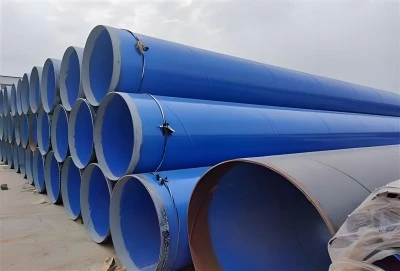
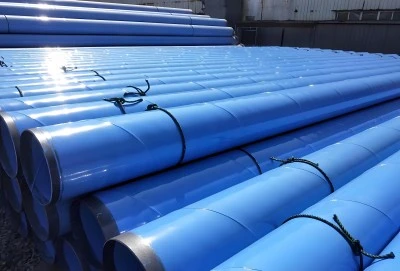
Iron oxide mill scale that looks like dark iron is what makes black steel pipe black. ASTM A53 goes over both hot-dipped zinc-coated pipe and black pipe. Black pipe is just the one that isn't coated. Basis materials for an epoxy coated steel gas pipe are similar ones, like API 5L grades B through X80. After that, a layer of epoxy that has been heated and hardened is put on top of it. Most of the time, this is fusion-bonded epoxy (FBE). When the epoxy is put on steel that has been blast cleaned, it sticks to a pattern of about 40 to 100 microns thick. Even with the coating, it's still important to have the right grade, wall thickness, and pressure rating. The steel that the engineer chose is kept safe.
Surface Protection and Corrosion Resistance
Corrosion needs steel, air, and water to happen. Epoxy is in the way of that contact. FBE can handle acids, bases, and salts in the soil, and its high dielectric strength keeps corrosion currents in check. A cathodic disbondment test based on ASTM G8 or CSA Z245.20 measures how far the coating peels away from a flaw that was made on purpose. Rust starts to form as soon as water touches black steel because it doesn't have any of these traits. 49 CFR Part 192 in the US says that buried steel gas pipelines need to have both cathodic protection and a protective coating on the outside. That rule tells you why you should cover the ground. It's also important for coatings to stay together, since a weak spot can form where one spot is missed.
Appearance, Maintenance, and Service Life
Black steel looks dark and dull, so crews often paint it after they put it in place. Epoxy-coated pipe can have a uniform factory finish checked by inspectors before it is buried. Maintenance is also not the same. If the building is dry, black steel might only need to be checked once in a while. That being said, black steel that is buried needs extra care. How long something works depends on how well it was coated, how the surface was prepared, how it was installed, and how well it is protected against cathodic damage. With cathodic protection, the pipe can last more than 50 years underground if it is put in place and made correctly. But I never say what number I will give you before I know more about the project. UV light can also make FBE chalk, so if you leave it outside for more than six months, you will need tarps or a topcoat that doesn't fade in UV light.
Performance Comparison for Different Gas-Pipe Applications
Based on where the pipe goes, either choice makes sense. Following are the three most common ways that each one works.
Indoor Natural Gas Distribution
Inside, where it's dry and easy to reach, black steel gas pipe is still often used. Many fuel gas codes allow steel pipes to be used on the inside. Most people choose ASTM A53 black pipe. There is still hope for corrosion that is caused by things like water, chemicals, condensation, or being hidden. An epoxy coating can help. The extra cost might not be worth it if the building is clean and well taken care of. I also think access is important. The black steel that is visible can be painted, but the part that is hidden is hard to get to. There are rules about what kinds of materials and joints an inspector will accept in each area, so people who want to buy something should always check those first.
Outdoor and Above-Ground Gas Piping
The sun, rain, humidity, and changes in temperature can damage pipes that are outside. If no one paints it and takes care of it, the bare black steel will rust very quickly. Epoxy-coated pipe keeps out the weather, but FBE is mostly made for use in the ground or water. Over time, direct sunlight turns FBE into chalk. Because of this, runs that are outside in bad weather usually need a topcoat that can handle it, such as polyurethane. Standard FBE formulations can work in temperatures ranging from -30°C to 80°C. This covers a lot of climates but not all process lines. Adding salt spray to coastal areas makes a continuous coating more valuable. Look at the difference between the coating rating and the working temperature before you sign off on the specification.
Underground Gas Distribution
There is a big hole in the subway service. Groundwater, wet soil, and stray currents from power lines nearby can all damage bare steel. The epoxy coating and the cathodic protection work together to make two layers of defense. Horizontal directional drilling is used to pull pipe through holes in rocks. FBE is helpful because it doesn't wear down quickly. When the ground is very rough, 3LPE adds an extra layer of polyethylene to the outside to protect it from damage. On the other hand, FBE is often picked because it is less expensive and can handle high temperatures. When black steel is buried without being coated or kept safe from cathodes, U.S. pipeline safety rules are not met. It's also important that the backfill is good, since sharp rocks can scratch any surface.
Technical Specifications Buyers Should Compare
The quote only means something if the specs match. I look at these first.
Pipe Grade, Diameter, Wall Thickness, and Pressure Rating
Start with the metal. Our epoxy coated steel gas pipe meets all of these standards: API 5L, ASTM A53, EN 10210, and AS/NZS 1163. ODs range from 60.3 mm to 1,422 mm, and wall thicknesses from 6.02 mm to 50.8 mm. Longma Group makes ERW and LSAW pipe as part of the API 5L range. They make grades B to X80 for PSL1 and PSL2. How much pressure the pipe can handle is not based on the coating, but on the grade, diameter, and wall thickness. Give the quoter the right wall by telling them the height, gas type, and location class of the wall. Write down the length, any tolerances, and how the ends will be prepared.
Epoxy Coating Type and Coating Thickness
From those words alone, it's not clear what "epoxy coated" means. Describe how the coating works. Most of the time, the FBE is between 300 and 500 microns (12 and 20 mils) thick, depending on how rough the soil is. The coatings on this item meet the requirements set out in DIN 30670, DIN 30678, CSA Z245.20, EN 10339, ISO 21809-1, AWWA C210, and C213. What kind is it? Does the coating go on the inside, the outside, or both? What tests are coming up next? If the roughness is less than 0.01 mm, epoxy can also smooth it out. This can boost gas flow by up to 10% and lower the compressor's energy costs. Longma Group can also do 2PP, 3LPE, 3PE, and hot-dip galvanizing in case a project needs a different method.
Standards, Testing, and Documents
Rules and paperwork can help you show what you bought. An ASTM D4541 pull-off adhesion test, an ASTM G8 or CSA Z245.20 cathodic disbondment test, and an ASTM G14 impact test are some of the ways that coated pipe is checked for quality. You should ask for an inspection and test plan (ITP), a material test certificate (MTC), and a manufacturing procedure specification (MPS). It is certified by API 5L, ISO 9001, 14001, and 18001, and these papers come from Longma Group. We get our steel from mills like Bao Steel, TISCO, HBIS, and Shougang. From the time it is cut to the time it is shipped, we keep track of each pipe. But a certificate does not mean that a whole gas system is okay. The person or group with power does.
Installation, Welding, and Coating Repair Considerations
Once the pipe leaves the plant, it often starts to fail when it is being moved, welded, or fixed.
Handling, Storage, and Installation
Holidays are little empty spots that are made by scratches and bumps that happen when things are moved, stacked, or shipped. Do not use forks or chains that are not attached to anything. Do not use spacers or nylon straps; instead, use padded slings. To keep the pipes safe for ocean freight, stack them on wooden supports and use end caps and separators. If you leave pipes outside for more than six months, cover them to keep UV chalk from building up. When you lay, make sure you have the right supports, alignment, and space between the layers. Also, let inspectors look at every joint before you backfill. If you have a trench with rocks, you should either pad it with sand or use backfill. When you get to the pipe, write down what it looks like. An easy yard check can keep you from having to pay a lot for repairs.
Welding and Heat-Affected Areas
In order to weld, the steel must be bare, so the factory coating was cut off of both ends of the pipe. The project specification lists the cutback length and the right way to weld so that the heat from the weld doesn't damage the coating nearby. After the joint has been welded and checked, it needs to be coated again. Glue kits or sleeves that can be shrunk with heat stick to the factory epoxy and make a barrier that is again continuous. Make sure that the field material works with the plant coating during the review of the coating before it is shipped. In this case, the ends of the pipes are also important. As part of their work, Longma Group welds and finishes the ends of parts so they can fit together.
Field Coating Repair and Holiday Testing
Even if the crews are very careful, repairs should still be planned for. To check the whole length of the pipe, use a holiday detector that is set to the right voltage. Things with holes can be found by electricity tests that you can't see with your own eyes. Write down all the flaws, fix them with epoxy or something else that will work, and then test it again. Note where each bug is, how big it is, how it was fixed, and the answer to the test. A lot of owners need to see this record before they let the service or backfilling start. The log is like a quality file for the pipe. An inspector can't show that a repair was up to par without it.
Cost, Procurement, and Supplier Evaluation
Price is important, but not before the specs are right.
Epoxy Coated Steel Gas Pipe Price per Meter
Price per meter varies on diameter, wall thickness, length, coating type, coating thickness, testing, certification, packing, freight and order quantity. Two bids that seem comparable may not include the same coating thickness or third-party inspection. You can acquire black steel more cheaply because it doesn't have to be coated. But buried black steel provides a coating that helps prevent corrosion and a higher likelihood that must be replaced. Not only the high price but the cost of installing and maintaining it over time. Ask for a technical quote in addition to the business quote. Then you may compare line by line to see how the grade, coating, tests & delivery terms compare.
Wholesale and Bulk-Order Considerations
For large projects, batches need to be consistent. Since 2003 Longma Group has been manufacturing steel pipes. By the end of 2023 we are going to be producing more than a million tons of them every year. We’ve worked with clients in over 90 countries, so when we create something, we plan for big orders. Discuss lead times, how the pipe will be placed into containers or on ships, batch consistency and how the coating will protect it during maritime freight when buying in bulk. Get to know the Incoterms and delivery windows straight now. The reason is that bare and coated pipe may not come on at the same time. If you obtain the mill and the coater from the same location you don't have to make them operate together so much.
How to Evaluate a Supplier and Build Your RFQ?
If you're looking for a provider you can trust, search for proof, not just promises. Ask for examples of test findings, see the factory, get quality certificates and the names of persons who have worked on similar export projects before. Then send a complete RFQ. The type of gas. The environment. The outside diameter. The wall thickness. The grade. The amount. The design pressure. The coating standard and thickness. Inside or outside coating. The end preparation. The fittings. The tests. The paperwork. The destination. The date of delivery. Write it all down. With a comprehensive RFQ, everyone can bid on the same item and you see what makes them distinct. They don't check to see whether it's ok in their location. They write "epoxy coated" without telling you how thick it is or what tests are needed.
Conclusion
Both epoxy coated steel gas pipe and black steel gas pipe are made from carbon steel, but the coating makes them work differently in the field. Black steel can be used for dry, easy-to-reach indoor runs if the laws in your area allow it. It is better for a bonded epoxy layer to keep out water, soil, salts, and stray currents. Because of this, it works well in buried and wet service, usually with cathodic protection. To get real results, you need to know what kind of coating you use, how thick it is, how well you prepare the surface, test it, and then fix it in the field. There is no set number for the service life; it depends on where it was installed and how it was used. People who want to get quotes can compare them fairly if they know about standards, documents, pipe grade, and wall thickness. The total cost over the whole life of the product should be more than the price per meter.
FAQ
Is epoxy coated steel gas pipe better than black steel pipe?
Yes, because the coating keeps the metal from rusting, it can be used in the ground, in wet places, or near the coast. If the lines inside are dry and easy to reach, black steel might be cheaper and still meet the rules.
Can epoxy coated steel gas pipe be used underground?
Yes. Buried service is what it's meant to do, and it's usually used with cathodic protection.
What coating thickness is required?
FBE ranges from 300 to 500 microns, but it depends on the soil. The end value is set by the specifics of your project.
Can it be welded?
Yes. The coating was cut back at the ends, and then the field joint was coated again with a compatible sleeve or liquid epoxy.
How long does it last?
It can last more than 50 years underground if it is made, put in place, and cathode protected correctly. It is different for each project.
What documents should I request?
This is what you should ask for: MTCs, ITPs, MPSs, test data, and inspection reports for the coating.
How can I compare prices?
First, match the grade, wall thickness, coating standard, wall thickness, tests, packaging, and Incoterms.
Request an Epoxy Coated Steel Gas Pipe Quote from Longma Group
Longma Group provides epoxy coated steel gas pipe in diameters from 60.3 mm to 1,422 mm along with MTC, ITP, and MPS documents for engineering teams. If you need an epoxy coated steel gas pipe supplier, please let us know the type of gas, the size, the pressure, the amount, the coating standard, and where the pipe is going. We can then match the pipe, the coating, and the paperwork. You can email info@longma-group.com or visit longma-group.com to get more information and a quote that works for your project.