
When choosing protective coatings for industrial pipes, the decision between FBE coated steel pipe and HDPE-coated pipe has a big effect on how well the project works, how long it lasts, and how much it costs. FBE (Fusion Bonded Epoxy) coating is better for high-pressure applications because it sticks better and is more resistant to chemicals. HDPE, on the other hand, is more flexible and can handle impacts better. Engineers and procurement managers can make better choices about what to buy depending on the needs of a certain project, the environment, and the needs of the operation if they know about various coating technologies.
|
|
|
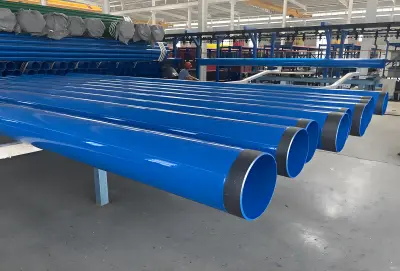
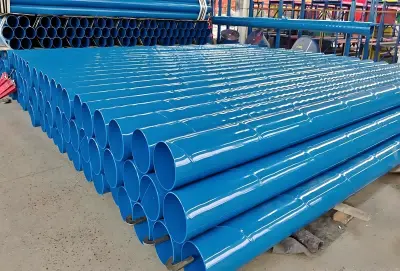
Understanding FBE Coating Technology
Fusion Bonded Epoxy is one of the most sophisticated ways to protect steel pipes from corrosion that is available today. This protective coating method uses an electrostatic spray procedure to impart an epoxy resin coating to steel surfaces that have already been heated. According to ASTM D4541 testing standards, the technique provides an amazing connection between the coating and substrate, with adhesion strength values of 15 MPa.
To apply the coating, the surface must be prepared very well, usually to Sa 2.5 cleanliness levels according to ISO 8501-1 standards. Before going into heating chambers where temperatures can reach 200–250°C, steel pipes are shot blasted to get rid of mill scale, rust, and other impurities. When the powdered epoxy comes into touch with the heated surface, it melts and forms a smooth protective coating.
Three key advantages of FBE technology:
- Superior chemical resistance - withstands exposure to acids, alkalis, and hydrocarbons
- Excellent thermal performance - operates effectively at temperatures up to 120°C
- Outstanding adhesion properties - creates molecular bonds with steel substrates
Testing data from industry studies shows FBE coated steel pipe demonstrates cathodic disbondment resistance below 5mm radius after 28-day exposure at 65°C, significantly outperforming many alternative coating systems.
If you need anti-corrosion coating for high-temperature oil and gas pipelines, FBE technology offers proven reliability and performance.
HDPE Coating Characteristics and Applications
High-Density Polyethylene coating has certain clear benefits for some pipeline uses, especially those that need to be flexible and resistant to impact. This thermoplastic material is great at keeping moisture out and stays strong across a wide variety of temperatures.
To apply HDPE coating, you extrude molten polyethylene directly over steel surfaces that have been prepared. To make sure that the materials bind correctly without losing their qualities, the procedure needs to be done at the right temperature. Depending on the needs of the application and the conditions in which it will be used, the coating thickness usually ranges from 2.0 to 6.0 mm.
Key characteristics of HDPE coating include:
- Exceptional flexibility - accommodates pipeline movement without cracking
- Outstanding impact resistance - withstands mechanical damage during installation
- Excellent moisture barrier - prevents water penetration and subsequent corrosion
Laboratory testing demonstrates HDPE coatings achieve tensile strength values of 20-30 MPa with elongation at break exceeding 500%. These properties make HDPE particularly suitable for underground pipelines subject to soil movement and external mechanical stresses.
If you need pipeline protection in areas with significant ground movement or potential impact damage, HDPE coating provides superior mechanical protection compared to rigid coating systems.
Performance Comparison: Critical Differences
Understanding the fundamental differences between FBE coated steel pipe and HDPE coating performance helps buyers make appropriate selections for specific applications. Each technology excels in different operational environments and service conditions.
Temperature resistance comparison:
- FBE coating: Continuous service up to 120°C, intermittent exposure to 150°C
- HDPE coating: Continuous service up to 80°C, limited high-temperature capability
Chemical resistance evaluation:
- FBE coating: Excellent resistance to petroleum products, acids, and solvents
- HDPE coating: Good resistance to most chemicals, limited aromatic hydrocarbon resistance
Mechanical properties analysis:
- FBE coating: High hardness (Shore D 85-90), excellent abrasion resistance
- HDPE coating: Lower hardness (Shore D 60-70), superior impact resistance
Testing conducted per ASTM G8 standards shows FBE coatings maintain protective properties after 2000 hours of salt spray exposure, while HDPE demonstrates superior performance in cyclic stress testing according to ASTM D2990 protocols.
Coating adhesion testing reveals significant differences in bonding mechanisms. FBE achieves chemical adhesion through molecular bonding, while HDPE relies primarily on mechanical adhesion and thermal fusion bonding.
If you need chemical resistance for aggressive media transport, FBE coating provides superior long-term protection and reliability.
Cost Analysis and Economic Considerations
Economic factors play crucial roles in coating selection decisions, encompassing initial material costs, application expenses, and long-term maintenance requirements. Both coating systems present distinct cost profiles that vary based on project scale, geographic location, and operational parameters.
Initial cost comparison shows:
- Material costs - FBE powder typically costs 15-25% more than HDPE resin
- Application costs - FBE requires specialized heating equipment, increasing setup expenses
- Quality control costs - Both systems require comprehensive testing and inspection protocols
Labor requirements differ significantly between coating applications. FBE coating demands skilled technicians familiar with electrostatic spray equipment and powder handling procedures. HDPE application requires expertise in extrusion processes and temperature control systems.
Lifecycle cost analysis reveals:
- FBE coating: Higher initial investment, lower maintenance costs over 30-year service life
- HDPE coating: Moderate initial costs, potential replacement requirements in aggressive environments
Regional availability affects procurement costs substantially. FBE coating materials and application equipment maintain global availability, while HDPE coating services may require specialized contractors in certain geographic areas.
If you need cost-effective protection for water pipeline protection with moderate service conditions, HDPE coating often provides optimal economic value.
Application-Specific Selection Guidelines
Selecting appropriate coating technology requires careful evaluation of specific application requirements, environmental conditions, and operational parameters. Different industries and geographic regions present unique challenges that influence optimal coating selection.
Oil and gas pipeline applications:
- High-pressure transmission lines: FBE coating preferred for superior chemical resistance
- Distribution networks: Both coatings suitable, selection based on local conditions
- Offshore platforms: FBE coating recommended for saltwater exposure resistance
Water infrastructure projects:
- Potable water systems: Both coatings approved for drinking water applications
- Wastewater transport: FBE coating provides better protection against aggressive chemicals
- Irrigation networks: HDPE coating offers flexibility advantages for agricultural applications
Geographic considerations include:
- Middle Eastern environments - FBE coating excels in high-temperature, arid conditions
- Australian coastal regions - Both coatings suitable, selection based on specific exposure
- Southeast Asian installations - Humidity and chemical exposure favor FBE technology
Testing data from Mobil Oil Australia projects demonstrates FBE coated pipelines achieving 25+ year service life with minimal maintenance requirements in harsh coastal environments.
More and more, environmental rules affect choices on which coatings to use. To safeguard the environment and keep operations safe, many places mandate oil and gas pipelines to meet certain coating performance criteria.
FBE technology is a good choice if you need pipeline coating that can handle tough environmental conditions and last a long time. It has been tested and meets all regulations.
Longma Group's FBE Coated Steel Pipe Advantages
Longma Group makes great FBE coated steel pipes that can handle the tough needs of infrastructure projects across the world. Our full range of production capabilities and quality control procedures make sure that our products always work and are reliable.
Manufacturing excellence highlights:
- Advanced automated FBE coating lines with precise temperature control systems
- Comprehensive surface preparation facilities achieving Sa 2.5 cleanliness standards consistently
- State-of-the-art quality control laboratories performing adhesion, thickness, and porosity testing
- Annual production capacity exceeding 1,000,000 tons with flexible order fulfillment capabilities
- Certified compliance with international standards including ISO 21809-1, DIN 30670, and AWWA C213
Quality assurance advantages:
- Raw material sourcing from premium domestic steel mills including Shagang, Shangang, and TISCO
- Complete traceability systems tracking products from raw materials through final delivery
- Comprehensive documentation packages including ITP, MPS, and MTC certificates
- Advanced inspection equipment detecting coating defects and ensuring uniform thickness distribution
- Heat treatment procedures optimizing coating adhesion and performance characteristics
Technical capabilities include:
- Outer diameter range from 60.3mm to 1422mm accommodating diverse project requirements
- Wall thickness specifications from 6.02mm to 50.8mm for various pressure ratings
- Multiple pipe standards including API 5L, ASTM A53, EN10210, and AS/NZS 1163 compliance
- Custom coating thickness options tailored to specific environmental and operational conditions
- Specialized end treatments and fabrication services including welding, expanding, and perforating
Global reach benefits:
- Proven project experience across 90+ countries with successful installations
- Regional technical support teams providing application guidance and problem-solving expertise
- Flexible logistics solutions accommodating urgent delivery requirements and complex shipping arrangements
- Comprehensive after-sales support including technical consultation and performance monitoring services
- Strategic partnerships with international engineering contractors and procurement organizations
Innovation and development:
- Continuous research and development programs advancing coating technology and application techniques
- Collaboration with leading material suppliers developing enhanced epoxy formulations
- Environmental compliance initiatives supporting sustainable manufacturing practices and waste reduction
- Digital quality control systems enabling real-time monitoring and process optimization
- Technical training programs ensuring skilled workforce and consistent product quality
Customer service excellence:
- Dedicated project management teams coordinating complex multi-phase deliveries
- Custom packaging and marking services meeting specific project identification requirements
- Technical consultation services assisting with coating selection and specification development
- Rapid quotation responses supporting urgent procurement timelines and budget planning
- Long-term partnership approaches building lasting relationships with engineering organizations
Longma Group's commitment to excellence ensures pipeline durability and performance across the most challenging applications and environments worldwide.
Expert Recommendations for Buyers
Making informed coating selection decisions requires systematic evaluation of project requirements, environmental conditions, and long-term performance expectations. Industry experience provides valuable insights into optimal coating selection strategies.
Evaluation criteria prioritization:
- Service environment analysis - temperature, chemical exposure, mechanical stress factors
- Performance requirements - expected service life, maintenance accessibility, regulatory compliance
- Economic considerations - total cost of ownership, budget constraints, financing availability
Decision matrix approach:
- High-temperature applications (>80°C): FBE coating strongly recommended
- Chemical exposure environments: FBE coating provides superior protection
- Mechanical stress conditions: HDPE coating offers flexibility advantages
- Cost-sensitive projects: Detailed lifecycle analysis required for optimal selection
Regional expertise significantly influences coating selection success. Middle Eastern projects typically favor FBE coating due to extreme temperature conditions and aggressive environments. Southeast Asian applications often require enhanced chemical resistance provided by Fusion Bonded Epoxy technology.
Best practice recommendations:
- Engage coating specialists during project planning phases
- Conduct pilot testing for critical or unique applications
- Evaluate contractor qualifications and certification status
- Implement comprehensive quality control protocols throughout application processes
If you need reliable industrial coating solutions with proven performance in demanding applications, FBE technology provides the optimal combination of protection, durability, and long-term value.
Choose Longma Group for Superior FBE Coated Steel Pipe Solutions
Longma Group stands as your trusted FBE coated steel pipe manufacturer, delivering premium protective coating solutions that exceed industry standards and customer expectations. Our two decades of manufacturing excellence, combined with advanced production facilities and comprehensive quality systems, ensure reliable performance for your most critical pipeline projects. Contact our technical specialists at info@longma-group.com to discuss your specific requirements and discover how our FBE coated steel pipe solutions can enhance your project success and operational reliability.
Conclusion
The choice between FBE and HDPE coated pipes depends on specific application requirements, environmental conditions, and performance expectations. FBE coating excels in high-temperature, chemically aggressive environments with superior adhesion strength and thermal resistance coating properties. HDPE coating provides excellent mechanical protection and flexibility for applications subject to ground movement and impact damage. Successful coating selection requires comprehensive evaluation of service conditions, lifecycle costs, and regulatory requirements. Longma Group's advanced FBE coated steel pipe solutions offer proven performance and reliability for demanding global infrastructure projects.