
China's hollow steel tube market offers comprehensive sizing options ranging from 3-inch to 80-inch outer diameters with thickness variations from SCH10 to SCH160, adhering to both domestic GB/T standards and international specifications like ASTM and EN. Chinese manufacturers produce these structural tubes in grades S235, S275, and S355, serving global infrastructure projects with competitive pricing and reliable quality control systems that meet international certification requirements.
|
|
|
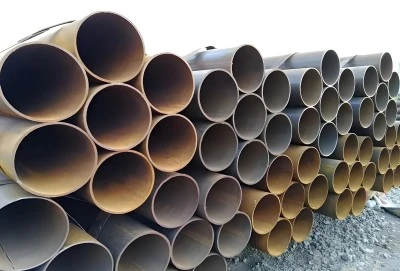
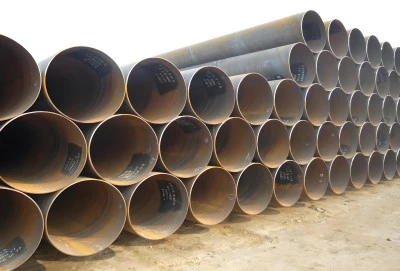
Understanding Hollow Steel Tube Sizes and Specifications in China
Chinese makers have set strong size standards for structural steel tubes that are in line with buying needs around the world. Most of the products on the market have an outer width between 3 inches and 80 inches, so they can be used for a wide range of projects, such as oil and gas transportation, water supply systems, and building floating platforms.
Standard Dimensional Classifications and International Alignment
The Schedule system (SCH10 through SCH160) tells engineers exactly how much material they need for load-bearing uses. Wall thickness standards follow this system. Chinese makers make sure that their production lines are calibrated to match the dimensional tolerances set by ASTM A500 and EN10219. This makes sure that they can easily fit into foreign project requirements. This stability in dimensions gives procurement managers the confidence to safely find parts for global infrastructure projects.
Chinese suppliers use methods for converting between metric and imperial units that make it easier for American and European tech teams to talk to each other. Specifications for lengths usually run from 6 meters to 12 meters, but unique lengths can be made for specific uses that need specific measurements.
Material Grade Classifications and Performance Characteristics
Chinese hollow steel tubes are made from three main grades: S235, S275, and S355. Each grade is designed to meet specific performance standards for structures. The S235 grade has a yield strength of 235 MPa, which is good for normal building uses. The S275 grade has a higher strength of 275 MPa, which is better for medium-stress environments. At 355 MPa yield strength, the S355 grade performs better than other grades and is perfect for high-stress situations in offshore bases and large industrial buildings.
These types of materials meet EN10219 standards and are also compatible with ASTM A500 Grade B standards. This means they can be used in a wide range of foreign projects. Chemical composition control makes sure that the mechanical traits stay the same across all production batches. This helps structure engineers make accurate calculations about how well the building will hold up.
Certification Requirements and Quality Assurance
Chinese makers follow a lot of different approval rules, such as ISO 9001 quality management systems and API 5L compliance for pipeline uses. SGS, BV, and TÜV offer third-party inspection services that check the accuracy of measurements and the qualities of materials in a way that is consistent with international purchasing standards.
Manufacturing tracking systems keep track of where raw materials come from and where they end up as finished goods. This lets full paperwork packages like Material Test Certificates (MTC) and Inspection Test Plans (ITP) be made. This way of documenting helps engineering companies meet their quality assurance needs and makes it easier for foreign shipments to get through customs.
Types of Hollow Steel Tubes and Their Applications
Chinese companies make a wide range of hollow steel tube shapes that are used in different industries. Round, square, oblong, and other special shapes all have their own benefits when it comes to meeting the building needs of global infrastructure projects.
Round Hollow Sections for Infrastructure Applications
Round hollow structure parts are very popular in China because they have a high strength-to-weight ratio and evenly distribute stress. When torsional strength is needed, these tubes work great. This makes them perfect for pipeline systems, offshore platform legs, and bridge building parts. The circular shape makes the best use of the material and makes it easier to create connections for welded parts.
The flow characteristics and pressure resistance of round pieces make them very valuable to pipeline builders. The even spread of stress gets rid of the weak spots that are common in angular shapes. This lets oil and gas transportation systems handle higher working pressures. The company can make everything from small-diameter sensor tubing to transmission pipes with diameters bigger than 60 inches.
Square and Rectangular Profiles for Structural Framework
Compression members in building frames and industrial structures can resist bending very well when they are made of square or rectangular hollow parts. While increasing moment of inertia for bending uses, the flat sides make it easy to connect the parts. Chinese makers make a wide range of sizes that can be used in both architecture and heavy industry.
Standardized links make these shapes especially useful in modular building systems, where they speed up the assembly process. The physical steadiness makes it easier to move and store things, and it also helps with efficient manufacturing processes. When one-way loading is the norm, like in building beams and crane frames, rectangular parts make the best use of material.
Specialty Profiles and Custom Manufacturing Capabilities
Chinese makers can make custom hollow parts in a variety of shapes and sizes, such as elliptical, triangular, and multi-bore shapes. These custom profiles are used for specific tasks in the making of cars, military parts, and one-of-a-kind building elements that need certain geometric qualities.
The custom manufacturing method lets engineers make the best use of materials for certain loads while also meeting standards for good looks in obvious structural uses. Depending on how complicated the profile is and how many are needed, production lead times for custom profiles are usually between 15 and 30 days.
Hollow Steel Tube Manufacturing Process and Quality Control in China
Chinese manufacturers of hollow steel tubes use both seamless and bonded methods, with each method working best for a certain range of sizes and uses. Knowing about these ways of making things helps procurement workers make smart buying choices based on cost and performance needs.
Seamless vs. Welded Production Technologies
When the width is less than 24 inches, seamless production is most common. This method uses rotating piercing and pilgering to get rid of weld gaps. This way of making things gives walls the same thickness all the way through and better pressure resistance, which makes seamless tubes perfect for use in oil and gas systems where high pressure is needed. Since there are no longitudinal welds, there are no possible weak spots, which is very important in pressure tank uses.
Submerged arc welding (SAW) and electric resistance welding (ERW) are two technologies that are used for welded output that work well for bigger diameter needs. Modern welding systems use controlled heat input and post-weld heat treatment methods to make weld powers that match the qualities of the source material. As part of quality control procedures, all weld gaps are tested with ultrasound to make sure they are structurally sound along the whole length of the tube.
Raw Material Sourcing and Quality Control
Leading Chinese hollow steel tube suppliers get their steel coil from approved Chinese mills like Baosteel, Shougang, and HBIS. This makes sure that the chemical makeup and mechanical qualities are always the same. Specifications for raw materials include thorough records of chemical analysis and mechanical testing, which helps meet the needs for traceability in foreign projects.
Before production starts, methods for inspecting incoming materials check their chemical make-up, surface quality, and mechanical qualities. This quality gate method keeps bad raw materials out of the manufacturing process, so the quality of the finished product stays the same throughout production runs.
Advanced Testing and Inspection Protocols
In thorough testing programs, the tensile strength is checked, the impact is tested at certain temperatures, and coordinate measure machines are used to prove the accuracy of the dimensions. For pipeline uses, hydrostatic testing confirms the resistance to pressure, and non-destructive testing finds possible internal flaws.
Quality management systems that are approved to ISO 9001 standards make sure that inspection procedures are followed the same way for all batches of output. Statistical process control keeps an eye on important quality factors and can find changes in the process early, before they have an effect on the quality of the result.
Procurement Insights: Pricing, Suppliers, and Buying Tips in China
By understanding how the Chinese hollow steel tube market works, foreign buyers can make the best decisions about what to buy while still ensuring quality and on-time delivery. Changes in the prices of raw materials, production capacity, and logistics all affect the total cost of goods arriving at a port.
Pricing Structure and Market Dynamics
The prices of Chinese hollow steel tubes are based on the costs of raw materials, energy, and how hard the production process is. The base price is usually the cost of the steel coil plus manufacturing margins of 15% to 25%, based on how complicated the size is and how many are needed. Because they require special tools and are less efficient to make, larger diameter tubes cost more.
Prices in the market change with the seasons and the levels of building activity. Prices are highest in the spring and early summer. Long-term supply deals often help keep prices stable and make sure there is enough production capacity during times of high demand. Volume savings become important when the amount sold goes over 100 tons, which shows that manufacturing becomes more efficient as it goes up in size.
Supplier Evaluation and Selection Criteria
To have good relationships with suppliers, you need to carefully look at their production skills, quality control systems, and past delivery records. Key evaluation factors include the amount of goods that can be made, how well the equipment works, whether the business is certified, and signs of its financial security. Site trips are a great way to learn about how things are made and how quality control is put into place.
Checking references with current foreign customers shows that performance matches what was said it could do, especially when it comes to shipping reliability and quality consistency. As part of a technical capability assessment, testing tools, inspection methods, and engineering help for special apps should be looked at.
Risk Mitigation and Quality Assurance Strategies
Processes for qualifying suppliers, standards for incoming inspections, and performance monitoring tools are all parts of good risk management. Third-party organizations check products before they are shipped to make sure they meet quality standards and customer requirements. Testing samples makes sure that the qualities of the material and the correctness of the measurements are correct before committing to full production.
Payment terms should be in line with delivery goals and quality assurance checks. This will protect the buyer's interests and meet the supplier's cash flow needs. Letters of credit with inspection terms protect your money and make sure quality standards are met throughout the supply chain.
Comparison of Hollow Steel Tube Standards: China vs. Global Markets
When you buy things from other countries, you need to know how Chinese regulations are different from global requirements. These differences affect the features of the materials, the limits for sizes, and the testing methods, which in turn affects how well the projects work together and how well they perform.
Dimensional Tolerance Comparisons
Dimensional limits in Chinese GB/T standards are usually similar to those in ASTM and EN, but testing methods may be different. The GB/T 6728 standards for wall thickness tolerances are very similar to the ASTM A500 standards, and most uses can handle a ±10% error. Tolerances for the outer width are similar, which means they can be used interchangeably with foreign standards.
Chinese standards for length limits allow cut-to-length services to be flexible, meeting the needs of each job while keeping costs low. The specs for the surface finish meet international standards for both looks and functionality, making sure that they work with finishing and painting systems used around the world.
Material Property Classifications
The mechanical qualities and chemical make-ups of Chinese material types S235, S275, and S355 are exactly the same as those specified in EN10219. The yield strength numbers are exactly the same as European standards, which means that they can be used directly in structural estimates and design specifications.
Carbon equivalent estimates make sure that the weldability meets the standards set by the international community for built buildings. Impact testing standards at certain temperatures give confidence in performance in a range of climates found in project sites around the world.
Testing and Certification Protocols
For tensile testing, impact measurement, and chemical analysis, Chinese testing standards are the same as foreign standards. Preparing test specimens and calibrating testing machines according to ISO standards makes sure that results are uniform and can be compared to those from other testing labs around the world.
Test reports and material certificates written in English are included in certification paperwork, which makes the technical review and regulatory approval processes easier. Third-party inspection services make sure that foreign standards are being followed without any interference, which meets the needs of buyers who want to have faith in the product.
Conclusion
Standardized sizes, reliable quality control, and reasonable pricing in China's hollow steel tube market make it a one-stop shop for all kinds of building projects around the world. Grades S235, S275, and S355 are available in diameters ranging from 3 to 80 inches and thicknesses from SCH10 to SCH160. This meets a wide range of engineering needs in oil and gas, building, and industry settings. Chinese manufacturers are very good at following foreign standards. They also offer cost savings and flexible shipping options that help projects get done successfully.
Contact Longma Group for Premium Hollow Steel Tube Solutions
Longma Group combines over 20 years of manufacturing expertise with comprehensive hollow steel tube specifications from 3-80 inch diameters in grades S235, S275, and S355. Our certified production facilities maintain 50-150 tons of ready stock, enabling delivery within 7 days for urgent projects while ensuring compliance with international standards including API 5L, ASTM, and EN10219. Contact our experienced engineering team at info@longma-group.com to discuss your specific requirements and receive detailed technical specifications with competitive pricing for your next project. Visit longma-group.com to explore our complete range of structural steel solutions designed for global infrastructure applications.
FAQ
①What certifications should I prioritize when sourcing hollow steel tubes from China?Prioritize ISO 9001 quality management certification, API 5L for pipeline applications, and EN10219 compliance for structural applications. Third-party inspection certificates from SGS, BV, or TÜV provide additional quality assurance for international projects.
②Can Chinese manufacturers provide custom sizing and specifications?
Yes, most established manufacturers offer custom sizing services including non-standard lengths, different wall thicknesses, and unique end preparations. Custom orders typically require 15-30 day lead times depending on complexity.
③How do Chinese prices compare to other global suppliers?
Chinese hollow steel tube prices typically offer 15-25% cost advantages compared to European suppliers and 10-20% savings versus North American sources, while maintaining comparable quality standards through certified manufacturing processes.
④What stock quantities are typically available for immediate delivery?
Most major Chinese manufacturers maintain stock quantities of 50-150 tons in common sizes, enabling delivery within 7-15 days for standard specifications. Larger quantities or custom sizes require production scheduling.








