
Cold forming changes regular steel into strong structural parts by carefully bending it at room temperature. This production procedure greatly improves the mechanical characteristics of ASTM A500 structural tubing by changing the way the grains are arranged and making the yield strength higher. Cold forming, on the other hand, doesn't need high temperatures to make stronger parts while keeping their size accurate. The procedure makes the material harder, which increases its ability to hold weight. This makes these hollow structural parts perfect for tough jobs in construction and industry.
|
|
|
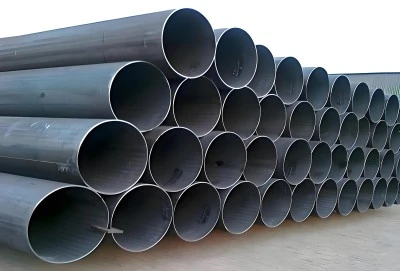
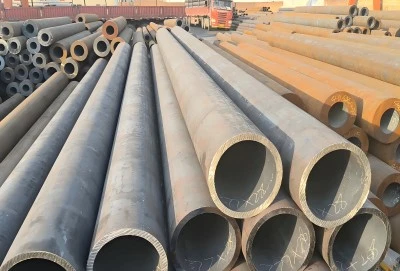
Understanding the Cold Forming Process
Cold forming is an advanced way to make things that forms steel without using heat. Steel changes shape in a way that makes it pliable below its recrystallization temperature, which is usually at room temperature. Controlled stress is applied to the metal's crystalline structure, which changes the grain boundaries and makes the material stronger.
The procedure starts with high-quality carbon steel coils that come from approved steel mills. Through a succession of forming rolls, advanced machines slowly mold the flat steel strip into round, square, or rectangular profiles. Each forming station bends the material a little bit at a time, keeping the wall thickness the same throughout the process.
As the steel bends, it is harder to work with because the dislocation density in the crystal lattice goes up. These dislocations make it harder for the material to deform even more, which makes it stronger. As a result, the structural steel tubing has a higher yield strength than it had in its initial flat strip state.
Quality control checks keep an eye on dimensional tolerances during formation. Precision tooling makes sure that the exterior diameter dimensions and wall thickness are always the same. This level of care makes hollow structural elements that satisfy strict ASTM criteria and are dependable.
ASTM A500 Grades and Their Mechanical Properties
The ASTM A500 structural tubing standard describes four different classes of steel, each with its own strength properties that make it useful for different types of structures. These grades provide engineers choices on the materials to use based on the needs of the project and the conditions under which it will be used.
With a tensile strength of 400 MPa and a yield strength of 290 MPa, Grade A has balanced performance. This grade is good for ordinary building tasks that don't need a lot of strength. The chemical makeup keeps the carbon concentration at levels that make it easy to weld.
Grade B is the most frequent choice. It has a yield strength of 310 MPa, which is higher than the tensile strength of 400 MPa. This grade is the best for many structural engineers since it is strong and easy to work with. The yield point that is a little higher gives load-bearing applications more safety margins.
Grade C has a yield strength of 260 MPa, which makes it good for uses where lesser strength is needed but cost is important. Even though the yield values are lower, this grade still has the typical 400 MPa tensile strength, which is good enough for many structural uses.
Grade D has the lowest yield strength at 230 MPa, however it makes up for it with great formability. This grade is used for specific purposes where complicated forming procedures need the most material ductility. The uniform tensile strength across all classes guarantees dependable performance requirements.
Advantages of Cold-Formed Steel Construction
Cold-formed steel construction has several advantages that make it more and more popular in many fields. Compared to standard hot-rolled materials, the production technique generates materials that are stronger and lighter. This trait leads to lower material prices and easier shipping logistics.
Another big benefit of cold-formed items is that they are quite accurate in terms of size. The regulated forming process keeps tight tolerances, so there is no need for a lot of machining work. Engineers can confidently give accurate measurements since they know that the items they get will fit those exact requirements.
Cold forming procedures make things less likely to rust. The work hardening effect makes surface structures denser, which makes them better able to withstand damage from the environment. These items last a long time in tough conditions when used with galvanized steel coatings or other protective treatments.
Cold-formed materials make metal manufacturing more predictable. Welding and connection designs may be trusted since the mechanical characteristics are the same across the cross-section. Fabricators like the consistent strength properties since they make it easier to figure out how to place joints.
Hollow structural sections provide great torsional resistance, which is good for building framework applications. Square tube and rectangular tubing profiles are more stable than open parts like angles or channels. This stability means that many structural systems don't need extra bracing parts.
Applications Across Industries
ASTM A500 structural tubing is used a lot in oil and gas transportation projects to support pipelines and processing plants. Cold forming makes these parts stronger, which means they can handle tough working conditions without losing their shape. The corrosion resistance and dependable performance of offshore platform construction are very helpful.
These materials are used to build pump stations, treatment plants, and distribution networks for the water delivery system. The stable mechanical qualities make sure that key infrastructure will work for a long time. When constructing water treatment facilities and distribution systems, municipal engineers like that they can count on certain performance characteristics.
Hollow structural sections are used in a variety of load-bearing applications in bridge building projects. The great strength-to-weight ratio keeps the structure's load capability while lowering its total weight. Construction teams appreciate how easy it is to make and put together these standardized goods.
Structural steel tubing is used in factories to support equipment, form frames, and set up conveyor systems. Engineers can make the best designs for certain loading scenarios since there are so many different sizes and grades to choose from. Manufacturing operations benefit from the extended life and low maintenance needs of these machines.
More and more, building construction calls for cold-formed steel products for both structural and architectural uses. Architects that create modern buildings like these goods because they have clean lines and a uniform look. Structural engineers like having access to trustworthy performance data for their design calculations.
Quality Assurance and Manufacturing Standards
Manufacturing excellence begins with rigorous raw material selection and continues through every production stage. Steel mills provide certified materials with documented chemical compositions and mechanical properties. This traceability ensures consistent starting materials for the cold forming process.
Advanced inspection equipment monitors dimensional accuracy throughout production. Laser measurement systems verify outside diameter consistency and wall thickness uniformity. These real-time measurements enable immediate adjustments to maintain specification compliance.
Heat treatment procedures may supplement cold forming to optimize mechanical properties. Controlled stress relief operations can reduce residual stresses while maintaining the enhanced strength characteristics. These thermal processes require precise temperature control and timing to achieve desired results.
Testing protocols verify mechanical properties through standardized procedures. Tensile strength and yield strength measurements confirm grade requirements. Flattening tests and other specialized evaluations ensure structural integrity under various loading conditions.
Documentation packages accompany each shipment, providing complete traceability from raw materials to finished products. Material Test Certificates detail chemical compositions and mechanical properties. Inspection and Test Plans document quality control procedures and results.
Conclusion
Cold forming technology continues revolutionizing structural steel manufacturing by creating superior products through controlled deformation processes. The enhanced mechanical properties of ASTM A500 structural tubing result from sophisticated manufacturing techniques that optimize grain structure and work hardening effects. These improvements translate into reliable, cost-effective solutions for demanding structural applications across multiple industries. Engineers worldwide recognize the value proposition these products offer through consistent performance, dimensional accuracy, and long-term durability. The combination of proven technology and rigorous quality control ensures continued growth in cold-formed steel applications.
Partner with Longma Group for Premium ASTM A500 Structural Tubing Solutions
Longma Group delivers exceptional ASTM A500 structural tubing manufactured through advanced cold forming processes. As a leading ASTM A500 structural tubing supplier, we maintain extensive inventory and offer rapid 7-day delivery schedules. Our comprehensive quality certifications and global project experience ensure reliable performance for your critical applications. Contact info@longma-group.com to discuss your structural tubing requirements.