
To get approved EN10219-1 S235J0H pipe is not only a matter of making an order. It involves reviewing mill certificates, impact test reports, and supplier qualifications. This cold formed welded structural hollow section is of J0 grade which means it must pass a Charpy V-notch impact test at 0°C with a minimum energy absorption of 27 joules. For procurement teams working on structural steel projects in Europe, the Middle East or cold-climate regions, choosing the correct supplier with certified EN 10204 Type 3.1 mill test certificates and Factory Production Control (FPC) certification is the difference between project approval and expensive rejection.
|
|
|
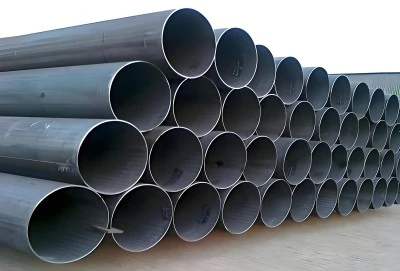
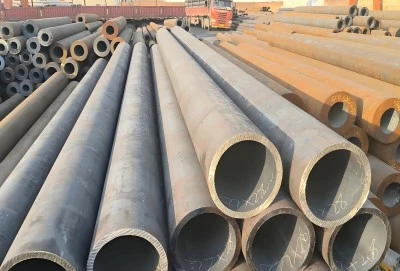
Comparing EN10219-1 S235J0H Pipe With Other Structural Steel Grades
S235J0H vs. S275J0H and S355J0H
The best grade is S235 for secondary structural members and comparatively light load bearing members if cost is the most important factor. The yield strength floor for S275J0H is 275 MPa making it appropriate for medium load frames. S355J0H has a minimum yield strength of 355 MPa and is mainly used for main structural columns and big truss chord members. All three meet the J0 impact criteria therefore selection is based on design load predictions under Eurocode 3 (EN 1993) rather than toughness alone.
EN10219-1 vs. ASTM A500: Key Differences for Global Projects
ASTM A500 Grade B (minimum yield 317 MPa for round) is often used for North American applications, but is not required to be impact tested. European projects requiring CE marking must only use items complying with CE marking requirements and specifically with EN10210 or EN10219. If your project involves both markets or re-export to Europe, please be careful to verify the applicable standard before purchase. Otherwise you may be looking at expensive material replacements later.
Welded Cold-Formed vs. Seamless: A Practical Trade-Off
EN10219 is the standard for cold formed welded hollow sections. The sections are made to very tight size tolerances and have a uniform wall thickness at a cheaper cost than seamless solutions. Seamless pipe is recommended when there is strong pressure or movement, since there is no weld gap. In most structural steel buildings, municipal engineering projects and equipment support structures, cold formed welded sections offer the best combination of performance and price.
Step-By-Step Guide to Buying Certified EN10219-1 S235J0H Pipe
Step 1 — Define Your Technical Requirements Precisely
Use the drawings from your structural engineer as a starting point Decide on outside dimensions, thickness, section profile (round, square or rectangular), needed length and surface finishes (as is, galvanized or painted). Tell them you want EN10219-1, J0 impact grade & EN 10204 Type 3.1 MTC. The most typical buying mistakes stem from vague requirements.
Step 2 — Screen Suppliers Against a Certification Checklist
The following should always be true of any reputable EN10219-1 S235J0H pipe manufacturer:
- lFPC (Factory Production Control) certificate — mandatory for CE marking eligibility
- ISO 9001 quality management system certification
- EN 10204 Type 3.1 MTC issuance capability
- Documented NDT testing records and third-party verification access
It is against the law for suppliers to "claim" compliance without FPC documentation to back up your CE marking application. This difference is a hard limit, not a choice.
Step 3 — Request Samples and Review Documentation Before Full Order
If you require a first order connection, please ask for a material test certificate of a recent batch of products that suit your demands. Check the heat number on the certificate against the marking on the pipe. If feasible, have the Charpy effect test results evaluated independently by a 3rd party inspection service. This adds one to two weeks to your timeframe, but removes the danger of nonconforming materials reaching the plant floor.
Step 4 — Negotiate MOQ, Pricing, and Delivery Terms
If you go to a direct manufacturer overseas you may normally save 30-60% compared to purchasing in Europe, depending on grade and component size. Be aware of minimum order quantities, lead times (production is usually 25-45 days plus shipping) and Incoterms Have a plan for clearing your project through customs, particularly if you’re importing welded tubes and might face anti-dumping taxes.
Key Considerations When Choosing EN10219-1 S235J0H Pipe Suppliers
Factory Direct vs. Distributor: What Actually Affects Your Project
If you purchase directly from an FPC certified manufacturer, you get heat-specific documentation, a glimpse at the production schedule and direct access to the quality crew for technical difficulties. Local distributors may be able to give speedier service but often can’t provide the original mill heat certificates or FPC documentation you need for your CE marking audit.
After-Sales Support and Technical Documentation Packages
If you want to deal with a supplier for a long period they should provide you an Inspection and Test Plan (ITP) a Manufacturing Procedure Specification (MPS) and comprehensive Material Test Certificates as typical things and not extras you may select to add on In most European nations you can not amend these paperwork when you seek for a construction permit or pass the project off.
Anti-Dumping Duty Awareness
The EU has imposed anti-dumping duties on some Chinese welded steel tubes for periods of time and the measures may be subject to change. Before you decide on a source of EN10219 hollow sections, talk to a goods forwarder experienced in importing steel to have a grasp of the current HS code status for EN10219-1 S235J0H pipe.
Maximizing Procurement Success: Practical Tips and Best Practices
Build a Long-Term Supplier Relationship, Not a Transactional One
To be able to maintain a consistent quality over several sales you will need to keep in close communication with the technical and quality departments inside your supplier. Talk about your project flow early and you’ll be up and running sooner. By informing your suppliers of the requirements you need in advance, they may be able to stockpile raw materials in advance. This reduces lead times for recurrent orders from 4-5 weeks to 1-2 weeks.
Use Digital Tools to Keep Your Process Traceable
RFQ systems, digital contract management and cloud-based document storage gives your procurement team a clear audit trail from the first query to the final delivery. All MTCs and test reports indexed and simple to reach save a lot of time when your quality manager has to generate documentation during a building inspection.
Stay Current on Standard Revisions
EN 10219-1 and EN 10219-2 are reviewed periodically. examine that the latest version of the standard appears on your supplier’s FPC certificate and examine whether their internal production methods have updated correspondingly. If you have an obsolete FPC scope, a manufacturer might wind up creating non-conforming material.
Conclusion
In case of construction projects, it is advised to be ready with the approval procedure for EN10219-1 S235J0H pipe. You can't take off J0 impact standard, FPC certification, EN 10204 Type 3.1 MTC. They are what you need to be compliant to CE marking regulations. Find a manufacturer that really has these credentials and can come up with verifiable documentation and you won’t wait nearly as long on your project. You should undertake your own license checks, ask for test records before placing complete purchases and spend the time and effort to build supplier relationships that become better over time.
FAQ
1. What is the difference between S235JRH and S235J0H?
Both grades share a minimum yield strength of 235 MPa, but J0H requires a Charpy impact test at 0°C with a minimum absorbed energy of 27 joules. JRH is only tested at room temperature (20°C). For structures exposed to winter temperatures or cold-climate environments, J0H provides a meaningfully higher safety margin.
2. Can this pipe be hot-dip galvanized?
Yes, provided the silicon and phosphorus content fall within the ranges required to avoid brittle galvanized coatings. When ordering, specify that the material must be suitable for hot-dip galvanizing, and ask the mill to confirm the silicon content on the MTC.
3. What certification documents should I expect from the supplier?
A standard EN 10204 Type 3.1 inspection certificate is the minimum requirement. This document, issued by the manufacturer's authorized inspector, confirms that the chemical and mechanical properties of the specific heat meet EN 10219-1. For projects requiring independent verification, a Type 3.2 certificate issued by a third-party inspection body may be specified.
4. How do I verify that an FPC certificate is genuine?
FPC certificates for CE marking under EN 10219 are issued by notified bodies accredited under the Construction Products Regulation. You can cross-reference the notified body number on the certificate against the EU's NANDO (New Approach Notified and Designated Organisations) database to confirm its validity.
5. What are typical lead times for bulk orders?
Production lead times from a direct manufacturer typically run 20–35 days, with sea freight to European ports adding 25–35 days. Plan a total procurement window of 8–10 weeks for a first-time order, factoring in document review and customs clearance.
Source Your Next Order Through Longma Group — Certified EN10219-1 S235J0H Pipe Manufacturer
Longma Group has been manufacturing EN10219-1 S235J0H pipe since 2003. They produce more than a million tonnes of it each year and they have FPC approval in place to ensure they meet CE marking requirements. For every shipment we include our documentation package that includes EN 10204 Type 3.1 MTC, ITP and NDT reports. To get a quote for your structural steel project email our technical team at info@longma-group.com. As a verified supplier of EN10219-1 S235J0H pipes we can help you with your order, from reviewing the specifications to delivering the pipes.