
To pick the best ASTM A671 CB60 pipe export supplier, you need to carefully look at their manufacturing skills, quality certifications, and logistics knowledge. Your supplier must have a track record of producing electric fusion welded pipes, hold internationally recognised quality management certifications, keep prices clear, and know how to efficiently handle complicated export rules. The best providers have a lot of paperwork, like material test results, API and ISO certifications, strong after-sales support, and a history of working with companies around the world in oil and gas transportation, power generation, and petrochemical processing.
|
|
|
ASTM A671 CB60 Pipe Specifications and Quality Standards
Chemical Composition and Base Material Properties
Knowing what makes ASTM A671 CB60 pipes different is the first step in any quality review. These pipes are made from pressure vessel quality plate, especially ASTM A515 Grade 60. They have fixed amounts of carbon (up to 0.24%), manganese (0.60-0.90%), and silicon (0.15-0.40%). This exact chemical balance makes sure that the metal can be welded well while still being tough enough for use in pressure cycle applications. The fully killed fine-grained structure gets rid of the risk of weld porosity, which is a big plus over regular ERW pipes when your application needs to deal with changing pressures or very cold temperatures.
Mechanical Strength and Temperature Performance
Mechanical qualities tell the difference between good items and great ones. The minimum tensile strength for ASTM A671 CB60 pipe is between 415 and 550 MPa, or 60,000 to 80,000 psi, and the minimum yield strength is 240 MPa. The most important thing for procurement teams is how these numbers work in the real world. Because it has a higher tensile strength than CA55 grade, it can handle more pressure. This means that engineers can choose smaller walls for the same working conditions or use the same dimensions to handle higher pressures. These pipes can handle low temperatures up to -29°C, which means they can be used for low-temperature process lines in factories and cryogenic storage.
ASTM A671 CB60 pipe is different from smaller grades because it has better weld stability. When the product is made, full deoxidation creates consistent Charpy impact properties and transverse bend characteristics that fully meet the requirements of ASME Section VIII pressure vessel codes. When your piping system has to handle fluids with different temperatures or thermal cycling over the course of its life, this consistency is important.
Heat Treatment Classes and Inspection Tiers
The ASTM A671 standard sets out different classes that tell you how to heat treat things and how to test them without damaging them. The most common configurations for critical applications are the Class 22 and Class 32 versions. Both require a stress-relieving heat treatment after the weld and a full x-ray examination of all welds. These are requirements that meet the rules for special pressure equipment in petrochemical plants and power plants. By knowing these differences between classes, procurement teams can make sure that project regulations are met and avoid having to do expensive work over or deal with compliance issues during commissioning.
Core Criteria for Selecting an ASTM A671 CB60 Pipe Export Supplier
Manufacturing Technology and Production Capacity
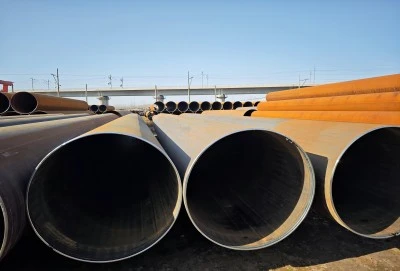
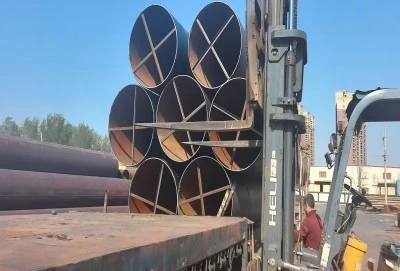
The main way that these large-diameter pressure pipes are made is through electric fusion welding. Suppliers who use advanced EFW equipment can make pipes with outer diameters from 16 inches to 100 inches, which are sizes where making seamless pipes is either too expensive or not possible technically. When looking at possible providers, check out the specs of their welding equipment, how automated it is, and how well it works with quality control in the production line. The annual production capacity of a supplier shows how well they can handle large orders without making lead times longer. With buildings that cover 230,000 square meters and an annual output of more than 1,000,000 tonnes, Hebei Longma Group shows that it has the size to support big infrastructure projects without having production problems.
Where the raw materials come from has a direct effect on the quality of the finished ASTM A671 CB60 pipe. Manufacturers with a good reputation get pressure vessel quality plates from certified steel mills instead of suppliers on the spot market. Being able to track a product from its raw materials to its finished form ensures consistency and provides the necessary paperwork for export markets to follow the rules.
Quality Management Systems and Certifications
ISO 9001 certification is the standard for quality management, but the best providers have many other licenses that show how well they run their businesses. Look for ISO 14001 Environmental Management Systems certification, which shows a dedication to environmentally friendly manufacturing, and ISO 18001 Occupational Health and Safety Management certification, which shows strong safety rules for workers. API 5L certification proves that a company can make line pipe for the natural gas and oil industries, which is very important if your application needs to work with hydrocarbons.
In addition to the documents that are shown on websites, you should also ask about how the plant controls production. When suppliers use full ITP (Inspection and Test Plan) protocols, they make the whole manufacturing process clear. Manufacturing Procedure Specifications (MPS) should be written down and easy to find so that the same thing can be done in every production batch. Material Test Certificates (MTC) that come with every shipment are proof of quality, but the systems that make them are more important than the certificates themselves.
Testing Protocols and Inspection Capabilities
Advanced checking tools tell the difference between sellers who just meet the bare minimum and those who go above and beyond. Hydrostatic testing confirms the stability under pressure, while ultrasound testing finds internal cracks that can't be seen with the naked eye. Weld flaws on the surface and close to the surface can be found with eddy current testing. The best providers use 100% radiographic testing on critical class pipes instead of statistical sample methods, which gives customers complete trust in the quality of the welds.
Allowing third parties to check shows that the provider has faith in their manufacturing process. Purchasing managers should check with suppliers to see if they allow customer representatives or outside inspection groups to see tests and look at production records. No matter what price benefits are offered, resistance to inspection transparency is a red flag.
Pricing Transparency and Total Cost Analysis
It doesn't matter how competitive the price is if there are secret costs during shipping, clearing customs, or quality problems after delivery. Ask for quotes that are very specific and break down the costs of materials, assembly, testing, and shipping separately. This makes it possible to compare prices accurately across different sources and see if low starting prices are made up for by high shipping costs or poor testing procedures.
Discounts for buying in bulk should make sense as the amount of the order grows. If a supplier charges the same price per unit no matter how many are bought, they might not be able to support long-term cost optimisation. Payment terms are just as important as the delivery itself. Structures that are open enough to accept milestone payments or letters of credit lower financial risk for both parties and show that the provider has faith in their delivery abilities.
Comparing ASTM A671 CB60 Pipe Suppliers: What Sets the Best Apart?
Industry Reputation and Project Track Record
Marketing claims don't hold as much weight as testimonials from real customers. Ask for references from projects that were similar to yours in terms of scope and technical needs. Talk to those references directly and ask specific questions about how the seller handled any problems that came up during the contract period, how well they delivered on time, and how quickly they responded to technical questions. Case studies that show installations that worked well in power plants, refineries, or offshore platforms show that the technology can handle tough conditions.
Industry term gives you an idea of how stable a seller is. Companies that have been around for at least 20 years have been through all kinds of economic downturns and have grown with the times to become better at using technology and handle complicated international transactions. While newer providers may have better prices, they don't have the methods or knowledge to deal with the unexpected problems that always come up in big procurement contracts for ASTM A671 CB60 pipe.
After-Sales Support and Technical Advice
You should have a relationship with your pipe supplier that goes beyond accepting delivery. Leading manufacturers have technical teams that can help with application engineering, making sure that specifications are right for your service conditions, and fixing any performance issues that come up during installation or commissioning. This advice is very helpful, especially when your team isn't sure if the new system will work with the old one or needs help with welding processes for field connections.
The manufacturer's confidence in the product's durability is shown by the warranty's extensive terms. Standard warranties cover flaws in the way the product was made, but great suppliers go above and beyond to cover application issues that are important to your industry. Clear steps for filing warranty claims, such as when to respond and how to arrange for a replacement, keep small problems from turning into project delays.
Expertise in Export Paperwork and Compliance
International shipments need to be carefully documented in order to get through customs quickly and follow the rules for importing goods in the countries where they are going. Your supplier should be able to show that they know how to put together full export paperwork packages that include business invoices, packing lists, certificates of origin, and material test results that are formatted to meet the needs of each country. Suppliers who have export teams that have been around for a while know about things like preferential trade deals that may lower tax costs or the different paperwork that is needed for markets in the Middle East, Southeast Asia, and Australia.
Compliance is more than just filling out forms. Suppliers need to know how their goods meet the standards of the country where they are going, like ASME codes for North American markets, EN standards for Europe, or AS/NZS specifications for Oceania. The ability to provide pipes that meet multiple similar standards from the same production run shows that the company is good at making things and makes buying things easier for companies that are in charge of global project portfolios.
Innovation and Sustainable Manufacturing Practices
Suppliers who are ahead of the curve invest in process improvements that make products better while also having less of an effect on the environment. More advanced heat treatment ovens can control the temperature more precisely, which makes the mechanical features more stable. Automated weld checking systems find flaws earlier in the production process, which cuts down on waste and extra work. Recycling systems for water and energy-efficient tools show care for the environment, which is becoming more and more important as project owners choose suppliers based on sustainability criteria.
Ask possible suppliers how they handle ongoing growth. When businesses use Six Sigma or lean manufacturing techniques, they show they are dedicated to operational excellence, which leads to more consistent products and better customer service. People who spend money on research and development stay ahead of changing industry standards. This means that you can handle future changes in regulations without having to switch suppliers.
Conclusion
To choose an ASTM A671 CB60 pipe export supplier, you need to do a lot more research than just compare prices. The right partner has ISO certifications and advanced testing capabilities to show that they are great at production. They also have clear pricing structures, know how to deal with export rules, and can help you with your application engineering needs through technical advice. Check the reputation by calling references that you can trust, the production capacity to make sure that deliveries happen on time, and the commitment to quality through inspection protocols and documentation practices. Having suppliers who care about your success makes partnerships that deliver value throughout the lifecycles of projects, from the initial quotes to installation and beyond.
FAQ
How can I be sure that ASTM A671 CB60 pipes meet the standards?
Checking starts with looking at the material test certificates that come with every shipment to make sure that the chemical make-up and mechanical properties meet the standards set by ASTM A671 CB60 pipes and A515 Grade 60. Check the markings on the pipe to see the standard name, grade, class, and manufacturer. Ask for copies of the supplier's API and ISO certifications and check with the organisations that issued them to make sure they are valid. Third-party checking services can help you see how the plant tests things and look over production records before they are shipped. Physical testing of samples by separate labs gives absolute proof when the stakes are high enough to justify the extra cost.
What are typical international delivery schedules for large orders?
Lead times are usually between 8 and 12 weeks, but they depend on the size of the pipe, the class requirements, and the number of units that need to be ordered. It takes 4 to 6 weeks to make something, which includes getting the materials, putting it together, heating it, and testing it. 2 to 4 weeks are added for international shipping, depending on where it's going and how it's being sent. Custom orders that need special sizes or faster heat treatment may make delivery times longer, but suppliers who keep standard configurations in stock can sometimes cut delivery times to 4 to 6 weeks total.
Are CB60 pipes good for places with high pressure and temperatures?
CB60 pipes work great in situations with moderate pressure and temperatures as low as -29°C. They work well in cooling water circulation and high-pressure steam systems where the temperatures stay within the limits of the design. For uses with very high temperatures or harsh chemical environments, you might need higher types like CC65 or CC70, which have better mechanical qualities. Talking to providers about specific service conditions will help you choose the right material for your needs in terms of pressure, temperature, and medium contact.
Partner with Longma Group for Reliable ASTM A671 CB60 Pipe Supply
Longma Group can help you with your procurement needs because they have been making great products for over twenty years. As a top ASTM A671 CB60 pipe supplier, we keep all of our API 5L, ISO 9001, and environmental management certifications, which show that we are dedicated to quality and the environment. Our 230,000-square-meter factories make more than 1,000,000 tonnes of goods every year, so we can handle big projects without having to rush deliveries. We only get our raw materials from trustworthy mills like Shagang, BX Steel, and Bao Steel. This way, we can be sure that everything can be tracked from the plate to the finished pipe. Our technical team helps with application engineering, which means they can help you find the best specifications for your service conditions. Every shipment comes with full documentation packages that include ITP, MPS, and MTC. This makes it easier to clear customs and follow the rules. Email our export team at info@longma-group.com to get detailed quotes that are made to fit your project needs. Find out why engineering contractors in over 90 countries choose Longma Group as their first choice for ASTM A671 CB60 pipe for sale.








