
For long-distance transmission, choosing between API 5L X60 and API 5L X65 pipes relies on how strong the pipes need to be, how much pressure they need to work under, the surroundings, and your budget. The yield strength of API 5L X60 pipe is 60,000 psi, making it good for moderate-pressure uses and projects that need to stay within budget. The yield strength of API 5L X65 pipe is 65,000 psi, making it better for higher-pressure systems. Both types meet strict industry standards and help move oil, gas, and fluids efficiently in a wide range of environments. Knowing the differences between them in terms of chemical makeup, toughness, and how they are made helps procurement managers and pipeline engineers match material requirements to the needs of each project. This ensures long-term safety and operating efficiency.
|
|
|
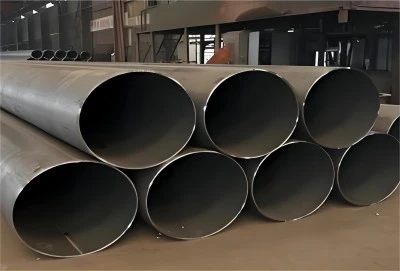
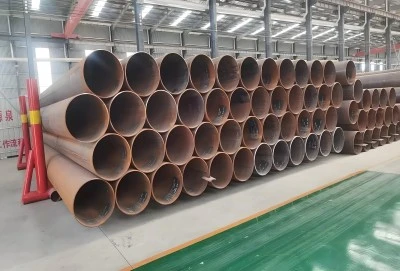
Understanding API 5L X60 and X65 Pipes
Specification Framework and Standards Compliance
The API 5L specification sets rules for how line pipes used in the oil and natural gas businesses should be made and how they should be tested. The numbers X60 and X65 both stand for minimum yield strength, which is given in thousands of pounds per square inch (ksi). These grades are classified into two levels of product specifications: PSL1 and PSL2. PSL2 requires tighter controls over chemical composition, Charpy V-Notch impact tests, and better paperwork for tracking.
Carbon Equivalent values are limited more strictly by PSL2 standards, which has an impact on how well they can be welded and how well they resist cold cracking during field manufacturing. This is especially important for jobs that need a lot of welding to be done on-site in tough circumstances. For important applications where failure would have serious effects, the stricter testing standards for PSL2 grades give extra peace of mind.
Chemical Composition and Mechanical Properties
The main difference between X60 and X65 is the alloying elements they use and the mechanical properties that result. X65 has a little more manganese, niobium, or vanadium than other grades so it can be stronger without losing its flexibility. The tensile strength range for API 5L X60 pipe is usually between 517 and 758 MPa, while the range for X65 is between 531 and 758 MPa, which means it can hold more weight in high-pressure situations.
Toughness traits are very important for pipes that work in areas with high or low temperatures or earthquakes. Charpy impact tests at certain temperatures shows how well a material can absorb energy before breaking. X65 usually has higher toughness values, which makes it better for places where changing temperatures or ground movement could cause stress clusters that could cause cracks to spread in less durable materials.
Manufacturing Methods and Their Implications
Multiple production methods, such as ERW, HFW, LSAW, DSAW, and SSAW, can be used to make both grades. Each method of making pipes has a different effect on their properties. Seamless pipes don't have any horizontal welds, so the qualities are the same across the whole wall thickness. However, they can't be larger than a certain width. Large-diameter uses (16 to 80 inches) can use LSAW pipes, which offer great control over dimensions and weld quality through submerged arc methods.
The way things are made affects not only how well they work mechanically but also how long it takes to deliver and how much they cost. ERW manufacturing is cheaper for smaller widths and wall thicknesses up to 25 mm. DSAW methods, on the other hand, can handle thicker walls that are needed for high-pressure transmission lines. When buying teams understand these trade-offs, they can choose manufacturing methods that meet performance needs while also meeting project costs and lead times.
Practical Guidance and Real-World Case Studies
Structured Selection Framework
A methodical way to choose a grade starts with figuring out the practical factors, such as the highest pressure that can be used, the temperature range that is intended, the properties of the fluid being transported, and the expected service life. These basic ideas are what drive the first calculations that figure out the minimum mechanical qualities that are needed. Environmental factors add to these basic requirements, which could lead to stricter rules to deal with issues like rust, earthquakes, or exposure to very high or low temperatures.
The framework starts with qualifying suppliers by checking their manufacturing skills, certifications, transport reliability, and expert support abilities. Suppliers who are shortlisted should show that they have experience with similar projects and show examples of systems that are working in similar situations. The final choice strikes a balance between technical compliance, economic competitiveness, and reducing risk by using a variety of sources or building connections with companies that have already done a good job.
X60 Implementation Success Story
A 450-kilometer natural gas gathering system in Southeast Asia called for API 5L X60 PSL2 pipes API 5l X60 pipe for sections that would work at a maximum pressure of 900 psi. The project team chose this grade because modeling showed that the X60 qualities gave them enough safety gaps while also minimizing the cost of capital expenditures. LSAW manufacturing sent large-diameter pipes with wall thicknesses that were determined based on the pressure profile along the way.
Field welding and controlled pre-heating methods that were right for X60's carbon counterpart helped the installation go smoothly. Before starting, a full NDT analysis confirmed the integrity of the weld. After five years of nonstop use, the pipeline has shown great dependability with no material-related breakdowns, proving the grade selection decision was correct. The fact that maintenance costs have been lower than expected shows that properly defined materials save money over their whole life.
X65 Application Rationale
In order to build an offshore platform in Australian waters, underwater pipes had to be able to handle loads from both internal and external hydrostatic pressure, as well as forces from current and waves. Based on an engineering study, the X65 grade gave the needed strength while also letting the wall thickness be optimized, which decreased the submerged weight and made assembly easier with existing lay vessels.
The project called for X65 PSL2 with better impact tests at low temperatures that are like the conditions below the seafloor. DSAW making made pipes that met strict standards for size, which is necessary for field joints to work well. Because the pipe was stronger, it could handle the thermal expansion pressures from hot oil service without needing expansion loops, which would make underwater routing more difficult. This installation shows how the X65 pick can be used to solve technical problems that go beyond simple pressure ratings.
Summary and Key Takeaways
Comparative Technical Overview
| Parameter | API 5L X60 | API 5L X65 |
|---|---|---|
| Minimum Yield Strength | 60,000 psi (414 MPa) | 65,000 psi (448 MPa) |
| Tensile Strength Range | 517-758 MPa | 531-758 MPa |
| Typical Applications | Moderate-pressure transmission, cost-sensitive projects | High-pressure systems, weight-critical installations |
| Cost Premium | Baseline | 10-15% higher |
| Wall Thickness at Equal Pressure | Thicker required | Reduced thickness possible |
| Toughness Properties | Adequate for standard conditions | Enhanced for demanding environments |
Strategic Recommendations
When choosing materials, project-specific needs should come before desires for general grades. API 5L X60 pipe is a great choice for uses where the pressure needs to be just right, the fitting conditions are good, and the operating setting is good. X60 materials are cheaper and easier to get from a lot of different sources and making methods, which is good for projects that want to save money.
X65's higher price is worth it in high-pressure situations, setups that need to be light, or places that need better toughness. The grade's higher strength lets designers make changes to the design that can save money on materials by making the walls thinner, which makes them easier to handle, join, and install. If a project needs to meet strict safety standards or there are bad outcomes if something goes wrong, it should see X65's extra safety gaps as investments to lower risk rather than extra costs.
Supplier selection deserves equal attention to grade specification. More than just material certifications, certified producers with full quality systems, the ability to document everything, and a track record of successful projects offer extra security. For oil and gas, water transmission, and industry uses, Longma Group has API 5L certification, ISO quality control systems, and a long list of project examples. Our production capacity is more than 1,000,000 tons per year, and we can meet project deadlines with on-time deliveries and a range of flexible construction services, such as beveling, coating application, and custom end treatments.
Conclusion
To choose between API 5L X60 and X65 pipes, you need to think about technical needs, cost, and the specifics of your project, rather than just following general rules. The X60 offers affordable options for moderate-pressure uses, and its dependability has been tested in tens of thousands of installs around the world. Even though the materials cost more, X65's increased strength lets designers make improvements that help high-pressure systems and setups that need to be light. To make the best choices about which materials to use, procurement workers need to look at a lot of factors, such as pressure ratings, environmental factors, lifecycle costs, and suppliers' abilities. Working with licensed companies that offer full paperwork, on-time delivery, and expert support is the best way to make sure that material standards lead to operating success throughout the lifetime of a project.
FAQ
What pressure ratings can API 5L X60 pipe handle in long-distance gas transmission?
With the right wall thickness calculations, API 5L X60 pipe can handle pressures of up to 1,400 psi in most large-diameter uses. The exact numbers depend on the width of the pipe, the thickness of the wall, the construction factors required by the codes, the temperature, and any corrosion allowances. Engineers use Barlow's formula, which is adjusted for these conditions, to figure out the highest working pressure. X60 is still the best choice for gathering systems and moderate-pressure trunk lines because it is strong enough to provide enough safety gaps at a price that is competitive.
Which certifications should procurement managers require when ordering pipeline materials?
Some important certifications are API 5L monogram licensing, which shows that the maker meets the requirements of the standard, ISO 9001 quality management system certification, and material test certificates that show chemical analysis and mechanical properties for specific pipe lots. For projects in specific places, you might need extra licenses like NACE MR0175 compliance for bad service or plant production control certificates for European markets. Material exports should come with full inspection records, such as hydrostatic test results, NDT examination records, and dimensional proof. This way, the goods can be fully tracked and regulatory compliance can be confirmed.
How do welding processes affect quality differences between API 5L pipe manufacturing methods?
Different manufacturing methods create different weld traits that affect how well a pipeline works. LSAW methods use submerged arc welding to make longitudinal seams. This makes high-quality, fully penetrated joints that have great mechanical qualities that match the base material. Electrical resistance or high-frequency induction are used in ERW ways to join pipe bodies together. This creates narrow heat-affected zones that are good for smaller sizes. Double-sided submerged arc welding is used by DSAW for large-diameter thick-wall uses that need full penetration testing. No matter which production method is chosen, it has to go through a lot of tests, such as ultrasound examination, radiographic inspection, and destructive sampling, to make sure that the weld quality meets API 5L standards.
Partner with Longma Group for Your Pipeline Material Needs
If you choose the right API 5L X60 pipe provider, your long-distance transmission project will be successful because the materials will be reliable, the paperwork will be full, and delivery will be guaranteed. Since 2003, Longma Group has been one of China's biggest makers of ERW and LSAW steel pipes. It has a listed capital of 441.8 billion yuan and 230,000 square meters of factories. Our wide range of products includes API 5L grades from X42 to X80 in PSL1 and PSL2 standards. These are made using the ERW, HFW, LSAW, DSAW, and SSAW methods to meet the needs of different projects.
Along with our ISO 9001, ISO 14001, and OHSAS 18001 credentials, we also hold full API 5L certification. This shows that we are dedicated to quality, protecting the environment, and keeping the workplace safe. We get our raw materials from top Chinese mills like Shagang, TISCO, and Bao Steel. These provide the quality grounds that our advanced heat treatment and testing skills turn into reliable finished goods. Every shipment comes with full paperwork packages that include ITP, MPS, and MTC. These help you meet the compliance needs of your project in all global countries.
In addition to providing materials, we also offer a full range of manufacturing services, such as welding, beveling, coating treatment with FBE, 2PP, 3LPE, and hot-dip galvanizing choices. Longma Group has the goods, paperwork, and reliable service that your business needs, whether you're an engineering contractor in charge of complicated pipeline projects, a procurement manager looking for qualified API 5L X60 pipe suppliers, or an import trader needing flexible shipping support. Email our technical team at info@longma-group.com to talk about the specifics of your project and find out how our production skills and global shipping network can help your pipeline succeed.








