
Before you can bring in ERW galvanized pipe, you need a written specification that spells out the pipe standard, size, wall thickness, and zinc coating that it needs. Next, make sure the manufacturer is qualified, get quotes on the same business terms, agree to test reports and samples, and have a third party check the goods before they are shipped. Finally, get help from a licensed broker on how to pack, ship by ocean, and get into U.S. customs. EPC contractors and procurement teams need to be able to show on paper that coating quality and standards are met. They can't just guess that they are. These steps will show you what to look for and why it's important.
|
|
|
Start With the Product and a Clear Specification
A lot of issues with imports start before the first quote comes in. This part tells you what you want to buy and how to describe it so that all sellers can offer you the same price.
What ERW Galvanized Pipe Is and Where It Fits?
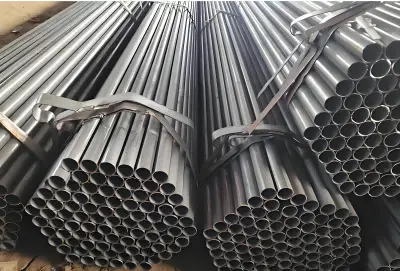
ERW galvanized pipe is manufactured from steel coil. The strip is rolled into a circular by the mill, and the long seams are joined by high-frequency electric resistance welding. Zinc is applied either by cutting the strip before it is rolled or by hot-dip galvanizing the final pipe. Zinc protects steel in two ways . When you scrape the surface , it rubs away first , so it rusts more slowly . It keeps things out . Frequently used for fire fighting lines, scaffolding, guardrails, fencing, low pressure gas and water lines and agricultural frames. I still verify the weld, the coating and how it will be used to make sure it is good before I buy a pipe for a project . I see these three items as different checkboxes.
Write the Specification Before You Request a Quote
Quotes are only good if someone is asking for them. I write down the task, operating pressure, temperature, fluid, outer diameter, wall thickness, length, end finish, steel grade, coating need, tests, packing and paperwork before I call vendors. The outside diameters of Longma Group’s pipes range from 60.3 mm to 1422 mm, and the wall thicknesses vary from 6.02 mm to 50.8 mm. Therefore, if you don't have to supply rounded units, you can give exact figures. If the specification is structured, all bidders can price the item the same. The QA/QC team will also always be aware of the arrival of shipments or samples.
Match Pipe Standards and Coating Standards
It teaches you what type of steel to use, what sizes to use, how to test it mechanically. We manufacture to API 5L, ASTM A53, EN 10210 and AS/NZS 1163. In the U.S.A. API 5L is used for line pipe and ASTM A53 for black and hot-dipped zinc-coated welded and seamless pipe. Coating standards have their own set of rules. Our coating regulations are based on the standards CSA Z245.20, EN 10339, ISO 21809-1, AWWA C210, AWWA C213, DIN 30670 and 30678. Research the standard that your project description is based on and then see which edition it is. If you have this in writing, you will never have to debate thickness, adhesion or test techniques again.
Pre-Galvanized or Hot-Dip: Choose by Exposure
Galvanized strip is used to make pipe that is already galvanized. The coating is thin and the finish is smooth. Zinc is lost in the weld zone while it is being welded. Good mills, like ones with inline zinc spray, can fix it. Hot-dip pipe is put into molten zinc after being welded. The zinc covers the seam, the ends, and the inside. The zinc coating mass is usually between 200 and 600 g/m². How long it works depends on how thick it is and where it is used. For work that is done inside or in a slightly exposed area, pre-galvanized pipe might be enough. I recommend hot-dip pipe with a low coating mass for infrastructure that is near water, in damp places, or outside. Longma Group offers hot-dip galvanizing as a way to protect against corrosion.
Compare ERW Galvanized Pipe With Other Options
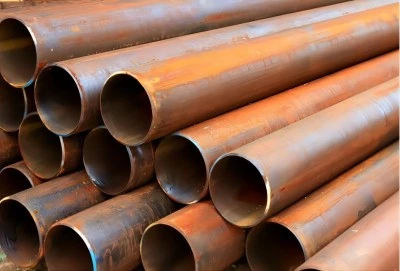
It costs more, but seamless galvanized pipe is better for some important or high-pressure jobs. Black steel pipe can work well with a different coating system, such as FBE or 3LPE. Longma Group uses both of these. It costs more to make stainless steel, but it can handle harsh media. Steel can't handle the same temperatures, impacts, or joins as PVC, even though it is light and doesn't rust. This choice is in the middle. It is as strong as steel, comes in the same sizes every time, and can be made in large quantities at a moderate cost. You shouldn't just compare prices; you should also look at things like condition of service, cost over time, code approval, and upkeep.
Qualify the Manufacturer and Control Quality
Once you know what you need, you need to find a manufacturer that can do what they say they can do. You will check with the supplier, agree on prices, and check the work in these three steps.
Evaluate Suppliers and Manufacturers
First, make sure that the person you are dealing with is a direct manufacturer, a trader, or an agent. Then, ask about the factory's production lines, lab equipment, ability to be tracked, exports in the past, and certificates. It has been making ERW and LSAW steel pipe since 2003. The business is spread out over 230,000 square meters, and by the end of 2023, it will have made more than 1,000,000 tons of steel every year. We follow API 5L, ISO 9001, ISO 14001, and 18001 at work when it comes to health and safety. More than 90 countries get our packages. Our coil comes from mills like TISCO, Baosteel, Shagang, and HBIS, and we can follow it from the raw material to the pipe that is used. There is also a Material Test Certificate, an Inspection and Test Plan, and a Manufacturing Procedure Specification that we give you. You can visit the factory of any supplier or watch a live video of one here.
Understand Pricing and Commercial Terms
The price depends on the ERW galvanized pipe's diameter, wall thickness, grade, coating method, length, end treatment, quantity, packing, inspection, and freight. They may give you a price per metric ton, per meter, or per piece. For all of their prices, you should round them up to the same amount and use the same weight, length, and coating tolerances. The next thing to do is the Incoterm. Incoterms 2020 divides cost and risk between the seller and the buyer in different ways, such as FOB, CFR, and CIF. Record the money, the payment due date, the lead time, the inspection time, the claims process, and the ways to fix goods that don't meet standards. A low price "ex-works" doesn't always mean a low price "delivered."
Run Quality Control and Pre-Shipment Inspection
Start from the coil to test the quality. First take a look at the grade, heat number and chemical make-up of the pipe. Then form it, test the welds, check the sizes and do hydrostatic or nondestructive testing if necessary. For the zinc layer, check the coating thickness or mass, the uniformity of coverage, adhesion, bare areas, and excess zinc. For EPC projects, call for a fix to damaged zinc from the supplier and third party report on thickness and fit. ASTM A780 covers repair of damaged galvanized coating. Before you apply the field repair materials, check that they will be compatible with the original coating. In the final inspection you should note number of products, number of bundles, any markings, certificates and images. If it’s a significant order, getting an outside inspector to check it out will give you peace of mind that it’s safe.
Plan Shipping, Customs, and Delivered Cost
Pipes can break or be late, even if they are good. In this section, we'll talk about how to keep the coating safe at sea, get it through U.S. customs, and set a proper budget and timetable.
Protect Pipe During Packing and Ocean Freight
The handling, not the mill, is where most coating damage takes place. Stacks of things should be held together with steel straps that have end caps and waterproof wrapping. Pipes that are close to each other don't rub against the zinc because of spacers. When planning a container, you need to think about the length of the pipe, the size of the inside, the weight of the bundle, and the payload limits. If your pipe is very big, you might need a different way to load it. Early on, talk to your forwarder about this. It's also important to have moisture. White rust can form on zinc if it gets wet and is packed away. Make sure it will be stored somewhere airy when it gets there. When the cargo gets there, look at the bundles for damage that you can see and write it down before you sign for them.
Prepare for U.S. Customs Entry
Before the ship leaves, the customs forms should be ready. Many types of paperwork are used, such as the commercial invoice, packing list, bill of lading, mill test certificate, certificate of origin, inspection reports, and insurance. Customs and Border Protection in the United States needs the Importer Security Filing at least 24 hours before the cargo is put on the ocean. When goods are brought in, they must also have labels that say where they came from. Your broker will add the pipe to the US Harmonized Tariff Schedule. Steel pipe might have to deal with Section 232 tariffs or antidumping and countervailing duties, based on the item and where it comes from. Before you place the order, talk to a licensed broker about these rules because they change often.
Calculate Landed Cost and Delivery Time
The seller's asking price is simply one line long. The cost of galvanizing, packing, inspection, inland transport from the point of origin, ocean freight, insurance, customs charges and fees, processing at the port, delivery to site, storage and financing must be included. Then break down the schedule into trucks, customs clearance, shipping, production and inspection. They all have a risk of being late. Specifications have to be authorized early, room on the ship has to be reserved early, and the papers have to be checked over before the voyage, to make sure the date is secure. You don't have to hand off when you buy pipe and coating from the same company. With Longma Group, your project simply has to cope with one delivery timeline. It used to be forced to run two separate coating yards.
Reduce Risk and Follow a Clear Workflow
In the last step, you turn the checks you did earlier into habits that you can use for every order.
Common Import Risks and How to Avoid Them
There are a lot of issues when standards and specifications aren't clear and suppliers are only chosen based on price. Plus, a lot of people are wrong when they say that hot-dip pipe and pre-galvanized pipe work the same. Writing down the exact standard, grade, size, tolerances, galvanizing method, minimum coating, tests, and paperwork should be done on the purchase order. If you cut, thread, or weld zinc on the job site, you could damage it, so plan a better way to fix those spots. You shouldn't just believe what the supplier says about very high or very low temperatures if your project will be exposed to them. Instead, ask for coating test data that covers that range. Last but not least, you should always check the supplier's skills, quality systems, delivery history, and landed cost all at the same time.
Follow a Step-by-Step Import Workflow
This is the order I use for all of my imports.
- Specify and shortlist: Write the complete specification, send the same request to 3 or 4 qualified manufacturers and compare bids on one weight basis, one Incoterm and one coating requirement. Prior to any pricing negotiation, ask each supplier for sample test reports, certificates and suggested inspection and test strategy.
- Approve and contract: Review samples against the specification, including findings of coating thickness and adherence. Sign a contract fixing tolerances, inspection rights, delivery dates, payment conditions, claims procedure and remedies for non-conforming goods. Get your QA/QC manager and corrosion engineer to approve the coating process and test plan in writing first.
- Inspect and clear: Oversee manufacturing, do pre-shipment inspection and review shipping paperwork prior to vessel departure. Give your customs broker the documentation early. Check bundles, amount, dimensions and coating on arrival and note any transit damage immediately with photographs and signed delivery receipt.
As long as they do it this way, engineering, buying, and logistics can all use the same file.
Choose Pipe by Application and Use a Final Checklist
Not by the name, but by what it’s intended to do. If you need NSF/ANSI 61 accreditation for potable water, your water system must satisfy the necessary criteria and have the right pressure rating to perform. Fire sprinkler lines must meet building requirements and be tested in a traceable manner. It is vital to have the correct grade, length and breadth tolerance and weldability for the construction of frames, scaffolding and fencing. Gas lines have to be tested for leaks, require engineering permission before they can be bought, and have to match municipal codes. Please write down the following information before placing the order: - Standard - Grade - Diameter - Wall Thickness - Coating Method - Minimum Coating - Tests - Incoterm - Payment Terms - Lead Time - Inspection Plan - Packing - Customs Requirements The checklist is complete, so everyone in the firm knows what they have to accomplish.
Conclusion
You can bring in ERW galvanized pipe after all the choices are down on paper before the money changes hands. The first stage is to prepare a detailed specification, which includes the pipe standard, size, wall thickness and technique of coating. In severe conditions, hot-dip galvanizing is generally preferred to pre-galvanized strip. And on top of that, defined Incoterms, qualified suppliers and standard quotations keep cost and accountability safe. Test records, factory audits and third party inspections guaranty the good quality of the weld and zinc. If you bring in a customs broker early, they may help you with classification, duties, and deadlines for filing. Careful wrapping also helps to prevent products from getting damaged in shipment. Building your budget and schedule around landed expenses and separate lead times can keep you more on track. Coating defects, disputes and delays can be reduced by combining these steps. And they make sure the pipe is right for the purpose.
FAQ
What is the main difference between pre-galvanized and hot-dip ERW galvanized pipe?
Pipe that has already been galvanized is made from zinc-coated strip and has a thinner coating. The weld zone needs to have its protection put back on. While hot-dip pipe is still joined, it is dipped to make the coating thicker and cover the seam.
Can the weld seam rust?
It can happen if you don't treat it. Inline zinc spray is used by mills to fix the zinc at the seam. Buyers should check the inspection report to be sure of this.
Which documents do I need for U.S. customs?
Plan ahead and get ready the inspection reports, mill test certificate, bill of lading, and certificate of origin. You can get help from your broker with duties and classification.
How long does ERW galvanized pipe last?
Sometimes it lasts more than 50 years in mild rural areas, but sometimes it only lasts 20 to 25 years in harsh industrial or coastal areas.
Request an ERW Galvanized Pipe Quotation From Longma Group
Are you ready to bring in? Send Longma Group your standard, diameter, wall thickness, coating method, quantity, and the port where the goods will be shipped. We can help you compare coating options, get your paperwork ready, and get an idea of when your pipes will arrive since we make ERW galvanized pipes and offer galvanizing, FBE, and 3LPE services. Send an email to info@longma-group.com or visit longma-group.com to get in touch.