
Where do you start when your infrastructure project needs hundreds of meters of protective pipeline? To order a lot of anti-corrosion steel pipe, you need to plan ahead, know a lot about the technical details, and work with a trustworthy production partner. At first, the procedure may seem too much. But if you know how to do it well, you can get high-quality coated pipes at good pricing and yet fulfil tight project deadlines.
Anti-corrosion steel pipe is the main part of contemporary systems for moving oil, gas and water across the world. These specialised pipes are treated with preservation technologies that stop or slow down chemical and electrochemical corrosion processes while they are being transported and used. Buried pipelines are at risk of hostile soil conditions, moisture getting in, and chemical attacks that cut their service life by a lot.
This complete tutorial shows you how to do everything you need to do to place a bulk order. You will learn all you need to know to make smart buying selections, from knowing what coating requirements are to judging vendors. These tips can help you make your purchases faster, whether you work for a construction company, an energy company, or a local water authority.
|
|
|
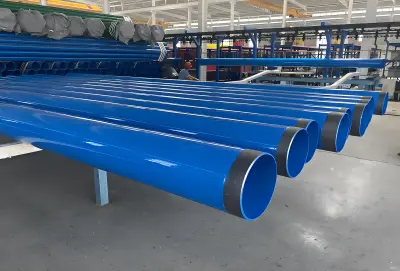
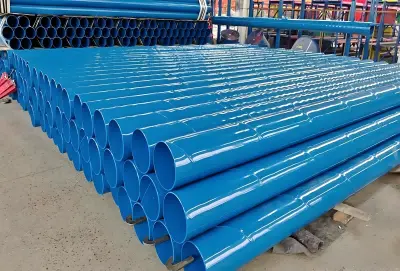
Understanding Anti-Corrosion Steel Pipe: What Makes It Essential for Your Project?
Before you place a large order, you need to know what makes anti-corrosion steel pipe different from other carbon steel items. Anti-corrosion coatings are like a barrier that stops or slows down the corrosion that forms on the metal surface of carbon steel pipe. When placed and cared for correctly, this protective barrier may add decades to the life of a pipeline.
The Science Behind Corrosion Protection
Steel interacts with the oxygen and moisture in its surroundings on its own. Over time, this reaction causes rust to form, which affects the pipe's structural integrity. Pipelines that are underground have much more problems. The process of degradation happens more faster when there are chemicals in the soil, groundwater, and stray electrical currents.
Compared to ordinary coatings, heavy anti-corrosion coatings are much better at resisting corrosion. They last more than 10 to 15 years in chemical, marine, and solvent environments. These protective coatings can last for more than five years if they are constantly exposed to acidic, alkaline, or saline environments in pipes.
Common Coating Types and Their Applications
To fulfil different operating needs, the anti-corrosion coating industry has come up with a number of protective technologies. Each form of coating has its own benefits that depend on where it is installed and what it is carrying.
3PE (Three-Layer Polyethylene) Coating: This popular option has an epoxy primer, an adhesive layer, and a polyethylene topcoat all in one. Steel pipes with a 3PE coating are strong, long-lasting, and resistant to acids, shocks, abrasives, and impacts. The multi-layer construction gives underground pipes that pass rocky ground or locations with a lot of heavy machine traffic great mechanical protection.
Under normal work temperature and pressure circumstances, 3PE epoxy coated steel pipe is stable and doesn't age quickly. Because of this, it may last more than 50 years. Because it lasts so long, it is the best choice for long-distance oil and gas transmission projects.
Fusion Bond Epoxy (FBE) Coating: Epoxy powder coating, which came out in the 1960s, uses electrostatic spraying to put powder on pipe surfaces that have been treated and heated beforehand. This makes a thick layer that protects against corrosion. FBE coatings are the best choice for jobs that need strong adhesion and resistance to chemicals. One of their best features is that they can work in a broad variety of temperatures, from -60°C to 100°C.
2PE (Two-Layer Polyethylene) Coating: This coating method is a cheap way to protect against mild corrosion. It protects against moisture and pollutants in the soil well, and it stays flexible while being installed.
Why Coating Quality Matters for Bulk Orders?
Ordering thousands of meters of coated pipe makes any quality problems much worse. A small problem with the thickness or adherence of the coating that might not seem like a big deal on one pipe might become a big problem when it happens on every pipe in a project.
An anticorrosion coating has to be able to accomplish a few things: it needs to be very resistant to corrosive, it needs to be able to keep liquids and gases from getting through, and it needs to stick well and be flexible so that it doesn't peel off when it vibrates or bends a little. All of the pipes in your bulk order must have these same qualities.
Key Steps in Bulk Ordering: From Specifications to Delivery
There is a set way to do bulk buying that works. Each phase builds on the one before it, laying the groundwork for the project's success. Skipping or hurrying through any step can lead to costly mistakes and delays.
Step 1: Define Your Technical Requirements Precisely
When you buy a lot of anti-corrosion steel pipes for a building, infrastructure, or industrial project, it's very important to know what your technical needs are. First, write down all the requirements for your project. This comprises the size of the pipe, the thickness of the walls, the grade of steel, the kind of coating, and the preparation of the ends.
Think about how your pipes will work in different situations. What kinds of temperatures will they face? Will they move fluids that eat away at things? How deep will they be buried? These things have a direct effect on the decisions you make about specifications.
The purchase order has to say how thick the steel pipe wall is, which is significant. The thickness of a wall impacts its pressure ratings and how strong it is. Using schedule numbers or actual millimetre dimensions might help you avoid misunderstandings with suppliers.
Step 2: Select Appropriate Standards and Certifications
There are international rules that control the manufacturing of steel pipes and the application of coatings. Setting the right criteria makes ensuring that your pipes meet quality and performance standards.
For pipe manufacturing, common standards include:
- API 5L: The American Petroleum Institute standard for line pipe used in oil and gas transportation
- ASTM A53: Standard specification for seamless and welded black and hot-dipped galvanized steel pipe
- EN 10210: European standard for hot-finished structural hollow sections
- AS/NZS 1163: Australian and New Zealand standard for cold-formed structural steel hollow sections
For coating standards, several international specifications apply:
- DIN 30670: German standard for polyethylene coating of steel pipes
- DIN 30678: Polypropylene coating specifications
- CSA Z245.20: Canadian standard for external fusion bond epoxy coating
- ISO 21809-1: International standard for polyolefin coatings
- AWWA C210/C213: American Water Works Association coating standards
FBE epoxy powder anti-corrosion implements specific technical specifications for single-layer fusion epoxy powder external coating of steel pipes. Always verify that your supplier can certify compliance with your required standards.
Step 3: Research and Compare Potential Suppliers
Because choosing the right supplier may affect the cost of buying things and the time it takes to finish a project, procurement managers should look into and evaluate many steel pipe suppliers before placing large orders. A close look at the disparities in price, skill, and service quality shows that they are not the same.
When evaluating suppliers, examine these critical factors:
- Production capacity and annual output
- Manufacturing equipment and technology
- Quality management certifications (ISO 9001, API, CE)
- Third-party inspection capabilities
- Previous project references and track record
- Geographic location and logistics advantages
Local suppliers offer shorter lead times and lower shipping costs with more personalized customer support. However, they may have limited inventory and higher unit prices due to regional constraints. Global suppliers often provide larger quantities at competitive prices, though communication and logistics require more attention.
Step 4: Request and Evaluate Quotations
Prepare a detailed request for quotation (RFQ) that includes all technical specifications, quantity requirements, delivery schedule, and quality documentation needs. Clear communication prevents misunderstandings that lead to disputes later.
For the best results, transactions of all sizes should be executed in writing via a formal quotation, followed by a written purchase order to avoid any misunderstandings and possible costly errors. The formal documentation should cover material specifications, pricing, payment terms, delivery dates, and warranty provisions.
Step 5: Negotiate Terms and Finalize the Purchase Order
For large-scale projects, negotiate multi-year frame agreements with key suppliers. This gives you the advantage of bulk discounts, stable pricing, and priority delivery. Long-term relationships often yield better terms than one-time transactions.
Once the ideal vendor is selected, the official Purchase Order is issued. This legally binding document clearly defines crucial terms including delivery terms (FOB, CIF, DDP), payment schedules, and any penalties for delayed delivery.
Step 6: Arrange Quality Inspection and Testing
Quality is non-negotiable. To ensure materials meet standards, third-party inspection agencies often verify materials before shipment. This includes checking Mill Test Certificates and confirming compliance with all relevant ASME, ASTM, and API standards.
The number of anti-corrosion steel pipes inspected is 20 per batch. Thickness inspection, pinhole testing with electric spark leak detectors, and adhesion tests verify coating quality meets specifications.
An electric spark leak detector must be used for inspection. The ordinary grade leak detection voltage is 2000V, the reinforced grade is 3000V, and the extra reinforced grade is 5000V. Proper testing at the source prevents receiving defective products that could compromise your project.
Step 7: Coordinate Logistics and Delivery
Proper planning is key when buying steel pipes in bulk. Aligning delivery schedules with project timelines helps prevent unnecessary storage fees and costly rush deliveries. Consolidating orders into fewer shipments reduces transportation costs while maintaining supply continuity.
Delivery typically occurs within 10-30 days depending on order quantity. Large bulk orders may require phased deliveries to match construction progress and available storage capacity.
Choosing the Right Manufacturing Partner: What to Look For
Your choice of supplier determines whether your bulk order becomes a successful procurement or a frustrating experience. Not all manufacturers offer equal capabilities, quality standards, or customer service.
Manufacturing Capabilities and Production Capacity
Suppliers having a lot of production capacity are needed for bulk orders. Make sure that your possible partner can meet your volume needs without sacrificing quality or delivery times.
Top pipe makers have more than one production line for each type of pipe. They make ERW (Electric Resistance Welded), LSAW (Longitudinal Submerged Arc Welded), and seamless pipes to meet a wide range of needs. Advanced tools make sure that the quality stays the same across long manufacturing runs.
Geographic Location and Logistics Advantages
Cangzhou City in Hebei Province is one of the most important places in China for making pipeline equipment. Manufacturers in this industrial hub benefit from established supply networks, a competent labour, and being close to Tianjin Port, which makes transporting goods overseas easier.
The high number of steel factories in the area makes raw materials much cheaper. There are a number of big steel mills nearby, which lowers the cost of materials for local businesses. These savings mean that bulk customers throughout the world may get good prices.
The site is just 100 kilometres from Tianjin and 250 kilometres from Beijing, making it easy to get to. This strategic location makes it easy to handle big cargo both inside and outside the country.
Quality Management Systems and Certifications
ISO 9001, ISO 14001, ISO 45001 system certification, a special equipment manufacturing licence, an API 5L certificate, an API 2B certificate, and a CE certificate are all things that good manufacturers get. These certificates show that you care about quality, the environment, and safety at work.
Before making your final choice of provider, ask for proof of all applicable certifications. Make sure that the certificates are still valid and cover the exact items you want to buy.
Technical Support and Customer Service
Good suppliers don't simply sell things. They help you choose the right specifications, propose the best applications, and solve problems all through your project.
Plan visits to customers to get guidance. Stay up to date on what your customers require and what challenges they have. Respond to the user's request within the day. Responsive communication keeps little problems from turning into big ones.
Partner with Longma Group for Your Bulk Anti-Corrosion Pipe Requirements
Ordering anti-corrosion steel pipe in bulk requires careful planning, technical expertise, and a trustworthy manufacturing partner. From defining specifications to coordinating delivery, each step influences your project's success. Quality coating systems protect your pipeline investment for decades, making supplier selection critically important.
Longma Group has served as one of China's leading ERW and LSAW steel pipe manufacturers since 2003. Based in Cangzhou City, Hebei Province—the heart of China's steel pipe industrial belt—the company benefits from strategic location advantages, established supply chains, and proximity to major shipping ports.
The company specializes in producing large-diameter, thick-walled, double-sided submerged arc welded steel pipe along with ERW pipes meeting diverse application requirements. By the end of 2023, annual output exceeded 1,000,000 tons, demonstrating production capabilities that easily handle the most demanding bulk orders.
Our Anti-Corrosion Steel Pipe Specifications:
- Pipe Standards: API 5L, ASTM A53, EN 10210, AS/NZS 1163
- Coating Standards: DIN 30670, DIN 30678, CSA Z245.20, EN 10339, ISO 21809-1, AWWA C210, C213
- Coating Type: Anti-Corrosion (3PE, 2PE, FBE, and custom specifications)
- Outer Diameter: 60.3mm – 1422mm
- Wall Thickness: 6.02mm – 50.8mm
Ready to discuss your bulk anti-corrosion steel pipe requirements? Our technical team provides expert guidance on specification selection, coating options, and logistics optimization. We offer competitive pricing, reliable quality, and responsive customer service to ensure your project succeeds.
Contact Longma Group today to request a quotation for your next pipeline project:
Email: info@longma-group.com
FAQs
Q1: What is the minimum order quantity for bulk anti-corrosion steel pipe?
A: Different manufacturers and types of products have different minimum order amounts. Most companies think that bulk orders start at 50 tonnes or more. Minimums may be greater for coatings that are not standard or that are not standard sizes. Get in touch with your supplier directly to talk about how many you need and what price ranges are available.
Q2: How long does it take to receive a bulk order of coated steel pipe?
A: The amount of time it takes to fill a bulk steel pipe order depends on how quickly the order can be processed, how easily the materials can be found, how much customisation is needed, how reliable the supplier is, how the manufacturing schedule works, and how the logistics work. Standard items may be shipped in 2 to 4 weeks, while special orders usually take 4 to 8 weeks. Deliveries of large amounts may need to be spread out across several months.
Q3: What documentation should I expect with my bulk pipe order?
A: Mill Test certifications (MTCs), records of coating application, third-party inspection reports, packing lists, and certifications of conformity are all things that good suppliers provide you. When shipping goods internationally, you will need commercial invoices, bills of lading, and certificates of origin. In your purchase order, always say what documents you need.
Q4: Can I request custom coating specifications for my bulk order?
A:Yes, established manufacturers may handle unique coating parameters as long as they are within their technical capability. This includes certain coating thicknesses, bespoke colours, and special rules for how to apply them. Minimum order amounts and wait times may change based on your specific needs.
Q5: How should anti-corrosion steel pipes be stored before installation?
A: Store pipes on level ground with adequate support to prevent bending or deformation. Protect coating surfaces from mechanical damage, UV exposure, and contamination. Unprotected staged pipe lengths are at risk of corrosion, particularly in areas where water collects inside the pipeline. Follow manufacturer guidelines for maximum storage duration.








