
To keep ISO 3183 L555 pipes from rusting, you need to use a lot of different methods, like protective coatings, cathodic protection, careful material choice, and strict quality control. Because it is used in harsh environments, this high-strength line pipe grade needs extra care. Its minimum yield strength is 555 MPa, and its tensile range is 625–825 MPa. Advanced surface treatments like three-layer polyethylene (3LPE) and fusion bonded epoxy (FBE), the right heat treatment to optimise the microstructure, and ongoing tracking systems that find early signs of degradation before integrity is weakened are all parts of effective corrosion management.
|
|
|
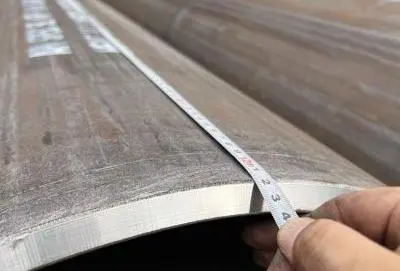
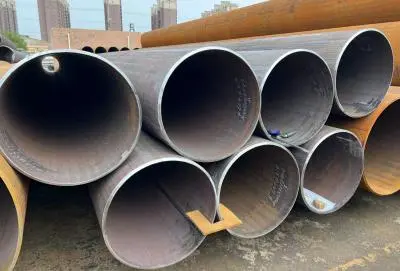
Corrosion in ISO 3183 L555 Line Pipes
Different types of high-strength ISO 3183 L555 pipes behave differently when it comes to corrosion than regular carbon steels. Knowing these differences helps you make better plans for prevention. The amazing mechanical properties of ISO 3183 L555 material come from controlled thermomechanical processing (TMCP), not just simple heat treatment. This creates a finer grain structure that changes how corrosive agents interact with the steel surface. This way of making things makes a material that is strong and tough, but the microalloying elements that make it work better can change how it reacts to electrochemistry in corrosive environments.
Common Corrosion Mechanisms Affecting High-Strength Line Pipe
Corrosion on the outside usually starts when protective coatings are damaged or when soil conditions make electrochemical cells that are aggressive. As pipelines go through different types of terrain, they are exposed to changing levels of moisture, soil chemistry, and microbial activity that make metal loss faster. Internal corrosion can be hard to deal with, especially when the gas is wet or when the fluid being moved has dissolved salts, carbon dioxide, or hydrogen sulphide in it. The low-carbon chemistry of the ISO 3183 L555 grade makes it naturally resistant to some types of corrosion. However, the composition of a material alone is not enough to protect it; it also needs to be protected by other systems.
Environmental Factors Accelerating Degradation
Measurements of soil resistivity tell us a lot about the chance of corrosion along pipeline routes. Low-resistivity soils easily let electricity flow, which allows galvanic corrosion to happen when different metals touch or when pipe properties change. Changes in temperature put stress on protection layers and make ways for water to get in. Subsea installations are always in salty water with dissolved oxygen that makes electrochemical reactions happen. Permafrost areas have special problems because the yearly thaw cycles concentrate harmful chemicals and make different air flow cells. When specifying protection systems for pipelines, designers must take these factors into account, knowing that ISO 3183 L555 pipe is used in harsh service conditions and needs just as strong corrosion management.
Proven Methods to Prevent Corrosion in L555 Line Pipes
Comprehensive corrosion prevention for ISO 3183 L555 pipes creates many layers of defence, so even if one breaks down, the others will still keep you safe. This extra safety measure is very important for pipes that are in hard-to-reach places where inspections are hard to do and failure would have bad results. The choice of material is the base, but the safety technologies used during production and installation decide how well the system will actually work. The strategies listed below are the best practices in the industry, as proven by the thousands of kilometres of operating pipelines in a wide range of environments.
Advanced External Coating Systems
Corrosive substances can't get to the steel surface because of the coatings that are on the outside. Three-layer polyethylene systems have an epoxy primer layer that sticks to ready-made steel, an adhesive copolymer middle layer, and a tough polyethylene topcoat that protects against damage while being handled and filled in. This coating architecture works reliably in temperatures ranging from -45°C to 80°C, which is the same as the service envelope for the ISO 3183 L555 grade. Fusion-bonded epoxy is an option when chemical stability and resistance to high temperatures are very important. The type of coating used depends on how it is installed. For example, field joint coatings need to be compatible with core systems and be able to work in situations where they can't be applied in a plant setting.
How well a surface is prepared has everything to do with how well a layer works. Using abrasive blasting to clean up to a level 2.5 removes mill scale and other impurities that could make adhesion less effective. Minimum requirements for coating thickness must be met, and too much buildup that could cause cathodic disbondment must be avoided. Quality manufacturers use automated application processes that keep an eye on the thickness, control the temperature, and look for holidays, which finds pinholes or thin spots in the pipes before they leave the factory. These controls set premium suppliers apart from those who only sell good products.
Cathodic Protection Integration
Cathodic protection systems change the electrochemical potential of a pipeline so that corrosion reactions can't happen. In systems with a sacrifice anode, reactive metals like magnesium or zinc are used to protect the steel cathode by rusting more quickly. This passive method works well in places with moderate corrosion and where a power supply is not practical. Protective current is driven by rectifiers and inactive anodes in impressed current systems. These systems offer exact control and work well in high-resistance soils where sacrificial anodes would quickly wear out. Cathodic protection is built into pipelines from the start, with groundbeds placed for optimal current flow and test points set up to ensure ongoing performance testing.
Proper coating and cathodic protection work hand-in-hand. Coatings greatly lower current needs, and cathodic protection takes care of coating failures and damage that will inevitably happen. Most of the time, high-strength pipe grades like ISO 3183 L555 have the same cathodic protection properties as lower-strength steels. However, when selecting materials for bad service, where hydrogen embrittlement is a concern, designers must make sure that the two are compatible. Collecting and analysing data at a test station shows where work needs to be done before localised rust turns into through-wall flaws.
Internal Corrosion Mitigation Strategies
Coatings or linings on the inside protect against corrosive media being transported. Epoxy-based systems stick to pipe interiors that have already been prepared, blocking wet gas vapour, created water, and slightly acidic fluids. Controlling the quality of the application is hard for large-diameter pipes because they need special tools and trained workers who can make sure the required thickness and coverage is met. Linings made of cement mortar for water service or polymer covers for very corrosive uses are other options. The choice of material strikes a balance between resistance to corrosion and flow efficiency. Smooth linings lower friction losses that affect pumping costs over the life of the pipeline.
Chemical inhibitors provide flexible internal protection when coatings aren't possible or when adding new features to old lines. Filming inhibitors stick to steel surfaces and make thin layers of protection that stop corrosive species from getting through. Protection can be kept up with batch treatment or constant injection. The dose rates depend on the chemistry, flow pattern, and temperature of the water. Because inhibitor programs need to be checked and changed all the time, they work best for people who have the technical know-how to run chemical treatment systems. The low-carbon chemistry of the ISO 3183 L555 grade usually works well with standard inhibitor formulations. However, for sour service applications, you may need special products that deal with hydrogen sulphide corrosion mechanisms.
Heat Treatment and Microstructure Optimization
For the ISO 3183 L555 grade, the required properties are usually reached through TMCP without any post-rolling heat treatment. However, weld zones need careful thermal management. When warmup temperatures and interpass controls are set correctly, hydrogen cracking is stopped and the toughness of the heat-affected zone is kept. Welding supplies that are low in hydrogen must be used, and the electrodes must be stored and handled in a way that keeps them from picking up wetness that could release hydrogen. In sour service, where hydrogen can cause cracks to start in weld defects, these safety measures become very important.
Normalising heat treatment should be included in manufacturing specifications when properties need to be improved or microstructures need to be smoothed out. This heat cleaning evens out the structure of the grains and removes any remaining stresses, but it costs a lot more. The procurement teams need to figure out if the costs are worth it for a certain application or if standard TMCP material with the right coatings and cathodic protection gives enough service life at a lower total cost.
Best Procurement Practices to Ensure Corrosion-Resistant ISO 3183 L555 Pipes
Clear technical specifications that tell potential suppliers what level of corrosion protection is expected for ISO 3183 L555 pipes are the first step in strategic procurement. It's more likely that you'll get material that meets minimum standards but doesn't meet the unique needs of the job if the requirements aren't clear. Specifications go into great detail about the qualities of the base material, the finishing systems, the testing procedures, and the paperwork that needs to be filled out so that it can be checked when it arrives. This upfront transparency keeps project plans and budgets safe and sets clear expectations for who is responsible for what.
Supplier Qualification and Certification Verification
Manufacturers with a good reputation keep multiple certifications that show their quality management system is mature. API 5L monogram licensing needs to be checked every year to make sure that the manufacturing and testing are following the rules. Getting ISO 9001 certification means that you have structured quality management, but this general standard doesn't cover the specific technical details of your industry. During the qualification process, potential suppliers should show proof of their certifications. Purchasing teams will check the authenticity of these documents by searching databases of issuing bodies. Going to a manufacturing plant in person shows if the equipment, methods, and people working there are up to par with the technical needs of the project, which is something that certificates alone can't do.
Working directly with manufacturers like Longma Group instead of going through middlemen makes communication easier and often leads to better prices because distributors don't have to pay as much in fees. When you deal directly with the factory, you can talk about customisation, coordinate production schedules, and solve quality issues without having to go through an intermediary. Established manufacturers with a wide range of international project experience can provide useful technical advice during the development of specifications, helping to spot potential problems before they affect production. This way of working together creates ties that go beyond single deals and turn into long-term supply relationships that help future projects.
Customization Options for Enhanced Corrosion Protection
Standard catalogue specifications work well for many uses, but customising them is often needed to get the best corrosion resistance. Making sure that the type and thickness of the external coating are right for the soil and the design of the cathodic protection system guarantees that it will work and be compatible. The internal coating or inhibitor compatibility rules talk about the properties of the media being carried. Higher standards for cleaning that lower the amounts of sulphur and phosphorus below the acceptable limits make it more resistant to hydrogen-induced cracking in bad service, but the costs of materials go up as a result.
In extreme service conditions, it may be okay to use a heat treatment specification that goes beyond standard TMCP processing. Normalising heat treatment evens out the microstructure and can improve the uniformity of properties across the thickness, but the effects on cost and lead time need to be carefully considered. When it comes to time and money, procurement teams have to weigh the benefits of customisation against the needs of the project. They need to keep in mind that standard products ship more quickly and cost less than customised ones. Quantity affects this calculation; for large orders, it makes sense to make changes to tools and processes that wouldn't be cost-effective for small orders.
Conclusion
To keep ISO 3183 L555 pipe from rusting, you need methods that take into account the material's qualities, its exposure to the environment, and its working conditions over the course of its lifetime. The high strength allows for thinner walls and better material economy, but it needs just as strict corrosion management to keep safety margins. Advanced coatings on the outside, cathodic protection systems, internal corrosion prevention, and quality assurance that checks protection systems work as planned are all parts of effective programs. Long-term results are directly affected by decisions made during procurement. For example, choosing qualified suppliers, specifying the right protective measures, and putting in place verification protocols are what separate successful projects from those that break down too soon. In the real world, investing in high-quality materials and complete safety systems up front is much cheaper than fixing corrosion problems in pipes that are already in use.
FAQs
What makes ISO 3183 L555 pipe more corrosion-resistant than lower grades?
Controlling the chemistry and fine-tuning the microstructure of ISO 3183 L555 pipe is more important than just its strength level when it comes to corrosion resistance. Ultra-low sulphur and phosphorus levels make it less likely that hydrogen will cause cracks in sour environments, and TMCP processing makes fine-grained structures that stop some types of corrosion. No matter the grade, protective layers and cathodic protection are still necessary because the rust resistance of the base material doesn't help much without external protection systems.
Can we specify additional corrosion protection during procurement?
Several factors that affect corrosion are controlled by procurement specifications. These include the type of coating, its thickness, and the quality of the application; the cleanliness of the base material through limits on sulphur and phosphorus; heat treatment processing; and testing protocols that make sure the integrity of the coating. When you involve providers early on in the process of writing specifications, you can find customisation choices that fit the needs of the project with the manufacturing capabilities. Clear sharing of service conditions lets providers suggest the right levels of security instead of just meeting the bare minimum.
How does heat treatment affect L555 pipe corrosion performance?
Standard ISO 3183 L555 material gets the right properties through TMCP without normalising heat treatment. This makes microstructures that are resistant to corrosion. Extra normalising heat treatment evens out the microstructure and can improve regularity through the width, which might make it more resistant to corrosion in some settings. But coatings and cathodic protection on the outside, not heat treatment of the base material, are what really stop corrosion. For long-term corrosion resistance, managing the heat in the weld zone during installation is more important than treating the heat in the base pipe.
Partner with a Trusted ISO 3183 L555 Pipe Manufacturer
Longma Group offers factory-direct ISO 3183 L555 pipe that is made to withstand harsh corrosion conditions in oil and gas transmission, offshore platforms and permafrost regions. Since 2003, we've been making more than 1,000,000 tonnes of LSAW and ERW pipe every year that meets API 5L PSL2 and ISO 3183 standards. We also offer full anti-corrosion services, such as 3LPE, FBE, and special finishing systems. Our dedication to industrial excellence is shown by our quality management standards, such as API 5L, ISO 9001, and HSE compliance. Additionally, our extensive paperwork packages with MTC, ITP, and MPS meet the needs of engineering contractors around the world.
We get high-quality raw materials from Bao Steel, HBIS, and other top mills. Before shipping, we use advanced heat treatment and checking methods to make sure the materials are complete. Our technical team works with procurement managers and pipeline engineers to find the best corrosion protection systems for each service environment, such as deep subsea installations or routes through permanent ice in the Arctic. Get in touch with our experts at info@longma-group.com to talk about your project needs, get detailed quotes, and find out how our ISO 3183 L555 pipe supplier can help you achieve your corrosion prevention goals.