
To pick the right API 5L X52 pipe for high-pressure uses, you need to know what the material needs to be, what the process needs, and how reliable the seller is. At least 52,000 psi (360 MPa) of yield strength and 66,700 psi (460 MPa) of tensile strength are found in the X52 pipe. Of course, this means it can be used in pipes for oil and gas, bases at sea, and harsh industrial systems.
When making a choice, it's important to think about mechanical qualities, production methods, certification compliance, and processes to make sure long-term performance and safety under extreme pressure.
|
|
|
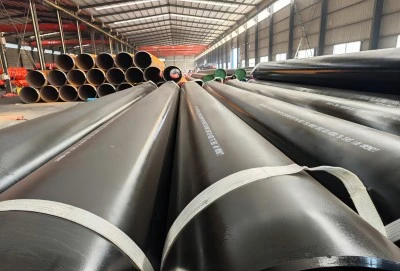
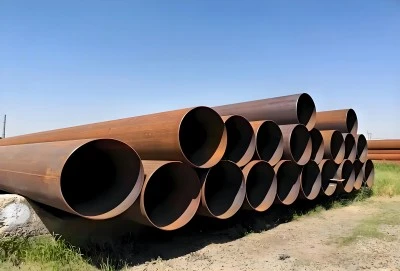
Key Factors to Consider When Selecting API 5L X52 Pipes for High-Pressure Pipelines
Pressure Rating and Safety Margins
You need to know about design pressure, changes in temperature, and safety factors that are needed by law in order to choose the right wall thickness. The API 5L X52 pipe can handle more stress than Grade B. This means that walls can be thinner and still hold the same amount of pressure. There will be less money spent on supplies and less weight to carry for jobs that are far away. Pressure spikes, temperature expansion, and outside loads must be taken into account by engineers when they set measures. If they do not, they might go too big or too small, which could be dangerous.
Environmental Compatibility Assessment
In addition to basic strength needs, working conditions can change the choice of material. Bases in the ocean have to deal with rust from the salt water and cathodic protection. Desert places have to deal with problems like sudden changes in the weather and sand washing away. To make sure that Arctic pipes are strong in cold weather, they need to be tested for impact at -40°C or lower. It works well in these conditions as long as the right PSL level, heat treatment, finishing methods are used, and the material is exposed to the right conditions (API 5L X52 pipe).
Diameter and Weight Logistics Planning
Choosing an upper width between 21.3mm and 2032mm changes the tools that are needed to handle it, how it is shipped, and how it is put in place. Larger diameter lines need special welding skills and heavy lifting equipment, but they are cheaper to pump because they lose less heat to friction. This is because of how heavy they are and how quickly they can be joined in the field. Standard lengths range from 6 to 18 meters. Beveled ends (BE) make it easy to get ready for welding, while plain ends (PE) work well with mechanical connection systems. The people in charge of getting things need to make sure that the pipes' specs match the shipping and installation tools that are on hand at the job sites.
Manufacturing Method Trade-offs
For high-pressure service that is important, smooth pipes don't need weld gaps. This is especially true for smaller sizes where loads change or service conditions are bad. The bigger and cheaper welded pipes are better for bigger jobs. Quality control today makes sure that the weld zones have the same properties as the parent material. Because they are stable, come in a lot of sizes, and are made well, LSAW pipes are the best choice for big transportation jobs. When it's important to save money, ERW pipes work well in delivery lines with low to middling pressure. If buying teams know about these differences, they can pick the choice that costs the least without sacrificing efficiency or safety.
Case Studies & Practical Tips
Successful High-Pressure Pipeline Implementation
Twenty kilometers of pipes under the water had to work at a design pressure of 1200 psi for a big offshore platform project in Australian seas. An in-depth stress study led the engineering team to choose API 5L X52 PSL2 LSAW pipes with a 3LPE finish. The pipes were 24 inches across and 18.3 mm thick at the walls. Charpy impact tests at -10°C showed that the material is strong enough to be put in place in cold, deep water. For tough underwater tie-in jobs, the API 5L X52 pipe had enough strength reserves while still being able to be soldered. The job was finished on time, and the final hydraulic tests showed that there were no problems. This shows how important it is to have clear standards for materials and good sources.
Avoiding Common Procurement Errors
If you mix up the standards for PSL1 and PSL2, it can make the requirements hard to understand and cause problems with compliance. API 5L X52 pipe PSL2 needs more tests and stricter limits on chemical makeup for important work, but PSL1 is less expensive and can be used for many things. People also often make the mistake of not realizing how hard it is to move large-diameter lines, which can lead to delays when delivery trucks can't get through the local infrastructure. Teams in charge of buying things should make sure that paths are clear, that there is enough store space, and that there is equipment for moving. Problems in the field and plan delays will be less likely to happen if this is done.
Practical Selection Strategies
By including companies early in the planning process, you can find chances for value engineering. They can tell you what combinations of width and wall thickness are best for science and keep costs low. Standardizing specs across project areas makes it easier to keep track of extra parts and cuts down on the number of different parts that need to be kept on hand. You can stay out of trouble with the law and get better project funding if you know about the local content rules and trade laws in the markets you want to reach. You can escape paying more for small extra packages that are needed because of changes in the field by adding "just in case" amounts to your first orders.
How to Source Reliable API 5L X52 Pipes Globally?
Manufacturer Certification Verification
Certified service providers keep their API 5L mark licenses up to date. This shows that they follow standards for production and quality control. Getting ISO 9001 approval shows that the ways you handle quality are well organized. Others, like ISO 14001 for taking care of the environment and ISO 45001 for health and safety at work, show that the company is generally running at a high level. Solicitation teams should get pictures of these certificates from sellers before they choose one and check with the groups that gave them to make sure the certificates are still good. This is what will make sure the goods are real and the rules are followed.
Quality Documentation Requirements
Full paperwork for tracking materials helps get the project passed by the government and backed by the people. MTCs, or mill test certificates, list the chemicals that are in each heat of steel and API 5L X52 pipe lot and the results of tests on their mechanical properties. The steps that need to be taken to make sure the product is made right are written down in inspection and test plans (ITPs). The manufacturing procedure standards (MPS) list the things that need to be considered when welding, the number of rounds for heat treatment, and the quality control checkpoints. Ultrasound, hydraulic, and X-ray checks that don't damage the goods have shown that it is still good. Engineering firms really like full paperwork packages that make the handover and approval processes easier.
Lead Time and Expedited Delivery Options
Standard sizes usually ship 30 to 45 days after an order is accepted. Popular sizes, on the other hand, may be in stock and can be sent out in as little as seven days. Higher prices are often okay for faster production plans because of the need to meet urgent project needs. It is important to be clear about delivery standards, shipping methods, and Incoterms to avoid misunderstandings that cost a lot of money. When a supplier has a shipping network in place in key areas like Australia, the Middle East, and Southeast Asia, they can make shipping plans that are flexible and fit the project's needs and budget.
Supplier Evaluation Criteria
Procurement professionals should look at more than just price. They should also see how well the seller can help with technology problems, how dedicated they are to service after the sale, and how well-known they are in the field. When a manufacturer has their own tech teams, they can help improve specs and give tips on how to use their goods. Service providers who do industrial tasks like threading, finishing application, and custom end preparation reduce the need for people further down the line to handle things. Client reviews and examples of past work show how trustworthy someone is and how well they can handle problems during tough installs. It is important for the long-term success of a project to get to know providers who are willing to work with you.
Conclusion
When picking the best API 5L X52 pipe for high-pressure pipes, you should think about how it works mechanically, how well it is made, whether it meets approval requirements, and how easy it is to get. To make sure safety and success over many years of use, it's important to know what the material is made of, how much pressure it can handle, and how well it works with other materials around it. To make choices that are good for the economy, you should compare grades based on how much they cost to own in total, not just how much they cost to buy. Project risks are kept to a minimum when you work with licensed makers who provide full instructions and professional help. If you read the specs carefully and compare different providers, you can avoid making mistakes that cost a lot of money and make sure that the installation of the pipeline goes smoothly in a lot of different places around the world and tough working conditions.
FAQs
What distinguishes X52 from other API 5L grades?
The minimum yield strength for API 5L X52 pipe is 52,000 psi (360 MPa), which puts it in the middle of grades X42 and X56. It doesn't cost as much as better grades and is strong enough for most oil and gas transportation jobs that work at low to high pressures. Because of the matched carbon counterpart, the metal can be soldered well and keeps its shape under the temperature and load changes that happen a lot in pipeline service.
Can X52 pipes withstand offshore environments?
API 5L X52 pipes always work in remote places as long as they are made to PSL2 standards and get the right impact tests and coatings to keep them safe. The right way to heat treat polyethylene keeps it strong at low temperatures so it can be used for projects under the sea. Three layers of protection keep things from rusting in salt water. When moving fluids that contain hydrogen sulfide, you need to use sour service grades (X52MS or X52QS) to avoid stress corrosion cracks.
How does heat treatment affect pipe properties?
When the grain is normalized with heat after welding, the hardness goes down and the tensile strength and impact toughness go up. This step gets rid of any pressures that were left over from shaping and welding. This makes the body more stable and less likely to break easily. Some API 5L X52 pipes can meet strict mechanical property standards all the way through, even in weld areas that might normally be weak spots in the structure. This is possible with the right heat treatment.
Partner with a Trusted API 5L X52 Pipe Manufacturer
You can choose from approved API 5L X52 pipes made by Longma Group, which has more than 20 years of experience and meets a lot of quality standards. Our production facilities cover 230,000 square meters and can make more than 1,000,000 tons of goods every year. This means that we can reliably serve projects of any size. We make pipes from 1/2" to 80" in size using the ERW, LSAW, DSAW, and SSAW methods. The wall thickness can be any number between SCH10 and SCH160 so that it can meet a lot of different power needs. A lot of paperwork, like MTC, ITP, and MPS, makes it easier for projects to get accepted, and quick delivery within seven days meets urgent needs. Our engineering team can help you come up with the best specs, and our manufacturing services, like applying coatings, beveling, and custom end preparation, make your life easier later on. Our expert staff can be reached at info@longma-group.com to talk about your high-pressure pipeline needs with a dependable API 5L X52 pipe supplier that is committed to quality, low prices, and the ability to ship goods all over the world.