
There are two standards that must be met before polyethylene coated steel pipe can be brought into the country. The first is the steel pipe standard, and the second is the coating standard. Longma Group sells pipes that are made to meet API 5L, ASTM A53, EN 10210, and AS/NZS 1163 standards. AWWA C210 and C213, DIN 30670 and DIN 30678, CSA Z245.20, EN 10339, and ISO 21809-1 are the rules for coating. The cost depends on the type of steel, the size (60.3–1422 mm outside diameter), the wall thickness, the number of coating layers, testing, freight, and duties. Not only the factory price, but also the cost of landing. This plan shows each step I would take.
|
|
|
Polyethylene Coated Steel Pipe Basics, Standards, and Coating Performance
What Is Polyethylene Coated Steel Pipe?
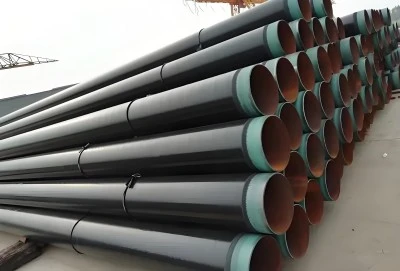
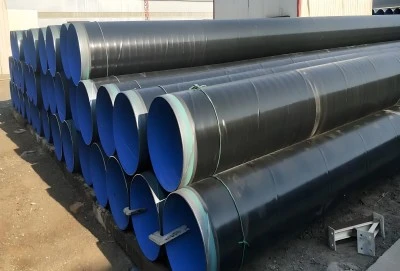
The term "polyethylene coated steel pipe" refers to steel pipe that has been coated with polyethylene at the factory to guard against corrosion and mechanical damage. The common 3LPE system has three layers that stick to the steel: an FBE primer, a copolymer adhesive, and an HDPE jacket on the outside. Epoxy that sticks to steel is called "sticky epoxy." HDPE protects against water, soil electrolytes, wear, and rearfill impact, and epoxy sticks to polyethylene. This coating on the outside should not be mixed up with the polyethylene lining or sleeving on the inside, as they are used for different things. A lot of people use transmission lines for oil and gas, water and sewage mains for cities, and horizontal directional drilling (HDD) crossings.
Pipe and Coating Standards and Specifications
As far as compliance goes, the steel pipe and the coating should be seen as two separate things. For pipes, we follow the rules set by API 5L, ASTM A53, EN 10210, and AS/NZS 1163. We manufacture pipes with outside diameter from 60.3 mm to 1422 mm and wall thickness from 6.02 mm to 50.8 mm. These standards are AWWA C210 and C213, DIN 30670 and DIN 30678, CSA Z245.20, EN 10339 and ISO 21809-1. Carefully study the clause, depending on the details, the right one for your project will be, before you place your order. A complete purchase specification includes size, wall thickness, steel grade, coating type, coating thickness, length, cutback, testing, labeling, packaging and paperwork for a purchase. The pipes shall conform to the reports of mill tests and coatings.
Coating Types, Thickness, and Performance
In a two layer (2LPE) system there is a polyethylene and an adhesive. FBE primer has been incorporated in a 3LPE (three layer) system. 3LPE is utilized in most cases on high pressure transmission lines as the primer improves the strength of the chemical bond and prevents cathodic disbondment. The thickness of the coating ranges from 1.8 mm to more than 4 mm, depending on the standard and the size of the pipe. The peel strength is sometimes more than 100 N/cm at 23°C and the water absorption is less than 0.1% even after protracted submersion. HDPE layer does not deform from -40°C to +80°C. It is a strong dielectric, which reduces the amount of current needed to operate cathodic protection devices. Include both the nominal and minimum thicknesses and the method of inspection. And make sure you know what the temperature limitations are for your service from your supplier, too.
How Polyethylene Coated Steel Pipe Is Made and How It Compares?
Manufacturing Process
Steel is the first thing that makes something good. Before applying the coating, we check the surface's condition, its size, the quality of the weld, and its chemical make-up. We get our ERW and LSAW pipes from mills in China, like TISCO, BX Steel, Shougang, HBIS, and Bao Steel. You can follow the raw materials from the time they are made to when they are sold. Next, we dust off the pipe and clean it to get rid of rust, mill scale, oil, and water. This makes the surface rough enough for the paint to stick to. Heat, FBE primer, adhesive, and polyethylene should come next in the right order. Then we look at the holiday, thickness, peel strength, visual flaws, adhesion, resistance to impact, and holiday. Separators, end protection, and markings that make it possible to keep track of the coating keep it safe while it's being shipped.
Advantages and Disadvantages
Best thing about it is it prevents water, soil corrosion, chemical exposure & impact. The coating won’t be affected by acids or bases or bacteria in the soil. And buried lines need less maintenance when the system is properly installed. The downside is real, too. Dragging, improper lifting devices, welding sparks, and hard handling in the field might harm the coating. To mend it you have to use materials that are compatible with it and the proper processes. PE is fine to 80 C. Lines that run excessively hot may need polypropylene which can take 110 C. Polyethylene does not protect the inside and is mostly hidden. Black PE contains carbon black , which protects it from UV light . So it can be stored outside . But it needs extra care when it is above ground for a long time.
Polyethylene vs. Alternative Coating Systems
Price is important, but you should also think about how the coatings will fit into the project. Impact and wear are very hard on polyethylene. This is helpful for rocky backfill and HDD pulls because the rock won't be able to wear away the epoxy primer on the outside. Bitumen or tape coatings don't work as well in trenchless work as that does. FBE sticks well on its own, but it doesn't protect against mechanical damage as well. Polypropylene does well when it's hot outside. It is possible to use hot-dip galvanizing in the open, but a thick polyethylene coat works better when used in buried soil. Hot-dip galvanizing, FBE, 2PP, 3LPE, 3PE, and 3LPE are all things that Longma Group does for the same pipe. This means you can get more than one quote from the same company.
Choosing Polyethylene Coated Steel Pipe and Understanding Import Costs
How to Choose Polyethylene Coated Steel Pipe for a Project?
Some of the service conditions you should start with are the corrosivity of the soil, the water table, chemicals, the operating temperature, the internal fluid, the design life, and the way the system was installed. Next, check the pipe's pressure and structural needs separately. The coating doesn't change the wall thickness or pressure rating, so make sure both are met. Make sure that the coating meets the project's needs. It is best to use 3LPE for tough buried transmission and other systems where temperature or chemistry calls for it. Also, check out the supplier. Look at their production capacity, how long they've been exporting, the tools they use for inspection, and any certifications they have. Then, write a full RFQ that lists all of your technical, commercial, delivery, packaging, and paperwork needs. EPC buyers don't have to go back and forth between the mill and the coater because they only have to deal with one source for pipe and coating.
Polyethylene Coated Steel Pipe Costs and Import Pricing
You can get quotes for polyethylene coated steel pipe by the meter, the ton, the piece, or the whole project. Things that most affect prices are the steel grade, the diameter, the wall thickness, the testing, the special ends, the packaging, the inland transport, the ocean freight, the insurance, the duties, and the local handling. A 3LPE system and a third-party inspection cost more at the beginning, but they make the service better. Factory prices don't show freight and duty, so I think you should find out how much it cost to ship the goods once they arrived at the port using the Incoterm you chose. People from the U.S. who want to bring goods into the country should talk to a licensed broker about the current duty rates and customs rules. They should also confirm any rules about domestic content on work that is paid for by the government. Besides MOQ and lead time, things like the number of orders, custom specifications, the availability of raw materials, port schedules, and inspection times can also change them.
Installation, Handling, and Service Life
A pipe often gets coating damage when it leaves the plant. Use padded slings, the right supports, separators, and end caps to keep things from getting cut, gouged, or worn down while they are being shipped or stored. This is very important for big shipments by sea. Before putting the pipes in place, check each one for steel that is showing, breaks in the bevels, holidays, and marking errors. Write down the results by the number of the pipe. Since the coating doesn't go all the way to the ends of the pipes, field joints need to be properly prepared and given a final holiday test. They may also need heat-shrink sleeves or repair patches that work with them. Contractors often worry about this, but it can be eased by matching the sleeve to the factory coating. If you follow DIN 30670 or ISO 21809 when installing pipes, they can last more than 50 years. The results can be different, though, depending on the soil, temperature, load, cathodic protection, and upkeep.
Selecting a Supplier and Preparing Your Import
How to Select a Polyethylene Coated Steel Pipe Manufacturer or Supplier?
Is the source a trade corporation, a coat plant, or a direct pipe manufacturer. Working directly with factories means speedier turn around for massive, special, or repeat orders for infrastructure." It also takes less time to respond to technical questions. Check the available diameters, coating systems, standards, inspection equipment, monthly capacity, MOQ, lead time and export references before you give the go-ahead. Make sure each certificate properly identifies the company that makes the product and the ways it can be used. The contract should set out what is required to accept the work, what happens if it doesn't match the requirements and who is accountable for repairing it. Most individuals think of it for one to three months before they decide to buy. That's why a lot of people that acquire an EPC undertake sample testing and a factory assessment before they join up.
Import Checklist for Polyethylene Coated Steel Pipe Buyers
A checklist can help you avoid technical confusion and delays. When it comes to the details, make sure you agree on the pipe standard, steel grade, length, width, operating conditions, ends, cutback, testing plan, audit schedule, and pipe standard. Set the quantity, the minimum order quantity (MOQ), the price, the terms of payment, the lead time, the freight assumptions, the destination port, the duties, and the costs of delivery. Get the cargo bill of lading, the certificate of origin, the mill test certificate, the coating test report, the certificate of conformity, the track record of the inspection, and the commercial invoice. Make sure you ask early on if the person in charge of your project or customs needs any translations or extra certificates. This company gives you the Material Test Certificate (MTC), the Manufacturing Procedure Specification (MPS), and the Inspection and Test Plan (ITP).
Why Buyers Work with Longma Group?
On a 230,000-square-meter site, Hebei Longma Group has been making ERW and LSAW steel pipe since 2003. They would have made more than 1,000,000 tons of steel every year by the end of 2023. We have customers from more than 90 countries. They do engineering work, stocking, and trading in imported goods. For environmental management, we have API 5L, ISO 9001, FPC, and ISO 14001 certificates. For health and safety at work, we have 18001 certificates. We can take care of all of your pipe and corrosion needs in one place. This includes welding, perforating, expanding, end treatments, FBE, 2PP, 3LPE, and 3PE, as well as hot-dip galvanizing. EPC teams can work together better with this pair, which also keeps records for both the pipe and the coating in one place.
Conclusion
When buyers bring in polyethylene coated steel pipe, they should treat the steel and the coating as two separate items that need to be met. API 5L, ASTM A53, EN 10210, and AS/NZS 1163 are the rules for pipes. DIN 30670, ISO 21809-1, and the other rules on the list are what you need to follow for coatings. An FBE primer, an adhesive, and an HDPE jacket make up a 3LPE system. This helps protect against damage and corrosion in buried service up to 80°C. If you want to compare prices, the landed cost is the best way to do it since it takes into account things like steel grade, size, coating, testing, freight, and duties. If you handle the coating carefully, make sure it has matching field-joint sleeves, all the necessary paperwork is in order, and you check out the supplier, it should work as it should.
FAQ
What is the difference between 2LPE and 3LPE?
There is only polyethylene and an adhesive layer in 2LPE. An FBE primer is added to 3LPE to make it stick together better and stop cathodic disbondment. This makes it good for high-pressure transmission lines.
What is the maximum service temperature for PE coating?
Even when it's 176°F (80°C), standard PE coatings can still be used. Most of the time, polypropylene coating is best for temperatures up to 110°C.
Does API 5L certification cover the coating?
The steel pipe is not covered by API 5L. You should ask for both a coating test report and a certificate of conformity separately.
How are field joints protected?
The coating stops before the pipe ends so that the crews can weld. Heat-shrink sleeves are put over the weld area after a holiday test.
Is the coating UV resistant?
Carbon black is added to black PE to protect it from UV light, so it can be kept outside. Since PE is meant to be buried, it usually needs UV-resistant paint or additives to be used above ground for a long time.
Request Polyethylene Coated Steel Pipe Quotes from Longma Group
You can email Longma Group at info@longma-group.com with your drawings, standards, and order amounts. After that, our team will look at what you need in terms of polyethylene coated steel pipe. We can make ERW or LSAW polyethylene coated steel pipe. We can also give you the pipe, the 3LPE coating, and the ITP, MPS, and MTC documents. We can tell you more about our products if you go to longma-group.com and tell us your diameter, wall thickness, standard, and delivery port.