
When buying high-quality zinc coated pipe from China, it's important to know the grades, minimum order quantities (MOQ), and lead times for the project to be successful. Most of the time, Chinese companies make pipes that fulfill API 5L, ASTM A53, and EN10210 requirements. The zinc coating on these pipes may be anywhere from 85 to 600 microns thick. Standard minimum order quantities (MOQs) are between 10 and 25 tons, and lead times are between 15 and 45 days, depending on the specifications and coating needs. The zinc coating technique makes these pipes very resistant to corrosion, so they are perfect for transporting oil and gas, building offshore platforms, and supplying water in tough conditions.
China's steel pipe manufacturing industry has grown into a worldwide powerhouse, making more than 400 million tons a year. This full reference leads engineers and project managers through the whole procurement process, helping them understand technical specifications, compliance standards, and how to choose the best suppliers.
|
|
|
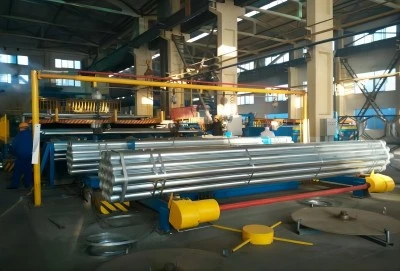
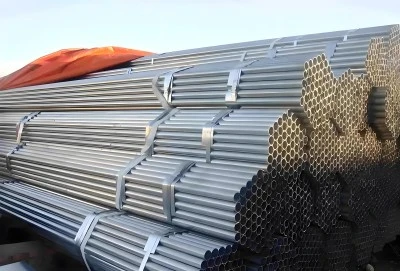
Why Source Zinc Coated Pipe from China?
Manufacturing Excellence and Scale
China's steel pipe sector has the most production capacity in the world, and its factories use the most modern technology. In Chinese factories, the zinc coating process usually uses hot-dip galvanization technologies, which make sure that the zinc layer is well distributed and provides better protection against corrosion. Automated manufacturing machines used by big companies can make pipes with outer diameters from 60.3mm to 1422mm and wall thicknesses from 6.02mm to 50.8mm.
The production infrastructure has advanced quality control systems, devices for monitoring in real time, and full testing labs. These facilities strictly follow international standards, which makes sure that the quality of the products is always the same, even for big orders.
Cost-Effectiveness Without Compromising Quality
Chinese makers of zinc coated steel pipes have lower costs because they can produce more pipes at once and use more efficient production methods. Integrated supply chains, where raw materials come from domestic steel mills like Shagang and Bao Steel, help keep costs down by lowering shipping costs and lead times.
Optimized production processes and innovative automation technology keep manufacturing prices competitive. This cost-effectiveness lets project managers better plan budgets while still meeting strict quality standards for important infrastructure projects.
Technological Innovation and R&D Investment
Top Chinese producers spend a lot of money on research and development, concentrating on better ways to make zinc alloys and apply coatings. These new ideas make pipes last longer and be more durable, which is very useful for building offshore platforms and in corrosive situations.
As part of technical progress, specialist coating standards like DIN 30670, CSAZ245.20, and ISO21809-1 have been created to make sure that they work with worldwide project specifications and rules.
Understanding Technical Specifications and Industry Standards
Critical Material Grades and PropertiesMost zinc-coated pipes made in China use high-quality steel substrates that fulfill a number of international requirements. The PSL1 and PSL2 standards for API 5L grades span grades B through X80 and give yield strengths from 245 MPa to 555 MPa. These grades make sure that structures stay strong even when they are under a lot of pressure, which is frequent in oil and gas transportation networks.
ASTM A53 Grade B standards ensure that water supply systems and general structural applications work well. The steel's carbon content is regulated, which makes sure that it can be welded and has the right mechanical qualities for field installation.
Bridge building and offshore platform applications employ structural hollow sections that meet EN10210 specifications. These specs set exact limits on the size, surface quality, and mechanical properties that are needed for engineering calculations.
Zinc Coating Standards and Performance
The thickness of the zinc coating has a direct effect on how long it lasts and how resistant it is to corrosion. DIN 30670 says that the minimum coating thickness for conventional uses is 100 microns. However, ISO21809-1 says that offshore situations may need 400 to 600 microns.
Hot-dip galvanized coatings make metallurgical connections between zinc and steel substrates, which makes protective layers. The zinc layer protects the steel structure by corroding first, which protects the steel structure. This electrochemical protection system works especially well in maritime settings and factories.
The AWWA C210 and C213 standards set rules for how to use water pipes, including how well the coating sticks and how well it can handle impact. These standards make guarantee that municipal water distribution systems and industrial process pipework will work well for a long time.
Quality Testing and Inspection Protocols
Comprehensive quality testing includes dimensional verification, coating thickness measurement, and adhesion testing. Manufacturers employ magnetic induction gauges for non-destructive coating thickness evaluation, ensuring uniform zinc distribution across pipe surfaces.
Bend testing evaluates coating flexibility and adhesion under mechanical stress. Standard procedures involve bending pipe samples to specific radii while monitoring coating integrity and identifying potential delamination issues.
Chemical composition analysis verifies steel grade compliance and coating purity. Spectroscopic analysis confirms carbon content, alloying elements, and zinc coating composition meet specified requirements.
Complete Import Process and Trade Procedures
Initial Inquiry and Technical SpecificationThe procurement process begins with detailed technical inquiries specifying pipe dimensions, coating requirements, and applicable standards. Project managers should provide comprehensive specifications including outer diameter ranges, wall thickness requirements, and coating thickness parameters.
Zinc coated pipe supplier qualification involves evaluating manufacturing capabilities, quality certifications, and previous project experience. This assessment includes facility audits, reference checks, and technical capability verification.
Sample approval procedures may require prototype production and testing to validate manufacturing capabilities. These samples undergo comprehensive testing including dimensional verification, coating thickness measurement, and mechanical property evaluation.
Quotation Analysis and Commercial Terms
FOB (Free On Board) clauses are often included in price quotes. This means that suppliers take care of export paperwork and bring items to the port of departure. When you buy something with FOB conditions, you are responsible for shipping it internationally, getting insurance, and clearing it through customs.
CIF quotes include delivery to the target port with insurance. This setup makes managing logistics easier, but it might lead to higher total costs because suppliers charge more for shipping services.
The lowest stated price is EXW (Ex-Works), but customers have to take care of all the paperwork for exporting and importing. This choice is good for experienced importers who already have good logistical networks and know how to clear customs.
Contract Negotiation and Purchase Order Processing
Purchase agreements should spell out in full the technical requirements, quality standards, and inspection methods. Terms of a contract must include delivery timetables, penalty clauses, and quality guarantee clauses.
Proforma invoices (PI) make business terms like prices, payment schedules, and delivery plans official. These papers are like preliminary contracts before the final purchase order is confirmed.
Letter of credit agreements make overseas transactions safer financially. With documentary letters of credit, suppliers must show certain transportation papers, such as commercial invoices, packing lists, and bills of lading.
Production Monitoring and Quality Control
Production schedule coordination makes ensuring that the deadlines for making things match the needs of the project. Regular reports on progress help find possible delays and take steps to fix them.
Third-party inspection services check the quality of goods throughout manufacturing and before they are sent. These examinations verify the dimensions, the thickness of the coating, and the paperwork.
When a factory accepts an order, client representatives may be present for final inspections and provide their approval for shipping. This method makes sure that customers are completely happy before their items leave the factory.
Shipping and Logistics Coordination
Freight booking requires coordination with international shipping lines and logistics providers. Container loading procedures must protect pipe coatings from damage during transportation.
Commercial invoices with product specifications and values, packing lists that show what is inside a container, and certificates of origin that prove where the product was made are all examples of export documentation.
Bills of lading are shipping contracts and title documents that let goods be released at the ports of destination. These papers must correctly describe the cargo and the person who will receive it.
Import Clearance and Customs Procedures
Using harmonized system codes to correctly classify products is a must for customs declaration processes. Different countries and types of goods have different import charges and levies.
Customs authorities may need to sample and test products to make sure they meet import rules as part of their quality inspection. Proper paperwork speeds up the process of getting things cleared and prevents delays.
Delivery coordination comprises getting things from ports to project sites, unloading them, and making plans for storage. Handling things correctly keeps the coating from becoming damaged and keeps the product safe.
Why Longma Group Stands as Your Ideal Import Partner?
Manufacturing Excellence and Production CapacityLongma Group has been one of China's top steel pipe makers since 2003. It has registered capital of more than 441.8 billion yuan with factories that occupy 230,000 square meters. The corporation can make a lot of things since it produces more than 1,000,000 tons of goods each year.
The manufacturing capabilities include Electric Resistance Welded (ERW) and Longitudinal Submerged Arc Welded (LSAW) technologies, which make it possible to make pipes with thick walls and big diameters that can handle tough jobs. Advanced manufacturing tools make sure that every run has the same quality and perfect control over dimensions.
Longma Group only gets raw materials from well-known domestic steel mills like Shagang, Shangang, TISCO, and Bao Steel. This guarantees that the quality of the materials is always the same and that the supply chain is always reliable. This technique makes it possible to track everything from raw ingredients to completed goods.
Comprehensive Technical Standards Compliance
The company maintains extensive certification portfolios covering major international standards including API 5L PSL1 and PSL2 grades from B through X80, ISO 3183 specifications, and ASTM standards for various applications. This comprehensive compliance ensures compatibility with diverse project requirements across global markets.
EN10219 certification enables supply to European markets with grades S235, S275, and S355 in various impact toughness categories. AS/NZS 1163 compliance facilitates Australian and New Zealand project participation with appropriate structural steel grades.
Quality management systems certification under ISO9001, environmental management certification under ISO14001, and occupational health and safety certification under ISO18001 demonstrate comprehensive operational excellence and regulatory compliance.
Advanced Coating and Fabrication Services
Longma Group provides complete anti-corrosion services including hot-dip galvanizing, FBE (Fusion Bonded Epoxy), 2PP, 3LPE, and 3PE coating systems. These comprehensive coating options enable optimal corrosion protection for specific environmental conditions and service requirements.
Fabrication services encompass welding, perforating, expanding, and specialized end treatments for mating connections. This capability enables delivery of ready-to-install pipe systems, reducing field installation time and costs.
Heat treatment procedures fortify welded joints and optimize material properties for demanding service conditions. Sophisticated inspection equipment ensures detection of any inconsistencies before shipment approval.
Customer-Centric Service Approach
The company serves diverse customer segments including engineering contractors, stockists, and import traders across 90+ countries. This extensive experience provides deep understanding of regional requirements and regulatory compliance needs.
Comprehensive documentation packages include Inspection and Test Plans (ITP), Manufacturing Procedure Specifications (MPS), Material Test Certificates (MTC), and project-specific quality documentation. This thorough documentation facilitates engineering approval processes and regulatory compliance verification.
Technical support services assist with specification development, application engineering, and installation guidance. This expertise proves valuable for complex projects requiring specialized technical solutions.
Supply Chain Reliability and Lead Time Management
Production Planning and SchedulingStandard production lead times range from 15-45 days depending on pipe specifications, coating requirements, and order quantities. Simple galvanized pipes with standard dimensions typically require 15-20 days, while complex specifications with specialized coatings may extend to 30-45 days.
Production scheduling considers raw material availability, manufacturing capacity, and coating line accessibility. Advance planning enables optimization of production sequences and minimization of delivery times.
Rush order capabilities accommodate urgent project requirements through production priority adjustments and overtime scheduling. These expedited services may involve premium pricing but ensure critical project timeline compliance.
Quality Assurance and Inspection Scheduling
In-process quality control procedures include real-time monitoring of coating thickness, dimensional verification, and surface quality assessment. These continuous monitoring systems prevent quality deviations and reduce rework requirements.
Final inspection procedures encompass comprehensive testing of mechanical properties, coating adhesion, and dimensional accuracy. Third-party inspection services coordinate with production schedules to minimize delays.
Documentation preparation includes compilation of test certificates, inspection reports, and shipping documentation. Efficient documentation processes ensure timely shipment authorization and customs clearance preparation.
Port Operations and Export Efficiency
Chinese port infrastructure provides excellent connectivity to global markets with efficient container handling and customs clearance procedures. Major ports including Shanghai, Tianjin, and Qingdao offer regular shipping services to international destinations.
Export documentation processing typically requires 2-3 days for preparation and customs approval. Proper advance planning and documentation accuracy minimize port delays and ensure scheduled departures.
Container loading procedures protect pipe coatings through proper cushioning and securing methods. Experienced loading teams prevent damage during handling and transportation phases.
Conclusion
Sourcing high-quality zinc coated pipe from China requires careful attention to technical specifications, supplier qualification, and logistics management. Chinese manufacturers offer compelling advantages through advanced manufacturing capabilities, competitive pricing, and comprehensive quality management systems. Success depends on establishing clear communication channels, implementing robust quality control procedures, and developing strong supplier partnerships.
The investment in proper due diligence and relationship building pays dividends through reliable supply chains, consistent product quality, and competitive project costs. Longma Group exemplifies the capabilities available from leading Chinese manufacturers, offering comprehensive solutions for demanding infrastructure projects across global markets.
Partner with Longma Group for Your Zinc Coated Pipe Requirements
Longma Group stands ready to support your zinc coated pipe procurement needs with over 20 years of manufacturing excellence and global project experience. Our comprehensive manufacturing capabilities, spanning ERW and LSAW technologies, ensure optimal solutions for oil and gas transportation, water supply systems, and offshore platform construction projects.
Contact our technical team at info@longma-group.com to discuss your specific requirements and receive detailed quotations tailored to your project specifications. As a leading zinc coated pipe manufacturer, we provide complete documentation packages, flexible payment terms, and reliable delivery schedules that meet the demanding requirements of international infrastructure projects.
Our experienced engineering support team assists with specification development, coating selection, and application guidance throughout your procurement process. Trust Longma Group to deliver the quality, reliability, and service excellence your projects demand in today's competitive global marketplace.
FAQ
What are the standard grades available for zinc coated pipes from China?Chinese manufacturers typically offer API 5L grades including PSL1 and PSL2 specifications from Grade B through X80, ASTM A53 Grade B, EN10219 grades S235/S275/S355, and AS/NZS 1163 grades C250 through C450. These grades provide yield strengths ranging from 235 MPa to 555 MPa suitable for various applications.
What is the typical minimum order quantity for zinc coated pipes?
Standard MOQs range from 10-25 tons depending on pipe specifications and coating requirements. Large diameter pipes may have lower quantity requirements due to higher individual weights, while smaller diameter pipes typically require higher piece quantities to meet minimum tonnage thresholds.
How long are the typical lead times for zinc coated pipe production?
Production lead times vary from 15-45 days based on specifications and order complexity. Standard galvanized pipes require 15-20 days, while specialized coatings and non-standard dimensions may extend to 30-45 days. Rush orders are possible with premium pricing and scheduling adjustments.
What coating thickness options are available for different applications?
Coating thickness ranges from 85 microns for standard applications to 600 microns for severe corrosive environments. Water supply systems typically use 85-200 microns, while offshore applications require 400-600 microns according to ISO21809-1 standards. Custom thickness specifications are available for specific project requirements.