
API 5L Gr B pipe, also recognized as L245 carbon steel line pipe, serves as a dependable solution for low-pressure natural gas transmission systems. With a minimum yield strength of 245 MPa and excellent weldability, this pipe grade addresses critical requirements in distribution networks where operational pressures typically range from 1 to 300 psi. Its cost-effectiveness, ready availability, and compliance with international standards make it a practical choice for gathering lines, municipal distribution systems, and industrial gas supply projects across global markets.
|
|
|
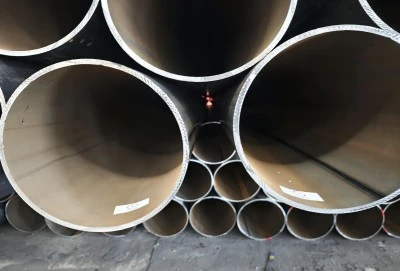
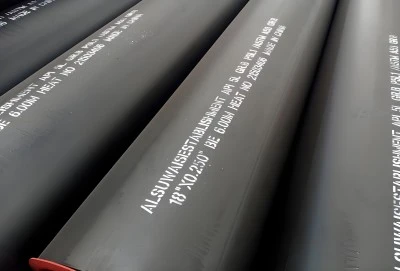
Understanding API 5L Gr B Pipe – Specifications and Properties
It is important to understand the technical background when looking at pipe materials for natural gas systems. The API 5L Gr B pipe is made of standard-grade carbon steel and is intended to carry oil, gas, and water in a variety of operating settings. The American Petroleum Institute sets strict rules about what it is made of, how it should behave mechanically, and the quality of the production process.
Key Industry Standards and Manufacturing Processes
There are two levels of product specifications for API 5L Gr B pipes, which are PSL1 and PSL2. PSL1 quality is normal and good for most common uses. PSL2 quality has tighter rules for chemical limits, mechanical testing, and non-destructive examination. Electric Resistance Welded (ERW) and Longitudinal Submerged Arc Welded (LSAW) are two types of welding that can be used in the production process. Depending on the width, wall thickness, and pressure needs, each method has its own benefits. Hebei Longma Group uses both ERW and LSAW manufacturing methods to make sure that the pipes they sell are precisely designed and meet API 5L PSL1 and PSL2 standards. You can track the whole process, from where the raw materials come from to the final review.
Chemical Composition and Mechanical Properties
The chemicals that make up Grade B pipe have a direct effect on how well it works in the field. For soldered pipes, the carbon content usually doesn't go above 0.28%, and manganese can go up to 1.20 % to make the pipes stronger and tougher. Phosphorus and sulfur levels that are controlled—no more than 0.030 percent of the total—make it less likely that the metal will break easily or crack hotly during welding.
When it comes to strength, Grade B pipe has a minimum yield strength of 245 MPa and a minimum tensile strength of 415 MPa. This profile's high strength allows it to work reliably under modest pressure loads while still being flexible enough to bend in the field and be installed in different ways. Depending on the type of piece and the width of the pipe, elongation values are usually between 22 and 30 percent. This makes sure that the material can handle stress without breaking completely.
Corrosion Resistance and Protective Coatings
It is natural for carbon steel lines to need protection from environments that are corrosive, especially when they are underground or exposed to water and dirt pollutants. Fusion Bonded Epoxy (FBE), three-layer polyethylene (3LPE), and two-layer polypropylene (2PP) are frequently used with API 5L Gr B pipe as surface coats. These coats protect well against electrolytic corrosion, which greatly increases the service life of underground gas transportation networks.
How well internal rust is protected relies on the quality of the gas being moved. Dry natural gas with low levels of hydrogen sulfide and carbon dioxide doesn't cause much rusting inside, so steel chambers can be used. When there is sour gas or wetness, an interior coating or inhibitor injection is needed. Early on in the planning process, procurement managers should make sure that the finishing needs are clear so that the project can work with the surroundings and follow the rules.
Suitability of API 5L Gr B Pipe for Low-Pressure Natural Gas Transmission
Usually, low-pressure natural gas systems work between 1 and 300 psi and serve people in homes, businesses, and light factories. These operational factors work well with the size and strength of API 5L Gr B pipe, which strikes a good mix between performance and cost-effectiveness.
Dimensional Standards and Pressure Ratings
API 5L Gr B pipes come in sizes ranging from 1.5 inches to 48 inches or more, and wall thicknesses ranging from Schedule 10 to XXS (Double Extra Strong). The pressure grade of a pipe is based on its diameter, wall thickness, and the strength of the material. This is worked out using methods from codes like ASME B31.8 for gas transportation pipelines.
When used in low-pressure situations, Grade B pipe with a standard wall width gives you a lot of room for error. With the right design factors, a 12-inch diameter pipe with a 0.250-inch wall thickness and a yield strength of 245 MPa can safely handle pressures higher than normal distribution levels. Because of this, Grade B pipe is a good choice for gas networks in cities, heads for industrial plants, and gas supply lines in farms.
Case Studies and Performance Comparisons
API 5L Gr B pipe has been used successfully in low-pressure natural gas uses on infrastructure projects in the Middle East and Australia. As an example, transport networks that serve gas processing plants were very important because they had to be able to predict how materials would behave, make welding easier, and keep costs low. These installations showed that Grade B pipe works well when it's put in the right place and under the right conditions, especially when it's used in areas that aren't sour and have a limited corrosion potential.
When it comes to low-pressure uses, Grade B pipe is safer than higher-grade options like X42 or X52 because it uses less expensive materials. The modest yield strength is enough for working pressures below 300 psi, and the excellent weldability cuts down on installation time and costs for workers. Grade B, on the other hand, isn't good for high-pressure transmission trunk lines or uses with bad gas without extra material qualification.
Advantages and Limitations
When sending low-pressure gas, Grade B pipe is a good choice because it is easy to find, can be welded using normal methods, and is cheap enough for projects that need to stick to a budget. Its mechanical qualities meet the needs of distribution networks without being over-engineered. This cuts down on capital costs while keeping safety and compliance in mind.
When project conditions go beyond the material's design range, it has limitations. It is not suggested to use Grade B pipe in high-pressure transmission systems above 600 psi, in settings with very low temperatures that haven't been tested for impact, or in sour service conditions unless extra testing proves that the pipe is resistant to cracking caused by hydrogen. When engineers understand these limits, they can choose materials that meet the needs of the particular job.
Comparison with Alternative Pipes for Natural Gas Transmission
In pipeline projects, choosing the right material means comparing different choices based on performance, cost, and lifecycle factors. Even though API 5L Gr B pipe works well in many low-pressure situations, other materials should be thought about based on the needs of the job.
Higher-Grade API 5L Pipes
The yield strengths of API 5L X42, X46, and X52 grades are 290 MPa, 320 MPa, and 360 MPa, respectively, stronger than Grade B's 245 MPa. These higher types allow wall parts to be thinner while still holding the same amount of pressure, or they can handle higher pressures while keeping the wall thickness the same. Even though they cost more, these options may be better for projects that are limited by room, weight, or high pressure zones.
When choosing a better grade, the total cost of installation should be taken into account, not just the price of the material. Thinner-wall X52 pipe might be cheaper to ship and handle, which could make up for its higher unit cost. But in low-pressure situations where the wall width is already very thin, the cost benefit is lessened, making Grade B a better choice.
Seamless Versus Welded Pipe Variants
Seamless pipe, which is made without longitudinal welds, should be more reliable for important or high-pressure work. However, the process of making them limits the diameters that can be used and greatly raises the cost. Welded lines made with ERW or LSAW methods work very well for most natural gas uses, and current quality control makes sure that the weld integrity is the same as the base material.
The ERW and LSAW factories of Longma Group make welded Grade B pipe with full-penetration welds that are tested with ultrasound and x-rays. This strict checking process makes sure that welded pipes meet high performance standards and keep their cost benefits over seamless pipes.
ASTM A106 and Other Standards
API 5L Gr B and ASTM A106 Grade B have similar chemical makeups. However, ASTM A106 Grade B is designed for high-temperature pressure pipes in process plants instead of pipeline transfer. Though they can be used in many situations, API 5L pipe is made to be tough, easy to weld, and have the right size limits for field conditions because it is used in pipelines.
Stainless steel pipe is better at resisting rust, but most natural gas delivery networks can't afford it. Most of the time, it can only be used in specific service situations with highly acidic gases or strict contamination issues.
Conclusion
When designed and fitted correctly, API 5L Gr B pipe is a useful and affordable option for low-pressure natural gas transmission lines. It can be used for distribution networks, gathering lines, and industrial gas supply uses that work below 300 psi because of its mechanical qualities, ability to be welded, and wide availability. By knowing what the material can and can't do, you can make smart choices about what to buy that balance performance needs with price limits. Choosing qualified providers, following tried-and-true installation methods, and staying in line with all relevant codes and standards throughout the asset's lifecycle are all important for a successful application.
FAQ
Can API 5L Grade B pipe handle low-pressure natural gas safely?
When built according to ASME B31.8 or a similar code, API 5L Gr B pipe can safely handle low-pressure natural gas uses up to about 300 psi. With the right choice of wall thickness and design factors, the 245 MPa yield strength gives you enough safety reserves for normal distribution pressures.
What certifications should I verify when purchasing Grade B pipe?
Check for API 5L approval, compliance with the ISO 9001 quality management system, and mill test records that show the chemical make-up and mechanical testing results. Additional records, such as impact test data and non-destructive examination records, are needed by PSL2 standards.
How does Grade B compare to X42 for low-pressure applications?
For levels below 300 psi, Grade B has the same efficiency as X42 but costs less. The higher yield strength of X42 is good for high-pressure systems but not so good for low-pressure ones where the wall thickness is already too thick to meet basic manufacturing standards. Because of the difference in cost, Grade B is usually better for delivery networks.
Partner with Longma Group for Reliable API 5L Gr B Pipe Supply
To get high-quality line pipe, you need to find a reliable API 5L Gr B pipe maker that can do business all over the world. Longma Group has been making things for over 20 years and has a lot of quality control systems in place to make sure that their pipe goods meet all the requirements for difficult pipeline projects. Our ERW and LSAW factories keep their API 5L, ISO 9001, and plant production control certifications up to date. This makes sure that every pipe we make meets strict international standards. Whether your project needs PSL1 or PSL2 specs, standard or unique sizes, or special coating applications, our technical team is here to help you from the moment you ask for help until the product is delivered. Get in touch with info@longma-group.com right away to talk about your needs with skilled experts who know how important it is to buy pipeline equipment.








