
Yes, API 5L X42 PSL1 pipe is very well suited for oil and gas pipelines, especially in low- to medium-pressure applications where cost-effectiveness and dependable performance are critical. This pipe grade has a minimum yield strength of 42,000 psi (290 MPa) and offers the mechanical integrity needed for moving hydrocarbons across all types of terrain while balancing cost. Its established track record in midstream collection lines, onshore gearbox systems and industrial fluid transport makes it a go-to option for procurement managers and pipeline engineers throughout the globe looking for a standardised, certified solution at a lower cost than higher specification levels.
|
|
|
Introduction
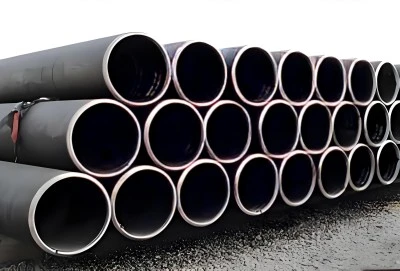
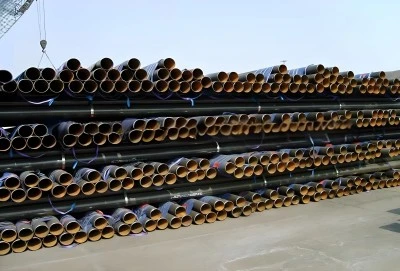
Choosing the proper pipe specification affects project safety, duration, and expense. In the oil and gas business worldwide, API 5L X42 PSL1 carbon steel line pipes are common. It's their knack for balancing structural performance with affordability. American Petroleum Institute standards were followed for making these pipes. They make up most pipelines that carry crude oil, natural gas, and other fluids from extraction to processing facilities and transportation networks.
We want to help procurement managers, project engineers, and equipment specialists understand API 5L X42 PSL1 pipes' technical properties, uses, comparative benefits, and procurement strategies so they can choose suppliers that improve project outcomes and reduce operational risks.
Understanding API 5L X42 PSL1 Pipe Specifications and Properties
Decoding the API 5L Standard and PSL1 Classification
The API 5L specification sets the technical standards for line pipe used in the natural gas and oil industries. Product Specification Level 1 (PSL1) is the normal quality level in this framework, and it focuses on general-purpose pipeline apps. PSL2 requires tighter controls over chemical composition, Charpy V-notch impact tests, and better tracking. PSL1, on the other hand, focuses on basic mechanical qualities and accurate measurements. Because of this difference, PSL1 versions are a good value for money on projects that don't need to deal with harsh environments or bad service.
Dimensions, Wall Thickness, and Global Compliance
API 5L X42 PSL1 Pipes are manufactured in different diameters to meet the needs of different project sizes. Outside widths vary from 1/2 inch to 80 inches (21.3 mm to 2032 mm), and wall thicknesses range from SCH 10 to SCH 160 (6.35 mm to 59.54 mm). Standard lengths are from 6 to 18 meters, and you may pick from standard or bevelled ends, depending on what you need to connect. These pipes are according to API 5L specifications and ISO 3183 L290 standards. This makes them suitable for worldwide projects and makes cross-border purchases simpler.
Chemical Composition and Mechanical Properties
The API 5L X42 PSL1 line pipe has a balanced amount of carbon, manganese, silicon, sulphur, and phosphorus. The carbon level is below 0.26%, which makes welding easier while keeping strength. Manganese makes things stronger and harder. Sulphur and phosphorus management avoids cold breakdowns.
API 5L X42 PSL1 pipes have a minimum yield strength of 290 MPa (42 ksi) and a minimum tensile strength of 415 to 565 MPa. Elongation values more than 21% suggest the material is capable of withstanding installation stresses and minor ground movements. The properties enable the pipe to resist internal and external forces during the transmission of oil and gas without bursting.
Corrosion Resistance and Environmental Durability
API 5L X42 PSL1 pipes perform consistently with the correct coating processes, while carbon steel is inherently prone to corrosion. Hot-dip galvanising, fusion-bonded epoxy (FBE), two-part polyethylene (2PP) or three-layer polyethylene (3LPE) coatings have a much longer life underground or underwater. The base material is chemically safe to use with crude oil and natural gas under typical operating circumstances. However, after many years of being in service, monthly checks are still required to ensure the pipeline is in excellent repair.
Performance and Application Suitability of API 5L X42 PSL1 Pipes in Oil and Gas Pipelines
Strength-to-Weight Advantage in Pipeline Construction
The strength-to-weight ratio of API 5L X42 PSL1 pipes is good, and their shape makes them easier to transport and place. The moderate wall thickness needed to meet pressure ratings lowers the cost of shipping and makes it easier to handle compared to lower-grade options that need thicker walls to perform the same. This trait is especially useful at remote project sites where the cost of mobilization and the limitations of the tools make operating decisions harder.
Welding Techniques and Installation Best Practices
Pipeline construction needs welding. API 5L X42 PSL1 pipes should be weldable by SMAW, FCAW, and GMAW. Changes of preheat and interpass temperature to prevent hydrogen cracks. Post-weld heat treatments may be required for critical joints or low temperature applications. The bevelled end preparations assist the girth welds, the strength of which is verified by radiographic or ultrasonic testing before use.
To reduce outside loads, priority is given to trench preparation, pipe alignment and backfilling. Cathodic protection devices improve coatings in corrosive soil or from stray electrical currents. The system is leak-free for hydrostatic testing at pressures exceeding the maximum operating level during commissioning.
Real-World Deployment Across Upstream and Midstream Operations
Gathering systems in North America, the Middle East, and Southeast Asia employ API 5L X42 PSL1 pipes to carry production from wellheads to central processing units. API 5L X42 PSL1 grade material can tolerate pressures below 1,000 psi, which these pipes usually operate at. The Australian MOBIL OIL project illustrates how cost-effective line pipe technologies helped establish a huge network within budget and local safety regulations.
API 5L X42 PSL1 pipes move hydrocarbons and increase oil recovery in water pumping systems. Corrosion prevention allows the material to withstand generated water and cleaning chemicals when coated. It may be utilised in the field for 20–30 years.
Comparative Analysis: API 5L X42 PSL1 vs. Alternative Pipe Grades
PSL1 vs. PSL2: Quality Level Distinctions
The main difference between PSL1 and PSL2 is not in their basic strength characteristics, but in how deeply they guarantee quality. Tighter chemical composition tolerances, Charpy impact testing at certain temperatures, and full tracking paperwork from the steel mill to the final product are all required by PSL2 standards. These rules raise the cost of materials by 10 to 20 percent, but they are needed in high-risk areas, the Arctic, or places with strict safety rules. API 5L X42 PSL1 specifications are perfect for projects that want to save money without having to deal with extreme environmental problems. They keep costs down without sacrificing compliance with regulations.
X42 vs. Higher Grades (X46, X52, X60)
The choice of grade depends on the required pressure and the best wall thickness. The yield values for grades X46 and X52 are 46 ksi and 52 ksi, respectively. This means that walls can be thinner for the same pressure levels or higher for higher working pressures at the same sizes. This benefit is important for long-distance transmission lines because the lower weight of the steel has a direct effect on the project's cost. Higher grades are usually not worth the extra cost for medium-distance gathering systems and delivery networks that work below 800 psi. API 5L X42 PSL1 gives enough speed while maximizing value, which makes it the best choice for jobs on a budget that need the right pressure profiles.
API 5L X42 vs. ASTM A106 Carbon Steel Pipe
ASTM A106 seamless carbon steel pipe is mostly used in high-temperature settings, like power plant systems and refinery pipes. Both standards call for similar mechanical qualities, but A106 pipes are made in different ways (seamlessly vs. welded) and are tested in different ways that are designed for high-temperature use. If you make API 5L X42 PSL1 pipes using the ERW, HFW, LSAW, DSAW, or SSAW methods, they are the most cost-effective and efficient way to make pipes for pipeline uses where smooth construction doesn't improve performance. This production flexibility makes prices more reasonable and lead times faster, both of which are important for buying a lot of pipelines.
Procurement Considerations for API 5L X42 PSL1 Pipes
Pricing Trends and Market Availability
The price of API 5L X42 PSL1 pipes is affected by global steel markets, which control the cost of raw materials, the use of manufacturing capacity, and changes in regional demand. A recent study of the market shows that prices for standard specifications are pretty stable, and lead times for mill orders are usually between 30 and 45 days. Some makers that make a lot of products keep popular sizes in stock so that they can deliver within seven days for projects that need to be done quickly. Using annual framework agreements or multi-project commitments to buy in bulk can often cut costs by 5 to 12 percent through volume discounts and better scheduling of production.
Evaluating Suppliers: Certifications and Manufacturing Standards
Verifying permission is the initial stage in supplier qualification. Good manufacturers have API 5L and ISO 9001 quality management system certifications to prove they fulfil specifications and regulate production. ISO 14001 (environmental management) and ISO 18001 (workplace health and safety) certifications indicate maturity and risk reduction.
Manufacturing facility audits demonstrate production capacity, equipment complexity, and quality control. Advanced facilities utilise automated ultrasound testing systems to verify weld lines, hydrostatic testing equipment to ensure pipe pressure-tightness, and spectroscopic testers to assess batch chemical composition. Independent third-party inspections verify. This is important for overseas job bids with rigorous documentation requirements.
Logistics, Export Regulations, and Delivery Optimization
When buying overseas, you must deal with customs, export permits, and shipping. Established suppliers contact freight forwarders who export big steel pipes. These freight forwarders may consolidate containers or use break-bulk vessels depending on order size and port capabilities. Business invoices, packing lists, certificates of origin, and material test results help clear customs and comply with the laws.
Incoterms alter cost distribution and risk transmission. CIF (Cost, Insurance, and Freight) terminology simplifies buying but may cost more. FOB (Free on Board) terminology clarifies costs but demands additional logistical planning. Expert procurement teams compare total landed cost from several suppliers and delivery terms to discover the optimum pricing, dependability, and administrative complexity.
Conclusion
API 5L X42 PSL1 pipes have been used for years to construct oil and gas pipelines in typical weather and moderate pressures. They are cost-effective. They may be welded and coated in many ways, have balanced mechanical qualities, and come in several sizes, making them suitable for upstream, midstream, and industrial operations. The technical specifics, application appropriateness, and buying techniques outlined here help engineering and procurement staff make wise decisions that save money on projects without compromising safety or reliability. Choose reputable vendors whose qualifications and manufacturing abilities have been vetted to ensure material quality and timely delivery to fulfil project timelines and legal standards.
FAQ
1. What makes API 5L X42 PSL1 pipe particularly suitable for oil and gas pipelines?
The API 5L X42 PSL1 pipe has a minimum yield strength of 290 MPa, which is enough for transporting hydrocarbons under low-to-medium pressure, which is common in gathering lines and delivery networks. The PSL1 specifications offer good quality controls for these settings at a reasonable cost, balancing the need for performance with project budgets.
2. How does API 5L X42 PSL1 differ from PSL2?
Compared to PSL1, PSL2 requires stricter chemical composition tolerances, Charpy impact testing, and better tracking. API 5L X42 PSL1 is focused on basic mechanical qualities and accurate measurements, which makes it a cost-effective choice for normal uses that don't involve harsh circumstances.
3. What inspection and maintenance best practices extend pipeline service life?
Intelligent pigs are used for regular straight inspections to find internal rust or mechanical damage. External coating integrity surveys find trouble spots that need to be fixed before substrate corrosion starts. Monitoring the cathodic protection device makes sure that the current flows properly. Hydrostatic testing at regular times set by regulatory officials makes sure that the pressure-containment ability stays the same.
Partner with Longma Group for Certified API 5L X42 PSL1 Pipe Supply
Longma Group is one of the best API 5L X42 PSL1 pipe manufacturers. They have been making high-quality pipes for oil and gas infrastructure projects around the world for 20 years. Our factories are ISO 9001-certified and make more than a million tons of steel every year using ERW, LSAW, and SSAW methods. They also keep their full API 5L certification and can fully trace the raw materials they use, which come from Shagang, TISCO, and Bao Steel. Before it is shipped, every pipe goes through strict hydrostatic testing, ultrasonic examination, and dimensional verification. There is full paperwork to back this up, such as material test certificates and inspection records. Procurement managers and tech teams can look through our large selection of ready-to-ship items or ask for custom production. For standard sizes, shipping can happen in as little as seven days. For project-specific quotes, please email our technical experts at info@longma-group.com. We can help you meet your pipeline procurement goals with competitive pricing, certified quality, and reliable logistics coordination.








