
ASTM A671 CA55 pipe is only made as an electric-fusion-welded (EFW) product from ASTM A285 Grade C carbon steel plates. In contrast to seamless pipes made by rotary piercing or extrusion, CA55 pipes are made using a controlled welding process that adds filler metal. This creates longitudinal seams that are accurate in size and cost-effective for large-diameter systems with low to moderate pressure. This basic difference in manufacturing affects every part of procurement, from pricing strategies to application suitability. This is why it's important for anyone working on projects related to oil and gas transportation, water supply infrastructure, or power generation to understand this difference.
|
|
|
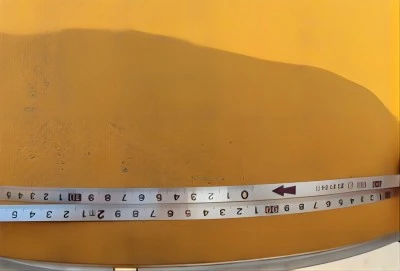
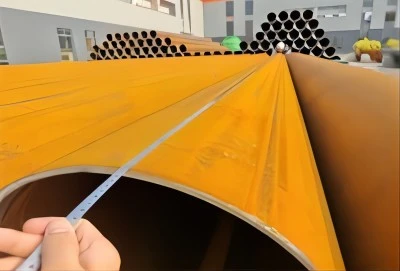
Understanding ASTM A671 CA55 Pipe: Seamless or Welded?
The main difference between seamless and welded pipes is how they perform, how much they cost, and what kinds of uses they are best for. To make seamless pipes, solid steel billets are pierced at high temperatures, leaving tubes without longitudinal joints. With this method, the wall thickness is always the same, and there are no weld-related weaknesses. This makes seamless pipes perfect for applications with high pressure, high temperature, or corrosion where failure risks need to be kept to a minimum.
Manufacturing Process of EFW Welded Pipes
Electric-Fusion-Welding is used to make ASTM A671 CA55 pipes. In this process, ASTM A285 Grade C steel plates are shaped into cylinders and longitudinally welded with filler metal added. The sides of the plates are carefully cut, lined up, and joined together using submerged arc or electric resistance ways. This controlled welding environment makes sure that the penetration and fusion are always the same. This makes weld seams that are as strong as or stronger than the base material. Adding filler metal to EFW makes it different from simple Electric Resistance Welded (ERW) methods. This adds strength to the weld bead, which is important for applications that need to contain pressure.
Structural Characteristics and Performance Impact
Because ASTM A671 CA55 pipes are welded together, they have to meet certain performance requirements. The longitudinal weld seam is a HAZ, which means that the microstructure is slightly different from the parent plate material. Even though these differences aren't as big with today's welding technology, the HAZ is still a big part of quality checks. Depending on the Class number—for example, Class 11, Class 22, or Class 32—A671 CA55 pipes may need to be heat treated (to relieve stress) and x-rayed to make sure the weld is solid. Class 22 products, which are often chosen for important tasks, must go through 100% radiographic testing and mandatory stress relief to make sure the weld zone has the same mechanical properties all over.
Industry Standards and Market Availability
The ASTM A671/A671M standard only covers pipes that are electric-fusion-welded and made from pressure vessel quality plates. According to ASTM standards, there is no seamless material that is the same as "CA55." ASTM A106 Grade B or ASTM A333 Grade 6 pipes are usually chosen by buyers who want seamless alternatives for similar service conditions, even though they cost a lot more and take longer to get. Because ASTM A671 CA55 pipes are welded, suppliers can keep standard sizes in stock, cutting lead times from months to weeks. This is a huge benefit for project-driven procurement, where sticking to the schedule has a direct effect on overall construction costs.
Chemical Composition and Mechanical Properties of ASTM A671 CA55 Pipe
The ASTM A671 CA55 pipe gets its traits from the ASTM A285 Grade C base plate, which is made of semi-killed carbon steel that is best for moderate-strength pressure tank uses. The chemical composition has a controlled carbon content that doesn't go above 0.28%. This makes it easier to weld and bend while still having enough tensile strength. Manganese content usually stays between 0.90% and 1%, which makes the steel stronger without making it harder to shape during the plate-to-pipe manufacturing process.
Mechanical Performance Parameters
The way ASTM A671 CA55 pipes work mechanically is similar to how ASTM A285 Grade C material works. The lowest tensile strength is 55 ksi (379 MPa), and the highest is usually around 75 ksi (515 MPa). The minimum yield strength is 30 ksi (205 MPa), which is strong enough to handle operational stresses in systems with low to moderate pressure. With these numbers, CA55 pipes are in the most cost-effective group in the A671 series. They have the lowest material costs of all the normal grades and are still certified for use in pressure-containing applications up to 343°C.
Heat Treatment and Microstructure Considerations
The hardness of ASTM A671 CA55 pipes is affected by the coarse-grained texture of ASTM A285 Grade C material. This grain structure makes simple welding and shaping possible, but it limits how well the material works at low temperatures. Charpy impact values drop quickly below 0°C, which means that A671 CA55 pipes can only be used at temperatures above -10°C. Post-weld heat treatment is required for materials with a Class 22 or higher rating. It improves the microstructure of the weld zone and reduces residual stresses. This makes the material more stable in its dimensions and less likely to crack from stress corrosion over time.
Limitations Related to Material Properties
The people in charge of buying things need to know that ASTM A671 CA55 pipes aren't made to work in settings with high pressure, extreme cold, or strong corrosion. These pipes aren't good for uses where there is heavy cyclic loading or pressure changes because the coarse grain structure makes them easily cracked. Also, impact properties get much worse as wall thickness goes up, so it's important to be very specific about the maximum thicknesses for uses where mechanical shock or external loading could happen. These limitations of the material help choose the right application, which means that A671 CA55 pipes are best used in steady-state, ambient-temperature applications where they can fully benefit from their lower costs.
Procurement Considerations for ASTM A671 CA55 Pipes
To buy welded carbon steel pipes successfully, you need to pay attention to the skills of the suppliers, quality certifications, and plans for logistics. Different wait times, minimum order amounts, and regional availability trends make global sourcing more complicated. These factors have a direct effect on project plans and the cost of keeping inventory.
Supplier Evaluation and Qualification Criteria
Reliable companies that make ASTM A671 CA55 pipes have quality management systems that are certified to ISO 9001 standards. They also have product-specific certifications, like API 5L monograms when they apply, to make sure their products meet specific requirements. Longma Group, which was founded in 2003 to make large-diameter welded pipes, is a good example of the kind of supplier that procurement teams should look for. Established manufacturers have the process controls needed to consistently deliver pressure vessel quality products. They have certifications such as ISO 9001, ISO 14001, and API 5L and can produce more than 1,000,000 tonnes of goods each year. When evaluating a supplier, it's important to make sure that the raw materials come from reputable steel mills and that they have advanced inspection tools like radiographic and ultrasonic testing systems. There should also be written procedures for keeping track of the materials from the time they receive the plates to the time they deliver the pipes.
Lead Times and Order Quantities
Lead times for ASTM A671 CA55 pipes are usually between 4 and 8 weeks for standard sizes that meet Class 11 or Class 22 standards. They can be up to 10 to 12 weeks for custom sizes or higher inspection classes. Different manufacturers have different minimum order numbers, but for standard diameters, they usually start at 20 to 30 tonnes. However, some sellers will work with smaller amounts at a higher cost. When working on a phased construction project, procurement managers should start talking to suppliers early on to set up framework deals that lock in prices and allow for staggered delivery dates that line up with building goals. This will cut down on the need for on-site storage and working capital commitments.
Quality Certification and Inspection Requirements
All packages of ASTM A671 CA55 pipes come with Material Test Certificates (MTCs) that list the pipe's chemical makeup and mechanical test results. For projects that need to follow the ASME B31.3 process piping codes or their international equivalents, extra paperwork like Manufacturing Procedure Specifications (MPS), Welding Procedure Specifications (WPS), and full Inspection and Test Plans (ITP) is needed. Class 22 and higher ASTM A671 CA55 pipes need 100% radiographic examination records, which show the quality of each weld and can be used as a reference by procurement teams during receiving checks. Third-party inspection services from companies like TÜV, Bureau Veritas, or Lloyd's Register add extra layers of independent verification. These are especially helpful for international deals where it's not possible to keep an eye on the factory directly.
Conclusion
ASTM A671 CA55 pipe is a cheap way to weld large-diameter pipes that need to work with low to moderate pressures in many different types of industries. Its Electric-Fusion-Welded construction, which is based on ASTM A285 Grade C carbon steel plates, gives it reliable performance at room temperature and big cost savings over seamless options. The people who buy things have to weigh the material's weaknesses—its limited temperature range, average toughness, and inability to be used in acidic environments—against its strengths—its easy availability in different sizes, ability to be mass-produced, and reasonable cost. To successfully buy A671 CA55 pipes, you need to make sure that the suppliers you choose are qualified, that you have a lot of quality documentation, and that you clearly specify the right Class designations for the project. With the right choice of materials, construction methods, and upkeep schedules, ASTM A671 CA55 piping systems can last for decades in low-pressure industrial settings, cooling water circuits, and atmospheric water transfer.
FAQs
Can ASTM A671 CA55 pipes be used for high-pressure applications?
Caused by the moderate strength of the ASTM A285 Grade C base material, ASTM A671 CA55 pipes can only handle low to moderate pressures. Most design rules set the lowest stress that can be applied based on a material's minimum tensile strength of 55 ksi. This means that these pipes can handle pressures of up to 300 psi in standard large-diameter setups.
What is the difference between Class 11 and Class 22 CA55 pipes?
There is no need for a post-weld heat treatment or full radiographic screening for Class 11 ASTM A671 CA55 pipes. This makes them the most cost-effective choice for non-critical uses. Class 22 pipes must go through a stress-relieving heat treatment and all longitudinal welds must be x-rayed. This gives better quality assurance and makes the pipes suitable for harsher service conditions.
Are CA55 pipes suitable for cryogenic service?
It is not suggested that ASTM A671 CA55 pipes be used in cryogenic situations. The ASTM A285 Grade C material's coarse-grained microstructure doesn't handle Charpy impacts well below -10°C, which means it could break easily at very low temperatures. For uses below 0°C, you should choose different materials whose low-temperature toughness has been proven.
How does welded construction affect corrosion resistance?
The longitudinal weld seam in ASTM A671 CA55 pipes doesn't naturally make them less resistant to corrosion than the base plate material. However, the heat-affected zone might have a slightly different electrochemical potential, which could lead to preferred corrosion pathways in environments that are very corrosive. When protective coats are applied evenly to both the weld and the base material, any worries about differential rust are effectively eliminated.
Partner with a Trusted ASTM A671 CA55 Pipe Manufacturer
Longma Group is ready to help you with your next infrastructure project by providing you with certified ASTM A671 CA55 pipes that are made to the highest international standards. Our 230,000-square-meter factory uses cutting-edge EFW welding technology and strict quality control systems to make large-diameter welded pipes that meet the needs of ASTM A671/A671M, ASME B31.3, and individual projects. Base materials come only from top steel mills like Shagang, HBIS, and Bao Steel. This way, the chemical and mechanical qualities stay the same for every production run. Each shipment comes with full documentation packages that include MTCs, ITPs, MPS, and third-party inspection reports. This makes the receiving and compliance processes easier. You can talk to our technical team at info@longma-group.com about your ASTM A671 CA55 pipe needs, get quotes, or set up plant audits that show how committed we are to quality and client happiness.