
ISO 3183 L245 pipe can be used for oil and gas pipelines, especially in low- to medium-pressure situations where cost-effectiveness and the ability to connect are very important. The minimum yield strength for this grade is 245 MPa, and the minimum tensile strength is 415 MPa. It works well for drilling water injection systems, transportation networks, and gathering lines. Its low-carbon makeup makes it easy to weld in the field without heating it first. This makes it perfect for service settings with normal temperatures and no sourness. L245 pipe is still the best material for small and medium-sized ERW pipes in upstream and midstream activities, but it isn't good for high-pressure long-distance trunk lines.
|
|
|
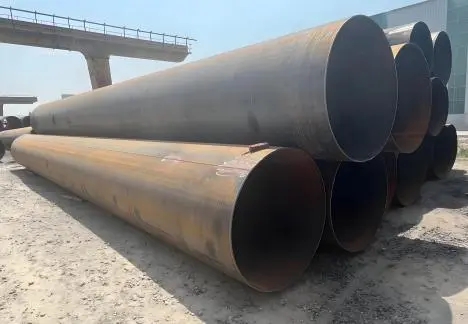
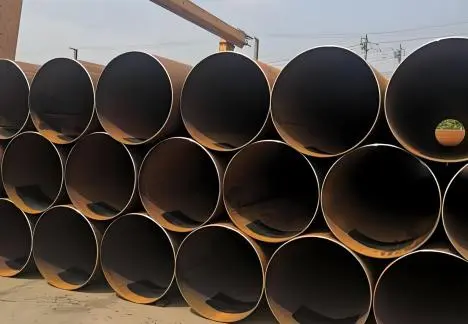
Understanding ISO 3183 L245 Pipe Specifications and Properties
Chemical Composition and Material Characteristics
ISO 3183 L245 pipe is a low-carbon plain carbon steel that has alloying elements that are carefully controlled to make it work better. Carbon is limited to 0.28% and manganese is limited to 1.20% by the chemical makeup. This is done on purpose to avoid using expensive microalloy elements. It keeps the lowest material cost among pipeline steel types and makes it easier to weld in the field, which are two big benefits of this composition approach. The low carbon equivalent value stops the metal from hardening during welding, so there is no need for long preheating steps that slow down building and cost more in work.
Mechanical Properties Across Product Specification Levels
There is a range in the mechanical performance of this line pipe grade between PSL1 and PSL2. The minimum yield strength in PSL1 is set at 245 MPa, the minimum tensile strength is set at 415 MPa, and the minimum stretch is 22%. These factors make sure that the material is flexible enough to be cold-bent during pipeline installation. With a yield strength of between 245 and 440 MPa and a tensile strength of between 415 and 655 MPa, PSL2 raises the quality standards. The standard calls for a controlled ratio of yield to tensile, impact tests at low temperatures to check fracture toughness, and hardness limits of no more than 250 HV. These stronger controls are meant to help in situations where better tracking of materials and records of performance are needed by contract.
Manufacturing Methods and Heat Treatment
Electric Resistance Welding (ERW) or Longitudinal Submerged Arc Welding (LSAW) are the two methods used to make line pipes that meet this standard. Small to middle diameter output is mostly done with ERW because it is cost-effective and the quality of the welds is always the same. The pipes can be sent in different states, such as As-Rolled, Normalizing Rolled, or Thermomechanical Rolled, based on the project requirements and the manufacturer's abilities. The heat treatment methods are carefully set to make sure that the pipe body and weld seam all have the same mechanical properties. This makes sure that there are no weak spots that could affect the safety of operations.
Comparing ISO 3183 L245 with Other Pipeline Steel Grades
L245 Versus Higher Strength Grades (L290, L360)
Understanding differences in strength is important when choosing steel for pipelines. L290 has a minimum yield strength of 290 MPa, which is 18% higher than ISO 3183 L245 pipe. This means that thinner walls are needed for the same pressure values. With a 360 MPa yield strength, L360 improves performance even more and makes it possible to reduce weight by a lot in high-pressure situations. But these gains in strength come at a cost. Higher-grade steels need more complex welding methods, which might include controlling the rate of cooling and applying heat after the join. The cost of materials goes up in line with their power grade, and they may not be available in all area markets. ISO 3183 L245 pipe is still the most cost-effective option when operating pressures stay modest and adding more wall thickness doesn't cause any fitting problems.
Equivalence Between ISO 3183 L245 and API 5L Grade B
The minimum yield strength for both ISO 3183 L245 pipe and API 5L Grade B is 245 MPa, and the minimum tensile strength is 415 MPa. The main difference is where the standards came from: ISO 3183 is the international metric standard that is used in most places around the world, while API 5L comes from the American Petroleum Institute and is most common in North American projects. By mentioning ISO 3183, procurement teams working on foreign projects can get goods from a wider range of suppliers in Asia, Europe, and the Middle East. On the other hand, American engineering standards projects usually use API 5L to make sure that they work well with current standards and inspection processes.
Comparison with Structural Steel Standards (ASTM A53)
ASTM A53 Grade B is often used for structural and pressure uses. It has similar mechanical properties, but the level of quality control and the type of work it is meant for are different. The chemical makeup limits in ASTM A53 are larger, and the strict traceability standards in ISO 3183 are not required. This line pipe standard includes specific rules for controlling the amount of sulfur in the pipe and making sure it doesn't crack when hydrogen is added. These are both very important in petroleum service. When engineers are choosing pipelines for moving oil and gas, they should choose ISO 3183 L245 pipe over general-purpose structural pipe grades to make sure they follow the safety rules and regulations that are specific to their business.
Procurement Insights for ISO 3183 L245 Pipes
Supplier Qualification and Certification Requirements
Managers in charge of buying ISO 3183 L245 pipes must make sure that the companies they work with have valid API 5L certificates and ISO 9001 quality management system certificates. These qualifications show that production facilities follow written processes for testing materials for damage, making sure heat treatments work, and keeping records of those procedures. Manufacturers with a good reputation get their raw materials from well-known steel mills that consistently produce high-quality metals. They don't use secondary or recycled materials, which could have secret flaws. Checking factory production control certificates and the ability of a third party to check pipes gives even more confidence that the pipes supplied meet the terms of the contract.
Understanding Minimum Order Quantities and Lead Times
For standard mill production runs, the minimum order quantity is usually between 20 and 50 tons, based on the pipe width and wall thickness. Custom requirements, like exact length needs or better testing methods, may make MOQ limits higher. Standard wait times are 30 to 45 days from the approval of the buy order. This includes getting the raw materials, making the product, heat treating it, inspecting it, and, if requested, coating it. Sometimes, faster production plans can be worked out, but they usually cost more. When making purchases, these dates should be taken into account, especially when organizing the delivery of many materials for big pipeline building projects.
Price Factors and Market Dynamics
The prices of pipeline products are affected by a number of factors. Quoted rates are directly affected by changes in the prices of base steel on the world's metal markets. Specifications for wall thickness, width, and length affect how hard it is to make and how much material is produced. Non-standard measurements cost more per unit. Choosing the right Product Specification Level is important. For example, testing and paperwork costs go up by 8–12% for PSL2 requirements compared to PSL1 requirements. Coating standards like 3LPE or FBE add to the cost, but they are worth it in the long run because they protect against rust. Strategic sourcing partnerships are helpful for companies that need pipeline materials on a regular basis because they can get better prices when they commit to buying in bulk and have a relationship with a seller.
Application Areas and Benefits of ISO 3183 L245 Pipes in Oil and Gas Industry
Upstream Gathering Systems and Oilfield Infrastructure
This ISO 3183 L245 pipe grade is the backbone of gathering systems that take production from various wellheads and send it to central processing facilities. It is used in upstream oil and gas operations. The material is very flexible, so it can be easily cold-bent to fit different types of terrain without having to go through slow hot-bending processes. This grade is widely used in oilfield water injection pipes, which are necessary for improved oil recovery operations because it doesn't rust when combined with the right coatings and cathodic protection. Sewage pipes in factories use this material because it is tough and can handle moving solids sometimes without wearing out too quickly.
Low-Pressure Gas Distribution Networks
This pipe grade works perfectly for urban gas distribution systems that need to send gas at pressures below 1.5 MPa. The fact that it is strong enough, easy to weld, and widely available makes it the standard design for local gas utilities in many countries. This material is used in short-distance distribution mains that connect transmission pipes to industry users or residential areas because it has been shown to be reliable in service at room temperature and without sourness. This type of pipe is readily available all over the world, so utilities can quickly get more of it when they need to increase their distribution capacity or repair damaged pipes.
Cost-Performance Optimization for Project Economics
The economics of the project strongly favor this pipeline specification when operating factors match what it can do. Because it doesn't contain any expensive microalloy elements, it has the lowest material costs of all the types of pipeline steel, which directly helps project budgets. Simplified welding methods cut down on work hours and get rid of the need for special welding supplies for stronger alloys. Because this grade can be made all over the world, prices are kept low by competition between suppliers. This is not the case for specialty grades, which have limited production sources. When looking at the total cost over a product's lifetime, the initial savings usually outweigh the slightly higher wall thickness needed compared to higher-strength options. This is especially true for projects where the building costs are a small part of the overall cost.
Conclusion
ISO 3183 L245 pipe has been used successfully in low- to medium-pressure oil and gas pipeline uses that need to be cost-effective and easy to connect. With a yield strength of 245 MPa and a tensile strength of 415 MPa, it can be used for gathering lines, distribution networks, and oilfield structures in normal, non-sour conditions. Higher-strength grades are better for high-pressure trunk lines, but ISO 3183 L245 pipe is still the most cost-effective choice for small and medium-sized jobs. Choosing the right materials, making sure they are of high quality, and using the right rust protection methods will ensure that they work well for a long time. This standard is an important part of building up pipeline infrastructure around the world.
FAQ
Can ISO 3183 L245 pipe handle sour gas service?
Standard ISO 3183 L245 pipe can't be used for sour service with hydrogen sulfide unless it passes extra Annex H standards and has a "S" after its name (L245NS or L245QS). For sour service, steel needs to be kept clean and heated to make it more resistant to sulfur stress cracks.
What are typical bulk order lead times for this pipe grade?
Lead times are between 30 and 45 days from the proof of the buy order. This includes getting the raw materials, making the product, checking it, and coating it. You may be able to get faster plans, but they usually cost more and depend on how much the mill can produce.
How does wall thickness affect pipeline economics?
Because ISO 3183 L245 pipe isn't as strong as higher grades, it needs walls that are bigger to hold the same amount of pressure. This makes the materials heavier and more expensive, but it usually ends up being cheaper in the long run because it makes welding easier, makes it easier to find suppliers, and makes fitting easier, which lowers costs.
Partner with Longma Group for Quality ISO 3183 L245 Pipe Supply
Choosing a dependable ISO 3183 L245 pipe maker has a direct effect on meeting project deadlines, staying within budget, and keeping operations safe. Longma Group has been making ERW and LSAW line pipe for oil and gas infrastructure projects around the world for more than twenty years. Our factories have quality control systems that are certified to API 5L and ISO 9001, which makes sure that every pipe meets strict international standards. We only get our raw materials from trustworthy Chinese mills like Shagang, HBIS, and Bao Steel. This way, we can be sure of the steady quality of our metalwork. Our thorough testing methods, cutting-edge NDT tools, and full paperwork packages give procurement managers the tracking and compliance confirmation they need. With more than 1,000,000 tons of production every year and safe deliveries to more than 90 countries, we know how hard it can be to plan and carry out foreign pipeline projects. Email our technical team at info@longma-group.com to talk about your needs, get full datasheets, or get competitive quotes for your future pipeline needs.