
You might come across the designation S235JR Pipe while researching steel pipes for various industrial and construction applications and be curious about its properties. The question of whether the S235JR pipe is made of stainless steel is a common one. Despite some similarities in appearance and application that can cause confusion, the purpose of this article is to clarify the nature of S235JR steel and explain why it is not considered stainless steel.
|
|
|
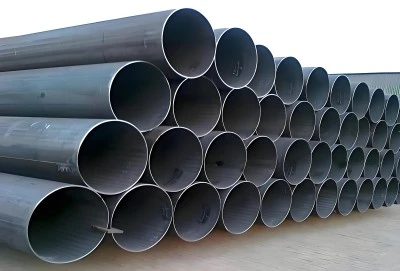
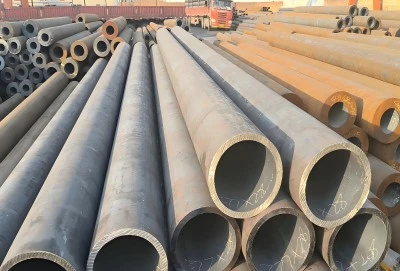
Introduction
There are numerous grades and specifications tailored for various applications in the vast and intricate world of steel and metal alloys. Misunderstandings regarding the properties and classifications of particular steel types can occasionally result from this complexity. One example of this is when people mistakenly believe that S235JR steel pipe is made of stainless steel.
To directly address this conundrum: Steel pipe made of S235JR is not stainless steel. Although both materials are forms of steel, their composition, properties, and uses are vastly distinct. S235JR Pipe is a structural steel that is not alloyed, whereas stainless steel is an alloy steel that is resistant to corrosion and contains at least 10.5% chromium. In terms of behavior and adaptability to a variety of environments, these two materials stand out because of this fundamental difference.
Introduction to S235JR Steel
The term "S235JR" refers to a specific European-defined grade of structural steel. The letter "S" denotes structural steel, the number "235" denotes the minimum yield strength in megapascals (MPa), and the letter "JR" denotes specific requirements for impact toughness and delivery. Due to its good strength-to-weight ratio and formability, this grade of steel is utilized extensively in construction and general engineering applications.
S235JR steel is suitable for structural applications due to a number of key properties:
- Yielding Power: S235JR has a minimum yield strength of 235 MPa, as indicated by its name. This indicates that it can withstand significant loads without permanently deforming.
- Tensile Capacity: S235JR typically has a tensile strength of 360 to 510 MPa, making it suitable for structural applications.
- Difficulty: S235JR steel is very ductile, so it can deform plastically under stress without breaking right away. For structural applications in which the material may be required to absorb energy or redistribute stress, this property is essential.
- Composition of Chemicals: Low-carbon steel known as S235JR typically contains between 0.17 and 0.20 percent carbon, up to 1.40 percent manganese, and a few other elements such as silicon, phosphorus, and sulfur. It is notable that it lacks a significant amount of chromium, an essential component of stainless steel.
Difference Between S235JR Steel Pipe And Stainless Steel
The composition, performance characteristics, and typical applications of S235JR Pipe and stainless steel are the primary distinctions between the two materials:
Difference in Composition: The amount of chromium in each is the most significant difference. Chrome, which makes up at least 10.5% of stainless steel, coats the surface with a protective chromium oxide layer that resists corrosion. Since S235JR is a carbon steel, it doesn't have a lot of chromium, which makes it resistant to corrosion.
Differences in performance: S235JR and stainless steel have markedly different performance characteristics because of their distinct compositions:
- Resistance to Rust: In a variety of environments, including exposure to moisture and certain chemicals, stainless steel is highly resistant to corrosion. S235JR is susceptible to rust and corrosion when exposed to moisture or corrosive environments because it lacks the protective chromium oxide layer.
- Resistant to Oxidation: Due to its chromium content, stainless steel keeps its appearance and integrity even at high temperatures. S235JR will oxidize more quickly, particularly when heated up.
- Durability and Strength: Although both materials have the potential to be durable and ductile, the precise grade and heat treatment that they are subjected to can have a significant impact on the specific properties they possess. S235JR is usually made for structural applications where strength and formability are important, but stainless steel grades can be made to meet a wide range of needs for strength and ductility.
Application scenarios that differ: The choice between stainless steel and S235JR is heavily influenced by the intended use and environment:
Construction, general engineering, and other fields in which corrosion resistance is not a primary concern are all common applications for S235JR. It is frequently utilized in framework construction, bridge construction, and general fabrication, where coatings or paint can prevent corrosion.
Stainless steel is preferred in applications such as chemical processing plants, food processing equipment, medical devices, and marine applications where corrosion resistance is essential.
Why Do Many People Get Confused?
Numerous factors contribute to the confusion that exists between S235JR Pipe and stainless steel, despite the significant differences between the two materials:
Identical appearance: S235JR steel and some grades of stainless steel can both have a shiny, metallic appearance when newly produced or well-maintained. For people who aren't familiar with the specific properties of various steel types, this visual similarity can make it difficult to distinguish between the two.
Names like these: Both materials are referred to as "steel," which can lead to confusion. When treated or coated to increase their resistance to corrosion, some carbon steels are marketed as "stainless" or "rust-resistant," further blurring the lines for consumers.
Application fields that cross: Even though S235JR and stainless steel are often used in different ways, some of their applications are similar, especially in construction and general engineering. Non-experts may have difficulty distinguishing the materials based solely on their application due to this overlap.
When selecting steel for a specific application, it is essential to refer to specific material standards and consult experts to avoid confusion. An understanding of the fundamental differences in the composition and properties of carbon steels like S235JR and stainless steels can assist in avoiding application errors and ensuring that the appropriate material is selected for each distinct application.
Contact Longma
LONGMA GROUP offers S235JR Pipe that complies with the Standard EN10210. If you are in the market for S235JR Pipe and evaluating potential manufacturers, we invite you to reach out to us at info@longma-group.com for more information on our products and services.