
When engineers and procurement managers look at pipeline materials for use abroad, they often ask if API 5L X42 pipe is reliable and performs well enough. The short answer is yes, X42 pipe works well in many offshore situations, especially in shallow to moderately deep waters where pressure needs and rust exposure are doable. This grade has a good mix of mechanical strength, weldability, and low cost, which makes it a good choice for flowlines, risers, and underwater transmission systems as long as the right coatings are used for protection and high production standards are followed.
|
|
|
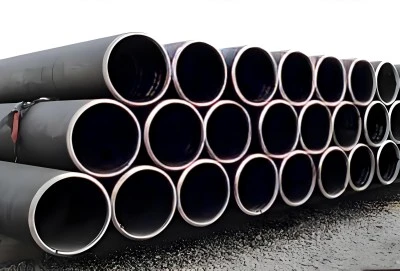
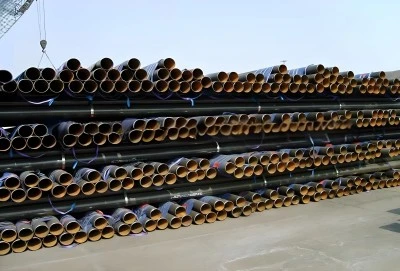
Performance of API 5L X42 Pipes in Offshore Environments
Some of the toughest situations you can imagine are used by offshore piping systems. All of a material's properties are put to the test by saltwater, atmospheric pressure, mechanical wear and tear, and changes in temperature. API 5L X42 pipe solves these problems by using both the material's natural qualities and specially designed safety features.
Corrosion Resistance in Marine Conditions
Because chloride ions and liquid oxygen are present in seawater, carbon steel is naturally more likely to rust. In theory, X42 pipe has a modest level of resistance, but in practice, coatings on the outside and inside of the pipe are what really make it last longer in offshore uses.
Standard ways to protect underground or underwater pipes are with three-layer polyethylene (3LPE), fusion-bonded epoxy (FBE), and coal tar enamel. Corrosion from moving fluids is stopped by internal linings, especially when working with sour oil or water injection lines. Electrochemical erosion is also slowed down by cathodic protection systems. Together, these systems create a complete defense plan that will allow API 5L X42 pipe to work abroad for decades to come.
Mechanical Robustness Under Pressure and Stress
There is steady-state pressure on offshore pipes as well as dynamic loads from wave action, current forces, and changes in temperature. API 5L X42 pipe has a yield strength of 42,000 psi, which means it can handle the pressures that are common in gathering systems and medium-depth transmission lines. Standards like ASME B31.8 tell us how to choose the right wall thickness, which gives us enough safety gaps against burst and fall.
Because the pipe is flexible, it can handle installation pressures during spinning or J-lay operations without breaking, which is useful while the project is being carried out.
Weldability and Joint Integrity
The dependability of pipeline joints, which are possible weak spots in remote systems, depends on how well they were welded in the field. Because it has a fixed carbon equivalent and a low sulfur level, API 5L X42 pipe is very easy to weld. Welding methods like GMAW (Gas Metal Arc Welding) or SMAW (Shielded Metal Arc Welding) make joints that are as strong as or stronger than the base metal when done according to approved welding procedure standards (WPS). Post-weld heat treatment is usually not needed for X42 pipe unless required by bad service standards. This makes things easier in the field and speeds up the building process.
Comparing API 5L X42 with Alternative Steel Grades for Offshore Use
When choosing materials, you have to balance technical needs with budget limits and the needs of the individual job. When buying teams know how API 5L X42 pipe stacks up against other grades, they can make decisions that meet technical requirements and budgetary goals.
X42 versus Higher Strength Grades (X52, X65, X70)
Higher-grade pipes have higher yield strengths, which means that the walls can be thinner for the same pressure values or thicker for higher working pressures. When it comes to strength, X52 (52,000 psi yield) is about 24% stronger than API 5L X42 pipe. X65 (65,000 psi) and X70 (70,000 psi) are even stronger. In deepwater uses where hydrostatic pressure needs are higher than X42 pipe's effective working range, or when weight reduction means big installation savings, these higher grades become useful.
There is a trade-off in the cost of getting the parts, the difficulty of welding, and the supply of the materials. API 5L X42 pipe usually costs 10–15 percent less per ton than X52, and it is available all over the world, which cuts down on wait times. For platforms in shallow water, coastal ports, and flowlines with mild pressure, X42 pipe works well enough without costing as much as high-strength options. On the other hand, companies that want to have longer service lives or work in harsh situations should spend more on X65 or X70.
Comparison with ASTM A106 and Alternative Standards
ASTM A106 seamless pipe is often used for process plumbing and plant systems. It is different from API 5L X42 pipe in how it is meant to be used and how it needs to be tested. A106 Grade B (35,000 psi yield) is not as strong as X42 pipe and doesn't have the quality controls required by API 5L for pipelines, such as hydrostatic tests and nondestructive examination methods. When engineers build offshore transmission lines and gathering systems, they usually choose API 5L grades because they are specifically made for oil service and come with a lot of paperwork for tracking.
The performance qualities of ISO 3183 L290 (equivalent to API 5L X42 pipe) are similar according to worldwide standards. This gives buyers more choices when buying from European or Asian makers. Because of functional similarity, customers can add more suppliers while still meeting technical standards.
Is API 5L X42 the Right Choice for Your Offshore Pipeline?
Material selection systems shouldn't just rely on a few features; they should carefully consider a number of factors. When buying managers and experts are making decisions, they should think about the following things.
Strength and Pressure Requirements
Use relevant codes, like ASME B31.4 or B31.8, to figure out the design pressure. Don't forget to include safety factors, corrosion allowances, and operating scenarios.
- If using API 5L X42 pipe properties to figure out the wall width leads to standard measurements with minimal material waste, the grade is correct.
- In situations where walls need to be especially thick to meet pressure values, it may be worth looking at higher-strength options that make the best use of materials.
Corrosion Environment Assessment
Check the properties of the fluid, such as its H2S content, CO2 percentage, water salinity, and working temperature. Standard API 5L X42 pipe works well in sweet service (low H2S) as long as it has the right coverings and cathodic protection.
Sour service settings might need PSL2 materials that meet Annex H or NACE MR0175 standards, which means that the materials need to be tested and controlled more closely. No matter what grade you choose, internal rust inhibitors and regular integrity tracking make the service last longer.
Weldability and Construction Considerations
Conditions in the field during welding affect how well the material works during installation. API 5L X42 pipe can be used for normal welding processes and doesn't need to be heated up too much in most situations, which makes operations in the field easier. Preheating may be needed to stop hydrogen cracking in very cold places or areas with thick walls, which makes building work more difficult. When finishing specs, look at what the contractor can do and how the field is.
Cost-Effectiveness and Budget Alignment
The total cost of ownership includes the price of the materials, their transportation, the work to install them, the consumables used for welding, inspections, and upkeep throughout their lifetime. API 5L X42 pipe is a good choice for situations where its power meets the needs of the job without being too specific. When compared to higher grades, X42 pipe is cheaper to buy, which is good for projects with limited funds. However, higher-grade materials may be more cost-effective over the lifetime of an asset if it is used for a long time or in harsh circumstances.
Conclusion
API 5L X42 pipe works well in many offshore pipeline uses where the technical needs match its mechanical qualities and ability to withstand harsh environments. The grade has been shown to be reliable for use in flowlines, gathering systems, and moderate-depth transmission pipes, especially when it is combined with the right protective coats and high standards for manufacturing. When making procurement choices, it's important to carefully consider things like cost, corrosion environment, strength needs, and the ability to weld. This will help make sure that the best materials are chosen for each job.
FAQ
What distinguishes PSL1 from PSL2 in API 5L X42 specifications?
Charpy V-Notch impact testing is required in PSL2 to make sure the material is tough at certain temperatures, which are usually 0°C or lower based on the needs of the project. To make the metal easier to weld and keep it from being too hard, this specification level also sets tighter limits on the carbon equivalent and the highest yield strength. PSL1 is for general uses and has less strict testing procedures. PSL2 is for harsh offshore settings where crack toughness is very important for safety and dependability.
Can X42 pipe handle sour service conditions?
For bad service with hydrogen sulfide, standard API 5L X42 pipe material needs to be changed. When buying something, buyers must make sure that it meets Annex H compliance or NACE MR0175/ISO 15156 compliance. This is to make sure that the maker controls the sulfur content, the shape of the inclusions, and the resistance to hydrogen-induced cracks. Through changes to the material's chemistry and special testing methods, these improved specs make it possible for safe operation in H2S settings.
How does coating selection impact offshore X42 pipe performance?
When you're out at sea, external coats are your best defense against seawater rust. For underground pipes, three-layer polyethylene systems offer great mechanical support and adhesion. For subsea uses, fusion-bonded epoxy offers better chemical resistance. Coatings or linings on the inside keep fluids from corroding, especially in water injection lines or sour oil service. If you choose the right covering, apply it correctly, and check it regularly, it will last a lot longer than bare pipe.
Partner with Longma Group for Your Offshore Pipeline Material Needs
The success of a project depends on choosing the right API 5L X42 pipe manufacturer for quality control, on-time delivery, and expert support. Longma Group has been making specialized products for 20 years and has a lot of certifications, such as API 5L, ISO 9001, and other foreign quality management standards. Our production capacity is more than a million tons per year, and we work on projects all over the Middle East, Australia, and Southeast Asia, from small sites along the coast to large ocean developments.
To make sure that every pipe meets the standards, our sites use advanced heat treatment methods and high-tech inspection tools. We only get our raw materials from trustworthy steel mills in China, like Shagang, HBIS, and Bao Steel. This way, we can keep track of everything from the block to the finished product. In addition to manufacturing, we offer construction services, anti-corrosion treatments (3LPE, FBE), and full paperwork packages that include Material Test Certificates, Inspection and Test Plans, and Manufacturing Procedure Specifications that meet the needs of engineering contractors all over the world.
Our technical team is ready to talk with procurement managers about project-specific needs, shipping schedules, and quality assurance processes when they are looking for a trusted API 5L X42 pipe supplier. Get in touch with us at info@longma-group.com to find out how our production skills and customer service can help your offshore pipeline projects by providing materials that meet specs, come on time, and work reliably for decades.








