
The minimum yield strength for ISO 3183 L245 pipe is 245 MPa, and it is a basic line pipe grade made for moving oil and natural gas between infrastructure. This grade of low-carbon steel pipe is easy to weld and doesn't cost a lot of money. This makes it a great choice for low- to medium-pressure oil transmission pipelines, gathering lines, and distribution networks where cost-effectiveness and ease of fabrication in the field are very important for project success.
|
|
|
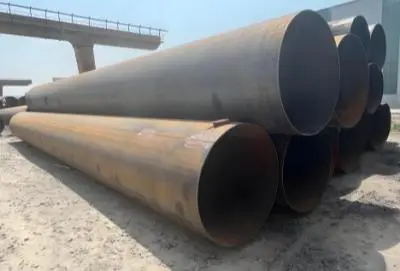
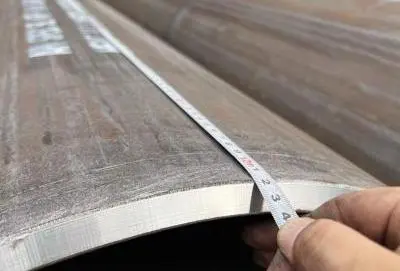
Understanding ISO 3183 L245 Pipe Specifications and Properties
Chemical Composition and Material Characteristics
ISO 3183 L245 pipe is made of low-carbon plain carbon steel, which has a maximum carbon content of 0.28% and a maximum manganese content of 1.20%. This conservative alloy design gets rid of expensive microalloying elements. This makes the material the least expensive among line pipe types while still being easy to weld. The limited amount of carbon creates a low carbon equivalent value, which is especially helpful when welding in the field, where the need for preheating can have a big effect on installation times and costs.
Sulfur and phosphorus levels are carefully managed to stop cracking when heated and breaking when cold. This keeps the pipe's mechanical features the same all the way through its body and weld lines. L245 pipe is very easy to handle and place in rural field areas because it doesn't contain any complex alloying elements. This makes the heat treatment process easier and lowers the risk of metallurgical problems during fabrication.
Mechanical Properties: PSL1 and PSL2 Specifications
There must be a minimum yield strength of 245 MPa, a minimum tensile strength of 415 MPa, and a minimum stretch of 22% for PSL1 (Product Specification Level 1). These standards make sure that the material is strong enough for low-pressure gathering systems and delivery networks, but it is also flexible enough to be cold-bent without cracking.
The PSL2 standards are stricter, and the yield strength must be between 245 and 440 MPa and the tensile strength must be between 415 and 655 MPa. The limit on the yield-to-tensile ratio stops the material from working too hard, and the required low-temperature Charpy V-notch impact testing makes sure that the hardness works well in cold climate settings. Hardness limits of no more than 250 HV make sure that they can be used with field cutting operations and keep tools from wearing out too quickly during on-site changes. These tighter standards are good for projects that need to keep track of materials, record fracture toughness, and follow stronger quality control rules. They come with a mild cost increase.
Dimensional Tolerances and Heat Treatment
ISO 3183 sets exact standards for outside diameter, wall thickness, and straightness to make sure that hydraulics work the same way every time and to make automatic welding easier. Wall thickness tolerances usually fall between +12.5% and -10%, based on the diameter of the pipe and the way used for making. This lets engineers figure out accurate minimum wall thicknesses for pressure design calculations.
The steps used for heat treatment depend on how the product was made and its amount of detail. Normalizing or thermomechanical rolling improves the structure of the grains, which makes the metal stronger and more regular. These controlled heating processes get rid of any leftover stresses that were there before the forming process. This keeps the dimensions stable and makes the material less likely to crack from stress corrosion in service settings.
Manufacturing Process and Quality Assurance of ISO 3183 L245 Pipes
Production Methods and Critical Controls
Our factories use both ERW (Electric Resistance Welded) and LSAW (Longitudinal Submerged Arc Welded) methods to make ISO 3183 L245 pipes, choosing the right one based on the pipe's width, wall thickness, and the needs of the project. When high output rates and cost-effectiveness are important, ERW processes work best for small to medium diameters. On the other hand, LSAW manufacturing is better for bigger diameters and thicker walls that are needed for trunk line uses.
The production process starts with checking the raw materials. Steel bars or plates are bought from reputable mills like Shagang, BX Steel, and HBIS. Incoming material receives chemical analysis and mechanical testing to ensure compliance with ISO 3183 composition standards before entering production. While forming, keeping an eye on the welding settings all the time makes sure that the heat input and penetration depth stay the same. These are two very important factors that affect the strength and stability of the weld seam.
Post-weld heat treatment evens out the composition of the weld zone, making it less rigid and more like the base metal. Ultrasonic screening tools are very advanced and can look at all weld cracks, finding problems below the surface that can't be seen. These non-destructive testing methods provide written proof of the quality of the weld, meeting the strict requirements set by international pipeline rules.
Corrosion Resistance and Environmental Durability
The microstructure of L245 pipe is mostly made up of ferrite with scattered pearlite clusters. This gives the pipe a good mix of strength and flexibility. Even though carbon steel doesn't naturally fight rust as well as stainless metals, the right surface preparation and protection coating methods can keep it from breaking down in buried and submerged situations.
We provide a wide range of anti-corrosion services, such as hot-dip galvanizing, three-layer polyethylene (3LPE), and fusion-bonded epoxy (FBE). When installed properly, 3LPE coating systems last longer than 50 years because they are very resistant to soil chemicals and cathodic disbondment. FBE coats stick better and don't break easily when they get hit, which makes them perfect for rocky soil where mechanical damage during backfilling is a risk.
Testing Protocols and Quality Certifications
Both damaging and non-destructive tests are part of our quality assurance program. Under controlled conditions, hydrostatic testing puts more pressure inside each pipe than the original working pressure. This checks the structure's stability and makes sure there are no leaks. Tensile testing confirms the ultimate and yield strengths, while flattening and bending tests prove the ability to flex and bend.
Charpy impact testing for PSL2 orders checks how tough the material is at certain test temperatures, making sure that placements in cold climates have enough breakage resistance. Hardness tests done across the cross-section of the pipe make sure that the heating and cooling during welding haven't made any weak spots that could crack easily. Each package comes with a lot of paperwork, like Material Test Certificates (MTC), Inspection and Test Plans (ITP), and Manufacturing Procedure Specifications (MPS). This makes it possible to track everything from the raw materials to the final product.
API 5L, ISO 9001 Quality Management Systems, and ISO 14001 Environmental Management Systems are some of the certifications we have. Regular checks by a third party make sure that these standards are being followed. This gives us confidence in our manufacturing skills and quality processes. These certificates show that we are dedicated to consistent quality and ongoing growth. This lowers the risk of buying from us for engineering contractors and project owners.
Comparing ISO 3183 L245 with Other Pipe Grades and Standards
L245 versus L290 and Higher Grades
The increase from L245 to L290 and higher is due to controlled rolling processes and the addition of alloys that make the steel stronger. L290 pipe has a yield strength that is about 18% higher than ISO 3183 L245 pipe. This means that the wall thickness can be thinner for the same pressure grade or higher for the same wall thickness. However, this increase in strength comes with slightly higher material costs and a little less ability to weld because the carbon versions are higher.
Pipeline builders have to choose between the cost of materials, the thickness of the walls, and how hard it is to place. To get the same pressure grade as L290 pipe, L245 pipe needs walls that are bigger. This makes the material heavier and increases the cost of shipping. However, the better weldability of L245 grade cuts down on field welding time and usually doesn't require preheating. This could make up for differences in material cost by saving money on labor and speeding up building plans.
API 5L Grade B Equivalency
ISO 3183 L245 is very similar to API 5L Grade B. It has the same minimum yield strength of 245 MPa (35,500 psi) and minimum tensile strength of 415 MPa (60,200 psi). The main difference is in the way measurements are made (ISO 3183 uses metric units, while API 5L uses imperial units) and how people in different regions recognize each other. In North America, projects usually call for API 5L Grade B, while in other countries, projects are increasingly using ISO 3183 L245 to keep up with global trends toward standardization.
In terms of buying, this parity increases the number of suppliers that can bid and makes it easier for bidders from different parts of the world to compete. Manufacturers who are certified to both standards can offer either name. This gives you more options when it comes to getting materials and makes you less reliant on sellers who only meet one standard. Understanding this similarity keeps specifications clear and helps buying teams make the most of global supply lines.
Cost-Effectiveness and Application Suitability
In the right situations, L245 pipe offers strong economic benefits when looked at over the whole project lifecycle. The cost of the material is the lowest of all the grades of line pipe, and it is widely available around the world, so prices are reasonable and wait times are short. Excellent weldability lowers installation costs by reducing the need for expensive consumables and preheating tools in most field situations.
In Southeast Asia, case studies from oilfield gathering systems show that L245 pipe can handle complex fluid mixes with water, sand, and hydrocarbons at modest pressures. The material is very flexible, so it can handle thermal growth and soil settlement without putting too much stress on the pipes that connect wellheads to central processing facilities. In oilfield operations, L245 pipe is used for water injection and sewage drainage systems because it doesn't rust when coated with the right protective materials. This means that the pipe will last for decades without needing much upkeep.
Conclusion
ISO 3183 L245 pipe has been shown to work well in low- to medium-pressure oil transfer situations where cost-effectiveness and ease of fabrication in the field make material choice easier. Because it is low in carbon, it is easy to weld and has the lowest material cost of all line pipe types. This makes it perfect for gathering systems, distribution networks, and industrial plant pipes. By reading this guide and understanding the technical specs, manufacturing quality indicators, and best practices for procurement, you can make smart decisions that combine performance needs with budget limitations. For projects to be successful, they need to use the right materials, get them from qualified sources, have lots of paperwork, and use effective strategies for managing integrity.
FAQ
What distinguishes L245 from L290 pipe grades?
L290 pipe has a minimum yield strength that is about 18% higher than ISO 3183 L245 pipe. This means that the wall thickness can be lessened while still maintaining the same pressure values. However, L245 is better for welding because it has less carbon in it. This makes it the best choice for projects that need a lot of welding in the field and a tight building schedule.
How can I verify supplier quality and certifications?
Ask for valid API 5L and ISO 9001 certificates and use records maintained by the granting bodies to make sure they are real. Look over the most recent audit reports from a third party and get in touch with past buyers in the same business. Perform plant audits focused on the ability to track down raw materials, keep records of equipment calibration, and check the qualifications of inspectors. Ask for complete paperwork, like Material Test Certificates and dimensional inspection records that can be linked to particular production lots.
What are typical lead times and minimum order quantities?
Standard PSL1 products usually ship between 30 and 45 days, while PSL2 products that have been tested more thoroughly take 60 to 75 days. Depending on the dimensions, the minimum order quantity is usually between 20 and 50 tons. However, established providers can often handle smaller amounts for return customers or sales of more than one grade.
Partner with Longma Group for Reliable ISO 3183 L245 Pipe Supply
Longma Group is a reliable ISO 3183 L245 pipe maker that has worked on oil and gas projects in over 90 countries for more than 20 years. Our fully integrated production processes allow us to make both ERW and LSAW pipes that meet API 5L, ISO 3183, and other foreign standards. We are fully licensed and certified by API 5L, ISO 9001, and ISO 14001. We only get our raw materials from trustworthy Chinese mills like Shagang, HBIS, and Bao Steel. This way, we can be sure that the quality will stay the same from the coil to the finished product.
Our focus on the customer means that we offer full solutions that go beyond just supplying pipes. These include manufacturing services like threading and beveling, anti-corrosion coatings like 3LPE and FBE, and full paperwork packages with MTC, ITP, and WPS. We can meet your project deadlines because we can produce more than 1,000,000 tons of goods every year and have lead times as short as 30 days for standard specs. Our prices for large orders are also very cheap. Email our expert team at info@longma-group.com to talk about your unique needs and get quotes that are made just for your oil transmission pipeline projects.








