
It is important for procurement managers and pipeline engineers to understand the unique requirements of ISO 3183 L245 pipe when they are looking at line pipe choices for oil and gas transportation projects. This grade is a normal solution made just for water and hydrocarbon transportation lines with low to medium pressure. The "L" number tells you that it can be used for line pipes, and the "245" number tells you that it has a minimum yield strength of 245 MPa, which is the same as API 5L Grade B under American standards. This pipe grade is a cost-effective base material that meets important industry needs like reliable field weldability, foreign regulatory compliance, and expected mechanical performance in a wide range of working conditions.
|
|
|
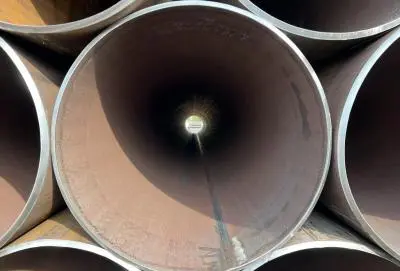
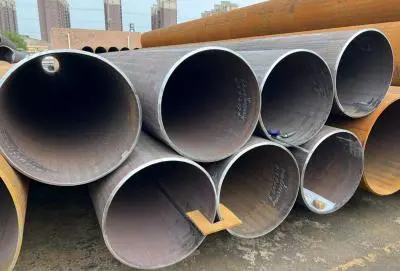
Understanding ISO 3183 L245 Pipe Specifications
This type of line pipe is based on carefully balanced material engineering that puts weldability and structural integrity ahead of maximum strength. When analyzing supplier quotes and project suitability, procurement teams do better when they understand these basic standards.
Chemical Composition and Weldability
The mechanical design of ISO 3183 L245 pipe is based on a low-carbon plain carbon steel. As per PSL1 rules, the highest amount of carbon is still limited to 0.28%, and the highest amount of manganese is limited to 1.20%. This cautious science gets rid of pricey microalloying elements, making this line pipe grade the least expensive in terms of material cost. More importantly, the low carbon equivalence makes it possible to weld well without having to go through a lot of preheating steps. This is especially helpful during field building, where weather conditions and tight schedules require efficient joining methods. Not having complicated alloying makes heat treatment easier and makes it less likely that hydrogen will cause cracks in non-sour service settings.
Mechanical Properties Across PSL Levels
There are big differences in how well materials work between Product Specification Levels. PSL1 sets the basic standards: the minimum yield strength is 245 MPa, the minimum tensile strength is 415 MPa, and the minimum stretch is 22%. These values give the material enough flexibility for cold bending and allow for normal fitting pressures. With a yield strength of between 245 and 440 MPa and a tensile strength of between 415 and 655 MPa, PSL2 has tighter limits. The ratio of yield to tensile is controlled to keep the material from becoming too brittle, and Charpy V-notch impact tests at low temperatures is required to prove the material's fracture toughness. Hardness limits of no more than 250 HV also make sure that the shape can be consistently changed. When engineering firms work in places where temperatures can change, they usually ask for PSL2 to get these extra quality guarantees.
Dimensional Standards and Manufacturing Quality
Consistency in width, wall thickness, and length has a direct effect on how well the system is installed and how well it works. ISO 3183 spells out exact limits that makers must stick to during production. Wall thickness tolerances usually fall between +10% and +15 %, based on the standard measurements. This makes sure that there is enough pressure containment without too much material waste. The standard can be met by both seamless and welded methods of production, but ERW (Electric Resistance Welded) and LSAW (Longitudinal Submerged Arc Welded) are more common for medium to large diameters. Protocols for quality assurance include hydrostatic testing to make sure the pressure stability is correct, ultrasound or radiographic checking to make sure the weld seam is continuous, and mechanical testing to make sure certain values are met. Purchasing managers should make sure that suppliers have written quality control processes that are in line with ISO 9001 standards and can fully track products from the source of the raw materials to the certification of the finished product.
Performance and Application of ISO 3183 L245 Pipes
In the real world, how well an ISO 3183 L245 pipe works relies on how it handles practical stresses, exposure to the environment, and service conditions that are unique to each project. Knowing these actual performance characteristics helps people make choices about what materials to use based on the needs of the job.
Corrosion Resistance and Protective Coatings
When underground or exposed to acidic media, plain carbon steel needs to be protected from the outside. Protective coating methods for ISO 3183 L245 pipe usually include three-layer polyethylene (3LPE), fusion-bonded epoxy (FBE), or hot-dip galvanizing, based on the climate and the budget. 3LPE coats are very good at stopping soil rust and cathodic disbondment, which means that systems that are well taken care of can last longer than 50 years. When carrying corrosive fluids, the inside needs to be lined or coated. However, for many oil and gas gathering tasks, the inside is left bare and monitored for controlled rusting. Because L245 pipe doesn't have as much alloy as stainless steel, it doesn't naturally fight corrosion as well. Choosing the right coating is an important part of buying something because it affects both the original cost and the cost of upkeep over time.
Typical Industrial Applications
In the bigger picture of transportation infrastructure, this pipe type fills a specific need. Low-pressure oil and gas gathering branch pipelines that connect wellheads to central processing facilities are a common use. These pipelines need to be strong enough and easy to join so they can meet the needs of field building. ISO 3183 L245 pipe is used a lot in oilfield water injection and produced water drainage systems because it can handle non-corrosive water flows at low pressures. This grade is often required for distribution mains and service lines in short-distance urban gas distribution networks that work below 2 MPa. Instead of having to deal with the hassles and costs of specialized sour gas metallurgy, the material works consistently in normal, non-sour service circumstances. Small to medium-sized ERW pipe in the L245 pipe grade is still widely available around the world, making it easy to get what you need quickly for jobs like maintenance and growth. These pipes are used in industrial manufacturing sites to move process fluids, cool water, and utilities. They are chosen over higher-strength options because they are more cost-effective and structurally reliable.
Cost-Effectiveness and Technical Performance
It is always hard to find the right balance between price limits and technical needs when buying things for projects. Due to its simple chemistry and large production capacity, ISO 3183 L245 pipe has the lowest cost per ton of all line pipe types. When compared to specific grades, global access means lower prices and shorter lead times. The excellent flexibility and toughness make cold bending possible in the field without the need for special heating equipment, which lowers the cost of installation. However, because it isn't as strong as X52 or X60 grades, the wall sections have to be wider to get the same pressure values. This could mean that the material savings are cancelled out by higher shipping costs and weight. When it comes to a specific project, procurement teams have to weigh these trade-offs. For shorter runs with lower pressure needs, L245 pipe is usually the most cost-effective option, but for high-pressure long-distance trunk lines, it's worth spending more on higher-grade materials.
Comparison and Decision-Making: ISO 3183 L245 vs Other Pipe Grades
To choose the right ISO 3183 L245 pipe specifications, you need to compare them in a planned way to other standards and grades. This evaluation process keeps procurement workers from naming too many expensive materials and from failing to describe them enough, which can cost a lot.
L245 Versus Higher ISO 3183 Grades
L290 has a yield strength of 290 MPa, L360 has a yield strength of 360 MPa, and L450 has a yield strength of 450 MPa. With each step up, the pressure capacity goes up while the wall width stays the same. This means that the same design pressure is achieved with less material and less weight. When the working pressure is less than 4 MPa and the wall schedules are normal, ISO 3183 L245 pipe works well. For trunk line pressures between 6 and 10 MPa, L290 and L360 become more cost-effective. In higher grades, the chemical makeup gets more complicated, with microalloying elements added that make the metal stronger but harder to weld and raise the cost of the material. Specification creep toward higher grades that add extra cost without improving operations should be avoided on projects with clear low-pressure standards.
API 5L Grade B Equivalency
In terms of yield strength, tensile strength, and chemical makeup, API 5L Grade B is the same as ISO 3183 L245 pipe specs. It is the American standard version. In North American markets, API 5L is often used because it is known, but ISO 3183 is used for foreign projects to make sure that all measurements are the same in metric units. The useful features of the materials stay the same, so they can be used in most situations. Suppliers keep two sets of licenses so they can serve both markets. However, the paperwork for buying things should make it clear which standard controls tolerances for dimensions and testing needs so there is no confusion during plant reviews and material checks.
Structural Standards Comparison
Both ASTM A106 seamless pipe and ASTM A53 welded pipe can be used for general structural and pressure purposes, but they are not the same as line pipe standards. These standards don't have the strict chemistry rules, tracking requirements, or PSL-level quality differences that ISO 3183 does. SS400 is a Japanese standard for structural steel. Its bending strength is about 245 MPa, but there aren't any testing procedures that are special to pipelines. Instead of using structural steel as an alternative, pipeline projects should clearly state ISO 3183 or API 5L standards. This is because line pipe certifications for petroleum service are usually required for regulatory compliance and insurance reasons.
Conclusion
When choosing ISO 3183 L245 pipe for structural and pipeline uses, you have to balance technical performance, legal compliance, and the cost of the project. This standard grade of line pipe works well in low- to medium-pressure situations because it is easy to connect, has good mechanical qualities, and is available all over the world. Knowing the differences between PSL1 and PSL2 requirements, recognizing similar standards like API 5L Grade B, and carefully comparing against stronger alternatives helps people make smart decisions about what to buy. To successfully source goods, you need to carefully choose suppliers, negotiate prices, and plan your transportation ahead of time. By using the technical information and buying strategies in this guide, pipeline engineers and project managers can easily choose and get ISO 3183 L245 pipe options that meet project needs and keep costs low over time.
FAQ
What makes ISO 3183 L245 pipe grades different from L290 or L360 grades?
Mechanical strength is the main difference. ISO 3183 L245 pipe has a minimum yield strength of 245 MPa, while L290 and L360 have 290 MPa and 360 MPa, respectively. Higher types have thinner walls that can still handle the same amount of pressure, but they cost more and are harder to weld. When the pressure is less than 4 MPa, ISO 3183 L245 pipe is still the best choice because it is cheaper and easier to weld than higher-strength options.
Can ISO 3183 L245 pipe work in places where bad gas is used?
Sour service conditions are not part of the standard ISO 3183 L245 pipe specs. When moving fluids that contain hydrogen sulfide through pipes, they need grades that meet the requirements in ISO 3183 Annex H. These grades are identified by suffixes like L245NS or L245QS. Sulfide stress cracking can't happen with these special grades because they have managed chemistry and testing procedures. When buying things for places that have H2S, you should always be very clear about what kind of bad services you need.
How can I be sure that ISO 3183 certification is real?
Ask for full Material Test Certificates that include records of chemical analysis, mechanical test results, and heat treatment. Use databases maintained by the granting body to check the API and ISO certifications of the maker. Think about third-party review services that watch as production tests are done and make sure they follow the rules before they are shipped. Reliable sellers provide full traceability paperwork that connects the finished pipe to the original certifications from the steel mill.
Partner with Longma Group for Reliable ISO 3183 L245 Pipe Supply
Longma Group is the best place for procurement managers and engineering firms to find reliable L245 pipe suppliers for projects in oil and gas transportation, water systems, and industrial infrastructure. Our sites use cutting-edge LSAW and ERW production methods along with strict quality systems that are certified to API 5L, ISO 9001, and international environmental standards. We have been making ISO 3183 L245 pipes for 20 years and have a track record of success. We only get our raw materials from the best steel mills in China, like Shagang, HBIS, and Baosteel. This way, we can be sure that the mechanical qualities are always the same and that the materials can be fully tracked. In addition to supplying pipes, we also offer manufacturing, the application of anti-corrosion coatings, and full paperwork packages that are specifically designed to meet the needs of engineering projects. We can produce more than 1,000,000 tons of goods every year and have created logistics networks that serve more than 90 countries. For projects of any size, we offer low prices, flexible order numbers, and reliable schedules. Get in touch with our expert team at info@longma-group.com to talk about your unique needs and get full specs for pipe supplier options that balance value, performance, and compliance.








