
It is very important to know the differences between seamless and welded ISO 3183 L290 pipe choices when choosing pipeline materials for oil and gas transportation projects. The L290 pipe designation is for a line pipe standard with a minimum yield strength of 290 MPa. It is made to handle medium-pressure uses in systems that move oil and natural gas. While both seamless and bonded versions meet this core strength requirement, the way they are made affects their cost, mechanical performance, and usefulness for certain applications. This main difference affects buying choices for medium-sized gathering networks, short-distance transmission lines, and oilfield sites in mild climates where stable performance standards are met at a low cost.
|
|
|
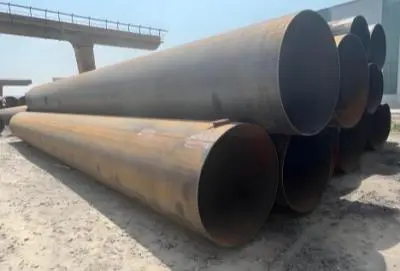
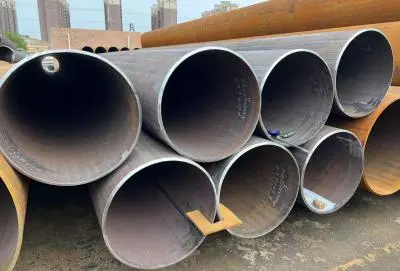
Understanding ISO 3183 L290 Pipe Specifications and Properties
The chemical and mechanical qualities of line pipe materials decide how reliable they will be over time in harsh field circumstances. We've seen a huge number of projects where clear understanding of the specifications kept costly mistakes from happening in the field and kept the plan on track. For this ISO 3183 L290 pipe, understanding the grade limits is essential.
Mechanical Properties Define Performance Boundaries
The technical needs set PSL1 delivery conditions apart from PSL2 delivery conditions in a real way. The PSL1 grade sets the standard for performance, with a minimum yield strength of 290 MPa and a minimum tensile strength of 415 MPa. This gives enough room for medium-pressure work without the need for thorough testing. These values are much smaller in PSL2 standards, which set the yield strength at 290–495 MPa and the tensile strength at 415–565 MPa. This controlled yield ratio keeps the material from deforming unexpectedly during installation, and the requirement to test it for impact at certain temperatures makes sure it will be tough in a range of weather conditions. As required by PSL2, hardness checks make sure that the grain of the pipe wall is the same all the way through. This lowers the chance of having weak spots in certain places that could cause cracks to spread.
Chemical Composition Influences Field Performance
The properties of the material come from the carefully managed chemistry of low-carbon manganese steel. The highest amount of manganese is 1.20%, and it is balanced with minor elements that refine the grains and make the material stronger without making it less flexible. This composition approach keeps the weldability high during field joining operations, which is very important when building plans need quick installation progress. The carbon equivalent values stay within the ranges that allow normal welding methods to be used without having to go through complicated preheating steps. This makes installation easier on a variety of project sites. The controlled chemistry gives a modest increase in strength over lower grades while keeping the toughness needed for the thermal cycles and pressure changes that happen a lot in collecting systems.
Dimensional Accuracy and Testing Protocols
ISO 3183's manufacturing standards require very close tolerances on sizes, which is necessary for automatic welding systems. Outside diameter consistency, wall thickness regularity, and straightness standards make sure that field alignment goes easily and doesn't take too long. Nondestructive testing methods, such as ultrasound examination and radiographic inspection, find problems inside lines before they leave the factory. Hydrostatic testing proves that the system can contain pressure, and dimensional verification makes sure that every length meets the geometric standards for safe placement in the field and long-term operation.
Seamless vs Welded ISO 3183 L290 Pipes: Core Differences and Use Cases
Basically, the way these two types of pipes are made determines what makes them different in real life situations. The choice between seamless and welded designs affects not only the cost of purchase, but also how well the product works and how often it needs to be maintained in the long run for an ISO 3183 L290 pipe installation.
Manufacturing Processes Create Distinct Properties
To make seamless pipes, solid steel billets are turned into hollow pipe shapes without longitudinal welds using rotating drilling or extrusion. This method makes the pipe wall's microstructure the same all the way through, so there is no weld gap, which could be a weak spot in bonded options. Electric Resistance Welding (ERW) or Submerged Arc Welding (SAW) is used to join the sides of a formed plate or coil into a pipe shape in welded pipe making. ERW processes are very good at making things with standard sizes, while LSAW (Longitudinal Submerged Arc Welded) processes can make things with bigger diameters and thicker walls than seamless mills can afford to make.
In real life, the changes in mechanical function show how the parts were made differently. When there is multiaxial stress in a complicated pipe geometry, seamless pipes behave in a way that can be predicted because their traits are the same in all directions. The quality of the weld has a big impact on how well the pipe works. With current manufacturing, we can get weld zone properties that are the same as or better than the properties of the base metal if the right steps and checking rules are followed. Pay attention to heat-affected areas next to welds while field welding to avoid limited changes in microstructure that could affect how well the welding works.
Economic Considerations Shape Procurement Decisions
Cost factors include more than just per-ton prices; they also include the economy of the whole project. Seamless pipes usually cost more because the tools used to make them is more expensive and uses more energy during the rotating piercing or extrusion processes. This bonus gets smaller for pairings with a smaller diameter and heavier walls, since seamless production gets better material returns. Welded pipe manufacturing is more cost-effective because it can make more quickly and efficiently use plate or coil feedstock. This is especially true for bigger sizes where seamless production costs too much to be practical.
There are real effects on buying operations that come from thinking about the supply chain. The ability to make seamless pipes is still mostly based in a few areas, which could make lead times longer for big orders. Manufacturers of welded pipes sell their products in more global markets and often offer shorter delivery times and more open minimum order numbers. These transportation issues are very important when project deadlines require fast delivery of materials or when phased building methods need staged pipe deliveries that match the progress of installation.
Application Scenarios Guide Selection Strategy
Based on practical needs, typical uses show where each type of pipe performs best. Seamless designs work best in places with a lot of vibrations where wear resistance is very important, like compressor station pipes that are constantly being pumped with high and low pressures. Since there are no longitudinal welds, there are no possible starting places for fatigue cracks that could form over years of repeated loads.
In medium- to low-pressure gas gathering networks, where cost-effectiveness drives material choice without sacrificing safety, welded pipes are the most common type of pipe. Welded pipe is available in the exact width and wall thickness combinations that improve hydraulic performance, which is helpful for medium-sized oil and gas branch lines. Short-distance onshore transmission pipes for natural gas and crude oil that work in warm conditions are great places for welded pipes because they can provide reliable service at low project costs because the quality of the welding is controlled. Surface pipes in low-H₂S oilfields don't have to deal with the harsh corrosion conditions that would normally require the extra integrity cushion of seamless pipe.
Comparing ISO 3183 L290 With Other Pipe Grades
For procurement pros, knowing where ISO 3183 L290 pipe fits in the larger range of line pipe grades helps them choose the best specs for each job. The grade comparison shows how success and cost are related, which helps with value engineering.
Mechanical Property Relationships Define Grade Selection
ISO 3183 L290 pipe is a good middle ground between L245 (API 5L Grade B), which is less strong, and L360 (API 5L X52), which is stronger. The higher strength compared to L245 lets you raise the pressure grade or lower the wall thickness, which balances out the slightly higher cost of the material. Compared to L360, the L290 pipe standard gives enough strength for medium-pressure service while still being more flexible, which makes it easier to make in the field and lowers the risk of damage during installation. Because of its balanced shape, L290 pipe is a good choice for a cost-effective crossover grade between low- and medium-pressure service needs.
API 5L Grade B and ASTM A106 are two other standards that should be thought about when planning a job. API 5L Grade B has the same amount of strength as L245 and can be used in lower-pressure situations where ISO 3183 L290 pipe might be too strong. ASTM A106 is mostly used for process pipes, not transmission lines. It has different testing standards for each type of service. Which one of these standards to use relies on the working pressure, temperature range, corrosion environment, and any relevant legal rules that apply to the project.
Compliance Requirements Affect Project Implementation
Different standards have different needs for certification and paperwork, which can affect how projects are managed and how quality is checked. ISO 3183 PSL2 requires thorough testing and tracking that meets strict regulatory settings. PSL1, on the other hand, offers streamlined compliance that is better for less important uses. By understanding these differences, you can make sure that the material requirements match the quality assurance needs of the project. This will save you money by avoiding over-specification and make sure that you have enough paperwork for governmental approval and long-term asset integrity management.
Conclusion
Choosing between seamless and welded ISO 3183 L290 pipe types relies on the needs of the project, taking into account things like cost, performance, and how the pipe will be used. Seamless options have uniform properties and don't have longitudinal weld issues. Welded options, on the other hand, give you more production choices and lower costs across a wider range of standard diameters. Knowing the difference between PSL1 and PSL2 helps match the quality of the materials to the needs of the project, preventing extra costs from over-specification without lowering safety limits. Technical understanding and smart supplier selection are key to successful procurement. Quality assurance, thorough paperwork, and value-added services that support project success from planning to operation are also important.
FAQ
What advantages do seamless pipes offer over welded alternatives?
Seamless pipes don't have a lengthwise weld seam, so the wall of the ISO 3183 L290 pipe has the same mechanical features all the way through. This consistency is helpful in situations where there are multiple axial loads, wear loading, or extreme service conditions that could cause weld zones to become weak spots.
Does L290 perform adequately in corrosive or cold environments?
The ISO 3183 L290 pipe chemistry has a modest level of corrosion protection and is good for mild drilling conditions with low H₂S levels. Impact testing is required by PSL2 standards to make sure that the material is tough at certain temperatures. This makes sure that the material will work reliably in cold climates when it is properly defined.
What criteria should guide pipe supplier evaluation?
Check for certifications like API 5L and ISO 9001, make sure quality control is working by doing facility audits or getting reports from a third party, make sure production capacity matches project timelines, see if technical support is available, and look over documentation practices to make sure full traceability and compliance support.
Partner With Longma Group for Your ISO 3183 L290 Pipe Requirements
Longma Group is ready to help you with your pipeline projects by providing you with high-quality ISO 3183 L290 pipe that is made to strict international standards. Our LSAW and ERW production methods let us make both seamless and welded shapes that fit your exact needs for width, wall thickness, and transport conditions. With API 5L and ISO 3183 licenses and full quality management systems, we give engineering firms and purchase managers the reliable materials and accurate paperwork they need. Our technical team is here to help you through the whole process of specifying and buying materials, making sure you choose the best ones for your needs and your budget. Get in touch with us at info@longma-group.com right away to talk about your ISO 3183 L290 pipe supplier needs and get a full quote that includes reasonable prices, realistic delivery schedules, and the extra services that set great suppliers apart from average ones. You can look at our full line of products at longma-group.com and learn how our production skills help with projects in oil and gas markets around the world.