
With a minimum yield strength of 485 MPa and a tensile strength range of 570 to 760 MPa, ISO 3183 L485 pipe is a high-strength carbon steel line pipe grade made for tough energy infrastructure projects. In high-pressure gearbox systems, offshore sites, and cold climates where structural stability is a must, this standard makes sure that the system works reliably. By knowing these specs, procurement professionals can confidently choose pipeline materials that meet performance needs and are also cost-effective from an engineering point of view.
|
|
|
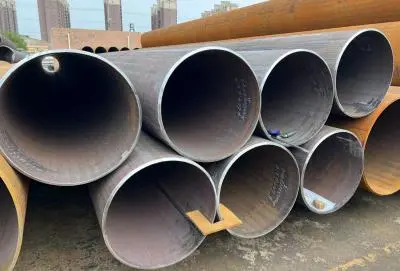
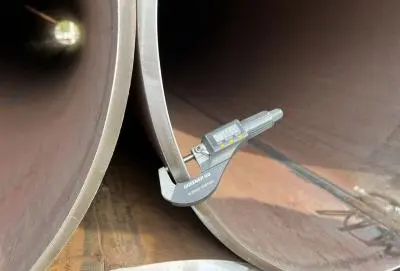
Understanding ISO 3183 L485 Pipe Standards and Specifications
The ISO 3183 standard controls the production of steel pipes used in pipeline transportation systems in the natural gas and oil businesses around the world. This international framework sets strict rules for the make-up of materials, their mechanical properties, and the quality control methods used to make sure that pipelines are safe in all kinds of operating conditions.
Core Mechanical Properties
The minimum yield strength of ISO 3183 L485 pipe grade is 485 MPa, which is the same as API 5L X70. This makes it a popular choice for high-pressure trunk lines. The tensile strength range of 570–760 MPa gives a good buffer against operational stresses, and the minimum elongation of 20.5% makes sure that the material can be bent easily during installation and service. Because of these mechanical properties, engineers can make pipelines with walls that are just the right thickness, which saves material without lowering the pressure capacity.
Chemical Composition and Microstructure
The metal that ISO 3183 L485 pipe is made of is a combination Nb-V microalloyed steel that has a lot of manganese in it. Industry professionals use controlled rolling and faster cooling methods to create an acicular ferrite microstructure that is very hard to break. This fine-grained structure makes it very hard for cracks to spread, which is very important for keeping things from breaking down badly in high-risk places. Adding niobium and vanadium in a smart way makes it possible to refine the grains while keeping the weldability high. This meets the needs of both field manufacturing and long-term sturdiness.
Manufacturing Methods
To make ISO 3183 L485 pipes, you need modern mill tools that can keep temperatures within narrow ranges during the rolling and faster cooling stages. Longitudinal Submerged Arc Welded (LSAW) technology is the best way to make thick-wall products that need to be resistant to both internal pressure and external collapse. The thermo-mechanical rolling process, which is often given a "M" suffix (ISO 3183 L485M pipe), makes materials stronger and tougher without having to heat treat them after they are welded. This speeds up production while improving material performance.
Dimensions and Physical Characteristics of ISO 3183 L485 Pipes
Accuracy in measurements has a direct effect on the integrity of the pipeline system and how quickly it can be installed. ISO 3183 sets clear tolerance limits that purchasing managers must compare to the project requirements.
Standard Dimensions
There are a range of outer diameters for ISO 3183 L485 pipes, from 168.3 mm to 1422 mm, to meet a wide range of throughput needs and operating pressures. You can choose wall thicknesses between 6.4 mm and 50.8 mm, depending on the design pressure, environmental loads, and safety concerns. Standard lengths include single random (5–7 meters), double random (10–12 meters), and custom-cut options that minimize field welding while optimizing transportation logistics.
The relationship between diameter, wall thickness, and pressure capacity is based on well-known engineering formulas. However, because ISO 3183 L485 pipe has a higher yield strength than lower-grade alternatives, the wall thickness can be lessened. This efficiency with materials leads to big cost savings for pipeline projects, especially cross-border gas transport systems that use millions of tonnes of steel.
Protective Coating Systems
Protecting pipes from corrosion increases their useful life and keeps the flow working well for many years. Three-layer polyethylene (3LPE) is often used for buried pipelines, fusion-bonded epoxy (FBE) is used for moderate-temperature tasks, and two-layer polypropylene (2PP) is used for tough conditions. How the coating is installed, the extreme temperatures, and the chemical makeup of the soil all affect the choice of coating.
For subsea uses, specially treated anti-HIC (Hydrogen-Induced Cracking) and anti-SSCC (Sulfide Stress Corrosion Cracking) variants become necessary when moving sour gas or oil containing hydrogen sulfide. These changes to the materials stop hydrogen embrittlement, a type of failure that has caused major accidents in the industry.
Quality Assurance and Testing Methods for ISO 3183 L485 Pipes
Full quality control makes sure that the pipeline is safe and that it meets technical requirements.
Non-Destructive Testing
Full-body ultrasonic testing (UT) finds internal laminations, inclusions, and manufacturing flaws that could make the pipe less stable. Radiographic testing (RT) checks the quality of the weld seam. This is especially important for LSAW pipes where longitudinal welds carry most of the stress. Magnetic particle inspection finds breaks on the surface and close to the surface, and eddy current testing checks how uniform the wall thickness is along the length of the pipe.
Mechanical Testing
Tensile testing confirms yield strength, tensile strength, and elongation meet specification minimums across production lots. Charpy V-notch (CVN) impact testing checks how tough a material is at certain temperatures, which is important for making sure that it works well in cold places. Drop Weight Tear Testing (DWTT) checks how ductile-to-brittle materials change and how well they can stop cracks from spreading. This is especially important for high-pressure gas transmission, where a running ductile fracture could be very dangerous.
Weldability Validation
Due to ISO 3183 L485 pipe's limited heat input range, field welding must be done by people who are trained and certified. Welding procedure standards (WPS) must be qualified by tests that show they have good mechanical qualities and joints that are free of flaws. Hydrogen cracking can't happen with low-hydrogen welding supplies, and controlled preheat and interpass temperatures keep the right cooling rates. Specifications for purchases should require providers to give advice on welding based on the properties of the material in question.
For sour service applications, extra tests according to NACE TM0284 (HIC resistance) and NACE TM0177 (sulphide stress cracking resistance) prove that the material works well in hydrogen sulfide-containing acidic environments. These specialized tests reveal susceptibility to hydrogen-related damage mechanisms that normal mechanical testing cannot spot.
Conclusion
It has been shown that ISO 3183 L485 pipe works well in high-pressure transmission systems, installations that are offshore, and harsh environments. This grade is the best choice for cross-border gas transmission and subsea pipelines because it has a yield strength of 485 MPa, better fracture resistance, and great toughness at low temperatures. Strategic procurement requires understanding dimensional specifications, quality testing protocols, and supplier capabilities to secure materials that meet project requirements while optimizing total installed costs. Working with qualified makers makes sure that international standards are met and that the pipeline will be reliable for a long time.
FAQ
What distinguishes ISO 3183 L485 pipe from API 5L X70?
These designations represent technically equivalent specifications, with ISO 3183 L485 pipe serving as the international metric standard and API 5L as the American standard. Both need a minimum yield strength of 485 MPa and have limits on chemicals that are very similar. Projects can typically accept either designation, providing procurement flexibility across global supplier networks.
Can L485 pipe perform reliably in Arctic environments?
When made to PSL2 standards and subjected to mandatory impact testing, the ISO 3183 L485 pipe grade shows enough Charpy impact toughness at temperatures as low as -40°C. The acicular ferrite lattice doesn't break easily in cold weather, so it can be used in Arctic pipes and cold plateau transmission systems, where changing seasons make it hard for materials to bend.
What factors drive L485 pipe pricing?
Prices are based on the costs of energy, alloying elements, and raw materials for steel billets. Controlled rolling, accelerated cooling, and thick-wall LSAW production are some of the manufacturing techniques that add a lot of value. Extra costs come from certification fees for third-party inspection, specialised testing, and paperwork. Market factors including supply-demand balance and regional production ability create price variations across suppliers and geographic areas.
Partner with Longma Group for Certified ISO 3183 L485 Pipe Supply
Longma Group stands as a trusted manufacturer delivering high-quality line pipe solutions to procurement managers, pipeline engineers, and project contractors worldwide. We have been making high-quality products for over twenty years and can make more than one million tonnes of pipes every year. Our ISO 3183 L485 pipes meet strict international standards and have been certified by API 5L PSL1 and PSL2. Our advanced LSAW and ERW production lines can make pipes with an outer diameter from 168 mm to 1422 mm, and we can make them in a wide range of sizes to meet the needs of your project. We give you all the paperwork you need, like Material Test Certificates, Inspection and Test Plans, and Manufacturing Procedure Specifications, which makes the buying process easier for you. Get in touch with our technical team at info@longma-group.com to talk about your needs, get detailed quotes, and find out why top engineering firms choose Longma Group as their main ISO 3183 L485 pipe supplier.








