
When planning offshore pipeline infrastructure, picking the right steel grade has a direct effect on how safe the project is, how much it costs, and how long it lasts. ISO 3183 L485 pipe has a minimum yield strength of 485 MPa and better fracture resistance, making it a tried-and-true choice for difficult subsea uses. This grade is the main material used for shallow to medium-depth offshore gas transfer, oilfield gathering systems and LNG export pipes, where keeping internal pressure in check and preventing collapse from the outside are still very important. Engineers and procurement managers depend on L485's balanced performance profile to meet strict design codes while reducing the thickness of walls and costs of installation.
|
|
|
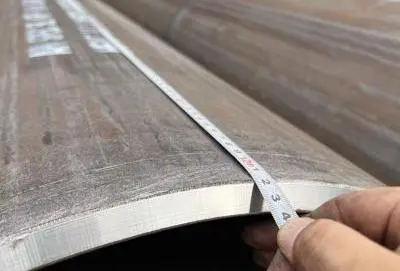
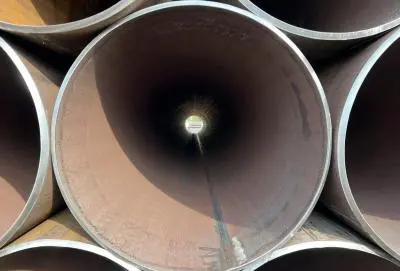
ISO 3183 L485 Line Pipe for Offshore Applications
Defining the L485 Grade and Its Role in Marine Environments
The ISO 3183 L485 pipe is a type of high-strength carbon steel line pipe that is designed to be used in systems that move oil and natural gas. The name "L485" comes from the fact that it has a minimum yield strength of 485 MPa, which is the same as API 5L X70 grade in the United States. This grade meets important challenges in offshore projects, like being able to withstand high operating pressures without having walls that are too thick, lowering the cost of transportation and installation by making materials stronger for their weight, and providing reliable structural integrity in situations where failure would be disastrous.
Key Mechanical and Chemical Specifications
Knowing the technical layout of L485 pipes helps procurement teams make sure they meet requirements and are right for the project. Mechanically, the grade has a minimum yield strength of 485 MPa, a tensile strength range of 570 to 760 MPa, and a minimum elongation of 20.5 percent or more. This flexibility makes sure that the pipe can handle the pressure of installation and use without breaking easily.
The metal is mostly made up of a composite Nb-V microalloyed steel that has a lot of manganese. It is rolled carefully and cooled quickly to create an acicular ferrite microstructure. This microstructure is very good at stopping cracks from spreading and keeping its Charpy impact toughness at temperatures as low as -40°C. This makes it suitable for use in cold plateau areas and installations in the north. The higher Drop Weight Tear Test (DWTT) crack arrest level successfully lowers the risk of pipeline breach, which is very important for offshore operations where emergency reaction times are very long.
Manufacturing Process and Quality Assurance
Longma Group makes L485 pipes using cutting-edge longitudinal submerged arc welding (LSAW) technology. This lets us make big pipes with thick walls that are needed for marine uses. The first step in our production process is getting raw materials from trustworthy Chinese steel mills like Shagang, Shangang, TISCO, BX Steel, Shougang, HBIS, and Bao Steel. This makes sure that the chemical composition and mechanical qualities are consistent from the start.
Precision plate edge milling, pre-bending and forming at controlled temperatures, multi-pass submerged arc welding with the right amount of heat input, and post-weld heat treatment to remove residual stresses and improve the toughness of the weld zone are all parts of the production process. Each step is carefully checked: full-body ultrasonic testing (UT) finds internal laminations, radiographic testing (RT) makes sure the weld seam is solid, and Hydrostatic Testing (HT) makes sure the pressure is contained at 90 percent of the minimum yield strength. These steps give documented reassurance to B2B clients that pipes will work reliably under offshore stressors.
Technical Advantages of ISO 3183 L485 in Offshore Pipeline Projects
Superior Strength-to-Weight Performance
One of the best things about L485 grade is that it has a higher yield strength than L450. This means that engineers can cut down on wall thickness while keeping the same design pressures. This feature leads to real cost savings throughout the whole project lifecycle: less material used, less shipping, less time spent on installation vessels, and easier handling during offshore laying operations. By reducing the weight of pipes without sacrificing safety, projects that cover hundreds of kilometers can save millions of dollars.
Enhanced Fracture Resistance and Cold-Climate Reliability
Its acicular ferrite structure makes it very hard for cracks to start and spread. This is something that can be tested with exact Charpy V-notch (CVN) impact tests. Our pipes are usually tough enough to work safely in offshore settings where they may be subject to cold ocean currents or changes in seasonal temperatures. The high DWTT crack arrest level means that even if there is a flaw or damage, the pipe's microstructure stops cracks from spreading quickly. This keeps the pipeline's integrity and stops failures that start from one place and spread to others.
Corrosion and Sour Service Adaptability
Seawater, hydrogen sulfide (H2S), and other corrosive substances are always around offshore pipelines. Different types of specially treated ISO 3183 L485 pipes have properties that stop hydrogen-induced cracking (HIC) and sulfide stress corrosion cracking (SSCC). These properties were proven by testing them according to the NACE TM0284 and NACE TM0177 standards. When these pipes are made to PSL2 (Product Specification Level 2) standards, they have to pass stricter carbon equivalent limits, impact tests, and tighter dimensional tolerances. These are important for sour gas service applications where material weakness could cause catastrophic failure.
Comparison with Alternative Grades
By comparing L485 to other commonly used grades, its niche becomes clear. L485 has a yield strength that is about 7–8 percent higher than L450. This means that walls can be thinner and costs can be lower while design pressures stay the same. Compared to higher grades like L555, L485 is easier to find, cheaper, and easier to weld. This makes it perfect for shallow to medium-depth offshore projects where extreme pressures don't make the extra cost of premium grades worth it. When compared to API 5L X70, the two grades are technically the same. ISO 3183 is the metric international standard that most markets around the world use.
How to Select the Right Pipe Grade for Offshore Projects?
Evaluating Load Demands and Environmental Conditions
Before choosing the right pipe grade, it's important to do a full analysis of the design pressures, water level, bottom conditions, and expected service life. L485 works great in places where internal pressures need to be up to 15-20 MPa, water depths don't go below 300 meters, and moderate corrosion protection is enough. Pipeline engineers have to find a balance between the need for mechanical strength and the difficulty of installation. They know that using thicker-walled lower grades may raise project costs because they are harder to handle and move.
International Standards and Compliance Requirements
Most offshore pipeline projects have to follow ISO 3183, API 5L, or area norms like AS/NZS for Australian markets. When ISO 3183 L485 pipes are made to PSL2 specs, they meet the strictest international standards. These standards include having to be inspected by a third party, having full paperwork for traceability, and passing tests for toughness, hardness, and chemical composition. To make sure that the quality management systems for projects are in line with the suppliers' certifications, procurement managers should check that the suppliers have the latest API 5L, ISO 9001, ISO 14001, and ISO 18001 certifications.
Procurement Timing and Logistics Planning
Lead times for high-grade line pipes depend on how many are ordered, how they need to be customized, and when they need to be made. Standard diameter pipes with common wall thicknesses usually ship between 45 and 60 days. Custom specifications that need special heat treatment, coating, or threading may take up to 90 days longer. For offshore projects, it's very important to coordinate buying with the availability of installation vessels and weather windows. Delays can lead to expensive standby charges and seasonal outages.
Conclusion
It is still important for offshore pipeline projects to use ISO 3183 L485 pipe because it is reliable, doesn't cost too much, and meets international standards. It is the best material for shallow to medium-depth subsea installations because it has balanced mechanical properties, better fracture resistance, and can be used in sour service applications. Partnering with certified manufacturers who offer clear quality documentation, flexible manufacturing options, and quick technical support is key to successful procurement. We are still dedicated to providing ISO 3183 L485 pipes that meet the high standards of energy infrastructure projects around the world.
FAQ
What makes ISO 3183 L485 pipe suitable for offshore applications?
ISO 3183 L485 pipe has a minimum yield strength of 485 MPa and a high fracture toughness, which means it can handle the high pressures and hydrostatic loads that are common in underwater settings. Its acicular ferrite microstructure stops cracks from spreading, and special anti-HIC and anti-SSCC treatments keep hydrogen from weakening it in sour gas service.
How does L485 compare to API 5L X70 grade?
L485 and API 5L X70 are technically the same grade because they have almost the same chemical composition limits and mechanical property requirements. The world metric standard is ISO 3183, and the American petroleum business standard is API 5L. Both grades can be used for the same things and work about the same.
Can L485 pipes operate in cold-climate offshore locations?
L485 pipes made to PSL2 standards have to go through required Charpy V-notch impact testing, which makes sure they are tough enough at temperatures as low as -40°C. This feature makes sure that the ship can be used safely in Arctic waters, areas with cold currents, and areas with extreme seasonal temperatures without breaking easily.
What certifications should I verify when sourcing L485 pipes?
Purchasing departments should check that sellers have up-to-date API 5L certification, ISO 9001 quality management certification, and any other approvals that are needed for the product. For sour service projects, compliance with NACE MR0175/ISO 15156 standards must be documented and proven through HIC and SSCC testing.
Partner with Longma Group for Certified ISO 3183 L485 Pipe Supply
Choosing the right ISO 3183 L485 pipe manufacturer is the first step in building a reliable offshore pipeline system. The manufacturer should have technical know-how, a track record of producing high-quality pipes, and a strong dedication to quality. Longma Group has sent high-strength line pipes to more than 90 countries to help with important energy projects in the Middle East, Australia, Southeast Asia, and other places. To meet the strictest technical standards, our ISO 3183 L485 pipes are made to PSL2 standards, go through extensive NDT testing, and come with all the paperwork needed to prove their origin. Email our technical team at info@longma-group.com to talk about your project needs and get a detailed quote that fits your delivery schedule and requirements.








