
A steel core that can hold weight and a polyethylene layer on the outside of PE coated steel pipe keep water, salts, and rough soil from touching the metal. People buy it to bury piped water, gas, and oil lines, as well as farm and factory networks. Its best qualities are that it keeps corrosion at bay, doesn't break easily, and doesn't need as many repairs over time. To get a good deal, make sure that the project's pipe standards, coating standards, thickness, and test records are all met. This guide goes over how to use quotes, their benefits, how to make sure they are correct, and how to check the suppliers.
|
|
|
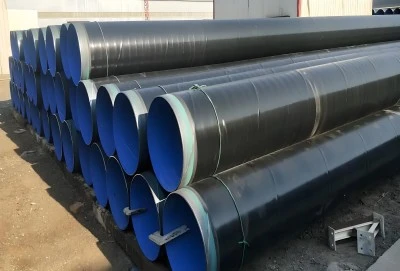
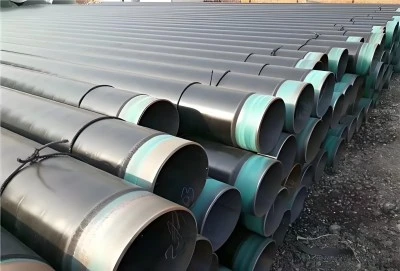
What PE Coated Steel Pipe Is and Why Projects Use It?
How the Pipe and Coating Work Together?
To me, PE coated steel pipe and steel are two different things that are used for different things. The steel core keeps its shape, holds up the soil, and can handle pressure. It keeps water, oxygen, chlorides, and wear and tear out with its polyethylene layer. As with most 3LPE systems, an epoxy primer sticks to steel that has been blasted. An epoxy copolymer glue sticks the primer to the polyethylene, and the PE topcoat is what wears off over time. Manufacturers can pick LDPE, MDPE, or HDPE based on the service. Also, keep the lining on the inside and the PE coating on the outside separate. They need to be done in different ways to protect different surfaces. Before you look at prices, you should know what surfaces you need for your project.
Why Buyers Choose PE Coated Steel Pipe?
It costs a lot to have corrosion. Corrosion costs the world about US$2.5 trillion a year, or 3.4% of the world's GDP, according to the NACE IMPACT study from 2016. It was also thought that that cost could be cut by 15 to 35 percent by using known ways to stop corrosion. Steel that is buried doesn't get wet, salty, or dirty because it has a polyethylene coating on it. And it can handle being moved around and being handled. Its electrical insulation can help near sources of stray current or with cathodic protection. There is more to performance than just the name of the material. How well the surface is prepared, how thick the coating is, how well it sticks, and how well it was installed are all things that matter. If you pick the right pipe, you might not have to paint or fix the outside as often as it lasts.
Where PE Coated Steel Pipe Is Used?
It is made of PE coated steel pipe and is used in buried water mains for fire water lines, industrial process water networks, mining infrastructure, water treatment plants, and transporting raw water for drinking. Plastic films are also put on steel that is buried in oil and gas transmission lines. The coating grade is based on the temperature it will be used at. When it comes to coastal and humid areas, the moisture barrier works well. However, extra systems may be needed for splash zones, service in water, and harsh chemical exposure. If you live in the US and use drinking water, any surface you touch must meet NSF/ANSI/CAN 61. A coating that is approved for the outside can't go over the side that gets wet. It's important to think about the groundwater level, temperature, resistivity of the soil, and how it will be installed before making a choice.
PE Coated Steel Pipe Specifications and Production
Pipe and Coating Standards to Confirm
This is where you should list both the standard for the pipe and the standard for the coating. For API 5L, ASTM A53, EN 10210, and AS/NZS 1163, you can buy PE coated steel pipe from Longma Group. Coatings must meet a number of standards, including AWWA C210, C213, CSA Z245.20, EN 10339, and ISO 21809-1. I think you should match each clause in your specification to a supplier test record. The project documents will tell you which standard to use. Tell them what kind of steel it is, how long the pipe is, how the ends are shaped, the design pressure, and the temperature at which it will be used. It is fair to compare prices when suppliers quote the same scope. This is because the language used is clear.
Size Range, Steel Grades, and Thickness
Our PE coated steel pipe has a wall thickness of 6.02 mm to 50.8 mm and an outside diameter of 60.3 mm to 1422 mm. We use that range for both small transmission lines and large diameter distribution lines. Base pipes are made with ERW and LSAW. It comes in grades API 5L PSL1 and PSL2 from B to X80, ASTM A53 Grade B, and AS/NZS 1163 C250, C350, and C450. It doesn't matter how thick the coating is. You should put both the nominal value and the minimum tolerance in your RFP. This is because the right number depends on the standard, the size of the pipe, and the amount of stress on the site.
Manufacturing Steps and Factory Testing
Being good starts with the pipe that comes in. We check the pipe's size, grade, weld condition, and heat number, and then we track it from raw materials to finished goods. Our steel comes from mills like TISCO, BX Steel, Shougang, HBIS, and Bao Steel. Crews clean the surface, sand it down, and check out its shape and cleanliness. To add polyethylene, you can either extrude it or use a bonded multi-layer process with a primer and an adhesive. The speed of the line, the temperature, and the cooling are all kept in check. One of the last checks is a high-voltage spark test to make sure there are no holidays. Other tests include measuring the thickness, peel strength, impact resistance, and cathodic disbondment. The normal goal for acceptance is to have no vacations.
Benefits, Limits, and Comparison With Other Coatings
Main Benefits of PE Coated Steel Pipe
The best thing about steel is that it is strong and there is a strong wall around it. This is a good way to protect buried utilities and large-diameter lines that need to be strong against damage and wear and require little upkeep. It is not the plastic pipe that can hold up the weight of the digging and filling in, but the steel wall. Soil and water can't get to steel that isn't covered with bitumen or is covered with a polyethylene layer. You only need to keep track of one set of records if you buy the pipe and coating from the same business. This makes it easier for the EPC teams to work together. So that your QA/QC team can look over them more quickly, put all of the ITP, MPS, and MTC files in one package.
Limits You Should Weigh
It costs more up front for PE coating to be put on steel that isn't coated, and it can be broken by weak blasting, bad adhesion, rough handling, or repairs that aren't done right in the field. Polyethylene can only be made up of certain chemicals and at certain temperatures. I wouldn't use it for jobs that need a certified internal lining, deal with harsh fluids, high temperatures, or slurry wear. Talk to your supplier about the temperature ranges where the specific grade and standard of coating can be used. People also often worry about damage to the transport. With care, padded supports, and approved repair materials, it can be fixed. This will help you avoid costly surprises when the pipe gets to the site if you raise these limits early on.
PE Compared With Epoxy, Galvanizing, and PVC
Most of the time, PE is more durable than epoxy when it comes to impact and wear. On the other hand, epoxy can be used on the inside, in complicated shapes, or at higher temperatures. Hot-dip galvanizing, FBE, 2PP, 3LPE, and 3PE are some of the other methods Longma Group uses. This way, we can see which ones fit your needs best. It's possible for PE to behave differently in rough soil, while galvanizing protects through a layer that is meant to be broken. There are many types of PVC that are flexible, can handle different temperatures, don't break easily, and come in big sizes. Instead of just looking at price, think about the soil and groundwater conditions, the pressure, the temperature, the rules for potable water, the installation method, the need for field repairs, and the total cost over the life of the system.
How to Choose and Buy PE Coated Steel Pipe?
Start With Operating Conditions
Do not start with a size from a catalog, but with what you want to use it for. It is important to write down the type of fluid, the pressure, the temperature, the depth of burial, the chemistry of the soil, the groundwater, the mechanical exposure, and the service life goal. Then, connect those conditions to the requirements set by ASTM, EN, ISO, DIN, AWWA, or the project. Add needs for coating thickness, adhesion, holiday detection, and potable water when it makes sense to do so. If the owner is in the US, make sure that your specification includes any AWWA references as well as the NSF/ANSI/CAN 61 requirement for wet surfaces. Right now you should also think about how the pipe will be delivered, how it will be lifted, and how it will be shipped. You should also think about whether it will come with field repair kits and when it will be delivered. The review process with your corrosion engineer and QA/QC manager will be shorter if you take care of these issues quickly.
Pricing Factors and a Clear RFQ
Prices for PE coated steel pipes depend on the type of steel, the diameter, the wall thickness, the structure and thickness of the coating, testing, the amount, how the pipes are packed, and where they are going. It's fair to look at quotes that are similar in terms of technical scope and Incoterms. There should be information in a good RFQ about the size, quantity, standards, coatings, inspections that need to be done, certificates, where the goods need to be sent, and when they need to be delivered. Write down the test records you want and if you want a third party to look over the documents. You can be more sure of the lead time and need less time for clarification rounds if the RFQ is more complete.
How to Evaluate a Supplier?
First, find out if the supplier is a factory, a store, or a person who helps people trade. After that, look at the supplier's quality records, project references, and production control. It has been making ERW and LSAW steel pipe since 2003. By the end of 2023, the factory will have made more than 1,000,000 tons of steel every year. It is spread out over 230,000 square meters. We have customers from over 90 countries. We have certificates for API 5L, ISO 9001, ISO 14001, 18001, and FPC. For reviewers, we also give ITP, MPS, and MTC files that help them agree with the plan for coating. Make sure you get samples, pre-production approval, and coating test reports from a supplier before you sign a contract with them.
Quality Assurance, Shipping, and Installation
Pre-Shipment Inspection and Documents
The quality is checked all the way from the factory to the beginning of the project. Before the pipes are sent out, inspectors look at their sizes, the coating's thickness, the surface's condition, the pipes' ability to stick together, any holiday flaws or markings, and the packaging. Big infrastructure projects are safer when they are inspected by a third party. Ask for the ITP before production starts so that your QA/QC team can mark the hold points. After delivery, it's important to keep MTCs and coating test reports that are linked to heat and batch numbers. People will want to be able to find you if they have a question many years from now.
Handling and Transport Protection
Between the plant and the trench, there is a lot of damage to the coating. To lift the pipe, only use wide slings that won't damage it. Never use chains or hooks that aren't attached to anything. Protect the ends of the pipe and keep it away from things that are sharp. When you stack it, make sure there is enough space between each layer so they don't rub against each other while the ship is moving. Check it out when you get there and write down any scratches you find. Before burying the body, use approved materials to fix any damage that was done. After that, check to see if the repairs worked with a holiday detector. When packaging and end protection are specified in the RFQ, damage claims are less likely to happen.
Field Joints and Backfill
Both the factory coating and the field joints need to be taken care of. If the joints aren't protected properly, they can rust. It's important to make sure the surface is ready, there's enough overlap, the weather is good, and the repair system works with the factory coating. Do a holiday test after that. Talk to your supplier ahead of time to make sure you can work together. Get rid of any sharp rocks in the trench and make a proper bed. Then, use controlled layers to add backfill. Test the coating under pressure and work with the installer to make sure it stays in place while the building is being done.
Conclusion
The steel pressure wall and polyethylene barrier on PE coated steel pipe keep dirt, salt, and water from touching lines that are buried or in the ground. How well something works isn't just based on its name, as this article showed. They also depend on being able to match the project's pipe standards, coating standards, thickness, and test records. PE is often better than epoxy, galvanizing, or PVC at protecting against damage and wear. But it might not work because of the temperature, the chemicals it might be exposed to, the need for an inner liner, or rules about potable water. The coating can safely go from the plant to the trench because of clear RFQs, supplier verification, factory inspection, careful transport, and fixing field joints the right way. Buyers can compare prices fairly and avoid coating failures that could have been avoided if they first describe how the product will be used and ask for documents that can be kept track of.
FAQ
What sizes are available?
Our PE coated steel pipe comes in outside diameters from 60.3 mm to 1422 mm and wall thicknesses from 6.02 mm to 50.8 mm.
Which coating standards apply?
The rules we follow are AWWA C210, C213, CSA Z245.20, EN 10339, and ISO 21809-1. Your project requirements will tell you which one to use.
Can I use it for drinking water?
It matters what kind of surface touches the water. For parts that get wet in the US, they should meet NSF/ANSI/CAN 61. Check with your supplier to make sure the internal protection is right.
What should I include in an RFQ?
Send the grade and amount of steel, the coating standard and thickness, the need for inspection, the certificates, the destination, the delivery date, and the diameter and wall thickness.
Request a PE Coated Steel Pipe Quote From Longma Group
Longma Group is a company that makes PE coated steel pipes. They can also make pipes using the ERW and LSAW methods. They are certified to meet API 5L standards and come with different coatings, such as FBE and 3LPE. Send us an email at info@longma-group.com with the pipe's diameter, wall thickness, quantity, standards, and the location where you want it to go. Our team will then provide you with a technical offer along with test results and a delivery schedule. At longma-group.com, you can learn more about the item as well.