
Procurement managers and pipeline experts always choose API 5L X52 pipe with advanced external coating systems as the best way to protect pipelines for important oil and gas transportation projects. This type, X52, has a minimum yield strength of 360 MPa and can be welded very well using ERW, LSAW, and SSAW. This means it can be used for long-distance fluid transport and high-pressure systems.
To protect this investment, you need to choose exterior coatings that are resistant to natural factors like changing temperatures, soil chemistry, UV exposure, and mechanical wear and tear. This will keep the investment from failing due to corrosion and increase its useful life beyond 30 years. Choosing the right coating has a direct effect on prices over the life of the product, safety compliance, and operating dependability.
|
|
|
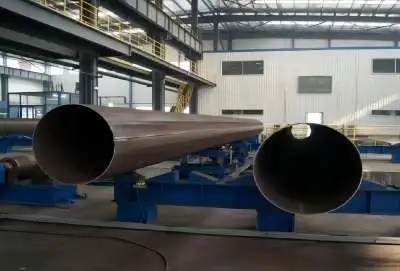
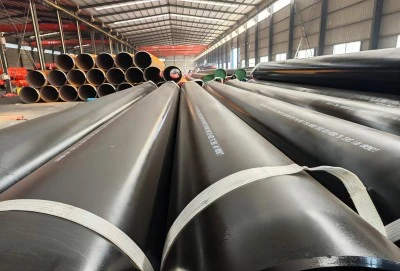
API 5L X52 Pipes External Coating Needs
To keep a pipeline safe, you must first know what you're defending. The X52 grade steel pipe has a controlled chemistry, with a carbon content of less than 0.28% and a manganese content of about 1.40%. Its mechanical toughness is proven by Charpy V-Notch impact tests, especially under PSL2 standards. Because this material is so strong, pipes can withstand pressures inside them that are higher than 1,000 psi and still stay stable in temperatures ranging from -20°C to 80°C.
Why External Coatings Matter for Pipeline Longevity
Within months of being exposed to dirt, water, and oxygen in the air, bare steel starts to corrode electrochemically. External coatings separate the API 5l X52 pipe surface from harsh surroundings by building a physical and chemical shield. If you don't protect clay soils properly, rust rates can go over 0.5 mm per year, which can cause walls to thin and even break. In addition to protecting against mechanical damage during backfilling, coatings also keep electricity from getting to cathodic protection systems.
The business case makes a lot of sense. A pipeline system that is properly coated and used in the oil areas of the Middle East or along the coasts of Southeast Asia can last for more than 50 years with little to no upkeep. On the other hand, coating problems in the first ten years require expensive excavations, fixes, and production delays, which are far more expensive than the original coating investment. When purchasing teams look at companies like Longma Group, which offers factory-applied finishes along with API 5L PSL1 and PSL2 approved pipes, they get better quality control and less complicated logistics.
Environmental Factors Influencing Coating Selection
There are different obstacles in each operational setting. There are risks of saltwater exposure and cathodic disbondment for submarine pipes used to build offshore platforms. Installations in the desert in Australia or the Gulf area have to deal with strong UV rays and temperature changes of 15°C at night to 55°C during the day. Hydrocarbons, hydrogen sulfide, and process fluids can get into the pipe systems of industrial plants and cause chemical damage. For each situation, the coating chemical and application thickness need to be customized to ensure long-lasting bonding, flexibility, and impermeability.
Top External Coating Systems Recommended for API 5L X52 Pipes
When choosing a covering technology, you have to weigh the performance features, the practicality of the application, and your budget. The pipeline business has changed from using bituminous coats to using polymer-based multilayer systems that cover better and have less of an effect on the environment.
Fusion Bonded Epoxy (FBE) Coatings
Fusion Bonded Epoxy is still the best single-layer protection for underground pipes that work below 100°C. When FBE is put on warmed pipe surfaces at 230°C to 250°C as a thermosetting powder, it chemically joins to steel that has been blasted clean, making a barrier that is dense and free of holes that is usually 250 to 500 microns thick. The layer is very resistant to cathodic disbondment, which is important for pipes with impressed current CP systems. It also stays stuck even when changes in the soil cause flexural stress.
FBE coatings work well on API 5L X52 pipes in moderately rough dirt where installation wear is kept to a minimum. Because FBE only has one layer, it is easier to use and costs less than layered systems. This makes it a good choice for onshore projects that run hundreds of kilometers. The downsides are that it can be damaged mechanically during handling and it works less well above 80°C, because heat cycling can make it weak.
Three-Layer Polyethylene (3LPE) Coating Systems
The 3LPE system is the standard in harsh settings. It is made up of an FBE primer layer, a copolymer adhesive middle layer, and a polyethylene topcoat. Together, they make a composite protection that is usually 2.5 to 3.5 mm thick. This layered structure has benefits that work together: the FBE layer protects against corrosion and ensures adhesion; the glue keeps the layers together during heat stress; and the polyethylene layer on the outside is tough and doesn't let water through.
We see 3LPE coatings being used a lot on water transfer projects and natural gas pipes that go through rocky mountainous areas and wetland routes. This is because impact resistance during trenching operations is very important. The system works successfully in service temperatures ranging from -40°C to +80°C and has been stable for decades in salty soils and groundwater. Major pipeline builders choose 3LPE for projects that need to meet ISO 21809-1 standards because it has a track record of reliability in installations around the world, including large networks that serve factories and petrochemical sites.
Three-Layer Polypropylene (3LPP) Coating Systems
When working temperatures are higher than 80°C or when better resistance to wear is needed, 3LPP coats work better. When polypropylene is used instead of polyethylene in the topcoat, the highest service temperature goes up to 140°C. The strength and scratch resistance also get better. Because of this, 3LPP is perfect for high-temperature steam lines, pipes that keep heat in, and systems that are put under a lot of stress from seabed currents or shifting sands.
The covering structure is the same as 3LPE: an FBE primer, an adhesive layer, and a polypropylene finish. However, because polypropylene melts at a higher temperature, it needs stricter application controls. In the Gulf area, projects that use 3LPP get longer service intervals, even though the harsh desert conditions and high temperatures would break down normal polyethylene systems in 15 years. The higher cost than 3LPE—usually 20–30% more per square meter—is worth it in situations where failure of the coating would have terrible effects on the environment or on production.
Specialized Coatings for Niche Applications
Coal Tar Enamel coatings are becoming less popular because they are bad for the environment and people's health, but they are still needed for some old system extensions and underground pipes in areas that aren't sensitive and where cost is the most important factor. Liquid epoxy finishes that are sprayed on or brushed on work well for field joints and repair patches because they are compatible with systems that were applied at the factory. Polyurethane and polyurea coatings are becoming more popular for uses that need to dry quickly or are very resistant to wear and tear, but their higher costs make them harder to use in most situations.
When buying managers know about these coating groups, they can safely look through what suppliers have to offer. Companies like Longma Group, which has automatic FBE and 3LPE application lines, offer technical data sheets that list the adhesion strength, cathodic disbondment resistance, and impact robustness of their products. These sheets are necessary for verifying that the specifications are being met.
How to Choose the Right External Coating System for API 5L X52 Pipelines?
The method for choosing a coating must include project-specific factors in a planned way of judging. Structured decision processes that take into account technical performance, lifecycle economics, and legal requirements are helpful for procurement professionals who work on water supply networks or infrastructure for oil and gas transportation.
Assessing Environmental and Operational Parameters
First, describe the installation site by measuring the soil's resistance, analyzing its pH, and checking the chemistry of the groundwater. Soils that are high in chloride speed up rusting and need coverings that don't let water through easily. This means that 3LPE or 3LPP is better than FBE alone. For directional drilling or pipeline digging to work in rocky areas, the material needs to be more resistant to wear and tear. This means that thicker multilayer systems or impact-modified formulas are better choices.
The operating temperature patterns directly limit the types of coatings that can be used. Natural gas transmission lines that keep the bulk temperature between 30°C and 60°C can use 3LPE without any problems, but hot oil pipes that get close to 100°C need 3LPP or special high-temperature FBE versions. Pressure ratings affect wall thickness, which in turn affects the weight of the pipe being handled and the stress on the coating to stick to it. For example, heavy Schedule 160 pipes need coatings that are more flexible so they can bend while being installed without coming off.
Lifecycle Cost Analysis and Budget Optimization
When comparing the cost of the coating at the start to the cost of upkeep over 30 to 50 years, purchasing choices always go in favor of systems with better performance. A 3LPE coating that adds $15–20 per meter to standard FBE may cost $150,000 more for a 10-kilometer job, but it avoids having to pay more than $1 million for repairs in the middle of its life. When coating fails in offshore platform pipelines or remote sites in the desert, it costs a lot to fix, output stops, and there are fines from regulators that are much higher than any saves from budget systems.
Check how long a coating will last by using rapid testing data, such as salt spray exposure according to ASTM B117, cathodic disbondment according to ISO 21809, and impact protection according to ASTM G14. When suppliers give full test results and third-party proof certificates, it's possible to compare like with like. If a project needs API 5L X52 pipes with guaranteed coating performance, it should say that the coating should be applied in a plant and that all the paperwork should be kept. This way, everyone is responsible for what happens from the chemistry of the raw materials to the final review.
Regulatory Compliance and Industry Standards
Pipeline projects that go across foreign lines or serve businesses that are regulated must meet a lot of different sets of rules. North American projects use NACE SP0169 to stop rust on the outside and API RP 5L1 to know how to put on coatings. Installations in Europe meet the norms set by EN 10288 and ISO 21809. ARAMCO, ADNOC, or other national oil company standards that require more tests are often used in projects in the Middle East.
It is necessary to check the licensing profiles of suppliers. Manufacturers with API 5L Product Specification Level 2 certificates, ISO 9001 quality management system approvals, and NACE finishing certifications show that they know how to make goods that meet standards. Longma Group keeps a lot of certification paperwork, like Factory Production Control certificates and approvals for their health and safety management systems, to help with the due research process for buying things for global projects.
Conclusion
To choose the right external coating systems for API 5L X52 pipes, you need to think about technical specs, environmental factors, and the cost of ownership over a product's whole life. For moderate conditions, Fusion Bonded Epoxy coatings are a cost-effective way to protect things, while Three-Layer Polyethylene and Polypropylene systems offer better longevity for tough jobs. For procurement to go well, you need to work with qualified makers who can show that they have quality control systems, can test everything, and are committed to keeping records that can be tracked. Keeping up with new coating technologies and environmental trends helps procurement teams make the best decisions about how to protect pipelines and make sure they work reliably for decades in oil and gas, water transportation, and industrial infrastructure projects around the world.
FAQs
Which coating system performs best in highly corrosive soil environments?
Three-Layer Polypropylene (3LPP) films are very good at resisting damage in harsh soil conditions with lots of salt, low resistivity, and acidic pH levels. The strong bonding of the system and the improved impermeability of the polypropylene finish reduce the risks of moisture getting in and cathodic disbondment. 3LPP has been in business for decades and has a track record of doing good work on projects in seaside areas or on industrial sites with polluted soils. Adding cathodic protection systems like impressed current or sacrificial anode to external surfaces creates defense-in-depth corrosion control that meets the strict reliability needs of important infrastructure.
How do I verify supplier coating quality before committing to large orders?
Ask for full scientific information, such as test reports from a third party that confirm the adhesion strength according to ISO 21809-3, the cathodic disbondment resistance according to ASTM G95, and the impact durability according to ASTM G14. Make sure that the building is audited or look over recent inspection reports from reputable certification groups. Get Material Test Certificates for past jobs that show you've always delivered high-quality work. Hire outside inspection companies to watch production trials and do sampling while the product is being made. Suppliers like Longma Group that have API 5L certificates, ISO 9001 quality management system approvals, and Factory Production Control certifications offer written proof that helps with strategies for reducing buying risks that are necessary for high-value pipeline projects.
Partner with Longma Group for Superior Coated Pipeline Solutions
Many people trust Longma Group as a reliable API 5L X52 pipe supplier. They offer combined pipe production and coating application services to building contractors, procurement managers, and industrial plant owners around the world. Our factories cover 230,000 square meters and can make more than 1,000,000 tons of steel every year. They make ERW and LSAW pipes with diameters from 1/2" to 80" and wall thicknesses that meet Schedule 10 through Schedule 160 standards. Fusion Bonded Epoxy, Three-Layer Polyethylene, and specialty coating systems are used along with automated equipment to make sure uniform quality and full testing that meets API 5L PSL1/PSL2 standards.
Our dedication to quality starts with getting the raw materials from trustworthy mills like Shagang and Bao Steel and ends with a final check that is recorded in full MTC, ITP, and MPS packages. We help with projects all over the Middle East, Australia, Southeast Asia, and beyond, and our certifications include API 5L, ISO 9001, ISO 14001, and workplace health and safety management systems. For standard orders, we can send them reliably in seven days.
Email our expert team at info@longma-group.com to talk about the needs of your project, get full coating specification data, or set up plant visits. As your API 5L X52 pipe provider, we offer custom solutions that protect pipelines and make sure they work for as long as possible for important infrastructure projects.








