
When you're designing a building support system that needs to withstand both structural loads and challenging environmental conditions, the EN10219-1 S235J0H pipe stands out as a smart engineering choice. This cold-formed structural hollow section delivers enhanced impact toughness at 0°C compared to standard JR grades, making it particularly valuable for projects in moderate cold climates or where seasonal temperature fluctuations affect structural integrity. With a guaranteed minimum impact energy of 27 Joules at zero degrees Celsius, this steel grade bridges the gap between cost-conscious procurement and uncompromised structural reliability in load-bearing applications.
|
|
|
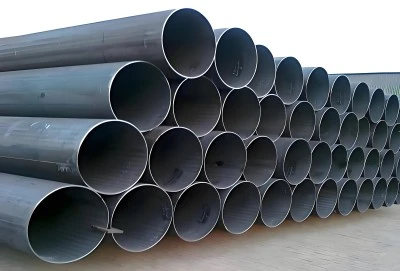
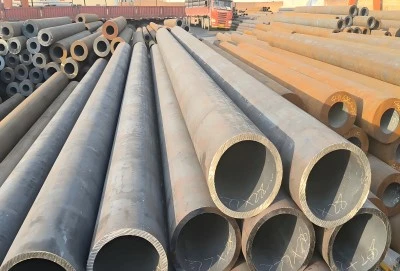
Understanding EN10219-1 S235J0H Pipe Specifications and Properties
The technical core of any building support system is the selection of materials that are strong, long-lasting, and easy to work with. This balance is provided by cold-formed structural hollow parts that meet the EN10219-1 standard, and the EN10219-1 S235J0H pipe name has unique benefits that are worth exploring in more detail.
Chemical Composition and Mechanical Properties
The S235J0H grade has a carefully controlled chemical makeup that makes it easier to join while still keeping the structure strong. The carbon content stays below 0.17%, and the highest amounts of phosphorus and sulfur are limited to 0.035% to 0.040%. This makes sure that the metal is compatible with hardening and will last for a long time. This low carbon equivalent value directly means that the metal can be welded better using standard fabrication methods, without having to go through a lot of steps to heat it up first.
Based on its mechanical properties, this grade promises a minimum yield strength of 235 MPa, which is enough for most building support applications. The J0 impact rating is what makes it unique; the material keeps 27 Joules of impact energy even when tested at 0°C. This improved low-temperature toughness keeps the steel from breaking easily in places where regular grades might fail without warning. This trait is especially helpful for engineers working on projects in places where temperatures change with the seasons when they have to figure out safety gaps for dynamic loads and thermal cycling.
Manufacturing Methods and Dimensional Standards
These structural hollow pieces are made with cold-forming technology and Electric Resistance Welding methods that make straight longitudinal seams. The way the parts are made meets the tight tolerances for dimensions set out in EN 10219-2. These tolerances cover important factors like straightness, out-of-roundness, and regular wall thickness. These very close tolerances make it easier to put things together quickly during construction, especially when robotic welding or automated fabrication paths are used.
Wall thickness choices usually run from 2mm to 16mm, and outer widths from 21.3mm to 508mm. This allows for a wide range of structural needs, from secondary frame members to main load-bearing columns. The cold-forming process gives the surface good qualities, leaving clean finishes that can be used in architectural applications without any extra treatment.
Corrosion Resistance and Surface Treatment Options
The base material has some resistance to corrosion in the air, but most building support uses would be better with protective coatings. Hot-dip galvanizing is the most common way to protect something. It adds a zinc layer that makes it last much longer in harsh circumstances. The limited amounts of silicon and phosphorus in S235J0H steel make sure that the galvanizing processes work right, so that no brittle coatings form that could weaken the protection.
Other ways to treat the surface are with powder coatings, FBE (Fusion Bonded Epoxy), and multi-layer methods like 3PE for very harsh conditions. With these choices, procurement managers can find corrosion protection plans that work best for each place and their maintenance funds.
Comparing S235J0H with Other Structural Steel Grades
Figuring out where EN10219-1 S235J0H pipe fits in the larger range of structural steel grades helps you understand when this material is the best choice and when you need to use a different specification.
S235J0H Versus S235JR and S275JR
The main difference between S235J0H and S235JR is how they must be tested for impact. Standard S235JR is only tested for impact at room temperature (20°C), but J0 designation needs to be checked at 0°C. This difference, which at first glance seems small, is very important for buildings that are open to winter weather or are located in cold temperature areas. If you put JR grade steel on a bridge support that is exposed to freezing temperatures, it might break easily. But J0H steel stays flexible and takes impact energy from dynamic loads or thermal stresses.
At 275 MPa, S275JR has a higher yield strength than S235JR, but both can't be tested for impact at room temperature. Cost-to-benefit analyses often show that S235J0H is the most cost-effective choice for uses where the 235 MPa yield strength is sufficient. The higher low-temperature toughness gives you extra safety without the higher cost of higher-strength grades.
Performance Benchmarking Against S355J2H
With a yield strength of 355 MPa and impact tests at -20°C, S355J2H is a stronger option. The extra cost of materials is worth it for projects that need to hold a lot of weight or be exposed to very cold weather. Many building support systems, on the other hand, work in conditions where S235J0H gives perfectly good performance at a cost 15–25% lower.
The welding issues are also different. When welding higher-strength grades, it's often necessary to use more controlled techniques, like managing the temperature during the warmup and the interpass. The low-carbon version of S235J0H makes manufacturing processes easier and cuts down on labor costs and production time, which adds up to big saves on big construction projects.
ERW Manufacturing Quality and Cost Implications
When it comes to consistency in size and quality of finish, hot-finished seamless alternatives that are about the same price can't beat cold-formed ERW hollow sections. A lot of strict non-destructive testing is done on the longitudinal weld seam, such as ultrasound testing and eddy current screening, to find any problems inside. With today's ERW manufacturing technology, weld zones have mechanical properties that are the same as or better than the base material. This gets rid of the old worries about seam integrity.
When it comes to buying, ERW products have shorter wait times and more flexible order numbers than seamless goods. Competitive prices are directly linked to efficient production, without sacrificing quality. This is a great combination for project procurement managers who have to balance tight budgets with strict specification needs.
Applications and Benefits of S235J0H Pipes in Building Support Systems
Real-world building needs show where cold-formed structural hollow sections really shine, especially when project needs go beyond basic material properties and include things like how quickly and cheaply they can be made and how well they meet safety standards. The EN10219-1 S235J0H pipes are a central component in these diverse structural frameworks.
Structural Framing and Load-Bearing Systems
The strength-to-weight ratios of building support systems made from S235J0H hollow sections are very high. Depending on the dimensions, a rectangular or square hollow section can carry the same loads as a solid piece while having 40–60% less dead weight. This weight benefit affects the form of the structure, allowing for lighter foundations and lower shipping costs.
Airport terminals and stadium roofs are two examples of architectural projects where the visible structural frameworks need to look good and work well. Because cold-formed pieces have a smooth surface, they don't need to be heavily prepared before being coated. Also, the close tolerances in size make it easier to create the clean geometric shapes that builders like in exposed steelwork. Load-bearing columns in multi-story buildings use these sections to move vertical loads quickly and efficiently while keeping thin profiles that make the most of floor space.
Infrastructure and Cold Climate Applications
Highway gantries that hold up traffic lights and signs are constantly being loaded and unloaded by wind and vibrations from vehicles. The J0 impact grade makes sure that these structures stay flexible in the winter, when the risk of brittle fractures is highest. S235J0H is always used for municipal building projects like walking bridges, bus stops, and public infrastructure because it works reliably in a wide range of temperature conditions.
Harbors and ports are especially tough places to work because they are exposed to mild cold and acidic air. Galvanized S235J0H sections are used in crane support structures and cargo handling frameworks so they can last 25 to 30 years with little maintenance. A recent port expansion project in Northern Europe called for over 800 tonnes of S235J0H hollow sections to be used for wharf structures. The grade was chosen because it is tough enough to withstand cold weather while also being cost-effective.
Modular Construction and Prefabrication Advantages
Cold-formed structural hollow pieces are used a lot in modern manufactured building systems because they are consistent in size and can be welded together. When it comes to quality control, factory fabrication is better than field welding, and S235J0H's great weldability makes automated welding processes possible, which speeds up production schedules.
Support platforms for equipment in industrial manufacturing sites show another real-world use. For accurate equipment alignment, machinery supports and overhead crane tracks need to be precisely measured. Because cold-formed pieces are made with tight tolerances, they don't need to be shimmied or adjusted as much during installation. This shortens project timelines and lowers the cost of installation work. A manufacturing plant growth in Southeast Asia used S235J0H framing all the way through. The structural steel installation was finished three weeks early because the pieces were easy to work with.
Conclusion
To choose the right structural hollow sections for building support systems, you have to weigh their mechanical performance, suitability for the environment, ease of fabrication, and overall cost over their lifetime. S235J0H grade cold-formed pipes, such as EN10219-1 S235J0H pipe has better toughness at low temperatures, which keeps structures strong in moderately cold climates. They are also easy to weld and don't cost much. Material buying can be turned from a transactional necessity into a strategic advantage that helps a project succeed by understanding the subtleties of specifications, comparing different grades accurately, and working with qualified manufacturers. A small investment in the right material specs pays off in the form of longer service life, less upkeep, and confident compliance with building codes—results that define project value beyond initial budget concerns.
FAQ
What differentiates S235J0H from S235JRH in practical applications?
At 235 MPa, both types have the same yield strength. The main difference is in the temperatures used for impact tests. For S235J0H, Charpy V-notch testing must be done at 0°C, which guarantees a minimum impact energy of 27 Joules. For JRH, testing takes place at room temperature (20°C). This difference is important for buildings that are open to winter weather or changes in seasonal temperatures, which raises the risk of brittle fracture. In northern climates, J0H grade is often specified for bridge parts, outdoor support structures, and infrastructure because it provides extra protection against weakening at low temperatures.
Can S235J0H hollow sections be hot-dip galvanized successfully?
Yes, as long as the chemical makeup meets the requirements for galvanizing. Silicon and phosphorus levels must stay within certain ranges to avoid Sandelin or Sebisty effects that make zinc coats weak and uneven. Reputable makers keep an eye on these things while making steel to make sure it works with hardening. The zinc coating that forms is usually 70 to 100 microns thick, and it protects against corrosion for decades when exposed to air.
Does cold-forming affect the mechanical properties or weldability?
Work hardening makes the yield strength a little higher during cold-forming, but the ductility stays within acceptable limits. For normal wall widths, the low carbon counterpart makes sure that the metal can be welded well without having to be heated first. A lot of bending after shaping may leave stresses that need to be relieved with heat treatment, but normal manufacturing processes like cutting, drilling, and welding can go ahead as usual without any extra safety measures.
What certifications should accompany material deliveries?
EN 10204 Type 3.1 inspection certificates are the bare minimum of what is required. They provide independent confirmation of the chemical composition and mechanical properties. When asked for, Type 3.2 certificates offer extra third-party proof. Heat analysis reports, tensile test results, impact test data at 0°C, dimensional inspection records, and non-destructive testing reports for weld seam integrity should all be part of the full documentation.
Partner with Longma Group for Certified Structural Solutions
Longma Group's integrated manufacturing capabilities and customer-focused service approach make it easy for structural engineers and procurement managers to find a reliable EN10219-1 S235J0H pipe supplier. Our company has been delivering over a million tonnes of ERW and LSAW steel pipe products to projects in over 90 countries every year since 2003. We have built a name for steady quality and on-time delivery.
Our factories only use raw materials from China's best steel mills, like Shagang, HBIS, and Bao Steel. This makes sure that the chemicals stay the same from one heat to the next. Advanced non-destructive testing tools, like ultrasound and eddy current systems, make sure that the weld seam is solid. Meanwhile, mechanical testing labs make sure that the yield strength, tensile qualities, and Charpy V-notch impact values exactly meet EN10219-1 standards. We offer full documentation packages that include Inspection and Test Plans, Manufacturing Procedure Specifications, and Material Test Certificates. These meet the strictest quality assurance standards for projects.
In addition to making normal hollow sections, we also do manufacturing work like cutting, beveling, welding, and anti-corrosion coatings like hot-dip galvanizing and FBE coating. This all-in-one method simplifies your supply chain and speeds up project timelines by using quality controls that are handled in the plant. Get in touch with our technical team at info@longma-group.com to talk about your building support system needs and get detailed quotes from a manufacturer of EN10219-1 S235J0H pipes who is dedicated to the success of your project.








