
When it comes to placing big diameter rolled and welded steel pipe, our services cover a wide range of options that are made to meet the specific needs of industrial infrastructure projects. These specialized services make sure that large-diameter piping systems work at their best by combining advanced construction methods with expert technical knowledge. Professional installation teams take care of everything, from getting the site ready to testing it afterward. They make sure that rolled and welded steel pipe systems meet strict industry standards like API 5L, ASTM A53, and ASTM A500, and that the structures stay strong during the installation process.
|
|
|
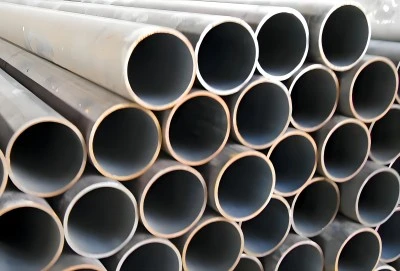
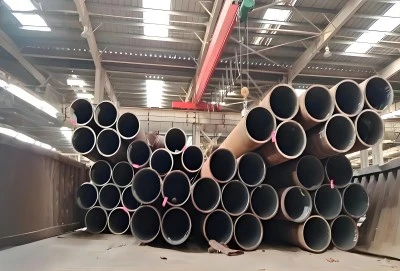
Understanding Large Diameter Rolled and Welded Steel Pipes
In many different industries, large diameter steel pipes are an important part of the infrastructure that keeps things running. The way they are made determines their specific uses and performance. Knowing the difference between welded and rolled construction is very important for choosing the right pipe for each job.
Manufacturing Processes and Structural Characteristics
A special method is used to make rolled and welded steel pipes into cylinder shapes by rolling heated steel plates in a controlled way. This method makes lines that are very regular in their structure and can hold more weight, which makes them perfect for high-pressure uses in oil and gas transportation systems. When you roll something, the wall thickness stays the same, and it's much less likely to deform under operating pressures.
Precision welding methods like Electric Resistance Welding (ERW), Longitudinal Submerged Arc Welding (LSAW), and Spiral Submerged Arc Welding (SSAW) are used to put steel strips or plates together in welded pipe building. Each type of welding has its own benefits. For example, ERW is very accurate in measuring diameters from 1/2" to 72", LSAW is stronger for large-diameter jobs, and SSAW is flexible enough to allow for unique designs. Pipes with sizes ranging from SCH10 to SCH160 can be made using these methods to meet the needs of a wide range of projects.
Industrial Applications and Performance Benefits
Large diameter pipe systems are used a lot in modern building projects because they last a long time and can be used in a variety of conditions. These pipes are used in construction projects for structural purposes where they need to work consistently under different loads. The ability to handle pressure and resist rust are important for oil and gas transportation networks.
Large-diameter lines that are placed correctly have great flow characteristics and last a long time, which are both benefits for water supply systems. The high quality of the making means that it will last for decades with little to no upkeep. Having an understanding of these basic features helps buying teams choose materials that meet the strict needs of projects and government rules.
Key Considerations When Installing Large Diameter Rolled and Welded Steel Pipes
When installing large-diameter rolled and welded steel pipe systems, there are a lot of technical and logistical issues that need to be carefully thought out and managed. The complexity goes up a lot as the pipe width and wall thickness go up. For safe, effective construction, you need to have specialized knowledge and tools.
Logistical and Technical Challenges
When moving and placing large diameter pipes, you need to use special lifting tools and transportation methods to keep them from getting damaged. Preparing the site is very important because bad ground conditions can cause problems with alignment that threaten the stability of the system. Because big pipes are heavy, entry paths and staging places need to be carefully planned to make room for heavy equipment.
Accurate alignment keeps the flow going the way it should and stops stress builds up that could cause failure too soon. When installing systems that are open to changes in temperature, installation teams need to think about how thermal expansion and contraction will affect the system. For long-term stability, ground settlement needs to be taken into account through a full soil study and the right base plan.
Installation Process Differences and Quality Control
For rolled and welded steel pipe systems to stay together, the joint preparation and welding processes must be followed to the letter. Non-destructive testing methods, such as ultrasound inspection and radiographic examination, check the quality of the weld and look for any possible problems before the system is put into service. These steps for quality assurance can have a big effect on project schedules and costs, so they need to be carefully planned out.
Rolled pipes usually need fewer field welds, but they need to be fitted carefully to keep the system aligned. Depending on the needs of the system, the installation process must be able to handle different types of connections, such as flanged, threaded, and soldered joints. Each type of link needs its own set of construction steps and quality control checks.
Industry Standards and Regulatory Compliance
Following set industry standards makes sure that things will last for a long time and be resistant to damage from the surroundings. For oil and gas purposes, API 5L standards control the materials and methods used to make pipes, while ASTM A500 standards cover structural uses. For piling uses, ASTM A252 rules apply, and ASTM A795 rules cover fire safety devices.
Conditions of outdoor exposure affect the need for different coating methods and levels of cathodic protection. During the construction process, proper paperwork like Material Test Certificates (MTC), Inspection and Test Plans (ITP), and Manufacturing Procedure Specifications (MPS) makes sure that things can be tracked and that regulations are followed.
Choosing Between Rolled and Welded Steel Pipes for Your Project
Choosing the right pipe type based on performance needs and operating situations is very important to the success of the project. To make the choice, many things must be taken into account, such as the structure's strength, its cost, and how hard it is to install.
Strength Requirements and Pressure Handling
Rolled and welded steel pipes are stronger than other types of pipes and have the same structural qualities all the way around. The rolling process evens out the grain structure and gets rid of any weak spots that might be present with horizontal welds. Because of this, rolled pipes are perfect for high-pressure situations where safety is very important.
The strength-to-weight ratio of welded pipes is very good, and they can be made to exact measurements. When done right, modern welding methods make parts that are often stronger than the base material. The welding method makes it possible to change the properties of pipes to fit the needs of a particular purpose.
Cost-Effectiveness and Production Timelines
Rolled and welded steel pipe making usually has lower costs because the production method and materials are used more efficiently. Manufacturing costs and shipping times are cut down when pipes can be made in different shapes and sizes without having to change a lot of tools. Standard welded pipes from well-known companies like Longma Group can usually be sent within 7 days if they have enough in stock.
Rolled pipes may cost more at first, but they can be more valuable in the long run because they last longer and need less upkeep. The purchase price, the difficulty of installation, the cost of upkeep, and the estimated service life should all be included in the total cost of ownership analysis to find the most cost-effective option.
Industry-Specific Performance Criteria
Different businesses put different amounts of weight on different pipe features. Pressure grade and corrosion protection are important for oil and gas transportation systems, and pipes often need to meet API 5L PSL2 standards. In structural uses, load-bearing capacity and physical stability may be important, which is why ASTM A500 grade pipes are a good choice.
For water supply systems, flow properties and corrosion resistance are important. Offshore uses, on the other hand, need extra strength and resistance to the environment. Case studies from completed projects show how picking the right pipes lowers business risks and increases system dependability over long service periods.
Our Comprehensive Installation Services for Large Diameter Steel Pipes
Installation services by professionals make sure that systems with a big width work as planned and last as long as expected. Full service packages cover every step of the building process, from planning the project to putting it into use.
Tailored Solutions and Custom Specifications
Installation services can be changed to fit the needs of each project, such as custom sizes, special finishes, and certification compliance. Working closely with clients during the planning phase helps find possible problems and come up with solutions that work well with current systems. This joint method cuts down on delays and risks during installation.
Quality assurance programs make sure that project requirements and industry standards are always followed to the letter. Certified inspectors and welders make sure that all work meets or goes beyond the standards that are needed. Documentation packages make it possible to track everything back to its source and support ongoing repair programs.
Project Management and Supply Chain Coordination
To keep projects on schedule, good project management organizes many tasks, such as getting materials, setting up tools, and planning work schedules. Strong ties with companies that make rolled and welded steel pipes ensure a steady flow of materials and high quality. Coordination like this is especially helpful for big jobs that need a lot of pipes.
Supply chain relationships with businesses like Longma Group give you access to high-quality goods that meet foreign standards like ISO 3183 and EN10219. These relationships make sure that the materials are real and that they follow the rules, and they also help keep prices low and shipping times on time.
Performance Standards and Risk Mitigation
Installation services keep up their high standards of performance by using knowledgeable staff and tried-and-true methods. Risk reduction methods deal with problems that might come up during installation, such as delays caused by bad weather, limited access, and quality problems. A thorough plan lowers the risk of expensive delays and guarantees the success of the project.
Procurement clients can handle complicated technical requirements and regulatory compliance issues with the help of ongoing support during the installation process. This help is very useful for foreign tasks where local laws might have extra requirements on top of the usual industry standards.
Best Practices and Guidelines for Maintaining Installed Steel Pipes
When you take care of your big diameter pipe systems the right way, they last a lot longer and keep working safely. Comprehensive repair plans keep systems reliable throughout their design life and stop expensive failures before they happen.
Preventive Maintenance and Inspection Programs
By using non-invasive methods during scheduled inspections, possible problems can be found early on, before they get worse. Ultrasonic thickness testing checks for corrosion-related wall loss, and magnetic particle screening finds cracks or other problems on the surface. These ways of inspecting give useful information for planning upkeep without stopping the machine from working.
Visual inspection tools keep track of the outside situations and point out places that need more work. Evaluations of the state of coatings help plan recoating tasks before rust damage happens. Regular writing makes historical records that help with planning long-term upkeep and making budgets.
Corrosion Protection and Environmental Control
The best way to protect against corrosion in the surroundings is to use protective coating methods. Hot-dip galvanizing is the best way to protect pipes from the weather over the long term, while fusion bonded epoxy (FBE) coatings work better for uses that are underground. In tough conditions, three-layer polyethylene (3LPE) systems offer the best security.
For underground lines, cathodic protection systems add to coating safety by offering electrochemical protection against rust. As long as these systems are designed and maintained correctly, they will protect the whole pipe system. Controlling the environment with things like drains and air flow can help keep the area around pipe systems from corroding too much.
Compliance with Safety Standards
To keep operations safe, maintenance plans must be in line with safety standards in the business. Regular pressure testing makes sure the system is solid and finds any weak spots that need fixing. Procedures for responding to emergencies think about what could go wrong and try to keep people and tools as safe as possible.
Documentation standards help people follow the rules and show that proper upkeep methods are being used. Keeping correct notes shows that you are doing your job and helps with insurance claims when they come up. These steps lower the risk of responsibility while keeping things running safely.
Conclusion
Professional installation services for big diameter rolled and welded steel pipes make sure the project is a success by planning it carefully, carrying it out by experts, and providing ongoing support. When choosing between rolled and welded pipe, it relies on the needs of the project, such as the need for strength, the pressure grade, and cost. Using the right construction methods and upkeep plans will make sure that the system works well and lasts as long as possible, while also making sure that it meets all regulations and is safe to use throughout the whole project.
Partner with Longma Group for Your Steel Pipe Installation Needs
Longma Group offers top-notch rolled and welded steel pipe options backed by 20 years of experience making them and full fitting support. We have a wide choice of products with diameters from 1/2" to 72" and thicknesses from SCH10 to SCH160. These products meet all major foreign standards, such as API 5L, ASTM A53, and ISO 3183. Email our knowledgeable staff at info@longma-group.com to talk about your project needs and find out why top builders around the world trust Longma Group as their reliable source for rolled and welded steel pipe.
FAQ
①What are the typical lead times for large diameter steel pipes?Standard welded pipes can usually be sent within 7 days if they are in stock, but special specs can take up to 2–4 weeks, based on the size and number needed. Because they are made in a special way, rolled pipes may have longer wait times, especially for sizes bigger than 48 inches.
②How do rolled and welded pipes perform under high pressure conditions?
When made correctly and to the right standards, both rolled and soldered pipes can handle high pressure uses. Rolled pipes have the same level of strength all the way around, but new welded pipes that are properly prepared for the joint often have stronger qualities than the base material. The choice is based on the safety factors and power needs.
③What kind of approval do big diameter steel pipes need?
Some important standards are ISO 9001 for quality management systems, ASTM A53 for general structure use, and API 5L for oil and gas uses. Material Test Certificates (MTC) confirm the chemical make-up and mechanical qualities, and third-party inspection records confirm that the product was made correctly.
④How does pipe diameter affect installation complexity?
Larger sizes need special handling tools and more work to get the spot ready. When the width is bigger than 36 inches, installation becomes a lot more difficult because of weight and balance issues. Planning an access route is very important for lines that are bigger than 60 inches in diameter.
⑤What affects the total cost of ownership for systems made of steel pipes?
The original buy price, transportation costs, installation difficulty, upkeep needs, and expected service life are all part of the total cost analysis. Welded pipes may be cheaper at first, but rolled pipes may be more valuable in the long run because they need less upkeep and last longer.