
Vietnam's growing infrastructure needs dependable pipeline solutions. For procurement managers who have to deal with the difficulties of buying things from other countries, it is now very important to grasp the details of epoxy coated steel gas pipe from Chinese manufacturers. This complete tutorial shows you how to get high-quality pipeline products while avoiding the frequent problems that come up in cross-border transactions.
China's steel pipe sector is one of the most advanced in the world when it comes to making things. Vietnamese clients looking for gas pipeline solutions find that Chinese producers provide low prices without sacrificing quality. To go from the first question to the successful delivery, you need to pay close attention to quality standards, the trustworthiness of the provider, and the coordination of logistics.
|
|
|
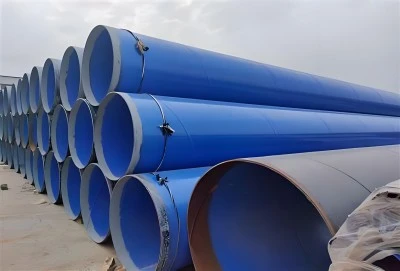
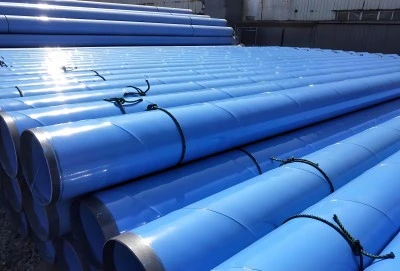
Understanding Epoxy Coated Steel Gas Pipe Technology and Standards
Pipeline protection begins at the molecular level. Fusion bonded epoxy coating creates a thermoplastic barrier that shields steel from environmental degradation. The process involves heating steel pipes to temperatures between 180 and 250 degrees Celsius. At these elevated temperatures, epoxy powder melts and bonds permanently to the metal surface.
This coating method differs fundamentally from liquid paint applications. The powder particles receive an electrostatic charge before application. They wrap uniformly around the heated substrate, eliminating the weak spots common in traditional coating methods. The fusion creates a chemical bond rather than merely a mechanical one.
There are international standards that set the rules for epoxy coated steel gas pipe. API 5L lays forth all the standards for the grades and sizes of steel pipes. ASTM A53 is about general uses for pipelines, whereas EN10210 is on structural hollow sections. These standards make sure that varied geographical needs work together.
Vietnamese procurement professionals also need to learn about standards that are particular to coatings. DIN 30670 and DIN 30678 set standards for German engineering that many companies use. For cold weather use, the Canadian standard CSA Z245.20 gives more information. ISO 21809-1 sets standards for testing that are used all around the world.
The thickness of a standard coating is between 250 and 500 micrometers. Thinner applications work well in moderate situations, while thicker protection is needed in harsh ones. The coating needs to be able to handle tension from the ground, changes in temperature, and any mechanical damage during installation. Preparing the surface is just as important, and it needs to be blast cleaned to meet near-white metal requirements.
Gas transmission pipelines face unique challenges. They transport materials under high pressure through diverse soil conditions. Moisture infiltration can trigger external corrosion if the coating fails. Internal corrosion from gas impurities presents another concern. A properly specified epoxy coating addresses both external and internal protection requirements.
Navigating China's Steel Pipe Manufacturing Landscape
Cangzhou City in Hebei Province has emerged as China's premier pipeline manufacturing hub. This industrial cluster benefits from proximity to raw material suppliers and major shipping ports. Manufacturers here produce everything from small-diameter tubing to large-scale transmission pipelines.
The region's manufacturing heritage extends back decades. Local expertise encompasses traditional welding techniques and cutting-edge automated production lines. Companies invest heavily in quality control equipment, including ultrasonic flaw detectors and X-ray inspection systems. This concentration of technical knowledge creates competitive advantages for buyers willing to source directly from the region.
Chinese manufacturers typically operate multiple production lines simultaneously. ERW (Electric Resistance Welding) lines handle smaller diameter pipes efficiently. LSAW (Longitudinal Submerged Arc Welding) equipment produces larger diameter pipes with thick walls. The production method affects both cost and mechanical properties.
Understanding production capabilities helps buyers match their requirements to appropriate suppliers. A manufacturer specializing in small-diameter pipes may struggle with large transmission line orders. Conversely, large-scale producers might find small orders economically unviable. Clarifying these parameters early prevents miscommunication.
Quality certifications provide initial screening criteria. ISO 9001 certification demonstrates basic quality management systems. API 5L certification specifically addresses pipeline manufacturing competence. Third-party inspections from organizations like SGS or TUV offer additional verification.
Vietnamese buyers should request factory visit opportunities before placing substantial orders. Physical inspection reveals production conditions that documentation cannot capture. Observing coating application processes, testing procedures, and material storage practices builds confidence in supplier capabilities.
Quality Assurance and Inspection Protocols
Quality verification begins before production starts. Material certification documents confirm steel grade specifications. Mill test certificates provide chemical composition and mechanical property data. These documents trace materials back to their original steel mills.
During epoxy coated steel gas pipe production, continuous monitoring prevents defects. Coating thickness measurements occur at multiple points on each pipe section. Electronic gauges provide precise readings within two micrometers. If measurements fall outside specifications, the entire section requires recoating.
Visual inspection identifies surface imperfections that instruments might miss. Trained inspectors examine every pipe for blisters, pinholes, and uncoated areas. Holiday detection equipment identifies coating discontinuities invisible to the naked eye. High-voltage electrical testing reveals even microscopic gaps in coverage.
Adhesion testing verifies the bond between coating and steel. The cross-cut tape test involves creating a lattice pattern through the coating. Adhesive tape applied over the cuts should not remove any coating material. Bend tests confirm flexibility without cracking or delamination.
Vietnamese buyers benefit from engaging third-party inspection services. Independent inspectors provide unbiased assessment of product quality. They witness production processes, verify documentation, and supervise loading procedures. Their reports offer peace of mind when dealing with unfamiliar suppliers.
Documentation requirements vary by project. Gas pipeline projects typically demand comprehensive testing records. Hydrostatic pressure test certificates confirm structural integrity. Coating thickness reports document protection levels. Non-destructive testing results verify weld quality. Maintaining organized records simplifies customs clearance and project documentation.
Strategic Sourcing Considerations for Vietnamese Buyers
Successful sourcing balances multiple competing priorities. Price considerations matter, but they should never overshadow quality requirements. A pipeline failure costs exponentially more than initial material savings. Long-term performance depends on specification adherence.
Payment terms require careful negotiation. Letter of credit arrangements provide security for both parties. Installment payments tied to production milestones reduce risk. Retaining a percentage until final delivery ensures accountability. Clear payment structures prevent disputes later.
Logistics planning begins during the negotiation phase. Container shipping suits smaller diameter pipes economically. Bulk cargo vessels become cost-effective for large volumes. Port selection affects both shipping costs and delivery timelines. Haiphong Port's proximity to Chinese manufacturing centers offers Vietnamese buyers logistical advantages.
Lead times vary significantly across epoxy coated steel gas pipe manufacturers. Standard products might ship within four weeks. Custom specifications can extend timelines to three months. Building buffer time into project schedules prevents critical path delays. Rush orders typically incur premium pricing.
Currency fluctuations impact total project costs. Forward contracts can hedge against exchange rate volatility. Some suppliers offer pricing in multiple currencies. Understanding these financial instruments protects budgets from unexpected increases.
Building supplier relationships yields long-term benefits. Regular communication establishes trust and understanding. Repeat business often brings preferential pricing and prioritized production scheduling. Investing in relationships creates supply chain resilience that pays dividends during tight market conditions.
Partner with China's Leading Pipeline Manufacturer
Pipe Standard: API 5L, ASTM A53, EN10210, AS/NZS 1163
Coating Standard: DIN 30670, DIN30678, CSA Z245.20, EN10339, ISO21809-1, AWWA C210, C213
Coating Type: Epoxy Coated
Outer Diameter: 60.3-1422mm
Wall Thickness: 6.02-50.8mm
Longma Group stands as one of China's premier epoxy coated steel gas pipe manufacturers since 2003. Located in the heart of Cangzhou City's industrial belt in Hebei Province, our facilities specialize in producing large-diameter, thick-walled, double-sided submerged arc welded steel pipes. With annual production exceeding 1,000,000 tons by the end of 2023, we possess the capacity and expertise to fulfill your most demanding pipeline requirements.
Our commitment to quality extends beyond production. We maintain comprehensive testing facilities and employ over 300 skilled professionals, including more than 60 technical specialists. Every pipe leaving our facility meets international standards and undergoes rigorous quality verification.
Take the next step in securing your pipeline supply chain. Contact us today at info@longma-group.com to discuss your project requirements and discover how our manufacturing excellence can support your infrastructure development goals.
Frequently Asked Questions
Q1: What is the typical lead time for epoxy coated steel gas pipe orders from China?
A: Lead times are four to twelve weeks, depending on order volume and needs. Most standard diameter pipes with common coating thicknesses take four to six weeks. Special steel grades or specifications may delay delivery 8–12 weeks. Production time may be longer for orders above 500 tons. Order backlogs and raw material availability schedule manufacturing. Vietnamese buyers should request delivery early on. Timelines and milestones relate production plans to project needs. Some vendors charge more for emergency manufacture.
Q2: How can Vietnamese buyers verify the quality of epoxy coating before shipment?
Quality verification employs complementary methods. Production and export are inspected by independent third parties. Professional pipeline inspection companies like SGS, TUV, and Bureau Veritas provide full services. These inspectors employ calibrated electronic gauges to monitor coating thickness, assess international standards, and discover holiday coating problems. Buyers need picture and measurement inspection reports. Factory acceptance testing shows quality to buyers or their representatives. Videoconferencing remote inspections are becoming increasingly feasible. Requesting production batch coating samples permits independent lab testing if problems arise.
Q3: What are the key differences between FBE and 3LPE coating systems?
A: Various protective needs necessitate various coating methods. FBE (Fusion Bonded Epoxy) uses one epoxy powder coating on steel. In thicknesses of 250–500 micrometers, it has outstanding adhesion and chemical resistance. FBE performs effectively in mild corrosion and costs less than multi-layer solutions. FBE's adhesion and protection are combined in the 3LPE system. The FBE base coat, adhesive middle layer, and polyethylene outer layer are included. Superior mechanical and moisture resistance are provided by this composite construction. In harsh soil and heavy groundwater, 3LPE systems flourish. Additional layers raise pipeline costs but enhance longevity. Gas transmission pipes in harsh areas benefit most from 3LPE.