
API 5L GR.B PSL1 pipes support commercial building frameworks, water distribution networks, and industrial facility piping systems. Carbon steel line pipes that meet API 5L specifications have a minimum yield strength of 245 MPa and tensile strength of 415 MPa, making them appropriate for pressure containment and structural support. Their cost-effectiveness and weldability make them ideal for procurement managers and engineers managing massive infrastructure projects that must balance performance and budget.
|
|
|
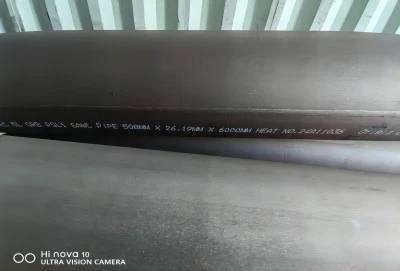
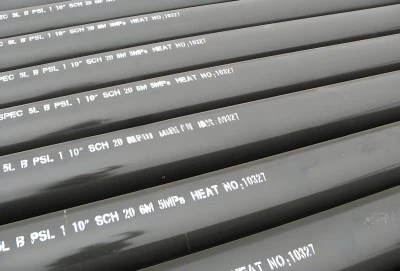
Understanding API 5L GR.B PSL1 Pipes: Specifications and Properties
The API 5L specification establishes comprehensive standards for line pipe used in petroleum and natural gas industries, with Grade B representing one of the most widely adopted grades worldwide. API 5L GR.B PSL1 pipes, or Product Specification Level 1, define standard quality requirements without the enhanced testing protocols mandatory in PSL2 variants. This distinction creates opportunities for cost optimization in construction projects where extreme service conditions are not anticipated.
Key Material Properties and Chemical Composition
Weldability and structural integrity are guaranteed in API 5L GR.B PSL1 pipes with a regulated chemical composition. Carbon is restricted to 0.28% and manganese to 1.20%, balancing strength and ductility. Keeping phosphorus and sulphur impurities to 0.030% each prevents brittleness and improves toughness. These chemical controls allow pipes to be welded using normal methods without preheating or post-weld heat treatment in most construction situations. The material's minimum yield strength of 35,500 psi and tensile strength of 60,200 psi allow it to withstand modest building system and utility infrastructure pressures and structural stresses.
Manufacturing Methods and Dimensional Ranges
Construction projects benefit from seamless and welded production. Electric Resistance Welded (ERW) pipes are inexpensive for 1.5-to-24-inch diameters, whereas LSAW pipes are available for 48 inches and beyond. Seamless variations are more reliable for high-pressure applications but cost more. Wall thicknesses from Schedule 10 to XXS meet various pressure and load requirements. This manufacturing flexibility lets engineers design customised solutions that meet building needs without overengineering or sacrificing safety.
Corrosion Resistance and Surface Protection
Although standard carbon steel exhibits moderate atmospheric corrosion resistance, construction applications frequently employ protective coatings to extend service life. Fusion Bonded Epoxy (FBE) coatings provide excellent protection for buried water lines, while three-layer polyethylene (3LPE) systems offer superior moisture barriers for long-term underground installations. Above-ground installations in controlled environments may utilize simpler anti-rust oil or varnish treatments, reducing initial costs while maintaining adequate protection. The selection of appropriate surface treatment directly impacts lifecycle costs and maintenance schedules, making it a critical consideration during procurement planning.
Core Construction Applications of API 5L GR.B PSL1 Pipes
Construction projects worldwide rely on API 5L GR.B PSL1 pipes for applications where their mechanical properties align with operational requirements while delivering cost advantages over higher-grade alternatives.
Structural Framework and Load-Bearing Components
These pipes form columns, braces, and frames in industrial and commercial structures. They support roof systems, mezzanine platforms, and equipment foundations because of their compressive strength and load behaviour. They are widely used in manufacturing facilities for equipment support structures that meet carbon steel fire-resistant standards. Their homogeneous dimensions speed manufacture and assembly, lowering construction time. Engineers may construct cost-effective structural systems that fulfil local building requirements by welding moment-resistant connections.
Water and Gas Distribution Infrastructure
Municipal water supply systems are a major API 5L GR.B PSL1 pipe application. Their pressure rating can manage 100 to 150 psi municipal distribution pressures, and bigger diameters support urban flow volumes. Main distribution lines and service laterals in low-to-medium pressure natural gas distribution networks use these pipes. With cathodic protection and exterior coatings, the pipes operate well in buried situations. They are used in raw water intake lines, filter backwash systems, and treated water gearbox mains when chlorine concentrations are tolerated for carbon steel.
HVAC and Mechanical System Applications
API 5L GR.B PSL1 pipes make building mechanical systems more flexible. Distribution mains and risers in multi-story buildings are used by hydronic heating systems circulating hot water or steam at moderate pressures. Insulated pipes in commercial chilled water systems prevent exterior condensation and keep inside temperatures above the dew point. Material prices affect system economics in HVAC applications such as condensation return lines, boiler feed systems, and makeup water pipes. Threaded and grooved end connections speed field installation compared to welded-only options, especially for remodelling jobs with limited access.
Oil and Gas Facility Construction
Where pressures and temperatures are within material capabilities, onshore production facilities use API 5L GR.B PSL1 pipes for collection lines, water injection systems, and generated water handling. Tank farms use them for product transfer lines between storage and loading stations. Process facilities use them for instrument air distribution, plant air networks, and fire water systems when improved standards give little practical benefit. Integration with valves, flow meters, and other process equipment is easier with pipes that accept conventional flanged connectors and mechanical fittings. Their global petrochemical plant experience gives engineers confidence when selecting materials for new construction or expansions.
Comparison and Decision Factors for Using API 5L GR.B PSL1 Pipes in Construction
Strategic material selection requires evaluating multiple factors beyond initial purchase price to optimize total project value and long-term operational reliability for API 5L GR.B PSL1 pipes.
PSL1 Versus PSL2: Understanding the Value Proposition
Mandatory testing and material traceability methods distinguish PSL1 from PSL2. To validate fracture toughness, PSL2 requirements include Charpy V-notch impact testing, especially for cold climate installations or sour service conditions with hydrogen sulphide. PSL1 skips these necessary impact tests, lowering production costs and speeding delivery. Without sacrificing performance, PSL1 saves money in benign construction projects without brittle fracture threats. Despite increased costs, projects with strict regulatory scrutiny or liability concerns may justify PSL2 standards. Considering service circumstances and risk tolerance helps determine specification levels, reducing waste and poor material selection.
Material Alternatives and Cost-Benefit Analysis
Comparing API 5L GR.B PSL1 pipes to stainless steel ones shows considerable cost differences. Only when corrosion resistance needs surpass carbon steel capabilities, even with protective coatings, do austenitic stainless steel pipes cost three to five times more. Galvanised steel pipes are ideal for exposed atmospheric installations or harsh soil conditions due to their corrosion protection and low cost. HDPE and PVC alternatives are corrosion-resistant for subterranean water lines but lack industrial process temperature and pressure capabilities. The economic comparison of lifespan expenses such as installation labour, coating systems, cathodic protection, and predicted replacement intervals allows educated purchase selections that meet project budgetary goals.
Size and Wall Thickness Selection Criteria
Operating pressures, stress values, and corrosion allowances help engineers size pipes. Standard wall thickness schedules simplify selection, while bespoke thicknesses optimise material utilisation for pressure ratings. Larger diameter pipes minimise long-distance fluid transmission friction but increase material prices and installation complexity. The balance between hydraulic performance and capital investment involves extensive technical consideration of flow rates, pressure drop limitations, and pumping costs. Specifying frequently stocked sizes from suppliers reduces procurement lead times compared to unique requirements needing mill production cycles.
Procurement Insights for API 5L GR.B PSL1 Pipes in Construction Projects
Effective procurement strategies leverage supplier capabilities while managing quality assurance, delivery logistics, and commercial terms that impact project success for API 5L GR.B PSL1 pipes.
Identifying Qualified Manufacturers and Suppliers
Many manufacturers produce API 5L GR.B PSL1 pipes, with most in China, India, Europe, and North America. Since 2003, Longma Group has been one of China's largest ERW and LSAW steel pipe producers, producing over 1,000,000 tonnes. Their API 5L, ISO 9001, and occupational health and safety certifications reflect their adherence to worldwide quality standards. Acquisition managers should check API monogram licensing, mill test certificate types, manufacturing process controls, and raw material procurement from credible steel manufacturers while selecting vendors. Working with mills like Shagang, TISCO, and Bao Steel ensures high-quality raw materials and low pipe property fluctuation.
Commercial Terms and Order Logistics
Bulk pipe procurement requires negotiating minimum order quantities, price, and delivery dates that match building timeframes. MOQ thresholds are set by manufacturers for manufacturing efficiency, with volume discounts for bigger orders. Break-bulk cargo handling for big pipes and containerised transit for smaller diameters are needed for international procurement. Depending on specification complexity and production queue state, lead times are 4-12 weeks. Progress payment mechanisms and letters of credit provide financial agreements while limiting risk for both parties. Early supplier engagement during project planning helps generate realistic schedules and identify long-lead goods that need advanced purchase.
Quality Documentation and Certification Requirements
Construction projects need detailed material compliance and traceability paperwork. Mill test certificates give required chemical composition and mechanical property data for each pipe lot for specification verification. Dimensional inspection reports, hydrostatic test records, and nondestructive examination certifications prove quality. Manufacturing Procedure Specifications for welding and heat treatment are common in engineering businesses. Quality control inspection and test plans at different production stages show manufacturing rigour. Suppliers who provide comprehensive documentation packages simplify project management and regulatory clearances, avoiding delays caused by incomplete paperwork.
Technical Support and Best Practices in Construction Using API 5L GR.B PSL1 Pipes
Proper installation procedures and maintenance protocols maximize API 5L GR.B PSL1 pipe system performance and extend operational life, protecting project investments.
Welding and Joining Techniques
Welding of carbon steel chemistry and wall thickness suitable for pipe installation. SMAW & GMAW are field welding procedures for API 5L GR.B PSL1 pipe. The welding technique should include preheat, interpass, and post-weld cooling rates to prevent hydrogen cracking. Welding Qualification Testing. Competency under ASME Section IX or AWS D1 .1. If bolted assemblies are preferred due to scheduling constraints or welding limitations, grooved couplings or flanged connections should be considered. Smaller diameter thread connections require thread compound and torque control to stop leaks and galling.
Inspection Protocols and Quality Verification
The field quality control systems include a variety of verification steps to guarantee installation integrity. Visual assessment shows surface flaws, dimensional aberrations, and coating degradation that must be addressed before burial or concealment. Hydrostatic testing ensures that the system can contain pressure by testing the final pipe at pressures greater than the design limits. Ultrasonic testing or radiography exposes inner weld defects that are not visible to the human eye. A holiday detection device locates pinholes and thin areas in protective coatings on underground pipes. Permanent records of inspection quality improve regulatory compliance and planning for maintenance.
Maintenance Strategies and Operational Considerations
Active maintenance prolongs pipe system life and avoids expensive breakdowns. Periodic current and electrode performance studies are needed for cathodic protection systems. Before pipe corrosion, external coating condition checks show deterioration that needs repair. Intelligent pigs or robotic crawlers identify wall thinning, deposits, and irregularities during internal inspections. In potable water systems, pH, dissolved oxygen, and chlorine residuals affect internal corrosion rates. Establishing baseline condition data at commissioning allows trend analysis to identify steady degradation needing preventive intervention before emergency repairs.
Conclusion
API 5L GR.B PSL1 pipes' mechanical qualities, cost-effectiveness, and worldwide availability make them valuable in building applications. Understanding specification details, application appropriateness, and procurement best practices helps project teams choose materials that minimise initial capital investment and lifetime costs. API 5L GR.B PSL1 pipes are ideal for water distribution, structural frameworks, mechanical systems, and industrial facility building globally because of their performance and affordability. Project success from procurement to commissioning and operation depends on working with certified manufacturers that provide technical assistance and documentation.
FAQ
1. What advantages do API 5L GR.B PSL1 pipes offer over higher grades?
API 5L GR.B PSL1 pipes provide adequate strength for many construction applications at lower costs compared to X42, X52, or higher grades. Their moderate yield strength suits municipal water systems, building mechanical piping, and low-pressure process lines where enhanced grades offer minimal functional benefit. The reduced testing requirements in PSL1 specifications accelerate manufacturing and decrease costs without compromising performance in non-critical service conditions. Projects without extreme temperature, pressure, or sour service exposure achieve optimal value through API 5L GR.B PSL1 pipe selection.
2. How can procurement managers verify supplier authenticity and product quality?
Requesting current API monogram licenses confirms manufacturer authorization to produce API 5L GR.B PSL1 pipes. Reviewing sample mill test certificates reveals documentation completeness and format quality. Third-party inspection agencies provide independent verification of manufacturing processes and finished product testing. Checking references from previous customers in similar applications reveals supplier reliability and quality consistency. Physical plant visits enable assessment of manufacturing capabilities, quality control systems, and raw material sourcing practices, building confidence in supplier capabilities.
Partner with Longma Group for Your API 5L Pipe Requirements
Longma Group delivers comprehensive solutions for construction projects requiring API 5L GR.B PSL1 pipe supplies backed by two decades of manufacturing excellence. Our vertical integration encompasses raw material sourcing from premier Chinese steel mills through final fabrication services including beveling, threading, and coating application. Comprehensive certification portfolios including API 5L, ISO 9001, and environmental management credentials demonstrate our commitment to international quality standards. Our technical team provides application engineering support, helping specify optimal pipe grades, dimensions, and protective systems matching your specific construction requirements.
Whether you need large-diameter LSAW pipes for water transmission mains or ERW pipes for structural applications, our annual production capacity exceeding 1,000,000 tons ensures reliable supply meeting demanding project schedules. We furnish complete documentation packages including MTCs, dimensional reports, and hydrostatic test certificates, expediting your approval processes. Competitive pricing structures and flexible commercial terms accommodate projects of all scales throughout the United States and global markets. Contact our sales team at info@longma-group.com to discuss your project specifications and receive detailed quotations from a trusted API 5L GR.B PSL1 pipe manufacturer committed to your project success.