
ASTM A252 steel pipe is an important part of heavy construction projects all over the world. It is mostly used as structural pipe piling for foundation systems. These welded steel cylinders serve as permanent load-bearing parts or shells for concrete piles that are cast in place. ASTM A252 steel pipe comes in three classes, each with different strength requirements. It is used to support bridges, offshore platforms, high-rise buildings, and industrial buildings in tough environments and on difficult terrain.
Heavy construction projects need materials that can handle heavy loads, harsh weather, and last for decades. Engineers and project managers may make smart choices about their infrastructure projects by knowing how these specialist steel pipes can be used.
|
|
|
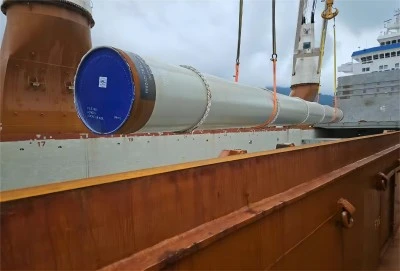
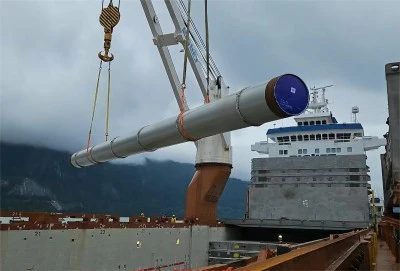
Primary Foundation Applications in Heavy Construction
In heavy construction, the most important usage of ASTM A252 steel pipe is for foundation piling. These structural pipes make deep foundation systems that move the weight of the building to stable soil or rock layers that are far below the surface of the ground. The welded steel design makes it very strong, and it is also cheaper than other foundation options.
These pipes are used a lot in bridge building for pier foundations, especially in coastal conditions where typical concrete piles could corrode. The steel pipe protects the concrete cores that engineers put inside so that water and chemicals can't get in. This method has been successfully used on major highway projects in Australia and the Middle East for spans longer than 500 meters.
ASTM A252 pipe piling technologies make a big difference in the foundations of high-rise buildings in cities. The installation footprint is small enough that construction crews may operate quickly in tight locations while still getting the deep penetration needed to sustain a skyscraper. Recent projects in Southeast Asia have shown that Grade 3 requirements can handle loads of more than 2,000 kips per pile.
These steel pipes are great at solving the special problems that come up with industrial facility foundations. Chemical industries, refineries, and manufacturing complexes need foundations that can handle both structural loads and chemical exposure. There are many ways to preserve ASTM A252 pipes, such as hot-dip galvanizing and specific polymer systems. These coatings greatly extend the life of the pipes under these tough conditions.
Offshore Platform and Marine Construction
Building offshore platforms is probably the most difficult use for ASTM A252 steel pipe. These buildings need to be able to handle hurricane-force winds, earthquakes, and frequent exposure to saltwater while still holding up huge drilling equipment and somewhere for workers to stay. The pipe diameter range of 219.1 to 1016 mm works with different platform sizes and load needs.
These pipes are used in marine construction for breakwater systems, port facilities, and supports for undersea pipelines. Proper coating techniques make things resistant to corrosion, which makes them great for long-term use underwater. Recent installations in the Persian Gulf have shown that, with the right care, they can last more than 50 years.
ASTM A252 pipe piling is a key part of underwater pipeline support systems because it provides anchor points and allows for changes in direction. The pipes make stable bases for pipeline infrastructure that crosses seabeds, rivers, and coastal areas. Engineers can create support systems that meet specified depth and soil conditions with the 3–18 meter length options.
These pipes are very useful for building floating docks and marinas. Driving piles to refusal depth makes guarantee that large ships and floating buildings may safely moor. These technologies have been used in coastal development projects all around Australia for both commercial and recreational maritime facilities.
Infrastructure and Transportation Projects
For sound barriers, retaining walls, and slope stabilization systems, highway and railway construction projects need ASTM A252 steel pipe. The pipes help hold things up and make it easier to install in linear construction settings. To make sure they are consistent and reliable, transportation ministries in several nations have made these criteria the same.
These pipes are used in airport runway building to help with drainage and support the foundation in places where the soil is not very good. Engineers can make the best designs for diverse loads and environments because each grade has its own strength properties. Thousands of linear meters of these pipes have been added to the infrastructure systems of major international airports.
The flexibility of ASTM A252 pipe systems is a big help when building bridge abutments. The pipes can be used as temporary supports while the bridge is being built and as permanent parts of the finished bridge. This dual-purpose feature lowers the total cost of the project while yet meeting the structural integrity criteria needed for large traffic loads.
These pipes are great for making unique foundation systems that are commonly needed for building tunnel entrances. Engineers can build stable portal constructions even in tough geological situations because they may put piles in at different angles and depths. These techniques have been used successfully in urban transit projects to build subways and light rail.
Utility and Energy Sector Applications
Power plant construction projects extensively use ASTM A252 steel pipe for cooling tower foundations, transformer support structures, and equipment mounting systems. The pipes provide stable platforms for heavy machinery while resisting the thermal cycling common in power generation facilities. Nuclear facilities particularly benefit from the predictable strength characteristics and traceability requirements these specifications provide.
Water treatment facility construction relies on these pipes for clarifier supports, pump station foundations, and pipeline anchor systems. The chemical resistance achieved through proper coating selection makes them suitable for wastewater and potable water applications. Municipal utilities have standardized these specifications for consistency across multiple treatment facilities.
Wind energy projects utilize ASTM A252 pipe for turbine foundation systems, especially in challenging soil conditions or offshore installations. The deep foundation capability allows engineers to achieve the stability necessary for tall turbine structures while minimizing foundation footprint. Renewable energy developments across multiple continents have incorporated these systems successfully.
Transmission line construction benefits from the structural pipe capabilities for tower foundations in areas where traditional concrete foundations prove impractical. The relatively rapid installation compared to cast-in-place alternatives reduces project timelines significantly. Utility companies have reported installation rates exceeding 20 foundations per day using specialized equipment.
Industrial Manufacturing and Processing Facilities
Building a chemical processing facility is hard, but ASTM A252 steel pipe is strong and flexible, which makes it a good choice. The pipes make sure that reactor vessels, distillation columns, and storage tank systems have stable bases. The capacity to get two certifications means that it will work with both structural and pressure vessel codes when needed.
These pipes are used to build the foundations for equipment in steel mills and metal processing plants. These foundations must be able to handle both static loads and dynamic stresses from heavy machinery. Engineers can improve designs while keeping the safety criteria needed for industrial settings because the strength characteristics are predictable. A number of big steel companies have agreed on these standards for expanding facilities.
Petrochemical complex construction relies heavily on ASTM A252 pipe for process unit foundations, pipe rack supports, and equipment mounting systems. The pipes provide stable platforms while accommodating the thermal expansion and contraction common in these facilities. Major oil and gas companies have incorporated these systems across global operations.
Food processing facility construction benefits from the sanitary design possibilities these pipes offer. The smooth interior surfaces and proper coating systems meet food safety requirements while providing necessary structural support. Agricultural processing facilities have successfully utilized these systems for equipment foundations and storage structure supports.
Specialized Construction Applications
Seismic retrofit projects utilize ASTM A252 steel pipe for foundation strengthening and structural enhancement systems. The pipes provide additional load paths and energy dissipation capabilities that improve building performance during earthquake events. California seismic upgrade projects have demonstrated significant performance improvements using these systems.
Historic building restoration projects benefit from the minimal disruption these pile systems offer compared to traditional foundation replacement methods. The pipes can be installed through existing structures with limited excavation, preserving architectural integrity while improving structural performance. European restoration projects have successfully incorporated these techniques.
Temporary construction support systems utilize these pipes for shoring, bracing, and access platform construction. The reusable nature of steel pipes makes them cost-effective for projects requiring temporary structural support. Major construction projects routinely incorporate these systems for safety and efficiency improvements.
Emergency construction applications benefit from the rapid deployment capability these pipes offer. Natural disaster recovery projects can utilize pre-positioned pipe inventory to quickly restore critical infrastructure. Military and emergency management organizations have standardized these specifications for rapid deployment scenarios.
Technical Specifications and Grade Selection
Understanding the three available grades helps optimize material selection for specific applications. Grade 1 provides minimum yield strength of 30 ksi with 50 ksi tensile strength, suitable for light to moderate loading conditions. This grade works well for residential and light commercial foundation applications where cost considerations are paramount.
Grade 2 increases yield strength to 35 ksi with 60 ksi tensile strength, accommodating moderate to heavy loading conditions common in commercial and light industrial applications. This grade represents the most commonly specified option for general construction projects requiring balanced performance and cost characteristics.
Grade 3 provides maximum strength with 45 ksi yield and 66 ksi tensile strength, appropriate for the most demanding structural applications including offshore platforms and heavy industrial facilities. This grade justifies the additional cost through enhanced load capacity and reduced material requirements.
Wall thickness options ranging from 8.18-25mm allow engineers to optimize designs based on specific load requirements and installation conditions. Thicker walls provide greater structural capacity while thinner walls offer cost savings for lighter loading conditions. Proper thickness selection requires careful analysis of both structural and durability requirements.
Quality Assurance and Manufacturing Standards
Manufacturing quality directly impacts long-term performance in heavy construction applications. Modern steel pipe production facilities utilize advanced welding techniques and inspection procedures to ensure consistent quality across all specifications. Heat treatment procedures strengthen weld zones while maintaining base metal properties throughout the pipe length.
Material traceability becomes critical for projects requiring documentation of steel source, chemical composition, and mechanical properties. Comprehensive material test certificates provide verification of compliance with ASTM A252 requirements while supporting project quality assurance programs. This documentation proves essential for liability and warranty considerations.
Third-party inspection services provide additional quality verification for critical applications. Independent testing laboratories verify mechanical properties, dimensional tolerances, and weld quality according to internationally recognized standards. This verification supports project acceptance and regulatory compliance requirements.
Environmental considerations during manufacturing include responsible sourcing of raw materials and efficient production processes that minimize waste generation. Modern steel mills incorporate recycled content while maintaining the quality standards required for structural applications. Sustainability reporting helps projects meet environmental certification requirements.
Installation Considerations and Best Practices
Proper installation techniques maximize the performance potential of ASTM A252 steel pipe in heavy construction applications. Pile driving equipment selection affects both installation efficiency and final structural performance. Modern hydraulic hammers provide precise energy control while minimizing noise and vibration impacts on surrounding structures.
Soil conditions significantly influence installation procedures and final load capacity. Geotechnical investigation helps optimize pile length and installation techniques while predicting load transfer mechanisms. Proper bearing layer identification ensures adequate foundation performance throughout the structure's service life.
Quality control during installation includes monitoring driving resistance, pile alignment, and final elevations. Real-time monitoring systems help identify potential installation problems before they affect structural performance. Comprehensive installation records support both immediate acceptance and long-term maintenance planning.
Coating system selection and application require careful consideration of environmental exposure conditions. Hot-dip galvanizing provides excellent general corrosion protection while specialized polymer coatings offer enhanced chemical resistance. Proper surface preparation and application procedures ensure coating adhesion and long-term performance.
Partner with Longma Group for Your ASTM A252 Steel Pipe Requirements
Longma Group stands ready to support your heavy construction projects with high-quality ASTM A252 steel pipe manufactured to international standards. Our 20+ years of manufacturing expertise, comprehensive quality control systems, and global supply capabilities make us the preferred ASTM A252 steel pipe supplier for demanding infrastructure projects. Contact our technical team at info@longma-group.com to discuss your specific requirements and discover how our proven manufacturing capabilities can support your project success.
Conclusion
ASTM A252 steel pipe serves as an essential component across diverse heavy construction applications, from offshore platforms and bridge foundations to industrial facilities and infrastructure projects. The versatility offered by three strength grades, multiple size options, and various coating systems allows engineers to optimize designs for specific environmental and structural requirements. Proper grade selection, quality manufacturing, and professional installation ensure these foundation systems deliver reliable performance throughout extended service lives. Understanding these applications and specifications helps project teams make informed decisions that balance performance requirements with cost considerations while meeting stringent quality and safety standards.
FAQs
Q1:What makes ASTM A252 steel pipe different from other structural pipe specifications?ASTM A252 specifications focus specifically on foundation pile applications rather than general structural or pressure applications. The standard allows more relaxed dimensional tolerances while maintaining the strength characteristics necessary for load-bearing foundations. The specification also permits variable chemical composition, which can affect weldability but reduces material costs for foundation applications.
Q2:How do I select the appropriate grade for my specific project requirements?
Grade selection depends primarily on the expected structural loads and environmental conditions. Grade 1 suits residential and light commercial applications, Grade 2 handles most commercial and light industrial projects, while Grade 3 addresses heavy industrial and offshore applications. Consulting with structural engineers and considering long-term load requirements helps optimize grade selection.
Q3:What coating options work best for marine and offshore applications?
Marine environments typically require hot-dip galvanizing combined with organic topcoats for extended service life. Offshore platforms often utilize specialized epoxy or polyurethane systems designed specifically for saltwater immersion. The coating selection should consider both initial exposure during installation and long-term service conditions including potential mechanical damage.
Q4:Can ASTM A252 pipe be welded on-site for connection purposes?
Site welding is possible but requires careful consideration of the variable chemistry allowed in ASTM A252 specifications. Proper welding procedures, preheat requirements, and post-weld heat treatment may be necessary depending on the specific material chemistry. Many projects specify dual certification to ASTM A500 or other structural specifications to ensure weldability.
Q5:What documentation should I expect from my steel pipe supplier?
Comprehensive documentation should include Material Test Certificates showing mechanical properties and chemical composition, dimensional inspection reports verifying size tolerances, and weld quality certifications. Manufacturing Procedure Specifications and Inspection Test Plans provide additional quality assurance for critical applications. Traceability documentation linking finished pipes to raw material sources supports project quality requirements.
Q6:How long does typical delivery take for ASTM A252 steel pipe orders?
Standard delivery times vary based on size, grade, and quantity requirements. Common sizes in Grades 1 and 2 often ship within 7-14 days from stock inventory, while specialty sizes or Grade 3 materials may require 4-8 weeks for manufacturing. Large quantity orders or unusual specifications typically require longer lead times but offer better pricing opportunities.