
Certification paperwork is your first defence against expensive material failures and regulatory breaches when purchasing line pipe for important infrastructure projects. A reliable API 5L X52 pipe supplier should have certificates for material integrity, production quality, and regulatory compliance. The API Spec 5L certificate confirming petroleum pipeline standards, ISO 9001 quality management certification, Material Test Reports (MTR) detailing chemical composition and mechanical properties, Mill Test Certificates (MTC), third-party inspection reports from SGS or BV, and specialised compliance marks like NACE MR0175 for sour service environments are usually required. Each certificate verifies that your X52 pipe—ERW, LSAW, or SSAW—will function reliably under operating pressures from 6.35mm to 59.54mm wall thickness.
|
|
|
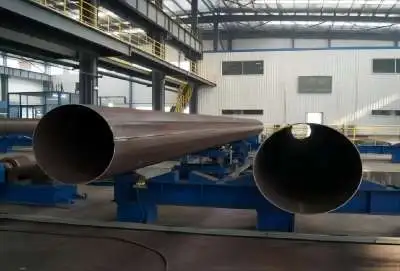
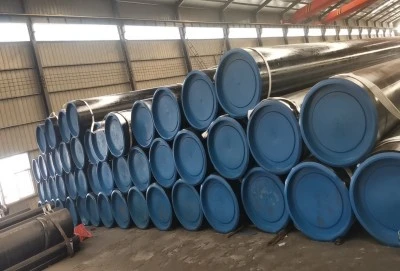
Understanding the Importance of Certificates in API 5L X52 Pipe Supply
In international business-to-business purchasing, certifications are more than just pieces of paper; they set the terms of the contract between material suppliers and engineering contractors. When engineers design pipelines that need API 5L X52 grade steel for projects like transporting oil and gas in the Middle East or water in Southeast Asia, certified documentation is used to make sure that the product matches the specifications.
Why Certifications Matter in High-Stakes Pipeline Projects
Material breakdowns in pipeline systems can have terrible effects. A single flaw in the welding or change in the chemical make-up of an API 5L X52 pipe can cause it to burst, cause environmental damage, and shut down a project, which can cost millions of dollars in repairs and delays. Certifications are proof that steel pipe has been through strict testing procedures, such as hydraulic pressure testing to 100% of its minimum yield strength, ultrasound testing of weld seams, and Charpy V-notch impact testing at certain temperatures. This paper trail helps project procurement managers show legal authorities and project partners that they did their jobs properly.
Building Supplier Trust Through Transparent Documentation
Certifications also make global supply lines more open, even though they are very complicated. When buying teams are looking for pipes with outer sizes between 21.3mm and 2032mm, they need to know that the manufacturing process stays the same from one batch of pipes to the next. Certified providers show they follow quality control systems, which makes it possible to track where the raw materials come from all the way through to the final review. This openness is especially helpful when working on projects for companies like MOBIL OIL AUSTRALIA, whose contracts require strict adherence to international standards and safety rules for the environment.
Key Certificates an API 5L X52 Supplier Should Provide
A trustworthy maker should provide several levels of certification paperwork, each of which is used for a different proof purpose at different stages of the purchasing process. Knowing which certificates are the most important helps engineering teams choose the right suppliers.
Primary Manufacturing and Quality Certifications
The API 5L X52 pipe supplier certificate is the most significant verification that pipes fulfil oil industry strength, chemical, and size specifications. Two API 5L X52 pipes exist: PSL1 and PSL2. Charpy impact testing and carbon equivalent limits are tougher in PSL2. This certification demonstrates that the pipe's yield strength meets the X52 grade's required 52,000 psi (360 MPa).
Suppliers with ISO 9001 certification have excellent quality management systems that encompass everything from raw materials to product inspection. Manufacturers obtain steel coil from trusted mills like Shagang, HBIS, or Bao Steel and follow documented heat treatment, weld soundness, and dimension control methods. ISO 9001 accreditation ensures that these quality requirements are followed in all manufacturing runs, whether making 6-meter lengths or 18-meter pipe sections.
Material Composition and Mechanical Property Documentation
Material Test Reports and Mill Test Certificates are the precise information that engineers use to make decisions. These papers give exact amounts of carbon, manganese, sulfur, phosphorus, and other alloying elements that affect how well the metal can be welded and how well it resists rust. The tensile strength, yield strength, and elongation percentages all meet the requirements set by the specification. For API 5L X52 pipe that will be used in sour service settings with hydrogen sulfide, these reports must show that it meets the NACE MR0175 guidelines for sulfur content and hardness limits.
Third-Party Inspection and Compliance Certifications
Independent inspection groups like SGS, Bureau Veritas, and TUV offer objective confirmation. These independent auditors check manufacturing testing, quality control records, and random samples. Certificates are particularly necessary when purchasing from abroad, since purchasers can't undertake workplace inspections.
Extra compliance indications indicate the product respects local laws. CE certification signifies the product fulfils EU regulations. PED clearance is necessary for European pressure vessel pipes. Global engineering organisations increasingly value OHSAS 18001 and ISO 14001 certifications in workplace health and environmental management and responsible production.
Detailed Breakdown of Material and Testing Certificates
If procurement teams understand the technical information in certification documents, they can look at a supplier's skills beyond what they say on the surface.
Chemical Composition Analysis Certificates
Chemical composition reports give exact percentages of the elements that make up steel. For API 5L X52 grade, the carbon content is usually between 0.26 and 0.31%, which is a good balance between strength and weldability. Lower carbon values mean that less preheating is needed before field welding, which is useful when joining pipe pieces that are far apart. Manganese content between 1.35 and 1.65% makes the material stronger, while sulfur and phosphorus levels are kept low to prevent hot cracking and breakage.
Mechanical Property Verification Documents
Tensile testing papers show how the pipe behaves when loads are put on it. As part of the testing protocol, sample coupons must be pulled until they break. The yield point, which is where permanent deformation starts, ultimate tensile strength (maximum load capacity), and elongation (a measure of ductility) must also be recorded. For API 5L X52 pipe, the yield strength should be at least 52,000 psi, the tensile strength should be between 66,000 and 110,000 psi, and the stretch value should usually be more than 20%. These features make sure that pipes can handle the high pressures that come from working in high-pressure gas transmission lines while still being flexible enough to handle impact loads during installation.
Non-Destructive Testing Certifications
NDT certificates show that flaws can be found in pipes without hurting them. Ultrasonic testing uses high-frequency sound waves to find breaks inside weld lines. This is especially important for ERW and LSAW welded pipes from an API 5L X52 pipe supplier, where longitudinal welds need to keep full penetration without slag inclusions. Radiographic X-ray testing shows the quality of the weld by showing any holes, poor fusion, or partial penetration that could weaken the pressure stability. Magnetic particle screening finds flaws on the surface and close to the surface that can't be seen with the naked eye.
Hydrostatic Pressure Testing Reports
Every pipe length goes through hydrostatic testing, which applies pressure inside the pipe to make sure it doesn't leak and that the structure is strong. Usually, testing procedures include holding pressures at 100% of the minimum yield strength for 5 to 10 seconds. This makes sure that the pipe can safely hold design pressures with the right safety factors. Certificates of testing show pressure levels, hold times, and pass/fail outcomes, along with unique pipe heat numbers that allow for full tracking.
How to Verify and Evaluate API 5L X52 Supplier Certifications?
Smart procurement teams use systematic verification protocols to tell the difference between real certifications and fake paperwork.
Cross-Referencing Certificate Authenticity
Through the American Petroleum Institute's online verification method, API licenses can be checked to see if a supplier has a current API Spec 5L monogram license. The logos of accreditation bodies should be on ISO certificates so that they can be checked against international databases of accreditation. Third-party inspection companies with a good reputation keep web proof pages where certificate numbers can be checked. By going through these steps of verification, you can avoid the fake paperwork that can happen in competitive bidding situations.
Assessing Certification Scope and Relevance
The breadth of the certificate is just as important as having it. An ISO 9001 certificate should clearly cover operations that make pipes, not just managerial tasks or product lines that have nothing to do with pipes. The API 5L license should list the grades, diameters, and production methods (seamless, ERW, LSAW, and SSAW) that the seller is allowed to use. When a procurement specification calls for PSL2 grade X52 with sour service capability, it needs documentation that specifically addresses those higher requirements instead of the standard PSL1 certifications.
Conducting Supplier Audits and Factory Assessments
In addition to reviewing the documentation, factory visits or hired third-party audits should be done when the size of the project warrants it. On-site checks make sure that the quality control equipment listed in certifications really exists and is regularly calibrated. By watching the production process, you can tell if the written instructions are being followed on the shop floor. By looking at records of where raw materials are bought, sellers can be sure that the steel strip they use comes from reputable mills and not from secondary sources whose history isn't clear.
Evaluating Testing Equipment Calibration Records
The correctness of testing depends on equipment that is properly regulated. Calibration papers for tensile testing machines, ultrasonic testing units, hardness testers, and physical measurement tools are kept by sellers who are responsible. These records of calibration should show that they are checked regularly against standards that can be tracked through accredited measurement labs. Even if a manufacturing facility has a lot of certificates, they can't give reliable test results if they don't have documented calibration programs.
Why Choosing a Certified API 5L X52 Pipe Supplier Matters for Your Procurement Strategy
Certification status has a direct effect on the results of a project in many ways that go beyond just looking at the quality of the materials.
Risk Mitigation Through Documented Compliance
When regulatory inspectors look closely at project materials, certified providers protect you legally. Pipeline construction projects that cross international borders have to follow a lot of different rules about worker safety, environmental impact, and material standards. Full certification proof shows that buying decisions were based on best practices in the industry. This protects project managers from responsibility when materials work as planned. For example, this paperwork is very useful in the offshore platform building industry, where maritime officials carefully check the materials before allowing structural parts.
Avoiding Project Delays From Material Rejection
Materials that aren't approved or haven't been properly recorded could be rejected during the receiving inspection or third-party verification stages. Replacing rejected pipe lots causes schedule delays that get worse as projects wait for materials that meet the standards. These delays get worse because of penalty clauses in contracts, the cost of idle workers, and the cost of taking equipment out of service. This risk can be avoided by choosing qualified sources with proven documentation skills from the start of the project. Procurement teams can stick to tight building schedules without sacrificing compliance when manufacturers offer seven-day delivery for standard specs and full certification packages.
Long-Term Performance and Total Cost of Ownership
Until you look at it through the lens of total lifetime economics, the price difference between certified and non-certified pipe doesn't seem like much. If API 5L X52 pipe is made and tested correctly, with documented heat treatment processes and corrosion-resistant surface preparation, it will work reliably for decades in harsh settings. When low-quality materials cause things to break down too soon, they cost a lot more to fix, shut down production, clean up the environment, and fix their image. When engineering companies build long-term partnerships with certified makers, they protect their clients' interests and boost their own trustworthiness in the market.
Conclusion
Certification paperwork provides quality assurance for mission-critical infrastructure projects when buying API 5L X52 pipe supplier. Complete portfolios of API Spec 5L certification, ISO quality management verification, detailed material test reports, and independent third-party inspection documents give procurement managers objective proof that their purchases will work reliably in real life. Meaningless paperwork is distinguished from quality promises by verification techniques that examine the certificate's legality, relevance, and seller quality management progress. Working with certified manufacturers reduces buying risks, project delays due to substandard materials, and product lifecycle costs.
FAQ
1. What distinguishes API Spec 5L certification from ISO 9001 certification?
API Spec 5L certification makes sure that the pipes made meet the technical standards for the oil business when it comes to sizes, mechanical qualities, and testing procedures. ISO 9001 talks about a wider range of quality management system maturity issues, such as managing documents, making improvements all the time, and holding managers accountable. For validating a supplier's skills, both certifications work hand-in-hand.
2. Are third-party inspection certificates mandatory for all projects?
Third-party inspection standards depend on the terms of the contract, the location of the project, and the desires of the end user. Independent verification is required by a lot of international projects, especially for large-diameter or critical service applications. Even if it's not needed by contract, third-party inspection is a good way for procurement teams that can't do plant checks themselves to make sure the quality is good.
3. How frequently do suppliers need to renew API and ISO certifications?
ISO 9001 certification usually runs every three years, and every year there are security checks to make sure the certificate is still valid. API Spec 5L licenses need to be renewed every year, and compliance is checked on a regular basis through on-site checks. During the supplier evaluation process, the certificate validity dates should be checked to make sure that coverage lasts until the expected delivery dates.
Partner with Longma Group for Certified API 5L X52 Pipe Solutions
Longma Group has been making high-quality products for 20 years and has all the certifications needed to meet the strictest international standards for pipeline infrastructure projects. As a well-known API 5L X52 pipe supplier that makes and sells, we keep our API Spec 5L PSL1 and PSL2 certifications up to date. These cover both ERW and LSAW welding processes for pipe diameters from 21.3mm to 2032mm. Our ISO 9001, ISO 14001, and OHSAS 18001 certifications show that we are committed to organized quality control, caring for the environment, and keeping the workplace safe. For every shipment of pipes, we give full documentation packages that include Material Test Certificates, third-party inspection reports from SGS and BV, records of hydrostatic testing, and proof of ultrasonic testing. We only get our raw materials from the best Chinese mills, like Shagang, HBIS, and Bao Steel. This way, we can give your projects the consistent materials they need in as little as seven days for normal specs. You can email our expert team at info@longma-group.com to talk about your project needs and get specific certification documents that show we can make things.