
When looking for X42 pipes for important infrastructure projects, certification standards are what set trusted makers apart from those that might be risky. At the very least, a trustworthy API 5L X42 pipe supplier like Longma Group must have both an API 5L Monogram License and an ISO 9001 Quality Management System approval. These basic credentials are backed up by regional standards like CE-PED for European markets and NACE MR0175/ISO 15156 for sour service applications. These approvals have a direct effect on the results of a project because they make sure that materials meet strict limits for chemical makeup, mechanical property, and fabrication quality controls. These controls keep expensive fails from happening in high-stakes places like offshore platforms and cross-border pipes.
|
|
|
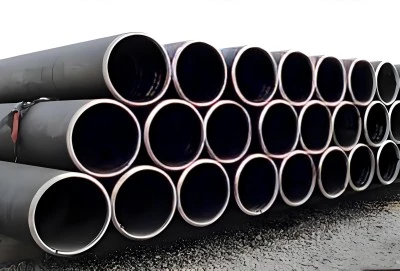
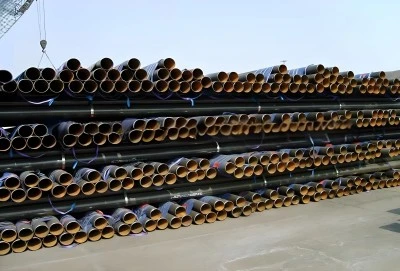
API 5L X42 Pipes Industry Significance
API 5L X42 pipes are a basic material used in the world's energy systems because they balance cost-effectiveness with structural stability. The number "X42" means that the minimum strain strength is 42,000 psi (290 MPa). This grade is in the middle of normal Grade B pipes and higher-strength options like X60 or X65. This specific strength level meets the needs of engineers working on low- to medium-pressure transmission systems. The material must be able to handle practical stresses without having to pay the higher prices that come with ultra-high-strength metals.
Core Applications Across Industrial Sectors
Pipeline experts use API 5L X42 pipes for many different tasks, such as oil and gas transportation networks, public water distribution systems, and building structural parts for floating platforms. The grade's mild strength and excellent weldability make it ideal for projects that need a lot of welding in the field, like long-distance natural gas pipes that have to go through rough terrain.
When paired with the right coatings, like 3-Layer Polyethylene (3LPE) or Fusion Bonded Epoxy (FBE), X42's corrosion protection helps water supply systems last longer, even in underground sites where servicing access is limited.
Technical Specifications That Define Performance
The chemistry make-up of the material has a direct effect on how well it works. For both PSL1 and PSL2 standards, the carbon content is usually between 0.26% and 0.28%, and the manganese content is limited to 1.30 % to make the steel easier to weld without weakening it. Impurities of sulfur and phosphorus are limited to a maximum of 0.030 percent. This makes the material less likely to crack from hydrogen in sour service conditions. Tensile strength must be at least 60,000 psi (415 MPa), and extension rates must be estimated based on cross-sectional area. This makes sure that the material is flexible enough for field bending operations. ERW (Electrical Resistance Welding), LSAW (Longitudinal Submerged Arc Welding), and SSAW (Spiral Submerged Arc Welding) are all ways to make things, and each has its own benefits in terms of width range, wall thickness, and production efficiency.
When procurement managers understand these technical factors, they can make sure that the material standards meet the needs of each project. This is true whether they are talking about pressure ratings in gas gathering systems or structural loading conditions in bridge construction.
Essential Certifications Required for API 5L X42 Pipe Suppliers
Certification systems are proof that industrial methods meet quality standards that are known all over the world. Different end-use apps and regional areas have different requirements for credentials, but there are a few core certifications that are always needed for an API 5L X42 pipe supplier.
API 5L Monogram License
The API 5L Monogram is the highest level of line pipe certification. It is only given by the American Petroleum Institute to producers who can show they meet the requirements of the regulation. This license proves that factories have written quality control plans that include choosing the right raw materials, heat treatment methods, welding techniques, and non-destructive testing routines.
The API keeps an online database that anyone can access. Procurement teams can use this database to check the current state of licenses and look over any violations of compliance. Every three years, manufacturers are subject to thorough checks, and unexpected surveillance visits make sure that they continue to meet standard requirements. The Monogram is useful for more than just following the rules; it can also be used as bargaining chips in contracts to settle disagreements and file insurance claims for major problems.
ISO 9001 Quality Management Systems
When a supplier gets ISO 9001 approval, it means that they follow official quality management principles, such as always trying to improve, putting the customer first, and making decisions based on facts. This standard calls for written rules for internal checks, methods for corrective action, and systems that connect the heat numbers of finished goods to the heat numbers of raw materials.
Most factories combine ISO 9001 models with standards unique to their products, such as API 5L. This makes multiple layers of quality control that find problems before they are shipped. The certification is good for three years, and suppliers are audited every year to make sure they keep up with business standards instead of just complying once.
Occupational Health and Safety Certifications
ISO 45001, which used to be called OHSAS 18001, shows that a company cares about worker safety and the environment. This license shows that the company is mature and can handle risks, but it doesn't have an effect on the quality of the product itself. Facilities that use heat treatment ovens, hydrostatic testing equipment, and large-scale welding operations have safety issues that come with them. Certified management systems lower the number of accidents that could delay production or lower quality during hasty repair operations.
FPC(Factory Production Control Certificate)
Longma Group is a professional manufacturer and supplier of various industrial & construction pipes, covering carbon steel, alloy steel, and structural tubular products. With stable production capacity and flexible customization service, we supply standard & tailor-made tubular goods for global construction, infrastructure and engineering projects worldwide.
Apart from regular ISO 9001 quality management certification, our factory has officially obtained the FPC (Factory Production Control Certificate) certified by authorized notified body. FPC is the mandatory factory production control certification under EU CPR Construction Product Regulation, a necessary precondition to apply CE/UKCA marking for construction pipes entering EU and UK markets. Our full-set FPC system strictly follows relevant European pipe standards for structural tubing.
These certifications show that a provider is technically competent, consistent in their operations, and committed to being open and honest. All of these things are directly linked to lower project risk and lifetime cost optimization.
Comparison of Certified vs. Non-Certified API 5L X42 Pipe Suppliers
The choice between certified and non-certified API 5L X42 pipe suppliers isn't just about price; it also affects the total cost of ownership through things like guarantee coverage, legal risk, and operating reliability.
Quality Assurance and Traceability
Certified makers use batch tracking systems that connect each piece of pipe to its raw material heat number, production date, inspection results, and history of handling. This paperwork is very helpful when looking into failures because it helps find the root cause and allows focused refunds instead of replacements all the time.
When problems happen after the installation, it can be hard to file a warranty claim or do a forensic analysis because the seller wasn't qualified. Mill Test Reports (MTRs), which prove the chemical composition and mechanical properties of a substance, give procurement teams concrete proof that they meet insurance standards and make regulatory reports.
Risk Mitigation in High-Stakes Projects
Infrastructure projects for oil and gas transportation can't have major problems that shut down output, damage the environment, or put people in danger.
- Certified pipes must go through non-destructive tests like ultrasonic inspection, X-ray examination, and hydraulic pressure testing at pressures higher than their working rates. Before the goods are sent out, these quality gates check for flaws in the manufacturing process, such as laminations, seam issues, or differences in size.
- Non-certified providers might only test certain parts or rely on eye inspection alone, which makes it more likely that something will go wrong in the field and need expensive repairs.
Long-Term Cost Implications
Certified pipes usually cost 8–15% more than non-certified pipes, but this difference gets smaller when you consider the warranty security, professional help, and easier inspection process. Certified sellers usually offer longer warranties that cover flaws in both materials and work for lengths of time that fit the duration of the project. This takes the financial risk off of buyers. Fabrication services like beveling, threading, and coating application from qualified makers make it easier to buy things and reduces responsibility under single-source supply agreements.
If materials don't have the right certification paperwork, they could be thrown out during permit reviews for projects in controlled industries like offshore oil production or local water utilities. Often, the time and money needed to fix materials that don't meet standards are greater than the saves that were gained by buying on price.
Leading API 5L X42 Pipe Manufacturers and Certified Suppliers to Consider
There are both multinational companies and specialized regional producers that make certified pipes around the world. Each has its own benefits based on production size, technical knowledge, and closeness to customers.
Since 2003, Longma Group has been known as a dependable manufacturer. Its production sites cover 230,000 square meters and make more than 1,000,000 tons of goods every year. Our API 5L Monogram License and ISO 9001 approval make sure that the ways we make things are correct, including both ERW and LSAW methods. The factory makes pipes with outer sizes from 1/2 inch to 80 inches and wall thicknesses from SCH10 to SCH160. These pipes meet both PSL1 and PSL2 standards. Getting raw materials from trustworthy Chinese mills like Shagang, TISCO, and Bao Steel makes sure that the chemical makeup and mechanical qualities stay the same. Before a product is shipped, it is put through a series of thorough tests, such as ultrasound inspection, hydraulic testing, and X-ray examination.
Our finishing services include hot-dip galvanizing, FBE, 2PP, 3LPE, and 3PE systems. We offer complete solutions that make buying things easier for engineering firms that are in charge of complicated supply chains with many levels. Inspection and Test Plans (ITP), Manufacturing Procedure Specifications (MPS), and Material Test Certificates (MTC) are all parts of documentation packages that make it easy to integrate with project quality assurance systems. Standard specs allow for delivery times of as little as seven days, which meets the needs of urgent projects without sacrificing quality control steps.
When buying teams look at possible partners, they should give more weight to sellers who can show clear proof of their certifications, well-established quality management systems, and proven performance in similar situations. Platforms in the industry, such as API's Monogram Licensee Search Tool and ISO's Certification Database, offer objective proof tools that work with direct provider interaction. Including certified makers early on in the planning stages of a project allows for value engineering talks about how to improve specifications, choose coatings, and coordinate logistics, all of which lower the total cost of the project.
Conclusion
In today's infrastructure buying, certification standards for API 5L X42 pipe suppliers are non-negotiable requirements that have a direct effect on project safety, regulatory compliance, and lifetime costs. The mix of API 5L Monogram licensing, ISO 9001 quality management certification, and application-specific badges like NACE compliance creates proof that the company is good at making things and cares about quality. When purchasing managers check suppliers' certifications as part of the evaluation process, they lower the risk of material failures, warranty issues, and project delays. They also make sure that contractors have access to expert support resources that improve the success of installations in the field. Buying certified materials is an investment that pays off in a big way: higher efficiency, acceptance by regulators, and practical peace of mind.
FAQ
What is the difference between API 5L PSL1 and PSL2 certifications?
PSL2 has stronger quality standards than PSL1. It requires Charpy V-Notch impact tests to check how tough something is to break, tougher chemical composition limits, especially for carbon equivalents, and maximum yield strength caps to stop things from becoming too hard. PSL1 works well in general-purpose uses with normal service conditions. On the other hand, PSL2 is needed in sour service settings or high-pressure systems where it's important to know how the material will react.
Can API 5L X42 pipes be used in sour service applications?
For sour service uses with hydrogen sulfide, standard X42 pipes need extra safety steps. When buying something, buyers must make sure that it meets the standards of NACE MR0175/ISO 15156 or Annex H. This makes sure that makers use special steel chemicals with less sulfur and controls on inclusions that stop hydrogen from cracking the steel. This change to the standard usually requires extra testing and writing up.
How often do suppliers need to renew API 5L certifications?
The API says that registered producers have to go through full audits every three years in order to renew their licenses. In the meantime, they have to deal with unannounced surveillance visits. Suppliers must always follow the requirements spelled out in the specifications and keep records of any changes to the process or the building that might affect the quality of the products they sell. When a manufacturer's certification expires, they can't make API-monogrammed goods until it is reinstated.
Partner with a Certified API 5L X42 Pipe Manufacturer
Longma Group can help you with your next pipeline or building job by providing approved API 5L X42 pipes that are made under strict quality controls. Our API 5L Monogram License and full ISO certifications show that we are dedicated to providing materials that meet international standards and giving your engineering teams the technical help and documents they need. We can produce using both ERW and LSAW methods, apply coatings, and offer fast delivery choices. This makes us a key provider for procurement managers who want reliability and openness. Email our team at info@longma-group.com to talk about the details of your project, get sample Mill Test Reports, or set up an audit of your plant. We welcome questions from building contractors, project procurement managers, and plant equipment managers who need a reliable API 5L X42 pipe supplier for infrastructure projects around the world.








