
ASTM A787 tubing is a pre-coated metallic steel mechanical tube manufactured from low-carbon steel grades, typically 1010, 1015, or 1020. Unlike uncoated mechanical tubing, A787 pipe ships from the mill with a zinc-based or aluminum-zinc metallic coating already applied to the steel strip before tube forming. The standard recognizes several coating designations—most commonly G60, G90, and AZ50—each offering a different level of corrosion protection.
|
|
|
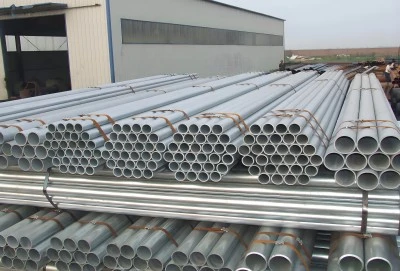
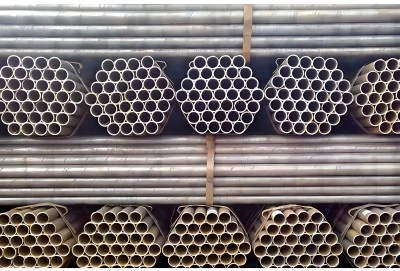
ASTM A787 Tubing Coating Requirements
What Makes A787 Different From Uncoated Mechanical Tubing
A pre-coated steel strip is rolled into a tube, and the ends are joined with electric-resistance welding (ERW). This is called ASTM A787 tubing. The coating is put on the strip before it is formed, so when the tube comes off the line, it is already protected against corrosion on the inside and outside. For ASTM A513, on the other hand, companies that make tubes have to paint or plate them themselves. The design that is already coated cuts down on the extra steps and costs that need to be taken to treat carbon steel tube before it can be used for building parts, axle sleeves, or furniture frames.
Carbon Steel Grades and Their Coating Interaction
The MT1010, MT1015, and MT1020 substrate grades for A787 tubing are low-carbon steels that have carbon contents of 0.08% to 0.20%. They are really bendy because they don't have a lot of carbon. This means that the zinc or aluminum-zinc coating won't flake off when the steel bends or shapes. An important physical property here is how well the coating sticks. If the amount of carbon changes from run to run, the different temperatures used in strip processing could cause tiny cracks in the coating layer. This risk can be cut down right away by buying from a supplier who keeps track of how each batch of raw materials is chemically.
Why Coating Selection Is a Design Decision
Many procurement managers think that choosing the coating is just a logistics matter, but it's actually a design choice. For furniture parts used inside, a G60 coating (0.60 oz/ft²) might meet guarantee standards. But for outdoor structural use, at least a G90 coating (0.90 oz/ft²) is needed. The coating weight also impacts the ability to weld, the tolerances for dimensions after tube making, and the surface roughness. All of these things are important when the tubing will be carefully machined to make parts with tight tolerances.
Common Types of Coatings Available for ASTM A787 Tubing
There are a few clear groups of coatings that are known to be safe for pre-coated mechanical tubing. Getting to know each category helps quality managers and procurement engineers choose the best option from the start.
Zinc-Based Metallic Coatings (G60 and G90)
G60 and G90 are pure hot-dip zinc coatings that are put on steel strips in continuous galvanizing lines. Total coating weight for G60 is 0.60 oz/ft², and total coating weight for G90 is 0.90 oz/ft². Both offer galvanic protection, which means that the zinc gives up its electrochemical properties to protect the steel substrate at cut edges and weld zones. The G90 is the engine of outdoor farm buildings, solar rack systems, and playground equipment. G60 is good for indoor uses like office furniture frames and light mechanical systems that don't get wet often.
Aluminum-Zinc Alloy Coatings (AZ50 / Galvalume)
AZ50, which is sold in stores as Galvalume, is made up of about 55% aluminum and 45% zinc by weight. According to data from Bethlehem Steel's long-term outdoor exposure studies, this blend has two to four times the rust life of a G90 pure zinc finish in most weather tests. The aluminum part forms a barrier layer that slows the flow of air to the steel surface, and the zinc part keeps the protective galvanic action at edges that have been scratched or cut. For greenhouse frames and houses that will be used near the coast, AZ50 is the best choice.
Specialty and Surface Treatment Options
Some suppliers offer surface treatments other than zinc and galvalume that are added after the A787 tubing is made. Some of these are zinc-rich cold-galvanizing sprays that are used to fix weld areas, epoxy-based internal plugs for light chemical contact, and PTFE-based coatings that are used for moving uses that need low friction. The A787 standard doesn't say anything about these post-process choices, but value-added service companies often pair them with A787 base tubes.
Comparing Coating Choices: Performance and Procurement Considerations
Performance Comparison by Application Environment
Selecting a coating requires matching the coating's performance profile to the operating environment. Here is a practical reference for common industrial settings:
- G60 zinc coating suits indoor, low-humidity environments such as furniture assembly lines, light-duty mechanical housings, and exercise equipment stored under cover. Its thinner zinc layer keeps per-unit material cost lower.
- G90 zinc coating targets semi-outdoor and transitional environments—agricultural buildings, carports, and commercial shelving. The 50% heavier zinc layer roughly doubles service life compared to G60 in ASTM B117 salt spray testing.
- AZ50 Galvalume delivers the strongest atmospheric corrosion resistance among standard A787 coatings. Field data from long-term panel exposure tests in industrial-coastal zones shows AZ50 maintaining base-metal integrity two to four times longer than G90.
Each coating tier carries a corresponding price premium, so over-specifying coating weight adds material cost without delivering practical benefit in protected indoor applications.
Procurement Factors: MOQ, Lead Time, and Customization
Beyond performance, B2B buyers must weigh logistical realities. G90 zinc-coated tubing in standard outer diameters (1/2" through 16") is typically a stocked item at major mills, supporting short lead times. AZ50 coatings may require mill order minimums or longer production scheduling. For buyers needing small-batch flexibility—a common requirement for automotive component prototyping or furniture hardware trials—working with a supplier holding 100–200 tons of ready inventory is a significant practical advantage, as it avoids the costly downtime associated with waiting on mill production runs.
How to Identify and Verify Coating Quality on ASTM A787 Tubing?
Visual and Physical Inspection Methods
If the covering is broken in any way, all you have to do is quickly look over the tube's surface. If the coating didn't stick well or there was a mistake in the strip processing, you can see cracks, bare spots, or an uneven sheen. One of the actual checks is the test of how well the tape sticks. This is where you put a strip of pressure-sensitive tape on the tube and then peel it off. The test shouldn't get rid of any coating. You can use magnetic induction gages to find out how thick a coating is without hurting it. The data should be checked against the ASTM A525 minimums for G60, G90, or AZ50.
Certifications and Test Documentation to Request
You can trust an A787 tubing supplier to give you a Material Test Report (MTR) that has the base grade (for example, MT1015), the name of the finish, the heat number, and the sizes. Not just a name should you ask for the coating weight test results. Also, make sure that the report speaks to both ASTM A787/A787M and ASTM A525 to make sure that the coating weight is right. Those who are ISO 9001-certified keep track of each batch. So now you don't have to worry about material differences between batches, which are a direct result of problems with procurement.
Red Flags When Evaluating Supplier Quality
Watch out for sellers who can't give you MTRs when you ask for them, who list coating names but don't give you oz/ft² values, or whose tubing has wall thickness differences of more than ±0.005". For machined parts like axle tubes, where even a small change in gage can cause rejection rates to rise further downstream, it's important to have tight wall thickness margins.
Best Practices for Purchasing Coated ASTM A787 Tubing
Align Coating Type With Your End Application
First take care of the service, then look at the price list. Check how well the above-mentioned coverings work in the conditions your product will be in, like whether it will be inside, outside, wet, near the coast, or environmentally active. Then, make sure that the finish can be used with your other processes. For example, G90 zinc welds smoothly with enough air flow and can be touched up with cold galvanizing. On the other hand, AZ50 may need its welding settings changed because it contains aluminum, which makes oxide products at higher temperatures.
Evaluate Supplier Capabilities Beyond the Catalog
Just because a seller is in your book doesn't mean they will do business with you. Make sure you know how much they actually have in stock, how flexible their minimum order is, and how well they can cut to your exact lengths without full-coil minimums. Precision machining wastes less material when lengths are cut to order, and the cost per part is lower. Find out which supplier can get it to you the fastest. A 7-day delivery window from in-stock items is great for small production runs that need to be done quickly.
Conclusion
A useful thing about ASTM A787 tubing for manufacturers is that it stops rust before it is even made. There are three main coating options: G60, G90, and AZ50. Each one has its own mix of cost, expected service life, and exposure to the environment. There is less chance of procurement and production downtime if the right coating is chosen during the design phase, recorded MTRs are used to make sure of it, and the seller keeps stock on hand and doesn't set strict order minimums. Product engineers and people in charge of getting things can use these steps to pick out materials and make sure they get shipped on time.
FAQ
Does A787 tubing require additional painting after fabrication?
Not most of the time. It doesn't rust right away after it comes off the mill because it already has a zinc or Galvalume coating on it. Use a zinc-rich cold-galvanizing spray on any spots where the weld seam isn't covered or where the cut ends aren't machined to get full galvanic coverage back.
What is the difference between G60 and G90 coating designations?
When the coating is marked G60, it weighs 0.60 oz/ft² on both sides of the strip. When it is marked G90, it weighs 0.90 oz/ft². G90 has about 50% more zinc mass, which means it will last twice as long outside before it rusts.
Can coated A787 tubing be machined to tight tolerances?
Yes. The zinc or AZ50 coating layer is very thin—often less than 0.001"—so that standard machining operations for structural parts and axle sleeves can keep tolerances without having to make any changes. Check the MTR from your provider to make sure the sizes are right before you cut.
Is small-batch ordering possible for A787 tubing?
A lot of sellers who keep things ready to ship will take small orders. If a supplier has 100–200 tons of stock, they can usually meet orders for partial coils with lengths that are cut just for you. In other words, test runs can be made without committing to full mill-order amounts.
Get a Quote for Coated A787 Tubing From Longma Group
Because 2003, Longma Group has sold covered and uncovered metal tubes to businesses in over 90 countries. We have 1010, 1015, and 1020 grade A787 tubing, which weighs between 100 and 200 tons. Outside sizes range from 1/2" to 16", and wall thicknesses from SCH10 to SCHXXS. For sizes that are in stock, shipping starts in 7 days. We have full MTRs, ISO 9001 paperwork, and can cut A787 tubing to any length you need. Our minimum order quantities are also flexible. Send our expert team an email at info@longma-group.com or go to our website at longma-group.com to get examples or a price for your project.