
You get more than just steel when you buy API 5L Gr B pipe for important pipeline projects; you also get a thorough mill test certificate (MTC) that verifies every part of quality and compliance. This important document package usually has records of heat treatment, measurement inspection, non-destructive testing (NDT), chemical makeup analysis, and mechanical property tests. All of these certificates show that your pipe meets the requirements of API 5L Gr B. This makes sure that the supply chain is traceable, that the materials are correct, and that all regulations are followed.
|
|
|
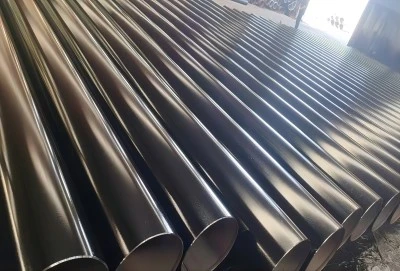
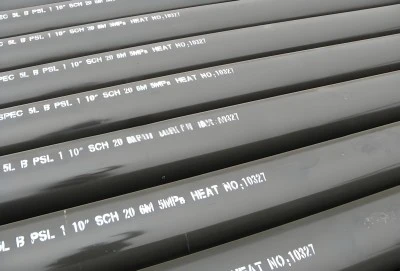
Understanding the API 5L Gr B Pipe Mill Test Certificate
When buying from another business, the mill test certificate that comes with API 5L Gr B pipe is the most important proof document. It's clear proof that the carbon steel line pipe meets the strict requirements set by the American Petroleum Institute for moving oil, gas, and water through tough settings. This standard-grade material has a minimum yield strength of 245 MPa and a tensile strength of 415 MPa. It is moderately strong and inexpensive, which is why it is the best choice for building cross-country pipelines.
Why Mill Test Certificates Matter in Pipeline Projects?
Before pipes go out into the field, procurement managers and pipeline experts use mill test certificates to lower the risk. These papers set up a traceable chain of custody from where the raw materials come from to how they are finished. This keeps your project safe from using low-quality materials that could fail in terrible ways. Real mill test certificates are the most important way to make sure the standard of goods in global markets like the Middle East, Southeast Asia, and Australia, where projects like MOBIL OIL AUSTRALIA need to be completely reliable. They let engineering companies make sure that local laws are being followed and that the performance of the materials meets project requirements.
The Role of PSL1 and PSL2 Specifications
There are two Product Specification Levels for API 5L Gr B pipes, which decide how strict the paperwork needs to be. Standard quality (PSL1) is shown by basic chemistry and mechanical tests, making it acceptable for most pipeline uses. PSL2 has tougher rules, like Charpy V-notch impact tests being required, chemical limits being tightened (especially for sulfur and phosphorus), and full NDT for all welds. What level of detail your project needs will directly affect how much and what kind of mill test certificate paperwork you should expect from providers.
Core Documents Included with an API 5L Gr B Pipe Mill Test Certificate
A full mill test certificate package for API 5L Gr B pipe includes several proof papers that, when put together, give a complete picture of the quality of the product. Reputable makers offer this set of documents to show they are open and honest, which boosts trust in the buying process.
Chemical Composition Analysis Report
The chemistry analysis report shows that the amounts of elements are in line with API 5L Gr B standards. This report checks the levels of carbon (up to 0.28%, though usually less for smooth types), manganese (up to 1.20%), phosphorus (up to 0.030%), and sulfur (up to 0.030%). These carefully controlled chemical ratios make sure that the metal can be welded well in the field and keep it from breaking easily in service. In detailed certificates, both heat analysis (done on molten steel during production) and product analysis (done on finished pipe samples) are listed. This lets buying teams check that the batch chemistry and end product composition are the same.
Mechanical Properties Test Documentation
Mechanical testing papers describe how the pipe's structure works when it is stressed. The tension test results show that the minimum yield strength is 245 MPa and the minimum tensile strength is 415 MPa. The elongation rates show that the material is ductile, which is important for field bending operations. When pipes are made to PSL2 standards, you'll also get Charpy V-notch impact test results that show how tough they are at certain temperatures. This is important information for pipelines that work in cold places or under the sea, where low-temperature brittleness can be dangerous.
Heat Treatment and Manufacturing Records
Manufacturing paperwork shows how the product was made. This is especially important for welded pipe types like ERW (Electric Resistance Welded) and LSAW (Longitudinal Submerged Arc Welded). Heat treatment papers show that welds went through the right heat processing to reach the same level of metallurgical integrity as the source material. These records show the normalizing temps, cooling rates, and time factors that have a direct effect on how long something lasts. Modern makers carefully write down all of their heat treatment steps. This way, you can be sure that the welds won't become weak spots after decades of moving corrosive hydrocarbons or high-pressure fluids.
Dimensional Inspection Reports
Dimensional documents show that the measurements taken match the requirements and the API error limits that were ordered. These reports check the accuracy of the outside diameter, the consistency of the wall thickness, the length of the pipe, and the out-of-roundness measures. These are all things that have a direct impact on field fit-up during welding operations. Accurate dimensional paperwork helps project teams plan tasks, accurately calculate material amounts, and avoid having to make expensive changes in the field when lines don't connect properly. Manufacturers who use modern measuring tools give accurate measurements at several places along the length of each pipe, showing that the quality of their work is always the same.
Non-Destructive Testing Results
NDT data shows that the inside of the pipe is solid without hurting it. Ultrasonic testing (UT) finds layers, inclusions, or metal flaws that can't be seen with the naked eye. Radiographic testing (RT) takes pictures of the quality of the weld, which is especially important for LSAW pipes where the horizontal seams carry all the stress during operation. Hydrostatic test papers show that every length of pipe passed internal pressure tests—usually to 60% of the minimum yield strength—without leaking or deforming. These NDT records give procurement managers faith that pipes will work reliably under a wide range of working pressures, from low-pressure water lines to high-pressure oil lines.
How to Interpret and Use Mill Test Certificates Effectively in Procurement?
Getting mill test certificates is only useful if the people who buy things know how to turn technical data into useful information. When interpreted correctly, these documents go from being just pieces of paper to being useful tools for keeping an eye on quality and judging suppliers.
Cross-Referencing Certificate Data with Project Specifications
First, look at each line of your technical specs and compare it to the amount of the certificate. Check that the chemical makeup is within the necessary ranges, not just the API minimums. For example, some projects need stricter carbon limits to make the material easier to weld in certain situations. Make sure that the mechanical qualities are higher than the design limits, taking into account how the material will be used in toxic conditions. When certificates show values that barely meet the basic requirements, you should think about whether that seller has good quality control or if a different manufacturer with steady mid-range values would be more reliable in the long run. With this scientific method, possible quality problems are found before the pipes get to the building site.
Understanding Corrosion Resistance Indicators
API 5L Gr B is just carbon steel and doesn't have any alloys that protect against rust. However, the certificate data shows important signs of longevity. In sour service conditions, materials with less sulfur and phosphorus are better able to fight cracking caused by hydrogen. The fine grain structure shown in heat treatment records makes the overall resistance to rust higher. If your project involves buried pipes or subsea flowlines in harsh soils, look closely at these secondary signs to find suppliers whose material regularly has properties that are good for your environment, even within the same grade standard.
Validating Certificate Authenticity
In global supply lines, buying things is very risky when fake paperwork is present. Real mill test certificates have tracking heat numbers, test lab stamps that can be checked, and information about who signed them. Using heat numbers as a guide, call the manufacturers immediately to make sure the certificate is still good. Suppliers with a good reputation welcome this check and keep systems that allow quick authentication. Manufacturers with ISO 9001 certification and API 5L licensing show they care about the accuracy of their paperwork by having third parties check it on a regular basis. This step of validation saves your company from the risk that comes with using uncertified materials that might break down early or break the rules set by regulators.
Conclusion
The mill test certificates that come with API 5L Gr B pipe are very important because they show the pipe's chemical make-up, mechanical qualities, manufacturing quality, accuracy in measurements, and structural stability. These papers help people who buy things make sure that materials are compliant, check the reliability of suppliers, and lower the risks that come with global transit projects. Engineering contractors and project managers can make smart choices about where to get materials by understanding the different parts of a certificate, how to properly read technical data, and how to compare documents between grades and standards. Working with certified makers who provide full paperwork will make sure that your pipeline system works reliably for decades, transporting important energy resources.
FAQ
What information should I verify first on an API 5L Gr B mill test certificate?
First, make sure that the heat number on your buy order and the marks on the pipe match. This establishes traceability. Make sure that the chemical makeup, especially the amounts of carbon, sulfur, and phosphorus, are within the limits set by API 5L Gr B and meet the needs of your project. Make sure that the mechanical properties (at least 245 MPa for yield strength and 415 MPa for tensile strength) fit the design standards and leave enough room for error. Make sure that the Product Specification Level (PSL1 or PSL2) matches your order. This level decides how rigorous the tests will be. If you want to make sure that all of the necessary checks were done without any problems, you should look over the NDT reports.
Do mill test certificates guarantee pipe performance in harsh operating conditions?
Mill test papers show the properties of a material at the time it was made under controlled testing circumstances. They make sure that API 5L standards are followed, but they don't promise performance in all operating situations. The actual service life relies on how well it was installed, the working pressures, the fluid chemistry, the stability of the coating on the outside, and how well it is maintained. Certificates are a basic way to make sure that a material is strong and tough enough, but engineers still need to use the right design factors, rust limits, and safety measures for each location. Certificates are important places to start, but they are not total promises of performance in the field.
How do ERW and LSAW pipe certificates differ in documentation?
Chemical research, mechanical qualities, and dimensional reports are all part of both manufacturing methods, but weld-specific testing is different. ERW (Electric Resistance Welded) certificates have high-frequency weld inspection data and may also have flattening test results that show how flexible the weld is. Longitudinal Submerged Arc Welded (LSAW) certificates have thorough records of radiographic or ultrasonic tests for two-sided submerged arc welds. These records are usually more detailed because the walls are larger and the pressure is higher. When done right, both ways make good pipe; the differences in certificates are due to different welding technologies, not a performance ranking.
Partner with Longma Group for Certified API 5L Gr B Pipe
Choosing a reputable API 5L Gr B pipe provider who is dedicated to honesty and quality is the first step in securing trustworthy documents. Longma Group has been in business since 2003 and has full API 5L approval and ISO 9001 quality management systems. Every package comes with full mill test certificates. Our factories make ERW and LSAW pipes that meet PSL1 and PSL2 standards. They use raw materials from some of China's best steel mills, like Shagang, TISCO, and Bao Steel. We offer complete paperwork packages that include chemical analysis, mechanical tests, NDT results, measurement reports, and Manufacturing Procedure Specifications. This way, you can be sure that your purchase meets all of the project's strict requirements. Our certified engineers and project managers in 90 different countries trust our credentials for pipeline projects in water systems, underwater building, and moving oil and gas. Get in touch with info@longma-group.com right away to talk about your needs and get sample mill test certificates that show how we handle paperwork. Our expert team will help you understand the meaning of the certificate and choose the best pipe grade and certification level for your needs. They will also make sure that the materials you order arrive on time and with full quality paperwork.