
AS/NZS 1163 C350 pipe is a cold formed structural steel hollow section, controlled by the joint Australian and New Zealand standard AS/NZS 1163. This standard specifies the mandatory standards for chemical composition, mechanical qualities, dimensional tolerances and the production procedures. For the grade C350, the minimum yield strength is 350 MPa and the minimum tensile strength is 430 MPa. If you are sourcing structural hollow parts for commercial buildings, bridges or industrial equipment, knowing what this standard truly needs allows you to prevent compliance failures and procurement blunders before a single order is made.
|
|
|
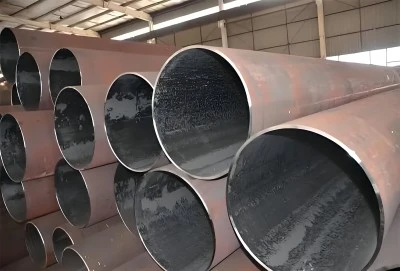
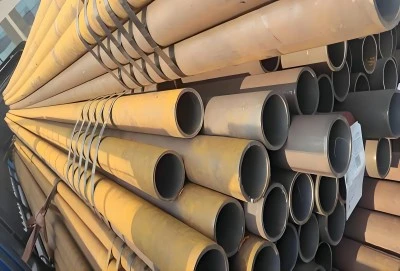
Understanding AS/NZS 1163 C350 Pipe Specifications and Standards
What the Standard Actually Covers?
AS/NZS 1163 covers round, square or rectangular hollow sections produced from cold formed steel. In terms of strength, it varies from C250 to C450. Next to each grade is a number that immediately informs you the minimum yield strength in megapascals. The standard also sets out permissible methods of manufacturing the product, including Electric Resistance Welding (ERW) and other cold-forming methods. It also states how frequently tests should be carried out, how samples should be collected and what has to be labeled.
Mechanical Property Requirements for C350
For grade C350, minimum yield strength of 350 MPa and minimum tensile strength of 430 MPa are required. The tensile strength at the maximum is 600 meganewtons per square meter. The elongation at fracture is generally in the range of 16 to 22%, depending upon wall thickness. These figures are not concepts . They are pass / fail criteria that are used by mill testing . Material Test Certificate (MTC) should be supplied for each shipment as per EN 10204 Type 3.1 or 3.2. That is, the true test results fulfill these norms.
Chemical Composition and Dimensional Tolerances
Chemically, AS/NZS 1163 restricts carbon to around 0.20%, and manganese to about 1.60%. This results in a low Carbon Equivalent (CE) number. This means the steel may be field-welded without pre-heating, in most conventional wall thicknesses, which is useful on busy construction sites. The tolerance for outer diameter, wall thickness, mass per unit length and straightness are specified in the standard. The out-of-roundness has to be limited within these limitations so that the pieces will fit together during manufacture.
Performance and Application: Why Choose AS/NZS 1163 C350 Pipes?
Structural Load Capacity vs. C250
The yield strength of the C350 hollow section is 40% greater than the C250 hollow section. This implies that engineers may pick a smaller or lighter item and yet handle the same design load in reality. This will reduce the cost of the whole project and the weight of the supplies. This strength to weight ratio is a genuine technical benefit for commercial building frames, conveyor galleries and bridge support members, not simply a marketing claim.
Welding Compatibility and Fabrication Flexibility
The low CE value means that regular MIG, TIG and flux-cored arc welding operations may be used on C350 sections such as AS/NZS 1163 C350 pipe without the need for sophisticated pre-heat techniques for most thicknesses. The steel also performs well with bolted and mechanically secured connectors. Fabricators who work on wind turbine support frames, vehicle chassis and platform structures like this flexibility since it reduces the time to assemble pieces and the risk of heat-affected zone cracking during field installation.
Application Range Across Key Industries
C350 hollow pieces are used in many different projects. In the following main types of applications, this grade is the standard choice:
- Commercial building and industrial facility frames: Column and beam applications where AS/NZS 1163 compliance is required by the National Construction Code (NCC) of Australia.
- Bridge auxiliary members and engineering supports: Bracing and secondary structural members in pedestrian and road bridge construction.
- Wind energy equipment supports and mechanical structures: Tower base frames, equipment mounting brackets, and machinery structural members where consistent strength is non-negotiable.
- Racking, platforms, and conveyor systems: Light industrial infrastructure where section weight reduction lowers installation cost.
All of these uses need the same thing: every production batch must have consistent, certified mechanical performance. Consistency from batch to batch is what sets a dependable C350 provider apart from one that causes costly problems on-site.
Procurement Guide: Sourcing and Buying AS/NZS 1163 C350 Pipes
Certifications You Must Verify Before Ordering
Before ordering C350 structural hollow pieces, check at least three papers. Firstly, you should confirm that the supplier has a current AS/NZS 1163 product clearance from a recognized certification authority. Secondly, ask for examples of the MTCs from recent production runs to check that the actual yield and tensile values are within the specified range and not just at the minimum and maximum points. Third, ask if the supplier does 100% non-destructive testing (NDT) of the weld seam by using Eddy Current or Ultrasonic techniques. These measures address the danger of acquiring poor supplies for a work that has to be done fast.
Supplier Selection Criteria for Engineering Projects
A factory direct C350 pipe manufacturer such as an AS/NZS 1163 C350 pipe supplier takes out the middleman markups and offers you direct access to the manufacturing schedule, which is vital if you need the pipes delivered within 15 to 30 days. Look for suppliers that can provide you with a comprehensive set of papers, such as an Inspection and Test Plan (ITP), a Manufacturing Procedure Specification (MPS) and an MTC. Make sure you can trace their source supplies as well. A supply chain audit is a prerequisite by many engineering owners and steel from well-known mills such as HBIS, Baosteel or Shagang is a solid starting point.
Pricing, Lead Times, and Logistics Considerations
The price of a C350 hollow section is determined by the thickness of the wall, the section profile, the order volume and the price of a hot-rolled coil at the time. Standard lead times from a mill-direct supplier with sufficient completed items in stock are 15 to 30 days for industrial quantities. whether you are doing projects in Australia, New Zealand, Singapore or the United Arab Emirates, check out the import restrictions, and see whether the supplier can provide you with origin documentation and packing lists suited for the port of entry. The freight conditions (FOB, CFR and CIF) should be negotiated in writing prior to the commencement of production.
Key Technical Requirements and Installation Guidelines
Recommended Welding Methods and Pre-Weld Preparation
If you are using typical arc welding consumables adapted to 350–430 MPa base metal, preheating of C350 items with wall thicknesses less than 12 mm is generally not required. Joint preparation should be in accordance with /NZS 1554.1 or the WPS for the project welding technique. Tack welds are required to fulfill the same quality criteria as production welds. That’s something that a lot of people overlook and it causes inspection failures.
Corrosion Protection and Surface Finishing
Carbon steel such as C350 steel has to be shielded from the surface when it is exposed or it will rust in some spots. Normal practice is hot dip galvanizing to AS/NZS 4680 for outside structures. For rougher environments like underwater and subterranean usage, they are coated with fused together epoxy (FBE), 3LPE or 2PP coatings. The better the surface is cleaned before coating (often a Sa 2.5 blast profile), the better the coating will adhere and endure.
Load Calculations and Safety Margins
To use C350 hollow sections you need to follow either AS 4100 (steel constructions) or NZS 3404. These criteria are used in determining the capability of the part to carry axial load, bending and buckling. The standard gives characteristic values and the designers apply the capacity reduction factors (φ) from these codes. The C350L0 version offers guarantyd Charpy V-notch impact energy at 0°C, which makes it the finest option for the tasks that need to be done in cold regions.
Conclusion
AS/NZS 1163 sets out clearly what is required of C350 structural hollow sections such as AS/NZS 1163 C350 pipe in terms of mechanical properties, chemical limits, dimensional tolerances and testing methodologies. Adhering to these criteria will ensure projects are compliant with Australian and New Zealand construction requirements and maintain stable structures. For purchasing teams, the most crucial thing is simple: verify the certificates, review the batch MTCs and choose a vendor who can demonstrate that the quality of their work is consistent throughout all orders. Where such prerequisites are satisfied, C350 hollow parts perform exactly as the standard predicts.
FAQ
What is the difference between C350 and C350L0?
At room temperature, C350 is the standard grade that meets the requirements for yield and tensile strength. The C350L0 adds a minimum guarantyd impact energy (Charpy V-notch test at 0°C), which is needed for structures that work in cold places or are loaded and unloaded quickly. In your buy order, make sure to clearly state C350L0 if your job is in an area with cold winters or includes fatigue loading.
How do I confirm that a supplier's C350 pipe actually meets AS/NZS 1163?
Ask the MTC what kind of heat or batch is being sent. Compare the yield strength, tensile strength, elongation, and chemical make-up that was reported with the minimum requirements in the standard. Do not forget to check if the organization that gave you the product certificate is approved by JAS-ANZ or a similar national program.
Can C350 hollow sections be galvanized?
Yes. The low silicon content that is usually kept in AS/NZS 1163 C350 production works with common hot-dip galvanizing methods. Check the silicon and phosphorus amounts on the MTC if your coating standard calls for galvanizing. These elements change how zinc reacts and how thick the coating is.
What wall thickness range is available in C350?
As per AS/NZS 1163 wall thicknesses can be anywhere from 1.6 mm to 16 mm or more, depending on the section size and the manufacturer's ability. Sizes that are available depend on what the supplier has in stock, so be sure to ask about the exact sizes you need during the inquiry stage.
Get a Certified C350 Pipe Quote from Longma Group
Since 2003, Longma Group has been making ERW and LSAW steel pipes. Each year, they make more than a million tons of steel pipes and send them to more than 90 countries. As a straight manufacturer of AS/NZS 1163 C350 pipes, we offer full paperwork (MTC, ITP, MPS) and can answer technical questions in English about how to weld and the sizes that are required. Visit longma-group.com or email us at info@longma-group.com to get a reasonable factory-direct price with guarantyd delivery dates.