
API 5L GR.B pipe is engineered to transport a broad spectrum of fluids, including crude oil, refined petroleum products, natural gas, water, and various industrial liquids. Its carbon steel composition and balanced mechanical properties make it ideal for cross-country transmission pipelines operating under moderate pressure and temperature conditions. The pipe's excellent weldability and cost-effectiveness have established it as a preferred choice for oil and gas infrastructure projects across the Middle East, Southeast Asia, and the Americas, where procurement directors demand certified materials that meet stringent project specifications.
|
|
|
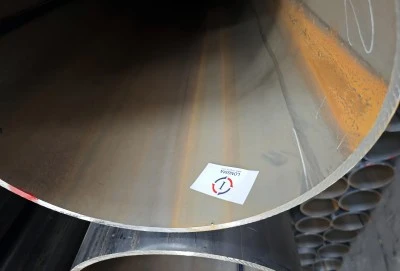
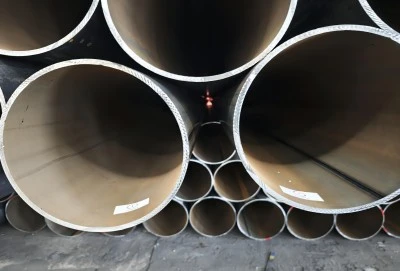
Understanding API 5L Grade B Pipe: Specifications & Material Properties
A standard-grade carbon steel line pipe made for moving fluids over long distances is called API 5L Grade B, which is also known by its code L245. The "245" in its name refers to its minimum yield strength of 245 MPa, which is about 35,500 psi and is strong enough for most transmission applications without the higher costs that come with using higher-grade alloys.
Chemical Composition and Performance Characteristics
The chemicals that make up API 5L GR.B pipe have a direct effect on how it works mechanically and how well it works with the fluids that are being moved. The maximum amount of carbon in the material is 0.28%, which makes it strong enough while still being easy to weld, which is very important for installing it in the field. Manganese levels can reach up to 1.20%, which makes the metal tougher and less likely to bend. Phosphorus and sulfur, on the other hand, are tightly limited to a maximum of 0.0300% each. This keeps the material from being too rigid and breaking easily when it's under stress.
These controlled chemistry limits give the pipe a minimum tensile strength of 415 MPa (60,200 psi) and predictable elongation characteristics that let it handle stresses during installation and changes in operational pressure. Because it has a balanced makeup, the material can safely carry both gasses that can be compressed and liquids that can't be compressed.
Manufacturing Methods and Quality Levels
API 5L GR.B pipe can be made in a number of different ways, and each has its own benefits. For standard uses, Electric Resistance Welded (ERW) pipes are a cost-effective way to get accurate measurements. For large-diameter, thick-walled needs that are common in trunk line projects, longitudinal submerged arc welded (LSAW) pipes provide better weld stability. Although they usually cost more, seamless versions don't have any weld lines at all.
The guideline has two Product guideline Levels. PSL1 is the basic level of quality and testing requirements, while PSL2 has tighter chemical limits, must be tested for impact, and all welds must be fully inspected without damaging them. EPC companies who are in charge of projects that are being watched by a third party usually ask for PSL2 to meet the quality assurance standards of the owner and pass strict audit requirements.
Types of Fluids Suitable for API 5L Grade B Pipe Transport
API 5L Grade B pipe is flexible because the properties of its material make it work with different types of fluids in many industries. Knowing the limits of compatibility helps procurement teams choose the right specifications and safety measures.
Oil and Petroleum Products
Transporting crude oil, diesel fuel, gasoline, and kerosene is safe and effective with API 5L GR.B pipe. Under normal working settings, the carbon steel composition doesn't break down when exposed to hydrocarbons. A lot of Grade B pipe is used in crude oil pipelines that run through Saudi Arabia, the UAE, and other Gulf countries for transmission lines and gathering systems that work at moderate pressures below 10 MPa.
The temperatures of the refined oil products that run through these pipes stay between room temperature and 80°C, which is well within the range of temperatures that the materials can handle. When aliphatic hydrocarbons come in contact with the pipe's internal surface, it stays stable. However, when aromatic compounds are present in large amounts, the pipe may need to be inspected more often to check for any localized corrosion patterns.
Natural Gas Transmission
One of the main uses for API 5L Grade B pipe in cross-border and regional distribution networks is for natural gas. The substance can handle the pressures inside gas transportation systems, which are usually between 4 and 7 MPa based on the pipe's diameter and the terrain. Gas infrastructure projects in Thailand, Indonesia, and all over Central Asia have successfully put in place millions of meters of Grade B pipe.
The dry nature of processed natural gas makes corrosion less of a problem, but the amount of moisture must be controlled to keep the gas from oxidizing inside. Standard Grade B needs extra qualification through NACE MR0175 testing to make sure it can handle sulfide stress cracking and hydrogen-induced cracking when transporting sour gas that contains hydrogen sulfide. This is something that procurement directors usually require for fields that are known to have sour characteristics.
Water and Industrial Fluids
Distribution of potable water, process water in industry, and the transport of wastewater are all important uses for API 5L GR.B pipe. Its strength-to-cost ratio is used by municipal water authorities and industry plants for utility routes and plant piping networks. The material works well with both freshwater and water that has a moderate amount of minerals in it. However, for buried installations, it is common to use coatings like 3-layer polyethylene (3LPE) or fusion-bonded epoxy (FBE) to protect against corrosion.
The cooling water systems in power plants and industrial sites use Grade B pipe for both closed-loop and once-through cooling. When designed correctly for thermal expansion, the material can handle water temperatures of up to 120°C. Industrial wastewater with pH levels that are normal to slightly alkaline can be carried safely. However, a chemical study should be done to make sure that there aren't any aggressive species present that could speed up the corrosion process.
Limitations with Corrosive Chemicals
When it comes to highly acidic fluids, API 5L Grade B pipe has clear limits. Strong alkalis and concentrated acids (hydrochloric, nitric, and sulfuric) quickly break down carbon steel, causing too much wall loss and the possibility of failure. Also, places with a lot of salt make pitting corrosion and stress corrosion cracks more likely, especially when temperatures are high.
When the project calls for moving chemically aggressive fluids, procurement teams should look at other options, like using corrosion-resistant alloys or strong internal lining systems. However, many industrial streams that are mildly corrosive can be controlled by adjusting the pH, adding corrosion inhibitors, and adding protective internal coatings that keep the fluid from touching the base metal.
Comparing API 5L Grade B Pipe with Alternatives for Fluid Transport
To choose the best materials for pipes, you need to know how API 5L Grade B stacks up against other standards that are often seen in purchase reviews.
API 5L Grade A and Higher Grades
The yield strength of Grade A (L210) is only 210 MPa, while the yield strength of Grade B is 245 MPa. Because of this difference, the walls need to be thicker to get the same pressure values, which cancels out any cost saves from using less material. Because of this, Grade B has mostly replaced Grade A in current pipeline building because it is cheaper and works better.
Higher grades, like X52, X60, and X65, are much stronger, so they can handle higher working pressures or thinner walls while still performing the same. The extra cost of these better materials is usually worth it for projects that need the most throughput or are in difficult terrain. However, for moderate-pressure uses that are within the operating range of Grade B, the extra cost doesn't really add up to much.
ASTM A106 and A53 Alternatives
Chemically, ASTM A106 Grade B and A53 Grade B are very similar to API 5L Grade B, which often leads to confusion among buyers. The main difference is what they are meant to be used for: ASTM standards are for high-temperature pressure pipes inside plants, while API 5L is for long-distance transport pipelines. The API 5L standards add more requirements for toughness, weldability, and tracking that are based on what is needed in the field.
When purchasing materials for pipeline projects, procurement teams should make sure that the protocols for manufacturing and testing are compatible with API 5L. ASTM-certified pipe might not have the extra testing and strict documentation (like EN 10204 3.1 mill test certificates) that project owners and third-party inspectors look for during commissioning audits.
Stainless Steel and Alloy Options
Grades of stainless steel like 304L and 316L are better at resisting corrosion than carbon steel, but they cost three to five times more to make. It only makes economic sense to use these metals when moving highly corrosive fluids or when working conditions don't allow for good outward safety. Most projects that move oil, gas, or water find that carbon steel with the right finishes gives them a good service life at a cost that doesn't break the bank.
Specialty metals with chromium, molybdenum, or nickel can be used to solve problems like extreme bad service or high temperatures, but they need to be carefully metallurgical specified and welding procedures developed. These materials are still not common alternatives to API 5L GR.B pipe for normal fluid transport uses. They are still more of a niche solution.
Conclusion
API 5L GR.B pipe has been used for many years to move fluids and has a good balance of mechanical strength, weldability, and cost-effectiveness. Because it works with oil, gas, water, and industrial fluids, it is essential for building cross-country pipelines that serve the energy and utility sectors around the world. To make smart sourcing choices, procurement workers need to know about material specifications, the limits of fluid compatibility, and the qualifications needed to become a seller. When you fix things correctly and take care of corrosion, you can make them last longer while still leaving enough safety gaps. Choose approved makers with strong quality systems to make sure the project goes well and the assets will last for a long time.
FAQ
What pressure ratings apply to API 5L Grade B pipe in gas service?
The working pressure is based on the pipe's width, wall thickness, and design factors outlined in standards such as ASME B31.8. Most Grade B gas transmission pipelines work at pressures between 4 and 7 MPa. However, the highest pressure that can be used for each project is determined by safety factors, joint efficiency, and temperature derating.
Can API 5L Grade B pipe handle sour service environments?
Standard Grade B needs extra testing according to NACE MR0175/ISO 15156 to make sure it can handle bad service with hydrogen sulfide. This includes checking for hardness, cracking caused by hydrogen, and cracking due to sulfide stress. Material that meets these extra requirements is given a "sour service" designation and the right paperwork.
How do I verify authentic API 5L certification?
The American Petroleum Institute's online database can be used to check that API monogram licenses are real. Ask for copies of the manufacturer's most recent API 5L license, check mill test certificates to make sure they are formatted and signed correctly, and hire third-party inspection agencies to watch the testing and make sure the products can be tracked during production.
Partner with Longma Group for Certified API 5L GR.B Pipe Solutions
Working with an experienced API 5L GR.B pipe manufacturer will guaranty the quality of the materials and on-time delivery for your pipeline project that needs reliable fluid transport. Since 2003, Longma Group has worked with EPC contractors and procurement leaders in 90 different countries. They have maintained their API 5L PSL1 and PSL2 certifications and quality control systems that cover everything. We can make more than 1,000,000 tons of products every year, and we're especially good at making large-diameter LSAW and ERW pipes for oil, gas, and water transmission. As part of our full paperwork packages, we offer customizable fabrication services such as beveling, coating application, and end treatments, as well as EN 10204 3.1/3.2 mill test certificates. Get in touch with our technical sales team at info@longma-group.com to talk about the details of your project and get detailed quotes from a reliable API 5L GR.B pipe supplier. Find out how our engineering support and on-time delivery can boost your supply chain confidence.








