
When looking for carbon steel line pipe for important building projects, it's important to know the API 5L Grade B standards. This standard is known all over the world and describes carbon steel lines that are made to carry oil, gas, and water over long distances. Api 5l gr b pipe, which is also known as L245 in ISO notation, is the mainstay of cross-country pipeline lines around the world because it is moderately strong, easy to connect, and cost-effective. With a minimum yield strength of 245 MPa and a maximum tensile strength of 415 MPa, these pipes strike a balance between structural soundness and cost-effectiveness for companies in charge of big transmission projects.
|
|
|
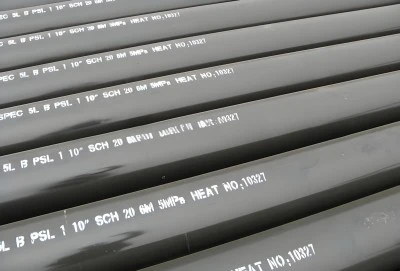
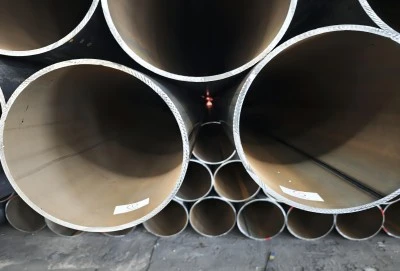
API 5L Grade B Pipe Specifications
The American Petroleum Institute made the API 5L standards, which guide how line pipes for the oil and gas businesses are made. Grade B is the base level of strength in this standard structure. It provides solid performance for gathering lines, transmission pipes, and water conveyance systems that don't need very high-strength alloys because they are too expensive.
Definition and Standard Compliance
Multiple standards that work together to make sure that API 5L Grade B pipes can be used anywhere in the world are met. In addition to meeting the main API 5L standard, these pipes also meet the technical requirements of ASTM A106 Grade B and ASTM A53 Grade B in terms of their chemical makeup and mechanical properties. ISO 3183 accepts the same material as L245, which makes it easier to buy things and follow the rules in other countries. European engineers use EN 10208 to list goods that are the same. This ability to work with multiple standards makes it easier to work on projects across borders where different legal systems meet.
Product Specification Levels: PSL1 vs PSL2
We have both PSL1 and PSL2 versions to meet the needs of any job. PSL1 is the normal quality level, and it has basic chemical and mechanical testing procedures that can be used for most situations. PSL2 has tougher rules, like Charpy V-notch impact tests being required, chemical composition tolerances being tighter (especially lower sulfur and phosphorus content), and all welds having to be fully non-destructively inspected. Even though they cost a little more, PSL2 specs are worth it for projects that work in low-temperature settings or need better fracture hardness.
Chemical Composition Parameters
Grade B's managed chemical makes sure that it will work as expected and can be welded in the field. The highest amount of carbon in PSL1 is 0.28%, while in PSL2 it is usually 0.26% or less. This gives the material enough strength without making it less flexible. Adding up to 1.20% manganese makes the material harder and more strong. The highest amount of phosphorus and sulfur that can be present is still 0.030% for each. This keeps worries about hot shortness and brittleness to a minimum. This balanced mix lets you weld without having to pre-heat in most normal situations. This cuts down on installation time and labor costs during field assembly.
Mechanical Properties and Performance Characteristics
The tensile strength of Grade B pipes is between 415 and 655 MPa (60,200 to 95,000 psi), and the yield strength must be at least 245 MPa (35,500 psi). Elongation requirements—usually a minimum of 23% for PSL2 specimens—make sure that the material is flexible enough for cold making and folding. The material is very hard to break, especially in PSL2 configurations where performance must be proven through impact tests at temperatures below the stated service temperatures. These technical features make sure that pipes can handle changes in internal pressure, loads from the ground, and working stresses that they will face over many years of service.
Manufacturing Types: Seamless vs. Welded
We make Grade B pipes in a number of different ways, depending on the needs of the purpose. When solid billets are hot-pierced, seamless pipes are made. These pipes have a uniform microstructure that makes them perfect for high-pressure service above 10,000 psi. Electric Resistance Welded (ERW) pipes have a diameter of up to 24 inches, Longitudinal Submerged Arc Welded (LSAW) pipes have a diameter of 16 to 60 inches, and Spiral Submerged Arc Welded (SSAW) configurations are for large-diameter, moderate-pressure uses. To meet API 5L requirements, each way of making something goes through strict quality checks.
Dimensional Range and Availability
Standard pipe sizes range from 1.5 inches to 48 inches, and for big transmission projects, a special mill can reach 60 inches. You can choose wall thicknesses from Schedule 10 to XXS (extra extra strong), which can handle pressures from 150 psi to over 2,500 psi. Length requirements are usually based on Random Length (18–25 feet), Double Random Length (38–45 feet), or special cut-to-length needs that match your building plans. This dimensional flexibility lets exact matching to hydraulic calculations and route topography happen without cutting too much grass or making too much trash.
API 5L Grade B Pipe Manufacturing and Quality Standards
Premium api 5l gr b pipe suppliers are different from common suppliers because they follow strict manufacturing processes and thorough testing schedules. Knowing about these quality steps helps protect project timelines and procurement expenses.
Manufacturing Process Overview
Our factories use controlled making and welding processes to change high-quality raw materials that come from reputable mills like Shagang, HBIS, and Bao Steel. Plate checking, edge cutting, and precision forming on JCO or U-O presses are the first steps in making an LSAW. Internal and exterior submerged arc welding makes full-penetration joints that are checked right away with ultrasound. For ERW pipes, high-frequency induction welding is used first, and then the weld seam microstructure is normalized with heat treatment. Before going to the testing sites, each pipe is checked for its dimensions, straightened, and has its ends beveled.
Heat Treatment Procedures
Post-weld heat treatment (PWHT) improves the qualities of the weld zone by lowering leftover stresses and smoothing out the grain structure. Normalizing cycles, which involve heating to 900–950°C and then cooling with air, make the mechanical properties of the base metal and weld sections more regular. This thermal processing is especially important for PSL2 standards that need hardness that can be predicted under Charpy impact. Our computer-controlled heaters keep exact temperature profiles and keep full records so that you can track the quality.
Comprehensive Quality Control Protocols
Buyers have every right to expect a thorough check that proves safety and compliance with regulations. Our quality control includes many levels of checks that find problems before they are sent out. At every stage of production, these are the main checking methods we use:
- Hydrostatic Testing: The inside of each pipe is pressed up to 60% of its minimum yield strength. The pressure is usually held for 5 to 10 seconds while the pipes are checked for leaks or structural damage. This proof test checks the stability of the lengthwise weld and the general soundness of the pipe body.
- Non-Destructive Testing (NDT): Ultrasonic Testing (UT) looks at the whole length of the weld seam and can find cracks in the metal down to 1.5 mm in thickness. Radiographic Testing (RT) makes lasting film records that can be used in important situations. Magnetic Particle Inspection (MPI) finds cracks that break through the surface.
- Dimensional Verification: Outside width, wall thickness, and ovality are measured by automated laser devices at several cross-sections. Tolerances listed in API 5L Table 6 are confirmed through measurements, which makes sure that everything fits right during field welding operations.
- Mechanical Testing: To check the yield strength, tensile strength, and elongation, tensile examples are taken from pipe sections and weld cracks. It is ductile if it can be flattened and bent. Charpy V-notch impact testing at certain temperatures is part of PSL2 orders.
These detailed rules make sure that every pipe that leaves our plant meets or goes beyond what is required by API 5L. This keeps your project safe from expensive fails in the field and delays in the schedule.
Practical Applications and Installation Tips for API 5L Grade B Pipes
Knowing how to build a pipeline correctly and how it will be used in real life will help it last as long as possible and work reliably.
Primary Industry Applications
Grade B lines are used in many areas that need reliable structures for moving fluids. Onshore gathering systems move oil and gas from wellheads to processing plants. The pipes in these systems can handle formation fluids that are acidic and changes in pressure. Grade B's ability to fight tiredness during constant cycling is important for high-pressure water injection networks that improve oil recovery. Strength and cost-effectiveness work well together in municipal water transportation lines that run for hundreds of miles. In factories that make things, these lines are used to carry process fluids, cool water, and compressed air in places where pressures are modest.
Welding Best Practices
The right way to weld has a direct effect on the long-term stability of the api 5l gr b pipe and its operating safety. The ends of pipes are precision machine beveled with an included angle of 30 to 37.5 degrees and a root face of 1.5 to 3 mm. This makes it easier to go all the way through. If you follow the approved Welding Procedure Specifications (WPS), Shielded Metal Arc Welding (SMAW), Gas Metal Arc Welding (GMAW), and Flux-Cored Arc Welding (FCAW), all of these methods will give you good results. How much preheating is needed depends on the carbon equivalent, the temperature of the room, and the thickness of the walls. Most Grade B installs can go ahead without preheating when the temperature is above 0°C. Before backfilling or starting up, the quality of the joint is checked visually after the welding process, with dye penetrant testing and x-rays.
Corrosion Protection Strategies
External rust is the main way that underground carbon steel pipes break. We have a number of coating methods that can be used depending on the dirt and the project's budget. Three-layer polyethylene (3LPE) is made up of an epoxy primer that is fused together, a glue copolymer, and a polyethylene topcoat. It provides better electrical insulation and mechanical safety. Fusion-bonded epoxy (FBE) is a cheap way to keep things in safe places. Hot-dip galvanizing works well for sites above ground and in marine environments. Cathodic protection devices, like sacrificed anodes or impressed current, work with coverings to stop electrochemical corrosion. Using pipeline inspection gauges and direct current voltage gradient ways to do regular coating integrity surveys finds coating holidays that need to be fixed before metal loss happens.
Maintenance and Inspection Programs
Proactive care keeps things in good shape and extends their useful life. Smart pigs, which are inline inspection tools, move through pipes on a regular basis to measure wall thickness, find cracks, and make a map of the state of the coating without stopping service. External inspections are done at high-consequence areas, above-ground bridges, and valve stations to check the state of the coating and find damage caused by third parties. As pipes get older, they need to be tested for structural stability more often, usually every 5 to 10 years. rust tracking programs keep an eye on the chemistry of the fluid, writing down how well the inhibitors are working and finding problems that need to be fixed before internal rust gets too bad.
Conclusion
API 5L Grade B pipe standards have been used for years to build infrastructure around the world that moves oil, gas, and water. For cross-country gathering and transmission systems, procurement managers, pipeline engineers, and project workers always choose this grade because it has the right amount of strength, weldability, and cost-effectiveness. Understanding the differences between PSL1 and PSL2 variants, spotting signs of poor production quality, and using the right fitting methods will guarantee the project's success. Working with qualified makers who offer full testing and paperwork will protect your investment for decades, whether you're looking for seamless pipes for high-pressure service or welded configurations for large-diameter transfer.
Partner with a Trusted API 5L Grade B Pipe Manufacturer
With premium-quality api 5l gr b pipe made to stringent international standards, Longma Group is ready to assist you with your pipeline building projects. Since 2003, we've sent more than 1,000,000 tons to builders and engineering firms in more than 90 countries every year. Our steady quality and quick service have earned us a reputation for excellence. Our LSAW and ERW facilities make pipes with diameters ranging from 1.5 to 60 inches. These pipes are approved to meet API 5L PSL1 and PSL2 standards and come with full documentation sets that include MTC, ITP, and MPS reports. We only buy high-quality raw materials from reputable mills like HBIS and Bao Steel. This way, we can track everything from the steel coil to the finished product. In addition to supplying pipes, we also offer services that add value, such as beveling, coating application (3LPE, FBE, and galvanizing), and transportation management. Get in touch with our technical team at info@longma-group.com to talk about the details of your project and get a full quote from a dependable api 5l gr b pipe provider that wants you to succeed.
FAQ
What distinguishes PSL1 from PSL2 for API 5L Grade B pipe?
PSL2 is a stricter standard that requires Charpy V-notch impact tests to make sure the material is tough enough to break at certain service temperatures. Under PSL2, chemical makeup limits get tighter. Sulfur and phosphorus are especially limited to cut down on flaws that make the material less flexible. Non-destructive testing has to be done on the whole length of the weld, not just a small part of it as allowed by PSL1. PSL2 is usually required for projects that work in low-temperature areas, high-consequence areas, or areas that are closely watched by regulators to make sure there are extra safety gaps.
Can Grade B pipe serve sour service environments?
In places where hydrogen sulfide levels are higher than what is allowed by NACE MR0175 and ISO 15156, standard API 5L Grade B does not immediately qualify for sour service. For sour service uses, extra tests are needed to check for Hydrogen Induced Cracking (HIC) protection and Sulfide Stress Corrosion Cracking (SSCC). To meet these needs, mills can make Grade B with controlled chemistry and processes, but buyers must make it clear that they need sour service compliance instead of thinking that normal Grade B will do. Applications for sweet service jobs that don't need H2S go straight to normal grade B without any extra requirements.
How does API 5L Grade B compare to ASTM A106 Grade B?
The chemical make-up and mechanical qualities of these standards are very similar, but they are meant to be used for very different things. API 5L is all about pipeline transmission systems that stress weldability and crack toughness for moving large amounts of fluid over long distances. ASTM A106 is for pressure pipe systems in power plants and processing plants, especially those that are used in high-temperature situations up to 400°C. Another difference between these standards is that A106 requires seamless manufacturing, while API 5L accepts soldered pipe. When project managers choose pipes, they choose API 5L for cross-country pipes and ASTM A106 for plant pipes.