
When buying line pipes for important infrastructure projects, procurement workers should know that API 5L X42 pipe is the same as a number of widely recognized alternatives. ISO 3183 L290 is the most exact comparable. The number 290 MPa (equivalent to 42,000 psi) in the name means that the minimum yield strength is met.
According to European standards, the material is called EN 10208-2 L290, and according to Chinese standards, it is called L290. This grade is known as STPG 370 in Japanese standard JIS G3457, and related specs are called St 42 in German standard DIN 17172. These equivalents have similar mechanical qualities, chemical makeups, and suitability for use. This means that procurement managers can use them instead of different materials in different legal settings without affecting the purity of the project.
Knowing how these grade numbers relate to each other makes sure that you meet area requirements and keep up with material performance standards that are important for oil, gas, and industry transportation systems.
|
|
|
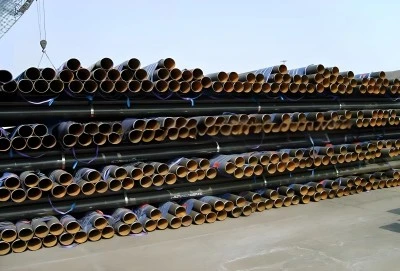
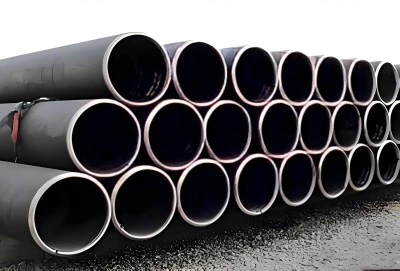
API 5L Grade X42 Technical Specifications
The API 5L design was made by the American Petroleum Institute to make the process of making line pipes for the oil and gas businesses more consistent. In this system, API 5L X42 pipe is a specific classification. This name has become the standard in the industry for moderate-pressure transmission uses that cover several countries.
Chemical Composition Requirements
Pipes made of carbon steel that meet API 5L X42 standards have to stay within strict chemical limits that decide how well they can be welded, how tough they are, and how resistant they are to rust. The carbon percentage is usually between 0.24% and 0.28%, which gives the material enough strength without making it less flexible. Manganese amounts between 1.10% and 1.30% make the material harder and stronger when it is pulled apart. The amount of phosphorus and sulfur in the metal is tightly limited—usually below 0.025% and 0.015%, respectively—so that it doesn't become weak or crack when it's welded. Silicon content, which is usually around 0.30%, helps deoxidation happen when steel is being made. The right mix of alloying elements makes a material structure that works best in moderate-pressure situations and doesn't cost too much.
There are different quality control limits for PSL1 and PSL2 guideline levels. PSL2 has stricter rules on chemical makeup, especially for carbon equivalents, which change how hard the weld zone is and how easily hydrogen can cause cracks. When choosing materials for sour service conditions or low-temperature uses that can't skimp on crack toughness, this difference becomes very important.
Mechanical Properties and Performance Characteristics
The load-bearing capacity of API 5l X42 pipe is set by its minimum yield strength of 290 MPa. Its tensile strength is usually between 415 MPa and 565 MPa. This ratio of yield strength to tensile strength gives pressure tanks and transmission lines enough room for error when they are loaded and unloaded repeatedly. Elongation percentages, which are usually higher than 21% for longitudinal examples, show how flexible the material is and how well it can handle installation pressures without breaking.
Charpy V-Notch impact testing is required for PSL2 standards. This tests how much energy is absorbed at 0°C or temperatures that are specific to the project. This test shows how resistant the material is to breaking into small pieces when heated up. This is important for pipes that run through areas where temperatures change a lot from season to season. Normalization and tempering are two types of heat treatment that improve the structure of the grains so that the mechanical properties are best across the whole length of the pipe wall.
International Standard Equivalents
In order for materials to be compatible across foreign lines, you need to know what "equivalent grade designations" mean. The chemical and mechanical properties of ISO 3183 L290 pipes made to this standard are almost the same, which makes straight substitution easier in international projects. The European EN 10208-2 L290 standards are very similar to the API 5L standards. However, the testing methods may be slightly different when it comes to how often nondestructive tests are done and what the acceptance factors are.
Asian norms are different in important ways. Japanese JIS G3457 STPG 370 pipes have similar strength specs, but the impact values may be tested at different temperatures. As manufacturing skills grow, Chinese GB/T 9711 L290 has become more popular because it offers cost savings while still meeting core performance standards. To make sure that project specifications built around API 5L standards are met, procurement pros must make sure that foreign manufacturers provide the right paperwork, such as material test certificates and third-party inspection reports.
How to Identify True API 5L Grade X42 Equivalents in the Market?
It can be hard to tell the difference between certified goods and low-quality materials that don't have the right quality paperwork in the global steel pipe market. Teams in charge of buying things need to set up checks to make sure that the API 5L X42 pipes they get meet the needs of the project and all government rules.
Quality Assurance and Testing Protocols
Authentic API 5L X42 pipes go through a lot of tests before they leave the factory. During hydrostatic testing, each length of pipe is put under pressures that are higher than the minimum yield strength. Usually, 100% of the stated pressure is held for a set amount of time. This test makes sure that the pipe body and welding seams are structurally sound.
Ultrasonic testing can find laminations, inclusions, and metal fusion problems that can't be seen with the naked eye. Manufacturers of pipes use automatic UT devices to check all welded seams on ERW, LSAW, and SSAW pipes. The X-ray imaging of weld zones and pipe ends during a radiographic study adds to the quality assurance for important uses by showing volumetric flaws.
Tensile tests, flattening tests, and Charpy impact tests are destructive tests that are done on representative samples to confirm the mechanical qualities. The material test papers that show these results must include specific heat numbers that can be linked to the original production records at the steel mill. Optical emission spectrometry study of the alloy's chemical makeup shows that it meets the requirements of the specification.
Supplier Credibility and Brand Recognition
Manufacturers that have been around for a while have quality management systems that are approved to ISO 9001 standards. This shows that they have regular control over the production process. Longma Group and other companies like it have API 5L certification, ISO 9001 Quality Management Systems certification, and workplace health and safety certifications that show they are dedicated to making the best products possible. Annual production capabilities of more than 1,000,000 tons show that the business is on a large enough scale to support steady quality and on-time deliveries.
When evaluating a seller, the sources of the raw materials should be looked at. Reliable manufacturers only get steel coil from big integrated mills and not from secondary suppliers. In-line heat treatment systems and automatic inspection tools in manufacturing facilities show that they have the technical skills to meet global quality standards. Transportation times are cut down when cities are close to major shipping hubs. This is especially helpful when building plans are tight.
Practical Applications and Advantages of Using API 5L Grade X42 and Its Equivalents
API 5L X42 pipe is used in many different businesses that need to move fluids reliably under moderate temperatures and pressures. Understanding the benefits that are unique to a certain application helps buying teams choose materials that are best for meeting business needs.
Oil and Gas Transmission Infrastructure
API 5L X42 is a good choice for midstream gathering systems that get output from wellheads because it has the right amount of pressure capacity and installation options. The material can handle normal pressures in a gathering system that range from 600 to 1,000 psi and can bend enough to adapt to changes in the ground. When cross-country transmission lines are working at low speeds, they use API 5L X42 because it is cost-effective and doesn't have the extra strength that higher-grade materials do.
Offshore flowlines that connect underwater completions to production platforms use PSL2 X42 pipes, which have been tested for toughness at low temperatures using Charpy. The material doesn't break easily when the temperature changes from normal ocean to hot process fluids. Three-layer polyethylene coating methods protect against rust in salt water, which means they last longer than 25 years with little upkeep.
Water Distribution and Industrial Transport
API 5L X42 pipes covered with cement mortar or fusion-bonded epoxy are used by municipal water systems to distribute cleaned water under 150 to 300 psi pressure. It is strong enough and doesn't cost too much, so it can be used for large-diameter trunk mains that run miles of distribution network. Inside rust is stopped by cement covering, and water quality standards are kept up for more than 50 years of use.
API 5L X42 is used for plant pipe networks in factories that move process fluids, cooling water, or firewater. The grade works with common pipe sizes from SCH 10 to SCH 160 and lets you choose the wall thickness that best fits your hydraulic estimates for a range of flow rates and pressure drops. API 5L X42 welding methods are still simple, which makes installation easier in the field and cuts down on building time compared to specialty alloys that need complicated heat treatment.
Structural and Piling Applications
API 5L X42 pipes are used in construction projects as structural beams and bracing members because they are strong for their weight. Standard structure links can be made with welding or mechanical fittings, so the material fits right in with standard building methods. Offshore platforms use big API 5L X42 pipes as foundation piles that are driven through the sediments on the bottom. The strength and toughness of these pipes allow them to survive driving pressures and long-term cyclic loading.
The benefits go beyond the material's instant qualities and include things like its long-term use. When compared to higher-strength types that tend to heat-affected zone harden, moderate carbon content makes repair welding easier. Maintenance teams do repairs in the field using normal welding techniques, which don't require a lot of preheating time that makes emergency situations harder to handle. These useful factors add up to lower starting costs, but raise the total cost of ownership over many years of use.
Procurement Guidelines for API 5L Grade X42 and Its Equivalents
To get the best results on a project while still meeting quality and compliance standards, strategic purchase of line pipe materials needs to be coordinated across technical, logistical, and financial dimensions. A reliable API 5L X42 pipe procurement strategy focuses on rigorous documentation and supplier verification.
Supplier Selection and Inventory Management
Finding sources and keeping enough stock on hand stops project delays caused by longer wait times for manufacturing. Longma Group keeps a large stock of common specs, so they can deliver standard setups like ERW and LSAW pipes from 6 meters to 18 meters in length within seven days. This responsiveness is very helpful when building plans get squished or when unexpected problems mean that materials need to be replaced right away.
Suppliers' production skills should meet the needs of the project. For small orders, distributors with a wide range of products are best, while big contracts that need thousands of tons of material should be bought directly from mills. Value-added services from suppliers, such as beveling, threading, coating application, and custom length cutting, lower the costs of handling further down the line and make it easier to coordinate transportation.
Documentation and Compliance Verification
Complete paperwork packages are the basis for making sure that engineering projects are of high quality. Material test certificates must list exact heat and lot numbers, which lets you track back to the original steel production. API 5L certification shows that a producer meets the standards of the specification and agrees to be supervised by the API quality program.
Engineers can look over mill test records that show the chemical makeup, mechanical qualities, and results of nondestructive tests before the goods are shipped. Project owners can be sure that quality control will be carried out properly when inspection and test plans include hold places for testing by a third party. Specifications for manufacturing procedures list welding parameters, heat treatment cycles, and quality checks. This lets expert teams make sure that the controls for the process meet the standards of the project.
Logistics and Cost Optimization
A big part of the cost of shipped pipes is the freight, especially for shipments across foreign borders. When suppliers are close to important ports, inland transportation lengths are cut down, which lowers costs and the risk of damage during transit. Break-bulk boats are more cost-effective for moving large-diameter materials than containers for smaller diameter lines.
When you place your order affects the price; makers offer better rates for production that happens during slow times. When you combine purchases made at different stages of a project, you can get bulk savings and keep track of your inventory costs. The terms of payment affect cash flow. Letters of credit protect both the buyer and the seller by tying formal controls to quality verification milestones.
Conclusion
API 5L X42 pipe and its foreign counterparts, especially ISO 3183 L290, are important parts of the world's energy infrastructure and industrial transportation systems. The grade has the right mechanical qualities for moderate-pressure uses while still being cost-effective, which is important for big projects. Knowing the same names for things in different regions helps procurement workers find materials that meet project requirements, no matter where they were made, which increases supplier choices and makes prices more competitive. Thorough quality control through thorough testing and review of all paperwork guards against low-quality materials that threaten operational safety and project costs. When strategic buying practices are used, they look at things like supplier skills, transportation optimization, and lifecycle costs to get the best value while still meeting engineering specs and government rules.
FAQs
What distinguishes PSL1 from PSL2 specifications for X42 pipes?
PSL2 standards require Charpy V-Notch impact tests to be done at certain temperatures and with tighter chemical composition limits. Maximum yield strength limits keep API 5L X42 pipes from becoming too hard, which makes field welding more difficult. These stricter requirements are better for uses that need stronger resistance to breaking and better weldability than PSL1's normal quality standards.
Can X42 pipe serve in sour service environments?
For sour service uses having hydrogen sulfide, standard API 5L X42 needs to be changed. Annex H or NACE MR0175/ISO 15156 compliance must be mentioned in the procurement specs. This makes sure that the materials have a low sulfur level and inclusion rules that stop hydrogen from cracking them. When these extra needs are mentioned when placing an order, manufacturers change the production conditions to meet them.
How does wall thickness selection affect project costs?
Because API 5L X42 is stronger than Grade B, it can have thinner walls. This means that less material is needed, which lowers the cost of buying it and transporting it. When engineers do estimates, they weigh the needs for internal pressure against corrosion limits and mechanical loads to find the best wall thickness. This is especially important for projects that need thousands of tons of line pipe.
Partner with Longma Group for Certified API 5L X42 Pipe Solutions
Longma Group has been making high-quality API 5L X42 pipe for 20 years, and procurement teams can rely on them. Our ISO 9001-certified factories make more than 1,000,000 tons of steel every year and keep a large stock of ERW, LSAW, and SSAW welding types with widths ranging from 1/2 inch to 80 inches. We only get our raw materials from the best local mills. This way, we can be sure that the quality stays the same from the heat to the finished product. API 5L, ISO 3183, and other similar foreign standards are met through thorough testing methods that include hydrostatic testing, ultrasonic examination, and mechanical property proof.
In addition to manufacturing, we also offer beveling, coating application with 3LPE or FBE systems, and full paperwork packages that include test certificates for materials, API clearances, and inspection test plans. And our expert team can help you choose the best grade for your needs. Get in touch with our purchasing experts at info@longma-group.com to talk about your project needs with a reliable API 5L X42 pipe maker that cares about quality, safety, and quick customer service. You can see all of our products and licensing paperwork at longma-group.com.