
It is very important to know how materials compare between different foreign standards when you are looking for high-strength pipeline materials for oil and gas transfer, water supply systems, or building offshore platforms. In international infrastructure projects, API 5L X70 pipe is a premium-grade standard that is widely used. The ASTM standards that are most like API 5L X70 are ASTM A671 CC70 and ASTM A672 CC70 for welded pipes that are used in both low and high temperatures. The mechanical qualities of these ASTM grades are the same as those of X70. They have a minimum yield strength of 485 MPa (70,300 psi) and a minimum tensile strength of 570 MPa. Knowing these similarities helps procurement managers deal with standards that don't follow the same standard, while still making sure that projects follow the rules and materials aren't tampered with in different legal settings.
|
|
|
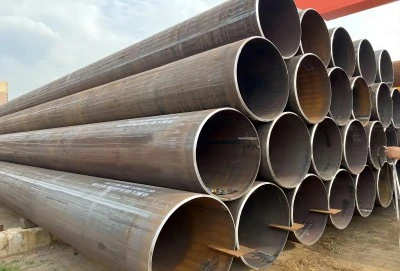
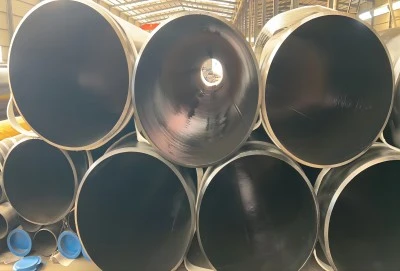
Equivalent ASTM Standards to API 5L X70: What You Need to Know
To work in global procurement, you need to be able to use a lot of different standards systems. API 5L rules cover line pipe used in the oil and gas businesses, but ASTM rules cover a wider range of materials that can be used in similar ways. Recognizing similar grades stops specification disagreements and gives suppliers more choices during the bidding process.
Primary ASTM Equivalents for X70 Grade
For uses involving electric-fusion-welded steel pipe, ASTM A671 CC70 and ASTM A672 CC70 are the most exact equivalents to API 5L X70 pipe. The "CC70" name in these ASTM standards means that the minimum yield strength is 70,000 psi, which is the same as the basic strength requirement of X70 pipe. ASTM A671 is for service in air conditions and at lower temperatures, while A672 is for service in mild and high temperatures. Both standards set similar limits for chemical makeup and mechanical properties. This makes it easier to switch materials when project codes use ASTM specifications instead of API specifications.
Comparing Scope and Application Frameworks
API 5L is only concerned with line pipe used in the natural gas and fuel businesses to move gas, water, and oil. It includes choices for seamless pipes as well as pipes with horizontal and helical seams. ASTM frames cover a wider range of pressure pipes used in chemical processing, power plants, and other industry settings. Because of this wider range, ASTM counterparts may meet API requirements, but it is now necessary to check for other standards as well. As long as the material has the right certifications, project requirements that use ASME B31.4 or B31.8 pipeline rules will usually accept ASTM A671/A672 CC70 as the same as API 5L X70 pipe.
Certification and Traceability Considerations
In high-stakes pipeline projects, it is essential that materials can be tracked from the test reports at the mill to their final installation. Procurement teams must ensure that API Spec Q1 quality control systems or similar ISO 9001 certifications are in place before sourcing API 5L X70 pipe or ASTM equivalents. Longma Group follows strict tracking rules and only buys raw materials from trustworthy Chinese mills like Shagang, Shangang, TISCO, and Bao Steel. Each piece of pipe is marked with a unique number that corresponds to a heat number and a mill test certificate. This makes it possible to keep track of the material's history all the way through the supply chain.
Checking chemical analysis reports, mechanical test results, and non-destructive examination records makes sure that the material is real, no matter if the requirements are based on API or ASTM standards. Third-party inspection agencies often check production facilities to make sure that the ways things are made are in line with approved quality management systems. This gives engineering workers and plant equipment managers extra peace of mind.
API 5L X70 Pipe vs Other Grades & Materials: Decision-Making Insights
Choosing the right materials has effects on the cost of the job, the safety of operations, and the need for long-term upkeep. When you compare API 5L X70 pipe to nearby grades and other materials, you can see when the higher power is worth the extra cost and when lower grades are enough.
Comparison with API 5L Grades Next to It
The minimum yield strength of API 5L X65 pipe is 65,000 psi (448 MPa), which puts it just below API 5L X70 pipe in terms of strength. The 7% drop in strength means that the walls need to be bigger to hold the same amount of pressure, which raises the cost of materials and the cost of work for welding. However, the X65 specs loosen up some science limits a bit, which could lower the cost of raw materials. When the wall thickness doesn't get in the way of installation, X65 is a cost-effective option for moderate-pressure uses that doesn't greatly lower safety limits.
On the other hand, API 5L X80 pipe has a minimum yield strength of 80,000 psi (552 MPa), which means that the walls can be lowered even more than with API 5L X70 pipe. This strength benefit is useful for large-diameter transmission lines, where the weight of steel directly affects the costs of shipping and setting up the lines. Still, X80 standards require more stringent controls over chemistry and stricter procedures for welding. This means that welding teams need to be more skilled and quality control procedures need to be more strict. Fittings and flanges of grade X80 are still harder to find than those of X70 pipe, which could make buying more difficult and cause project timelines to slip. API 5L X70 pipe strikes the perfect mix between providing significant strength improvements over X65 and escaping the process difficulties and supply chain problems that come with X80.
Alternative Material Considerations
Carbon steel lines made to ASTM A53 or A106 standards can be used for lower-pressure tasks, but they are not strong enough to handle high-pressure transfer. Their lower cost per ton doesn't matter when the wall thickness needs to be higher than what can be handled and welded in the field. Choices made of stainless steel are better at resisting rust, but they cost a lot more than choices made of carbon steel. When it comes to oil and gas transmission, carbon steel with the right coating methods is more cost-effective over its lifetime than stainless steel options.
Lifecycle Cost Analysis
If you only look at the original buy price when choosing a material, you might miss important lifecycle factors. When compared to lower-grade options that need heavier walls, API 5L X70 pipe strength allows for thinner walls, which cuts down on welding supplies, shortens production times, and lowers shipping costs. These practical savings often make up for the small extra cost of X70 pipe material. Rust protection systems, like three-layer polyethylene (3LPE) coatings, make all grades last longer, but X70 pipe's higher toughness and stress resistance protects even more against cracks spreading from rust pits or damage caused by installation.
Sourcing and Procurement Best Practices for API 5L X70 Pipes
Effective buying strategies keep risks to a minimum while improving performance in terms of cost and service. To be successful at buying, you need to look at sources in more than just terms of unit price.
Supplier Certification and Quality Systems
Finding approved makers is the first and most important thing that needs to be done to lower risk. We suggest giving priority to providers who have current API 5L X70 pipe monogram licenses and can show that they follow the quality management standards in API Spec Q1 by having regular checks by the American Petroleum Institute. The ISO 9001 certification checks the basic quality system, and the ISO 14001 and ISO 45001 certificates show a dedication to protecting the environment and keeping workers safe. Along with Factory Production Control certification, Longma Group has many other certifications, such as API 5L, ISO 9001:2016, ISO 14001 for environmental management, and ISO 45001 for health and safety at work.
Lead Time Management and Logistics Planning
Standard wait times for making API 5L X70 pipe range from 6 to 12 weeks, based on the diameter, wall thickness, and amount needed. When manufacturers keep popular sizes in stock, shipping times can be cut down by a lot. Longma Group offers fast shipping choices with lead times as short as seven days for common configurations. This lets them respond quickly to urgent project needs or plan changes. Knowing how much a factory can make and how long it takes to plan production cycles helps buyers time their orders to coincide with mill production runs. This could help them get better prices by committing to more production.
Pricing Dynamics and Negotiation Strategies
Steel prices change based on the cost of raw materials, the cost of energy, and the demand cycle in the market. Setting up basic deals with clear price rules can help control volatility. Tiered pricing can be used when customers commit to a certain amount of work over multiple project stages. Manufacturers can also make the most of flexible delivery plans to improve efficiency and pass those savings on to customers. Transparent communication about project timelines and possible changes in amount builds creative supplier relationships that are better able to handle market volatility than transactional ones.
Conclusion
Procurement pros can easily handle foreign specifications while upholding material performance standards by understanding ASTM equivalents to API 5L X70 pipe. The grade has a yield strength of 70,000 psi, and ASTM A671 CC70 and A672 CC70 are exact substitutes. When choosing a material, it's important to think about its technical qualities, as well as its use, cost, and how it will be delivered. Working with qualified makers who have full quality system certifications and a history of producing goods in a reliable way lowers the risks of buying things and makes sure that deadlines are met. Rigid testing methods, full tracking paperwork, and open relationships with suppliers are what make it possible for projects to be completed successfully around the world in areas like oil and gas transfer, water supply systems, and offshore platform construction.
FAQs
Can ASTM A671 CC70 directly substitute for API 5L X70 in pipeline projects?
The basic strength standards of API 5L X70 pipe are met by ASTM A671 CC70, making it useful for a variety of applications. But what is acceptable is decided by the project specs and the relevant rules (ASME B31.4, B31.8). Before you replace something, make sure that any extra standards, like impact tests, chemical makeup limits, and quality system certifications, are in line with what the project needs.
What testing confirms X70 pipe quality before shipment?
Tensile testing, Charpy V-notch impact testing at certain temperatures, hydrostatic pressure testing to 90–95% of yield strength, acoustic examination of the whole pipe body and welds, and radiographic examination of the weld joints are all part of comprehensive testing. Using optical emission spectrometry to do a chemical study on micro-alloying elements proves that they meet the requirements.
How does PSL1 differ from PSL2 for X70 grade?
PSL2 standards require tighter limits on chemical composition to make it easier to weld. They also require notch toughness tests, limits on yield-to-tensile ratios, and better tracking. API 5L X70 pipe is almost always bought as PSL2 because high-pressure transmission uses need extra quality assurance that PSL1 standards don't offer.
Partner with a Trusted API 5L X70 Pipe Manufacturer
To get reliable API 5L X70 pipe with ASTM equivalents, you need to work with makers who can show that their products are of stable quality and have all the necessary certifications and customer service. With more than 1,000,000 tons of yearly production and deliveries to more than 90 countries, Longma Group is a top supplier. Our ISO 9001:2016 quality control systems, API 5L approval, and full traceability from raw materials from Shagang, TISCO, and Bao Steel all make sure that specifications are met throughout production. We can tailor our manufacturing services to your project's needs, including welding, expanding, and applying anti-corrosion coats (3LPE, FBE). Delivery can be sped up to seven days. Get in touch with our technical team at info@longma-group.com to talk about your unique needs, get full quotes, and get expert help with your next pipeline project's ASTM equivalencies.