
The American Petroleum Institute set strict quality standards for pipes that carry oil, gas, and water for important building projects around the world. These standards are called API pipe standards. One of these is the API 5L X56 pipe, which is made of carbon steel and has a minimum yield strength of 56,000 psi (about 386 MPa). This makes it essential for hard uses in offshore platforms, cross-country pipelines, and industrial manufacturing. When procurement managers and pipeline engineers know about these standards, they can choose materials that meet them and strike a good balance between strength, weldability, and cost-effectiveness for a wide range of project conditions.
|
|
|
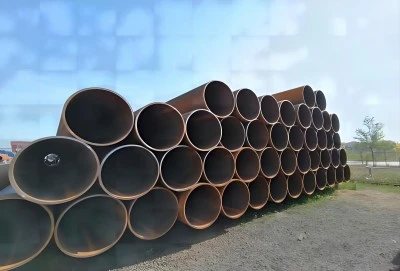
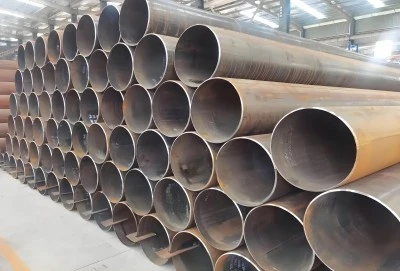
API Pipe Standards: Definition and Importance
API standards were made by the American Petroleum Institute to make quality standards the same in the whole energy industry of the world. API 5L has special rules for line pipes that are used in the oil and natural gas businesses for pipeline transportation systems. This standard works with ISO 3183 to make sure that markets from the Middle East to Southeast Asia and Australia are all the same.
The Scope and Structure of API 5L
API 5L divides steel pipes into two Product Specification Levels, PSL1 and PSL2, based on whether they are seamless or soldered. PSL1 is the basic quality standard that can be used for most pipeline uses. PSL2 has stricter rules about chemical makeup. These include lower limits for Carbon Equivalent, Charpy V-Notch impact tests to check how tough the material is to break, and maximum yield strength caps to keep it from becoming too brittle. This two-level structure makes it easy for project teams to match exact material requirements with practical risk profiles.
Why API Compliance Matters for Your Projects
Following the API 5L guidelines gives real benefits all through the project's existence. Purchasing managers feel better knowing that approved pipes meet safety standards that are known around the world. This lowers their risk of being sued. Engineers can make design calculations and weld process qualifications easier when they know how a material will react to stress. Supply chain workers like that API certification is recognized all over the world, which makes it easier to get governmental approvals and clear customs. In the long run, following these standards reduces the need for upkeep and increases the useful life of assets, which has a direct effect on return on investment.
In-Depth Look at API 5L X56 Pipe Specifications and Properties
API 5L X56 pipes are in a good spot in the grading system because they have strong mechanical features without the higher prices that come with grades like X65 or X70. Because of this balance, they are great for mid-pressure transmission lines and structure uses where going overboard would waste money.
Chemical Composition and Material Science
The chemistry of API 5L X56 pipe steel is carefully managed to make it strong enough to join while still being able to do so. The carbon percentage is usually between 0.22% and 0.28%, which makes the material hard enough without making it less flexible. Manganese, which is generally found in amounts between 1.20% and 1.50%, makes things stronger and tougher by finetuning the grains. When tiny amounts of micro-alloying elements like niobium and titanium are added, they form fine carbides that stop dislocations from moving. This raises the yield strength without raising the carbon equivalent values. This metalworking design makes it possible for X56 pipes to stop cracks from spreading, even in cold places like the north or deep water sites.
Mechanical Properties and Performance Characteristics
In normal gauge lengths, API 5L X56 pipes have a stretch value of more than 20% and a yield strength of at least 386 MPa. Their tensile strength ranges from 490 to 758 MPa. This mix makes sure that pipes can absorb energy during short-term pressure spikes or ground movement without breaking completely. The lower Carbon Equivalent compared to X65 or X70 grades makes field welding easier by lowering the need for preheating and lowering the risk of cold cracking during building in rural areas.
Manufacturing Methods and Quality Assurance
Longma Group makes API 5L X56 pipes by using a variety of welding methods that are specifically designed for each job. Electric Resistance Welding (ERW) can be used on widths up to 24 inches and produces a strong weld under mild pressure. Longitudinal Submerged Arc Welding, or LSAW, can handle widths of up to 80 inches, making it perfect for trunk lines that need walls up to 59.54 mm (SCH160) thick. Sprial Submerged Arc Welding (SSAW) is a cheap way to fix problems with water transportation lines that use lower pressure. Each way of making something is put through a series of thorough tests, such as hydraulic pressure tests, ultrasonic examination of weld joints, X-ray inspection for internal flaws, and tensile and impact tests to confirm the mechanical properties. Our quality control system, which is approved to ISO 9001:2016 and API 5L standards, makes sure that everything can be tracked, from where the raw materials come from to when they are sent out.
Procurement Considerations for API 5L X56 Pipes: Pricing, Supply, and Lead Time
To buy API 5L X56 pipes strategically, you need to know how the market works, what your suppliers can do, and how the logistics of your purchase affect the total cost of ownership.
Current Market Pricing and Cost Drivers
The price of API 5L X56 pipe is based on the cost of raw materials, the difficulty of making it, and the cost of approval. Base steel coil prices change with the global steel market, which is affected by the amount of iron ore and scrap that is available. Forming, welding, heat treatment, and quality checking are all steps in manufacturing that add value. The costs of these steps range between ERW and LSAW methods. API certification, which includes third-party review and preparation of paperwork, adds to the cost but is still required for projects that follow the rules. Buying in bulk usually gets you savings running from 5 to 15%, especially when you buy more than 500 tons or fill up production runs quickly.
Identifying Reputable Suppliers and Manufacturers
China has become the most important place to make API 5L pipes, thanks to its modern fabrication centers and combined steel production. Longma Group is a good example of this because it has 230,000 square meters of working space and can make more than a million tons of goods every year. Our raw materials come from top local mills like Shagang, HBIS, and Bao Steel, so you can be sure that their chemical and mechanical qualities will stay the same. Material Test Certificates (MTC), Manufacturing Procedure Specifications (MPS), and Inspection and Test Plans (ITP) are all important pieces of paperwork that established makers provide that engineering companies need to manage quality checks and regulatory approvals. When looking at different suppliers, make sure that the API certification is real, that the production capacity fits with your release plan, and that the seller has references from similar projects in the area you want to reach.
Understanding Lead Times and Delivery Logistics
Standard API 5L X56 pipe specs, such as typical diameters of 12 to 24 inches and SCH40 or STD wall thicknesses, can ship within seven days from well-known makers who keep stock on hand. Lead times can be three to six weeks longer if you need special heat treatments, non-standard lengths longer than 12 meters, or different end preparations. This depends on how deep the production queue is. It takes longer for goods to get from Chinese ports to the United States by water. Gulf Coast usually takes 25 to 35 days, while places in the Middle East get their containers in 18 to 22 days. Getting suppliers involved early in the engineering stages is a good idea because it helps keep costs down by making sure that production plans are in sync with project building milestones.
Conclusion
API pipe guidelines are the building blocks for safe, dependable pipeline systems that serve the world's water and energy systems. When it comes to mechanical strength, weldability, and cost-effectiveness, the API 5L X56 pipe is the best choice for pipeline engineers and procurement managers who have to deal with complicated project needs. This guide tells stakeholders about specification details, comparative benefits, and best practices for procurement. With this information, they can make decisions that improve project results while keeping costs low. Working with certified manufacturers guarantees getting products that are in line with the rules, along with strict quality control and full expert support.
FAQ
What distinguishes PSL1 from PSL2 in API 5L X56 specifications?
The PSL1 quality level is the standard for most pipeline uses that only need basic chemical and mechanical properties. Tougher controls are required by PSL2. These include lower Carbon Equivalent limits to make welding easier, Charpy V-Notch impact tests to make sure the material is tough enough to break at certain temperatures, and maximum yield strength caps to keep the material from becoming too hard. PSL2 is usually required for projects that move dangerous fluids or work at high pressures to lower risk exposure.
Can X56 pipes handle sour service environments containing H2S?
The standard API 5L X56 pipe isn't always ready for sour service. For hydrogen sulfide applications, you need to select API 5L X56MS with better material cleaning (lower sulfur and phosphorus content) and extra testing according to NACE MR0175 standards to make sure it is resistant to Hydrogen Induced Cracking (HIC) and Sulfide Stress Corrosion Cracking (SSCC). Always look at the material specs and talk to someone who knows a lot about rust engineering before planning for sour situations.
How do lead times vary for custom versus standard specifications?
Standard sizes and wall thicknesses that are kept in stock are shipped within seven days. Lead times can go up to three to six weeks for custom orders that need non-standard sizes, special heat treatments, or different testing methods. This is because of how production schedules and raw material procurement cycles work.
Partner With Longma Group for Certified API 5L X56 Pipe Solutions
Longma Group has been making API 5L X56 pipes for customers around the world since 2003. Our API-certified factories make pipes with diameters ranging from 1/2 inch to 80 inches and wall thicknesses from SCH10 to SCH160. These pipes are made using the ERW, LSAW, and SSAW processes to exactly meet the needs of your project. We only get our raw materials from the best Chinese mills, like Shagang and Bao Steel. This way, we can be sure of the quality, which is backed up by full MTC paperwork and third-party inspection reports. When it comes to choosing the right grade, coating method, and end treatment for your purpose, our research team can help. Competitive price systems can handle jobs ranging from one-of-a-kind small orders to large shipments of more than 5,000 tons. Email our purchasing agents at info@longma-group.com to get specific quotes, look at our list of certifications, or talk about your needs for unique fabrication. With our streamlined production process and well-established logistics network, we can offer API 5L X56 pipe for sale that meets your deadline and goes above and beyond your quality standards. This will help your project succeed from planning to commissioning.








