
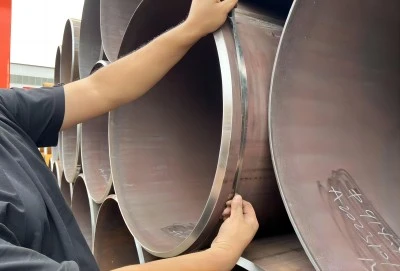
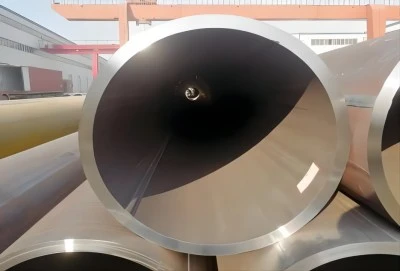
ASTM A672 A55 pipe is a special kind of electric-fusion-welded steel pipe made from pressure-vessel quality plate that meets the requirements of ASTM A516 Grade 55. This type of pipe is used in moderate-pressure situations where cost-effectiveness and weld quality are important, especially in low- to medium-temperature settings that need great weldability. This pipe is used in cooling water circulation lines, low-pressure steam distribution networks, and non-critical process fluid transport where forming and fabrication flexibility is more important than extreme pressure requirements. It is used in power generation, petrochemical processing, and water treatment systems. Because of its controlled carbon content and high toughness, it is especially useful for projects that put installation speed and welding safety ahead of high-temperature service needs.
|
|
|
Understanding ASTM A672 A55 Pipe Specifications and Characteristics
To choose the right piping material, you need to fully understand its technical blueprint. The rules for this pipe grade have a direct effect on the results of the project, from how well it is installed to how reliable it is in the long term.
Chemical Composition and Material Foundation
The number A55 in ASTM A672 A55 pipe means that the plate is made of Series A low-carbon steel, and the levels of carbon and manganese have been carefully controlled to make the lowest carbon equivalent of all the pressure vessel grades. This carefully chosen chemical makes the metal very easy to weld without the need for complicated heat treatment methods after the welding process. The parent material, which is usually ASTM A516 Grade 55 plate, keeps its carbon content between 0.18 and 0.22%, based on the thickness requirements. This makes sure that the fusion properties stay the same during electric-fusion welding methods. This balance of chemicals makes the cold bending and expanding forming processes work better, which is very helpful when building complicated pipe configurations on short notice.
Mechanical Properties and Performance Parameters
A minimum yield strength of 55 ksi (379 MPa) and a tensile strength range of 55 to 75 ksi (380-515 MPa) make up the mechanical profile. These numbers put the material in a lower structural strength level than grades B60, B65, B70, and C60. This means that bigger wall sections are needed for the same working pressure. This trade-off has big benefits, though. It makes the material much more resistant to Charpy impact at room temperature and low temperatures, making it much better than similar grades from Series B and C. The elongation qualities usually reach a minimum of 23-27%, which makes the material very resistant to brittle fracture in pressurised systems that work within its thermal environment.
Manufacturing Process and Heat Treatment
The lengthwise seam is made by electric-fusion welding with the addition of filler metal, which is usually done with submerged arc welding (SAW) methods. This way of making things makes sure that the joints are strong and penetrate deeply, which meets the requirements of the ASME Boiler and Pressure Vessel Code. There are different heat treatment classes that give buyers options. For example, Class 22, which includes a full x-ray and stress relief, refines the grains the most and gets rid of any remaining welding pressures. The great thing about Series A material is that it is flexible. For example, many uses can go ahead without the required post-weld heat treatment, which cuts down on project timelines and costs. This trait is especially useful when changes need to be made to the field during the construction phase.
Dimensional Standards and Tolerance Considerations
Dimensional factors like diameter range, wall thickness variations, and length tolerances have a direct effect on how well a system works and how precisely it is installed. One big benefit is that it can handle larger diameters than seamless pipes can, which makes it possible to make cost-effective options for big fluid transport systems. When choosing a wall thickness, the lower pressure-bearing capacity of the material must be taken into account compared to higher-strength types. This requires engineering estimates that balance mechanical needs with cost concerns. The right size requirements make sure that the piping network's companion flanges, fittings, and support structures work well together.
Typical Applications of ASTM A672 A55 Pipe in Industry
Knowing where this pipe grade gives the most value helps buying workers choose materials that meet the needs of the project and stay within the budget.
Power Generation and Steam Distribution Systems
These pipes are used a lot in power plants for low-pressure steam networks and feedwater return lines where the temperature stays below 340°C. The material is very tough, so it stays strong during thermal cycling events and keeps the integrity of the weld under constant operational stresses. Cooling water circulation systems benefit from the ASTM A672 A55 pipe's ability to fight rust and be shaped, especially in shapes that need to change directions and connect to other pipes. People often use low-carbon pressure vessel steel plates because they are cheap. This saves money on big power infrastructure projects that use thousands of linear meters.
Petrochemical and Process Industries
Chemical processing plants use these lines for non-critical process fluid services where temperatures and pressures are kept at normal levels. Utility water systems, chemical transfer lines with a low concentration, and secondary cooling circuits for primary reaction vessels are all examples of uses. The better weldability properties cut down on installation time in crowded plot plans where complicated routing needs a lot of field welds. Maintenance managers like that there isn't much chance of welding cracking during repairs, which increases system uptime and lowers the cost of responding to emergencies. This material is great for projects that need to be shaped very precisely, like tight-radius bends or expansion joints.
Oil and Gas Midstream Infrastructure
This grade is chosen by pipeline engineers for low-pressure produced water handling, water injection networks, and gathering systems where cost is a factor. It's not good for high-pressure gearbox mainlines, but it works great in support systems for compressor stations and processing plants. Being able to make large-diameter shapes with thick walls allows for efficient fluid transport in assets that are spread out physically. These pipes are used in fire water systems and utility circuits on offshore platforms, where they are lightweight and don't rust, meeting the needs of the structure.
Water Treatment and Municipal Systems
When used in large-diameter distribution mains with low pressures, the material is both durable and cost-effective, which is good for municipal water supply infrastructure. These lines are used in water treatment plants in clarifier systems, filter networks, and residual handling circuits where they are not exposed to chemicals very much. The great cold-bending performance makes installation easier in rough areas without having to do a lot of heated work. This grade is sometimes used in bridge and building structural uses for fluid distribution risers and mechanical system branches. Standardised specs and ready supply speed up the buying process.
Comparing ASTM A672 A55 Pipe with Similar Pipe Grades
To find your way around the competitive world of industrial pipe grades, you need to know how the qualities of a material affect its use and the economy.
ASTM A671 Grade Distinctions
ASTM A671 is for atmospheric and lower-temperature uses, while ASTM A672 A55 pipe is for high-pressure service at moderate temperatures. Both use electric-fusion welding, but the parent material for A672 is better for pressure vessels and has better mechanical traits that meet ASME Code requirements. The difference is important when creating purchase specifications because A671 is better for atmospheric holding tanks from a business point of view, while A672 is better for vessels that are under pressure. Knowing this line stops people from over-specificating, which raises costs without providing any useful benefits.
Comparison with Seamless Alternatives
ASTM A106 seamless pipes have better structural stability because they don't have longitudinal welds, but they cost more, especially when they have big sizes. When used in situations within its pressure and temperature range, the electric-fusion-welded design gives similar performance at a much lower cost. For projects with sizes that are too big for smooth manufacturing, welded pipe grades are necessary. Which option to choose depends on the engineering needs; for example, critical services require seamless construction, while welded alternatives are more cost-effective for secondary systems.
API 5L Line Pipe Considerations
The API 5L standards govern the transportation of oil products through pipelines. These standards focus on different sets of properties than those used in pressure vessels. Even though some chemical makeup are the same, the ways they are made, inspected, and certified are not. The pressure vessel history of the material makes it better for stationary plant piping where ASME Code compliance is necessary. On the other hand, API 5L specifications are most common for cross-country transmission pipelines. Material standards must be in line with the rules that apply to the placement area where the manager is responsible for purchasing the materials.
Strength Grade Alternatives Within A672
The A672 standard includes different levels of strength. The B60, B65, B70, and C-series choices have better mechanical qualities for tough uses. The A55 grade is at the bottom of the list. It has the lowest strength requirements for lower-pressure applications. This tiered method helps keep costs low by perfectly matching the material's abilities to the situations it will be used in, without adding too much complexity. For their unique pressure requirements, projects that want to stay within their budgets should check to see if thicker-wall A55 pipe is more cost-effective than thinner-wall higher-strength options.
Ensuring Quality and Reliability When Using ASTM A672 A55 Pipe
Specification compliance is turned into long-term system performance that justifies the initial investments in procurement through material integrity verification and operational best practices.
Non-Destructive Testing Protocols
Multiple non-destructive testing (NDT) methods are used for comprehensive quality assurance to check the mechanical soundness of the ASTM A672 A55 pipe without damaging it. Radiographic examination finds internal breaks in weld seams, such as porosity, slag inclusions, and incomplete fusion. Ultrasonic testing finds layers and flaws below the surface in the base material and areas that have been heated. Magnetic particle analysis shows cracks in the surface that can't be seen with the naked eye. The Class 22 specification requires that all x-rays be taken, which gives the highest level of confidence in the quality of the weld. These investments in inspections stop catastrophic failures that cause unplanned downtime, environmental releases, and safety incidents that cost a lot of money.
Corrosion Prevention and Maintenance Strategies
Series A material is good at resisting rust for many uses, but protective coatings make it last longer in harsh settings with chlorides, sulphides, or acidic substances. Visual checks, thickness tracking, and cathodic protection verification are all part of routine maintenance plans that find degradation trends before they threaten the integrity of the system. Controlling the chemistry of the water in cooling circuits lowers the rates of oxidation and scale formation, which both lower the flow capacity. When used in cold service situations, proper insulation placement stops corrosion on the outside caused by moisture condensation. By putting off new costs and keeping operations running smoothly, these strategic steps maximise return on investment.
Real-World Performance Case Studies
Industrial uses show how useful the material can be when it is properly specified and installed. Across Southeast Asia, water treatment infrastructure projects have successfully put in place large-diameter systems that move millions of gallons of water every day with little upkeep needed over decades of use. Australia's power plants use these pipes in extra cooling systems that help base-load generators meet their uptime goals and reduce the number of times they have to shut down. In the Middle East, petrochemical complexes use this grade in utility distribution networks that serve process units. The flexibility of the fabrication process allows for changes to the plot plan during expansion phases. These track records give procurement managers confidence as they look at material choices for future projects.
Conclusion
For moderate-pressure uses within certain temperature ranges, ASTM A672 A55 pipe has the best mix of mechanical qualities, fabrication freedom, and value for money. Its Series A low-carbon construction makes it very easy to weld and very tough, which speeds up installation while keeping operational reliability. Knowing the details of the material, how it should be used, how it compares to other options on the market, how to buy it, and the quality control standards it needs helps you make smart choices that balance technical performance with your budget. When projects demand cost-effective pressure pipe solutions without extreme service conditions, this grade deserves serious consideration among engineering teams and buying professionals seeking maximum value.
FAQ
1. What temperature limitations govern ASTM A672 A55 pipe service?
Continuous long-term operation should remain below 340°C (644°F), because mechanical strength drops quickly at temperatures above this level. Temperature changes that last only a short time during startup or upset conditions may go over this limit, but the design calculations must take into account the fact that stresses are lower at higher temperatures. Higher-alloy alternatives with better creep resistance are needed for applications that regularly work above this temperature range.
2. Can this pipe grade accommodate sour service environments?
Standard ASTM A672 A55 pipe material doesn't have any specific sour service qualifications, but extra testing according to NACE MR0175/ISO 15156 standards can prove that it is suitable for environments with hydrogen sulphide. In addition, tests like HIC (Hydrogen Induced Cracking) and SSC (Sulphide Stress Cracking) must be done to make sure the material is resistant to sulphide stress processes. When bad service conditions are present, procurement specs must make it clear that these tests must be done.
3. How does Class 22 designation affect procurement?
Class 22 means that the item has to go through a full x-ray analysis and a stress-relieving heat treatment. This is the highest level of quality assurance in the A672 standard. This category is for critical services where failure would have serious effects that support higher costs and longer lead times. For applications that aren't as demanding, alternative classes that offer a smaller inspection scope or don't require heat treatment can save money.
Partner with a Trusted ASTM A672 A55 Pipe Manufacturer
With full manufacturing skills covering LSAW and ERW production technologies, Longma Group is ready to meet your pressure piping needs. Our buildings cover an area of 230,000 square meters and have high-tech heat treatment tools and testing systems that make sure every order for ASTM A672 A55 pipe meets the requirements. As a long-standing supplier that works with customers in over 90 countries, we know what kinds of paperwork, quality standards, and delivery times are needed for B2B procurement partnerships to work. Together with our clients, our engineering team chooses the best materials, makes sure that fabrication services are exactly what the client needs, and comes up with anti-corrosion solutions that work best in each operating environment. Get in touch with our technical experts at info@longma-group.com to talk about how our certified goods and value-added services can make your future projects better while saving you money.