
When looking for steel pipes for important building projects, knowing the subtle differences between API 5L GR B and A53 GR B pipes can have a big effect on how well the project turns out, how much it costs, and how well it works in the long run. People often get the two grades mixed up when they're talking about buying things, but they come from different standards that were made for different operating situations. API 5L GR B pipe is designed to meet the specific requirements of the American Petroleum Institute for pipeline transfer systems. It is strong and easy to connect, making it ideal for moving oil, gas, and water. On the other hand, A53 GR B pipes are made to ASTM A53 standards and are used for general-purpose and structural purposes where modest pressure is enough. By being aware of these differences, procurement managers and pipeline engineers can make sure that the material standards meet the needs of the project, follow the rules, and work with the surroundings.
|
|
|
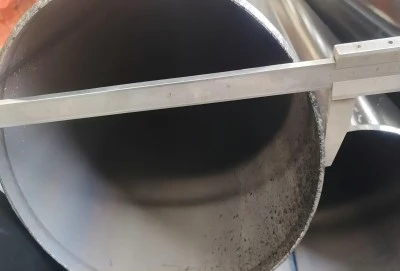
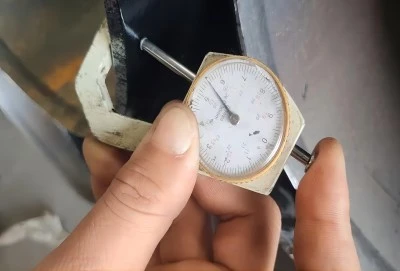
API 5L GR B and A53 GR B Pipes
Both API 5L GR B and A53 GR B are types of carbon steel pipe that are widely used in many industries. However, their governing standards set very different performance goals and application suitability.
API 5L GR B Pipe: Purpose-Built for Pipeline Transmission
API 5L Grade B, which is also known as L245, is a standard-grade carbon steel line pipe that is used all over the world to move water, gas, and oil over long distances. The oil and gas businesses need reliable, low-cost pipeline options that are both strong mechanically and easy to weld. This standard meets those needs. API 5L GR B pipe has a minimum yield strength of 245 MPa (35,500 psi) and a minimum tensile strength of 415 MPa (60,200 psi). It works reliably in gathering lines, transfer pipelines, and distribution networks where the pressure stays the same.
The specification has two Product Specification Levels: PSL1 and PSL2. PSL1 sets normal quality standards that can be used in most situations, while PSL2 requires tighter chemical composition limits, Charpy V-notch impact testing, and full non-destructive testing for welds. With this tiered method, project teams can choose materials that are right for the risk profile, the working temperature, and the corrosive climate. There are many ways to make things, including smooth production for high-pressure situations and welded techniques like ERW, LSAW, and SSAW, which can handle diameters from 1.5 inches to 48 inches and more.
ASTM A53 GR B Pipe: Versatility for General Applications
ASTM A53 GR B pipes are used in a wider range of industries for general-purpose piping, structure frames, and mechanical systems that don't need to withstand high pressure or corrosion. The chemical makeup is very similar to API 5L GR B, with a maximum carbon content of 0.28% and a maximum manganese content of 1.20%. However, the testing methods and quality control systems are very different. The A53 standards focus on measuring correctly and having basic mechanical qualities. They don't check for increased toughness or weld integrity, which are required for pipeline transfer.
Because of this, A53 GR B pipes are perfect for building construction, fire protection systems, platforms, and moving light industrial fluids. The standard allows for both seamless and welded production, though ERW methods are most often used for welded versions. There are different end styles, such as straight ends for threading and beveled ends for welding, which lets you choose how to put things together. The material's modest cost and wide availability make it easy to get in large quantities quickly, which makes it appealing to contractors who are in charge of a variety of non-critical uses.
Key Differences Between API 5L GR B and A53 GR B Pipes
Both API 5L GR B and A53 GR B pipes have similar stated strengths and chemical profiles, but they can't be used in the same commercial settings because of some technical and legal differences.
Chemical Composition and Metallurgical Controls
Carbon is limited to about 0.28% by both standards, manganese to 1.20%, phosphorus to 0.0303%, and sulfur to 0.0303%. But api 5l gr b pipe PSL2 has stricter limits on phosphorus and sulfur, often lowering sulfur levels to 0.020 percent or less, to make the material easier to bond and less likely to crack from hydrogen in sour service conditions. This improved chemistry lowers the risk of embrittlement and raises the toughness of breaks. This is especially important when moving fuels that contain hydrogen sulfide or working in cold areas.
Because ASTM A53 is meant to be used for a wide range of purposes, it allows for a little more variation in the makeup. While this range is fine for structural loads and fluids at room temperature, it can change how well welds work and how resistant they are to rust over time when they are exposed to aggressive media or the cyclic pressure changes that happen during pipeline operations.
Mechanical Properties and Testing Rigor
Both grades are meant to have a minimum yield strength of 245 MPa and a minimum tensile strength of 415 MPa. The main difference is in the testing rules that must be followed. Charpy V-notch impact testing is needed by API 5L PSL2 to make sure the material is tough at certain temperatures. This keeps the pipe from breaking easily during installation, pressure spikes, or earthquakes. This test measures the material's ability to absorb energy, which is an important safety factor for pipes that go through different climates and landscapes.
The A53 standards don't require impact tests, but instead use tension and bending tests to show that the material is basicly flexible. Even though this level of care is enough for static structure uses, it puts materials at greater risk when they are exposed to dynamic loads, changing temperatures, or the corrosive attack that comes with hydrocarbon and water transportation systems.
Manufacturing and Weld Quality Assurance
For all longitudinal and spiral welds, api 5l gr b pipe requires full non-destructive testing, such as ultrasound or x-ray examination, to make sure that any internal flaws are found before the weld is put into service. Under realistic working conditions, hydrostatic testing puts pressure on each pipe length until it reaches 60% of its minimum yield strength. This checks that the pipes are leak-tight. These steps are in line with the fact that pipeline failures can have very bad effects, including damage to the environment, stops in production, and fines from the government.
ASTM A53 says that smooth pipes must be tested for hydraulic pressure, but welded pipes can be inspected less strictly, especially if they meet PSL1 quality standards. This streamlined method lowers the cost of production but raises the risk of procurement when pipes are put into work settings that are different from what was expected in the design.
Application-Specific Standards and Certifications
When API 5L pipes are shipped, they come with Mill Test Certificates that show the chemical makeup, mechanical test results, and where the raw materials came from. These are usually high-quality steels from mills like Shagang, TISCO, and Bao Steel. These certificates make it easier for third-party inspections, compliance audits, and project quality assurance programs that are required by engineering firms and governmental bodies around the world.
A53 pipes usually come with basic Material Test Certificates that say they meet the grade requirements, but they might not have the detailed tracking and extra testing records that are needed for important infrastructure projects. When procurement teams choose A53 for pipeline duty, they must make it clear that they need more testing and paperwork to close this gap. This often comes at an extra cost that cancels out any price benefits at first.
How to Ensure Quality and Choose the Right Supplier?
A systematic approach to quality assurance and strict seller qualification standards that go beyond initial price comparisons are needed to lower procurement risks.
Essential Quality Control Measures
- Hydrostatic testing which puts each pipe length under internal pressure that usually reaches 60% of the minimum yield strength, is still the best way to be sure of its stability. This non-destructive test proves that the building is leak-proof and finds problems with the way the pipes were made before they get to job sites. Automated test systems keep track of pressure profiles, hold times, and eye inspection results, creating paperwork that can be used to support project quality files.
- Non-destructive testing using ultrasound or radiographic methods for non-destructive tests can find breaks inside weld lines and base material. Ultrasonic testing uses high-frequency sound waves to map the thickness of a material and find flaws that can't be seen with the naked eye. X-ray or gamma-ray imaging is used in radiographic testing to make lasting film records of the quality of the weld. This makes it easier for a third party to check the work and keeps the records for a long time.
- Dimensional verification includes measuring the thickness of the wall using ultrasonic gauging, making sure the outside width is correct using precision calibrated tapes, and checking for out-of-roundness using special fittings. Tight controls on dimensions make sure that the fit-up in the field is accurate during welding, which cuts down on the need for expensive repairs and delays. Statistical process control charts show industrial trends before sizes go beyond what is allowed, so problems can be fixed before they get worse.
- Chemical and mechanical laboratory analysis in the lab makes sure that the qualities of a material meet the requirements of the standard. A heat analysis of the melted steel during casting proves the elements' make-up. A product analysis of finished pipes checks that the chemistry stays within acceptable limits after thermal processing. When you flatten and bend something, you check how flexible it is. If it's not flexible enough, or if the heat treatment isn't done right, it could lead to field failures.
Supplier Qualification Criteria
- Manufacturing capability assessment looks at how much can be made, how complex the equipment is, and what controls the process so that quality stays the same across all orders. Buildings that have automatic welding systems, computerized heat treatment ovens, and inline inspection stations show that technology is advanced enough to support mass output without lowering quality. An annual capacity of more than 500,000 tons means that the business has been around for a while, has a strong supply chain, and is financially stability.
- Certification portfolios including API 5L licensing, ISO 9001 quality management systems, and environmental/occupational health qualifications, show a dedication to constant growth and customer happiness that goes beyond the requirements of minimum compliance. API 5L monogram licensing needs facility checks to make sure that the equipment can do what it's supposed to do, the staff is qualified, and the quality system paperwork meets API standards.
- Export experience and international project references are real signs of organizational and cross-border transaction skills. Suppliers who work with megaprojects in the Middle East, resource developments in Australia, and infrastructure projects in Southeast Asia know the rules for global business-to-business contact, inspection procedures, and paperwork needs. Client references from engineering firms and procurement agencies give you an honest look at how reliable the delivery is, how quickly you can get technical help, and how professionally you handle disputes.
Conclusion
Differentiating between API 5L GR B and A53 GR B pipes is more than just a matter of academic interest; it has direct effects on project safety, economic performance, and regulatory compliance in the infrastructure, oil, and gas industries. API 5L GR B pipe is designed to work well in pipeline transmission uses. It has strict testing procedures, stronger materials, and lots of quality paperwork to back it up. A53 GR B pipes are used for general purposes where moderate specs are enough and choices are based on how much they cost. When procurement professionals choose grades based on practical needs, environmental conditions, and the importance of the project, they maximize lifetime value while lowering the risks that come with material substitution. Working with trusted manufacturers who have API certifications, advanced production skills, and a history of on-time foreign shipping guarantees you can get compliant, trackable products that help your project run smoothly.
FAQs
Can API 5L GR B and A53 GR B pipes be used interchangeably?
The chemical make-up and stated strength may look the same, but whether they can be used interchangeably depends on the seriousness of the application and any legal requirements. API 5L GR B pipes have to go through impact tests and full NDT under PSL2. This makes sure that it is tough and that the welds are strong, which is important for pipeline service. Since A53 GR B pipes don't meet these standards, they can't be used for oil and gas transmission, even though they have similar tensile qualities. Engineering specs make it clear what grades are allowed; any deviation needs to be reviewed by engineers and approved by the client in order to avoid breaking the rules.
What factors most influence corrosion resistance in these pipe grades?
The amount of sulfur and phosphorus in a substance affects how easily it corrodes and how easily it attacks the weld zone. Tighter chemistry controls in API 5L PSL2 lower rust caused by impurities. Coatings on the outside, like three-layer polyethylene and fusion-bonded epoxy, protect against dirt and air rust much more effectively than material grade. Instead of just choosing the right pipe grade, process-specific solutions like corrosion inhibitors, cathodic protection, and fluid treatment are needed to stop internal rust caused by fluids being moved.
What are typical delivery timelines for bulk pipe orders?
Standard sizes kept in stock can be shipped within two to three weeks, meeting the needs of urgent projects. Custom specs that need dedicated production runs add 8–12 weeks to the time it takes to buy the raw materials, make the product, test it, and finish it. Depending on the location and freight mode, international shipping can take an extra three to six weeks. Due to its large inventory and flexible schedule, Longma Group can make faster deliveries when a project requires them, but the company may have to pay more for the operations.
Partner with a Trusted API 5L GR B Pipe Manufacturer
Longma Group is ready to help you with your pipeline and infrastructure projects by making approved API 5L GR B pipe that meets PSL1 and PSL2 standards. Our 230,000-square-meter production center uses cutting-edge ERW and LSAW technologies to send more than 1,000,000 tons of steel to customers in 90 countries every year. We have a lot of certificates for our quality systems, like API 5L licensing and ISO 9001. We also work with top steel mills to make sure that our raw materials are always the same. We give you all the paperwork you need to meet the standards for quality control and legal compliance, such as Mill Test Certificates, Inspection and Test Plans, and Manufacturing Procedure Specifications. Get in touch with our expert team at info@longma-group.com to talk about the details of your project and get detailed quotes from a reputable api 5l gr b pipe supplier that is dedicated to providing value through quality, dependability, and quick service.








