
When choosing pipeline materials for water transport systems or oil and gas infrastructure, the difference between API 5L Grade A and Grade B can have a big effect on the budget and how well the project works. The main difference is in their mechanical strength. API 5L GR B pipe has a minimum yield strength of 245 MPa, while API 5L Grade A only has 210 MPa, making it better for moderate-pressure uses. Also, API 5L Grade B has better tensile qualities (415 MPa vs. 330 MPa for API 5L Grade A), which means it can handle stress better and last longer in tough transmission settings. Even though both grades are important, knowing the differences between them will help you choose the best information for your needs.
|
|
|
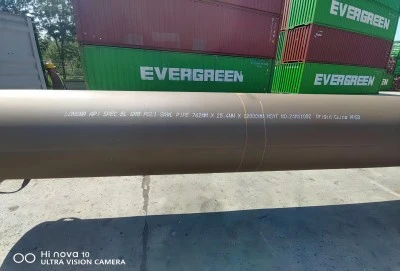
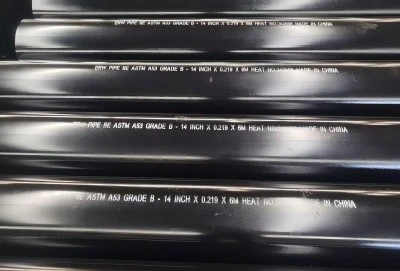
API 5L Pipe Grades
API 5L was made official by the American Petroleum Institute as the standard for line pipe used in the natural gas and oil businesses. This standard covers both seamless and welded steel lines that are made for pipeline transportation systems that move fluids like oil, gas, water, and other substances over long distances. API 5L has become the world standard since it was first released. It is used to make engineering choices for everything from offshore sites in Southeast Asia to transmission lines that go across countries in Australia and the Middle East.
Picking the right pipe grade isn't just a formality; it has a direct effect on the safety of operations, legal compliance, and the soundness of the pipeline. In the API 5L family, API 5L Grade A is the entry-level standard. It provides good performance for low-pressure delivery networks. On the other hand, API 5L Grade B has better mechanical properties that make it suitable for mild to high pressure uses while still being easy to weld and low in cost.
Why Pipe Grade Selection Matters
More and more, pipeline engineers and buying managers have to find a balance between safety standards and limited budgets. If you choose a grade that isn't defined well, it could fail catastrophically, and if you specify it too well, it will cost more to build. The structured grading system in API 5L makes things clear, so workers can match the qualities of materials perfectly to the situations they will be used in. For city water distribution, API 5L Grade A works well because the pressures aren't too high. On the other hand, API 5L gr b pipe is better for oil gathering lines and regional gas transfer networks because they need to be very strong mechanically.
General Characteristics of Grade A and Grade B
The main things that both grades have in common are that they are made of carbon steel, come in PSL1 and PSL2 product standard levels, and can be made using ERW, LSAW, or seamless methods. But because they have different strengths, they can be used in different areas. Because API 5L Grade A has a smaller yield point, it is easier to cold-form during installation, but it can't hold as much pressure. API 5L Grade B is the best of both worlds because it is strong enough for most mid-range uses while still being able to be welded, which is important for building and maintenance workers.
Chemical Composition and Mechanical Properties Comparison
By understanding the mechanical basis of these grades, you can see why their performance is so very different. The chemical make-up has a direct effect on how well the pipe welds, bends, and corrodes. The mechanical qualities tell us how the pipe reacts to pressure inside and loads outside.
Chemical Element Analysis
Grade A Chemical Composition:
- Carbon: No more than 0.22%
- Manganese: No more than 0.90%
- Phosphorus: No more than 0.030
- Sulfur: Up to 0.030 percent
Grade B Chemical Composition:
- Carbon: No more than 0.28% (0.26% for PSL1 and 0.24% for PSL2)
- Manganese: No more than 1.20%
- Phosphorus: No more than 0.030
- Sulfur: Up to 0.030 percent
API 5L Grade B pipe is stronger because it has more carbon and manganese, but it needs to be carefully welded so that there aren't hard spots where the heat hits it. Because API 5L Grade A has less carbon, it is naturally easier to weld. This means that it doesn't need to be heated up as much and there is less chance of cold cracking during construction. The controlled amounts of phosphorus and sulfur in both grades make sure that they are tough enough and don't become brittle. This is especially important in low-temperature settings where resistance to impact is needed.
Mechanical Property Comparison
Standardized test scores make the difference in technical ability between these grades clear:
Grade A Mechanical Properties:
- Yield strength: Must be at least 210 MPa (30,500 psi)
- Tensile strength: Must be at least 331 MPa (48,000 psi)
- Elongation: Usually 25 to 30 percent, but it depends on the thickness of the wall
Grade B Mechanical Properties:
- Yield strength: Must be at least 245 MPa (35,500 psi)
- Tensile strength: Must be at least 415 MPa (60,200 psi)
- Stretching: Usually 23-28%, but it depends on how thick the wall is
With a 17% increase in yield strength and a 25% increase in tensile capacity, API 5L Grade B pipes can handle higher pressures inside them before they permanently break. API 5L Grade B materials offer more safety during hydraulic testing, in which pipes are pressed to 60% of their minimum yield. The small decrease in elongation is a fair trade-off for the big increase in strength, especially since both grades still have enough flexibility for field bends and alignment fixes during installation.
Technical and Performance Differences
In addition to the properties of the raw materials, these types have very different useful performances depending on how they are used in the real world. The total cost of ownership is made up of things like pressure levels, protection to the environment, and manufacturing issues.
Pressure Ratings and Operating Conditions
Barlow's formula, which takes into account material yield strength, pipe width, and wall thickness, is used by design engineers to figure out what working pressures are safe. When measured the same way, API 5L Grade B pipes can handle about 17% more pressure inside than API 5L Grade A pipes of the same size. In a 16-inch pipe with a 0.375-inch wall thickness, API 5L Grade A could easily handle 1,480 psi. API 5L Grade B raises that limit to about 1,730 psi, which either gives you more practical options or lowers the wall thickness needed for the same pressure ratings.
Both grades can work in the same temperature ranges, which are usually between -20°C and 120°C for everyday use. However, API 5L Grade B's better mechanical qualities allow it to work better when changes in temperature cause thermal stresses. Extreme weather changes happen a lot in places like the Middle Eastern deserts and the Canadian prairies. This resilience means that things are less likely to break down and last longer.
Corrosion Resistance and Environmental Durability
Both API 5L Grade A and API 5L Grade B carbon steel are naturally resistant to rust because they don't contain any important alloying elements that make them more resistant to the environment. Coating systems—three-layer polyethylene, fusion-bonded epoxy, or hot-dip galvanizing—applied during processing provide safety on the outside. Controlling internal rust rests on the chemistry of the fluid and how it is used, for example by injecting an inhibitor.
API 5L Grade B is better in corrosive settings because it has a thicker section modulus when it is intended for the same level of pressure service. For example, API 5L Grade A pipes might need walls that are 0.500 inches thick, but API 5L Grade B pipes can handle the same amount of pressure with walls that are only 0.438 inches thick. However, project engineers often define API 5L Grade B at 0.500 inches, which leaves room for rust. This extra material protects against wall thinning, which means that checks and possible repairs can be put off longer.
Welding and Installation Considerations
There are small differences in how to weld in the field between grades. Because API 5L Grade A has a smaller carbon equivalent, it allows for faster welding speeds and lower interpass temperatures, which speeds up the building process. Welders like that API 5L Grade A is forgiving when external factors make it hard to follow the procedures. It is more important to follow the approved welding process standards for API 5L Grade B, especially when it comes to preheat maintenance and cooling rates.
API 5L Grade A is more flexible, which makes it easier to align and fit up. Field teams can cold-spring pipes and work with small differences in size without risking brittle fracture. API 5L Grade B can still be shaped in a way that works for most installations, but it needs to be bent more carefully when the deflections go beyond normal limits. These real differences affect how much work gets done and how risky the project is, especially on faraway sites where it costs a lot and takes a long time to do the necessary rework.
Conclusion
The main difference between API 5L Grade A and Grade B is how well the material's power matches the needs of the application. API 5L Grade A is used for low-pressure distribution networks that need to be cost-effective, and API 5L Grade B is for oil, gas, and industrial pipe systems that need to be strong mechanically. The changes in their chemical make-up, especially the amounts of carbon and manganese, directly affect how well they work, which is something that engineering teams have to test under certain situations. When making choices about what to buy, technical needs should be weighed against economic factors, keeping in mind that API 5L Grade B's higher cost often leads to better lifetime value through better design and longer service life. Once project teams know these basic differences and how they affect real-world situations, they can safely choose materials that will meet both short-term performance goals and long-term reliability expectations for pipeline systems.
FAQs
Can Grade A and Grade B pipes be interchanged in existing systems?
Changing grades needs a careful engineering review. Moving from API 5L Grade A to API 5L Grade B doesn't pose much of a technical risk because the better engineering qualities give you extra safety. But switching from API 5L Grade B to API 5L Grade A might not be as safe for the system if the working forces get close to the lower material capacity. Any change needs to involve recalculating the maximum working pressures, going over the welding steps again to account for the different carbon values, and making sure that the new requirements still follow all the rules and codes that apply.
What certifications should buyers verify when procuring these pipes?
The API 5L monogram license, which confirms the manufacturer's permission, Material Test Certificates with chemical and mechanical test results related to heat, and third-party inspection reports verifying measurement alignment and NDT results are all important pieces of paperwork. For PSL2 materials, we need more Charpy impact test results showing that they are tough enough. For example, ISO 9001 certification means that the quality management system is stable. For sour service products that contain H2S, you need industry-specific certifications like NACE compliance.
How does PSL1 differ from PSL2 for these grades?
PSL2 has tougher rules for many things: it limits carbon and other elements in the chemical makeup; Charpy V-notch impact testing is required to check low-temperature toughness; and all longitudinal welds must be inspected thoroughly without damaging them. PSL1 is the normal level of quality that meets basic chemical and mechanical needs for general work. The extra money you pay for PSL2, which is usually between 15 and 20 percent more, gives you better reliability, which is why you should use it in important situations where failure would have serious effects.
Partner with Longma Group for Reliable API 5L GR B Pipe Supply
Choosing the right API 5L GR B pipe supplier is important for making sure that your pipeline project stays on plan, stays within price, and meets performance goals. Since 2003, Longma Group has been making LSAW and ERW steel pipes. Our 230,000-square-meter factory in Hebei makes more than 1 million tons of steel every year. Our API 5L certification covers PSL1 and PSL2 requirements from Grade B to X80. It is backed up by a lot of quality paperwork, such as ITP, MPS, and MTC packages that engineering companies need.
We only get our raw materials from the best local mills, like Shagang, HBIS, and Bao Steel. This way, we can be sure that the metallurgical qualities will stay the same from one heat to the next. We can provide API 5L GR B pipe manufacturer quality with full traceability from receiving the coil to the final hydrostatic testing thanks to our advanced heat treatment tools and advanced inspection technology. In addition to supplying pipes, we also offer manufacturing services that add value, such as beveling, paint application (FBE, 3LPE, hot-dip galvanizing), and custom end treatments that lower the cost of installation in the field.
We have customers from more than 90 countries, and we have a lot of project experience in oil areas in the Middle East, building projects in Southeast Asia, and resource projects in Australia. Our production capacity and inventory management can handle the different stages of your project, whether you need 500 tons for a regional gathering system or 5,000 tons for transportation across the country. Get in touch with our expert team at info@longma-group.com to talk about your specific API 5L Grade B pipe needs and get detailed quotes with delivery dates that fit your building timetable.








