
ASTM A513 tube is an electric-resistance-welded (ERW) carbon and alloy steel mechanical tubing specification which covers five different types of manufacture. Type 1: Hot-rolled ERW, Type 2: Cold-rolled ERW, Type 3: As-welded from cold-rolled steel, Type 4: Cold-drawn ERW, Type 5: Drawn Over Mandrel (DOM). Each type has different dimensional tolerance, surface finish, mechanical strength and fabrication suitability. If you get the wrong kind, you can end up with expensive rejects in machining or structural failures. Knowing the differences before you buy is essential for any serious manufacturing operation.
|
|
|
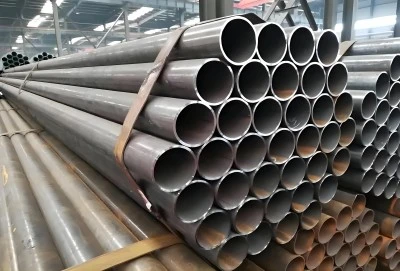
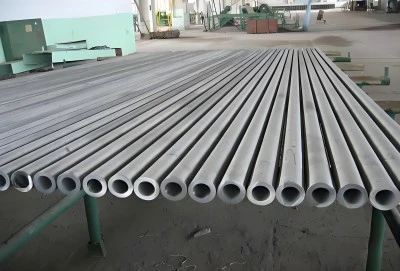
ASTM A513 Steel Tube Types
ASTM A513 covers ERW carbon steel mechanical tubing. This type of tubing is used to make cars , machines , furniture hardware and fitness equipment . That is not pressure pipe standards, that is A513. It is aimed at surface quality and dimensional accuracy, not pressure values. Hence it is the best standard for components that must be machined, bent or made very accurately.
Why Five Types Exist
ASTM A513 tube is classified into five major types of tubes to meet varied manufacturing needs and end-use applications. The main difference between these types is the state of the raw material, the methods of formation and finishing, and the mechanical and dimensional properties obtained.
Hot-rolled steel, cold-rolled steel and cold drawing processes are used to produce mechanical tubing. Hot-rolled material is generally economical and appropriate for general fabrication, while cold-rolled and cold-drawn materials can provide improved surface quality, dimensional consistency and processing performance. The exact properties depend upon the type of tubing and the condition specified for its manufacture.
This understanding allows manufacturers, engineers and procurement teams to choose tubing that will meet their machining, bending, welding, assembly and final product quality requirements.
Common Steel Grades Under A513
ASTM A513 mechanical tubing is generally made from low carbon steel grades 1008, 1010, 1015 and 1020. These grades provide different combinations of formability, machinability, weldability and mechanical strength.
-
ASTM A513 Grade 1008: A low-carbon steel option with good formability, suitable for general-purpose tubing and components requiring extensive forming.
-
ASTM A513 Grade 1010: Commonly selected for general mechanical applications that require a balance of formability, weldability, and strength.
-
ASTM A513 Grade 1015: Suitable for mechanical components that require low-carbon steel with good fabrication characteristics.
-
ASTM A513 Grade 1020: A widely used low-carbon steel grade for machining, welding, and general mechanical applications where a moderate strength level is appropriate.
The final mechanical properties depend on the grade of steel, the type of tube, the manufacturing process and the supplied condition. Therefore, the grade selection should be based on the actual design requirements, not just the designation of the grade.
Longma Group provides ASTM A513 mechanical tubing in grades 1010, 1015 and 1020. Outside diameters are available from 21.3 mm to 406.4 mm, wall thicknesses are specified according to the product range and the dimensional requirements to be met. To purchase accurately, customers should verify with the supplier the available diameter, wall thickness, tubing type, steel grade and dimensional tolerances.
Quick Comparison Table
| Type | Process | Surface | Typical Yield Strength |
|---|---|---|---|
| Type 1 | Hot Rolled ERW | Mill scale | ~32,000 psi |
| Type 2 | Cold Rolled ERW | Smoother | ~45,000 psi |
| Type 3 | As-welded (CR steel) | Clean | ~45,000 psi |
| Type 4 | Cold Drawn ERW | Bright | ~55,000 psi |
| Type 5 (DOM) | Drawn Over Mandrel | Bright, precise | ~70,000+ psi |
Detailed Comparison of ASTM A513 Tube Types 1 to 5
Each type is designed for a different manufacturing situation. The wrong one wastes scrap and machining time. The right one saves scrap and machining time. Here’s what each of these types actually gives you in practice.
Types 1 and 2: Hot Rolled and Cold Rolled ERW
Type 1 is produced by hot rolling and has a mill scale surface finish. It is suitable for structural framing, storage racks and furniture components where the appearance of the surface is less important than cost efficiency. Type 2 is produced from cold-rolled steel strip, which has a smoother surface and tighter tolerances, making it more suitable for moderate-precision machining applications like brackets and mechanical parts.
Types 3 and 4: As-Welded and Cold Drawn
Type 3 is cold-rolled strip welded without further drawing, with clean surface for body parts and light fabrication in automotive industry. Type 4 is cold drawn after welding to improve concentricity and wall thickness uniformity. This makes it a practical choice for bushing manufacture, hydraulic cylinder tubes, and other components that require CNC turning.
Type 5: DOM Tubing
The most precise is Type 5, commonly known as DOM (Drawn Over Mandrel). Cold drawing over an internal mandrel removes the weld flash and OD/ID tolerances are often held to +/-.003 inches. After stress relief annealing, the yield strength can exceed 70,000 psi. Drive shafts, steering columns and high-load structural members are typically made of DOM tubing.
ASTM A513 Tube vs. Other Steel Tube Grades — What Sets Them Apart?
ASTM A513 tube is often asked by people who want to buy something if it is the best choice or if they should look at ASTM A500, A519, or stainless steel instead. How to answer depends on how important the question is.
A513 vs. A500
The rigid tubing requirements are as follows: ASTM A500. The change in grade varies the lowest yield numbers from 33,000 to 50,000 psi. Wall thickness can vary plus or minus 10 percent. AISC tells designers to reduce that range by a factor of 0.93 in their calculations. A513 is made with chemicals that allow it to be bent, flared and shaped, but the size tolerances are not as good. A513 is usually more precise than A500 for machined mechanical parts, fitness equipment frames and furniture hardware. This is so since the A500 has higher structural grades.
A513 vs. A519 Seamless
ASTM A519 covers seamless mechanical tubing of carbon steel. Seamless tubes are easy to join and can be used in places of very high pressure or very high temperature. They take longer to make and make a lot more money than the ERW based A513. A513 Type 4 or Type 5 works just as good and costs less for most general machining, auto bushing and rack assembly jobs that don't put too much stress on the parts.
Practical Considerations for Procuring ASTM A513 Tubes
Writing down the right specification isn't enough. Also, buying managers should think about what providers can do and how to get the orders to them.
Matching Type to Application
Buyers should be aware of the requirements of their manufacturing processes such as cutting, CNC machining, bending, welding and assembly before they issue a request for quotation (RFQ). The selected ASTM A513 tubing type shall have the required dimensional tolerances, surface finish and mechanical properties.
For precision machining applications, dimensional consistency and surface quality are of particular importance. DOM tubing and other correctly specified mechanical tubing can reduce additional machining operations and improve manufacturing efficiency. Buyers should, however, specify the required inside diameter (ID), outside diameter (OD), wall thickness, straightness, and concentricity tolerances explicitly, rather than rely on tube type alone.
MOQ, Lead Time, and Inventory
One of the biggest challenges for mid-size makers is that some suppliers have minimum order quantities. Full container MOQs are typical at many mills. Longma Group currently has 100-200 tons of inventory on hand. Small batches can be delivered within 7 days. This is useful for buyers who are testing a product or for covering short periods of time without ordering a lot.
Certifications and Traceability
Quality documentation is another essential consideration when procuring ASTM A513 tube, especially for automotive components, industrial machinery, and applications subject to customer-specific quality requirements.
Reliable suppliers should be able to provide the documentation agreed upon in the purchase order. Depending on the application and contractual requirements, this may include:
-
Mill Test Certificate (MTC): Supporting material documentation showing the supplied steel grade and applicable chemical composition and mechanical test results.
-
Inspection and Test Plan (ITP): A document that specifies the inspection activities, acceptance criteria, responsibilities and verification points when required by the project or customer.
-
Heat-number traceability: Identification tracing supplied material back to original steelmaking heat and material records.
-
Dimensional inspection reports: Verification of outer diameter, wall thickness, length, straightness and other necessary specifications.
-
Additional quality records: Certificates, test reports, or compliance documents required by the buyer's quality system or end customer.
Fabrication, Welding, and Maintenance Tips for ASTM A513 Tubes
When making a part, the quality and service life of the final part depend on how well the A513 mechanical tubing is handled.
Welding Guidelines by Type
Type 1 and Type 2 tubes have carbon content from .05% to .23% and are easily weldable with GMAW or GTAW. Generally, walls less than 1 inch thick do not need to be preheated. Personnel working with Type 5 DOM tubing should conduct post-weld stress relief when the unit will be subject to dynamic or wear loads. This is because the cold working introduces stresses that are changed by the welding heat.
Machining and Bending Parameters
Types 4 and 5 are cold drawn and are easy to machine because they are hard from the drawing process. The tool generally lasts longer than with hot rolled grades. DOM has a higher yield strength, so type 1 and type 2 can be bent with smaller bend radiuses than DOM. This is because they have a lower yield strength and can bend more easily.
Corrosion Protection
Left outside or in a wet location, bare carbon steel A513 tube will rust. Hot-dip galvanizing, zinc plating and powder coating are the most economical methods for protecting outdoor exercise equipment, farm equipment and furniture. Longma Group hot dip coats the outside to make things last longer without having to pay more for stainless steel.
Conclusion
How well it works in structures, how much it costs to make, and how much it gives depend on the type of ASTM A513 tube you choose. For cheap structural work, Type 1 is good. Types 2 and 3 have a good balance of surface quality and moderate precision. Type 4 can meet very strict machining tolerances. And Type 5 DOM is the most accurate for important parts that hold weight. It is still one of the most cost-effective ways to make things today, as long as it is made from the right grade of carbon steel (1010, 1015, or 1020) and in the right way.Many people want to know if ASTM A513 tube can be used to build things outside.
FAQ
Is ASTM A513 tubing suitable for outdoor structural use?
A513 is a mechanical tubing spec first, not a structural pressure pipe standard. When to be used outdoors it must be protected from corrosion, for example by galvanizing or powder coating. Properly treated for the surface it performs well in outdoor furniture, fencing and light structural frames.
What is the main difference between Type 2 and Type 5?
Type 2 is cold rolled ERW pipe with a better surface finish than Type 1, but still has the internal weld flash. Type 5 (DOM) is cold drawn over a mandrel to remove the weld flash and provide tighter OD/ID tolerances, higher yield strength and better concentricity, making it the preferred choice for precision machined parts.
How do I verify that a supplier's A513 tubing meets specification?
Request the Mill Test Certificate (MTC) with heat numbers traceable to steel coil origin. Verify that the document contains chemical composition, mechanical test results, and dimensional inspection data. Incoming quality inspection is easier with ISO 9001 certified suppliers because they have standardized documentation workflows.
Can A513 tubes be galvanized?
Yes. Hot dip galvanizing operations are suitable for grades 1010, 1015 and 1020. The low carbon content reduces the risk of hydrogen embrittlement in the galvanizing bath, and therefore is a practical surface protection for use in agricultural, furniture and outdoor equipment applications.
Partner With Longma Group for Your ASTM A513 Tube Supply
They have been making ERW steel tube for people in more than 90 countries since 2003. We are the only ones who sell ASTM A513 tubes. In OD sizes from 21.3 mm to 406.4 mm, we make types 1010, 1015, and 1020. We have items in stock that can be sent out in 7 days. We can take orders for both short runs and lengths that you specify. Send an email with your technical drawing or list of needs to info@longma-group.com or visit longma-group.com right away to get a quote.