
When designing big pipeline projects, procurement managers and engineers ask, "What is the maximum X42 PSL1 pipe length?" The response affects project costs, installation efficiency, and logistics. The most common length of API 5L X42 PSL1 pipe is 12 meters; however, it may be 6 to 18 meters. Based on production capacity, welding procedures, and shipping infrastructure, certain manufacturers can make bespoke lengths up to 18 meters or longer. The maximum length depends on pipe diameter, wall thickness, manufacturing type (ERW, LSAW, SSAW), and transportation limits. Engineering teams may optimise welding needs, installation time, and project costs while retaining structural integrity by understanding these aspects.
|
|
|
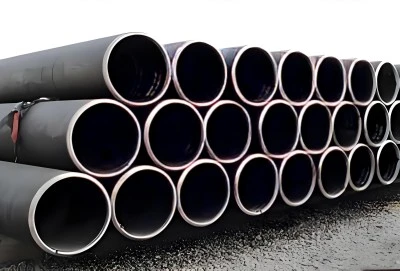
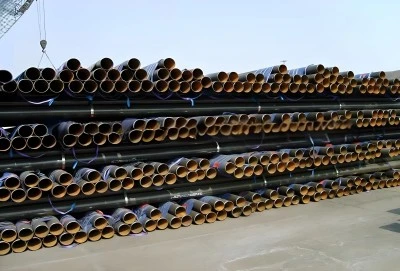
Understanding API 5L X42 PSL1 Pipe Specifications and Dimensions
The API 5L guideline sets strict rules for line pipe that is used in systems that move oil, gas, and water. With a minimum yield strength of 42,000 psi (290 MPa), API 5L X42 PSL1 pipe is a standard quality level. This means it can be used in medium-pressure situations where both cost-effectiveness and performance are important.
What Defines the PSL1 Classification
A "Product Specification Level 1" classification according to API 5L standards is shown by the PSL1 designation. PSL2 needs stricter limits on chemical composition, Charpy V-notch impact testing, and better tracking. PSL1, on the other hand, is more for general-purpose uses where harsh environmental conditions are not likely to happen. The chemical make-up has the right amounts of carbon, manganese, phosphorus, and sulfur to make it weldable and have good tensile qualities. These pipes come with API 5L certificates, ISO 9001 quality management paperwork, and a number of workplace health and safety credentials that make sure they meet foreign standards.
Standard Dimensions and Their Impact on Length
The outside diameters of API 5L X42 PSL1 pipes range from 0.5 inch to 80 inches (21.3mm to 2032mm), and the wall thicknesses range from Schedule 10 to Schedule 160 (6.35mm to 59.54mm). Larger diameters and heavier wall sections make it harder to handle during manufacturing, heat treatment, and transportation, so these dimensions directly affect the longest length that can be made. Smaller diameter pipes (under 12 inches) can usually be made and shipped in longer pieces than large diameter pipes (over 24 inches), which have problems with stability when being handled and can't be shipped as long.
Industry Norms for Maximum Pipe Lengths
The 12-meter length has become the standard in the global pipeline business because it fits into normal shipping containers and rail transport dimensions. A lot of oil and gas projects in the Middle East, Southeast Asia, and Australia call for 12-meter segments so that they can be welded more often and moved more quickly. But companies that use modern rolling mills and submerged arc welding tools can make pipes up to 18 meters long, and sometimes even longer for certain projects. These longer lengths may or may not be available depending on the manufacturer's technical skills, quality control systems, and ability to get special transportation tools.
Factors Influencing the Maximum Length of API 5L X42 PSL1 Pipe
How long a single piece of API 5L X42 PSL1 pipe can be made and delivered to project sites depends on a number of technical and organizational factors.
Manufacturing Process Constraints
Different welding processes restrict pipe lengths. Due to the continuous shaping and welding process, ERW pipes are normally limited to 12 meters. LSAW pipes may be 18 meters long since plate rolling and double-pass welding employ longer steel plates. Spirally Submerged Arc Welded (SSAW) pipes are constantly formed from coiled steel strips, hence length restrictions are theoretically lower. For practical handling and quality control, lengths are normally restricted to 18 meters. Heat treatment to eliminate residual stress and normalise weld zones is tougher on longer pipe sections because they need more complicated burner equipment to heat and cool the whole length.
Transportation and Handling Realities
Even tho pipes may be made longer, logistics limits their length. Standard flatbed trucks may transport 12-meter pipes without licenses or escorts in most regions. Longer lines need costly heavy-haul transportation with route constraints due to bridge clearances, turning radius limits, and road width limits. Most 40-foot containers can transport 12 meters of pipe. Longer items need flat rack containers or break-bulk transportation, which costs extra. Procurement teams must consider production criteria and practical restrictions. Ports, storage yards, and project site access roads are examples.
Mechanical Property Considerations Across Length
The length of a pipe can have a small effect on its mechanical performance. Longer pieces of pipe may have slightly different yield strength and tensile qualities along their length. This could be because the base steel has a different makeup or the temperature changes during the heat treatment process. Reputable makers deal with this by using strict testing methods, such as chemical component analysis at several places, tensile strength testing from both ends, and full nondestructive testing (NDT) using ultrasonic methods and X-ray inspection along the whole length. For longer pipes, hydrostatic testing is especially important to make sure that the pressure integrity is the same across the whole section and there are no weak spots.
Comparing API 5L X42 PSL1 Pipe Length with Other Grades and Materials
Knowing how the availability of API 5L X42 PSL1 pipe relates to other specs helps procurement workers choose the right materials.
X42 PSL1 Versus Higher Grades
Some length limits are stricter for stronger grades like X52, X60, or X65 than for X42 PSL1 pipe. To get a higher yield strength, alloying elements are needed. These elements can make the metal harder to weld and more likely to crack in the heat-affected zone, so manufacturers limit production lengths to maintain quality control. API 5L X42 PSL1 pipe has simpler chemistry and better welding properties, which lets it be used in longer production runs. Higher grades also have stricter mechanical testing standards. This makes making sure quality across longer lengths more resource-intensive and could make it harder for businesses to get maximum-length parts.
PSL1 Versus PSL2 Length Availability
The PSL2 standards call for more tests, such as a Charpy impact toughness test and tighter chemical makeup limits. These new rules can make production more difficult and raise the cost of quality control, which might make companies less likely to make PSL2 pipes in the longest lengths unless they are specifically asked to for big projects. PSL1 pipes are usually kept in stock in 12-meter lengths and can be made in 18-meter sections with faster wait times than PSL2 pipes. This is because their compliance requirements are simpler. For PSL2, the requirements for certification and traceability add extra work that gets bigger as the pipe gets longer.
Carbon Steel Line Pipe Versus Alternatives
When you compare carbon steel line pipe that meets API 5L standards to other materials like stainless steel or high-alloy pipes, the lengths that are available change a lot. Due to the high cost of materials and the special skills needed to make them, stainless steel pipes rarely go over 12 meters in length. For uses that don't need corrosion-resistant metals, carbon steel API 5L X42 PSL1 pipes are the most cost-effective and flexible in terms of length. When working in environments that are corrosive, it may be easier to use cheaper carbon steel pipes by coating them with 3LPE or FBE instead of expensive alloys. This lets the pipes be longer, which means less welding needs to be done in the field.
Procurement Insights: Ordering API 5L X42 PSL1 Pipes of Desired Length
Strategic planning for purchasing based on API 5L X42 PSL1 pipe length requirements can save a lot of money and speed up the project.
How Length Impacts Pricing Structures
Pipe prices are based on two main models: prices per ton for standard grades and prices per meter for more specific needs. Longer pieces of pipe usually cost a little more per ton because they are harder to handle and move. But longer pipes are often cheaper to install because they don't need as many field welds, which means less money for labor, welding supplies, and inspections. When manufacturers buy a lot of pipes of the same length, they can plan their production runs more efficiently and may be able to get bulk savings that cover any length premium. Purchasing managers should get thorough quotes that compare 12-meter and 18-meter segments and include the net cost of the job, which includes the cost of labor for welding and installation.
Lead Time Expectations for Extended Lengths
Manufacturers keep stock of commonly ordered sizes and wall thicknesses so that standard 12-meter lengths of API 5L X42 PSL1 pipe can be shipped within seven days. Custom lengths of about 18 meters usually have production lead times of three to six weeks, but this depends on how busy the rolling mill is and how many orders the manufacturer already has. Projects with tight deadlines may have to weigh the benefits of installing longer pipes more quickly against the longer time it takes to get them. By giving you more information about how to plan your production, building relationships with qualified makers who offer a range of services can help lower the risk of lead times.
Supplier Selection Criteria for Maximum Lengths
When you buy long pipes, picking the right provider is very important. Key factors used for evaluation are the validity of the API 5L certification, the documentation of the quality management system (ISO 9001), the capabilities of the manufacturing equipment (especially heat treatment and NDT facilities), and the company's track record of completing similar projects. When compared to converters that buy steel from different sources, suppliers who run combined mills with their own steel production usually offer better stability over long pipe lengths. It's also important to look at the supplier's transportation and logistics network. Specialized heavy-haul skills and foreign shipping partnerships have a direct effect on how reliably longer pipe sections can be delivered.
Best Practices and Recommendations for Specifying Maximum Length of X42 PSL1 Pipes
To get the best API 5L X42 PSL1 pipe length specs, you have to balance a lot of technical, economic, and practical factors.
Aligning Length with Installation Methods
The best pipe length is directly related to how it is installed. With mining tools and side-boom machines, trench-laying projects can quickly and easily handle 12- to 18-meter sections, which cuts down on the number of tie-ins that need to be made. For horizontal directional drilling, shorter pieces may be better because they are easier to handle when putting the pipe string together. When building offshore platforms or bridge pilings, the highest lengths that can be used are often limited so that welding doesn't have to be done underground or at high elevations. Instead of using standard dimensions, engineers should think about how easy it is to get to the site, how much equipment can fit, and how skilled the crew is when setting length requirements.
Balancing Welding Requirements with Logistics
Every field weld is a possible point of quality control, a need for testing, and a risk to the schedule. By choosing longer pipes, the total number of welds is cut down, which speeds up installation and lowers the cost of inspection. This benefit is lessened, though, if transportation problems cause delivery delays or if special cranes and other handling tools are needed. A full cost-benefit study should look at the fixed cost per meter for various lengths, taking into account the rates of welding labor, the prices of nondestructive testing (NDT), the cost of transportation, and the value of the schedule. For projects in remote areas with limited access, shorter pieces that are easier to move may offer better total value, even if they require more welding.
Real-World Application Example
A big water transmission project in Southeast Asia recently got better deals by asking for 18-meter lengths of X42 PSL1 pipe LSAW pipe with 30-inch diameter pieces that run along a 45-kilometer route. The engineering team found that using maximum-length segments would cut the number of field welds from about 3,750 to 2,500. This would save 18% on welding costs and cut installation time by three weeks. The team in charge of buying things worked with a qualified factory that could make, test, and ship 18-meter sections via break-bulk ocean freight. Even though the price of a 12-ton pipe went up by 12% and shipping times were pushed back, the project saved more than $840,000 by cutting down on field work and finishing faster. This case shows that strategic length specification can bring real benefits when it is properly matched to the size of the project and the logistics system in place.
Conclusion
In conclusion, API 5L X42 PSL1 pipe may be as long as 12–18 meters, depending on how it is built, transported, and used. The industry norm is 12-meter segments, which balance manufacturing efficiency and logistics. Advanced manufacturers can weld 18-meter lengths using LSAW or SSAW. When buying pipes, engineers and procurement managers should consider manufacturing, licensing, shipping, installation, and installation costs when considering length needs. Partnering with well-known suppliers with a wide variety of manufacturing capabilities, quality certifications, and logistical experience will ensure the delivery of the best-length pipes that fulfil project performance criteria and maximise economic value.
FAQ
1. What is the standard maximum length for API 5L X42 PSL1 pipe?
The usual maximum length in the business is 12 meters, but some manufacturers can make segments that are up to 18 meters long for API 5L X42 PSL1 pipe. Technically, custom lengths longer than 18 meters are possible, but they are hard to transport and handle, which means they aren't practical for most projects.
2. Does pipe length affect mechanical properties or performance?
When pipes are made and tested correctly, the length of the pipe doesn't have much of an effect on their mechanical properties. Reputable manufacturers test the whole length chemically and mechanically and do full NDT to make sure that the yield strength, tensile properties, and weld integrity stay the same no matter what length the segment is.
3. Can I order custom lengths beyond standard specifications?
You can order custom lengths, but there are usually minimum order amounts and longer wait times than for standard sizes. Talk to manufacturers about the project's needs early on in the planning process to find out if it's possible, what the price implications are, and when non-standard lengths can be delivered for API 5L X42 PSL1 pipe.
Partner with Longma Group for Your X42 PSL1 Pipe Requirements
Getting X42 PSL1 pipes requires a manufacturing partner with a track record of success, full licenses, and the ability to produce in a variety of ways. Since 2003, Longma Group has supplied more than one million tons of high-quality ERW and LSAW steel pipe to more than 90 countries for engineering companies, sourcing managers, and industrial project teams around the world. Our state-of-the-art factories can make pipes with sizes ranging from 0.5 inch to 80 inches and lengths from 6 meters to 18 meters. They are fully certified by API 5L, ISO 9001, and workplace safety standards.
As a manufacturer and supplier of API 5L X42 PSL1 pipes with a lot of experience, we offer competitive prices, fast turnaround on standard specifications (delivery within seven days), and full technical support that includes fabrication services, anti-corrosion coatings, and full documentation packages. Whether your project needs normal 12-meter sections or longer 18-meter lengths to cut down on field welding, our engineering team works with you to find the best specs for performance and cost-effectiveness.
Email Longma Group at info@longma-group.com right now to talk about your project needs, get detailed technical datasheets, or get personalized quotes.








